





 Português
  Inglês
  Espanhol
  4 min de leitura
  0 comentários


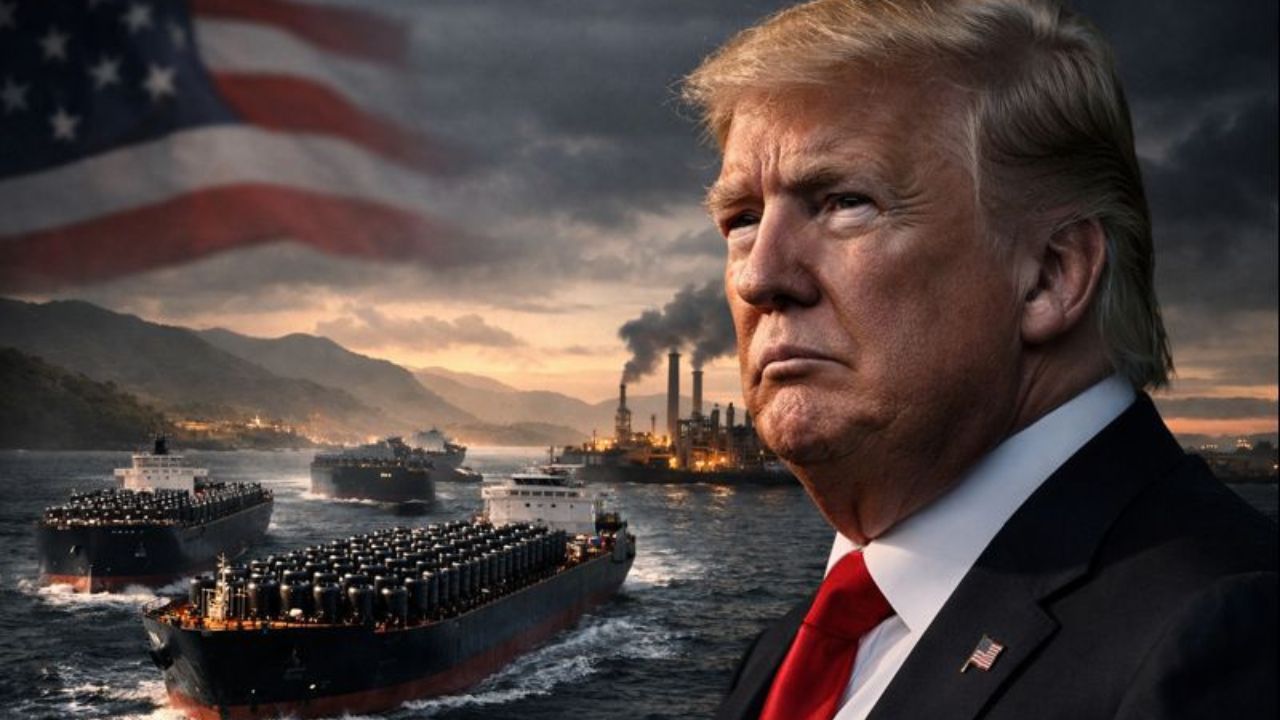
Venezuelan Oil Enters the Geopolitical Game of the U.S. After Trump Announces Shipment of Millions of Barrels and Control of Resources.
The United States government has decided to move forward on a new diplomatic and energy front by confirming, on Tuesday (01/06/2026), that Venezuela will deliver between 30 and 50 million barrels of oil to the country. The announcement was made by Donald Trump, who stated that the agreement was reached after direct discussions with the Venezuelan interim government.
The export will occur immediately, via tankers destined for American refineries, in a move that the former president described as essential to benefit both the U.S. and the Venezuelan people.
The negotiation was revealed just days after the American military operation that resulted in the capture of Nicolás Maduro, an episode that drastically changed the internal balance of power.
-
If the USA were to go to war with Brazil, Washington’s greatest fear would not be the attack itself, but facing a vast territory, prolonged resistance, and a costly, chaotic, and unpredictable occupation.

-
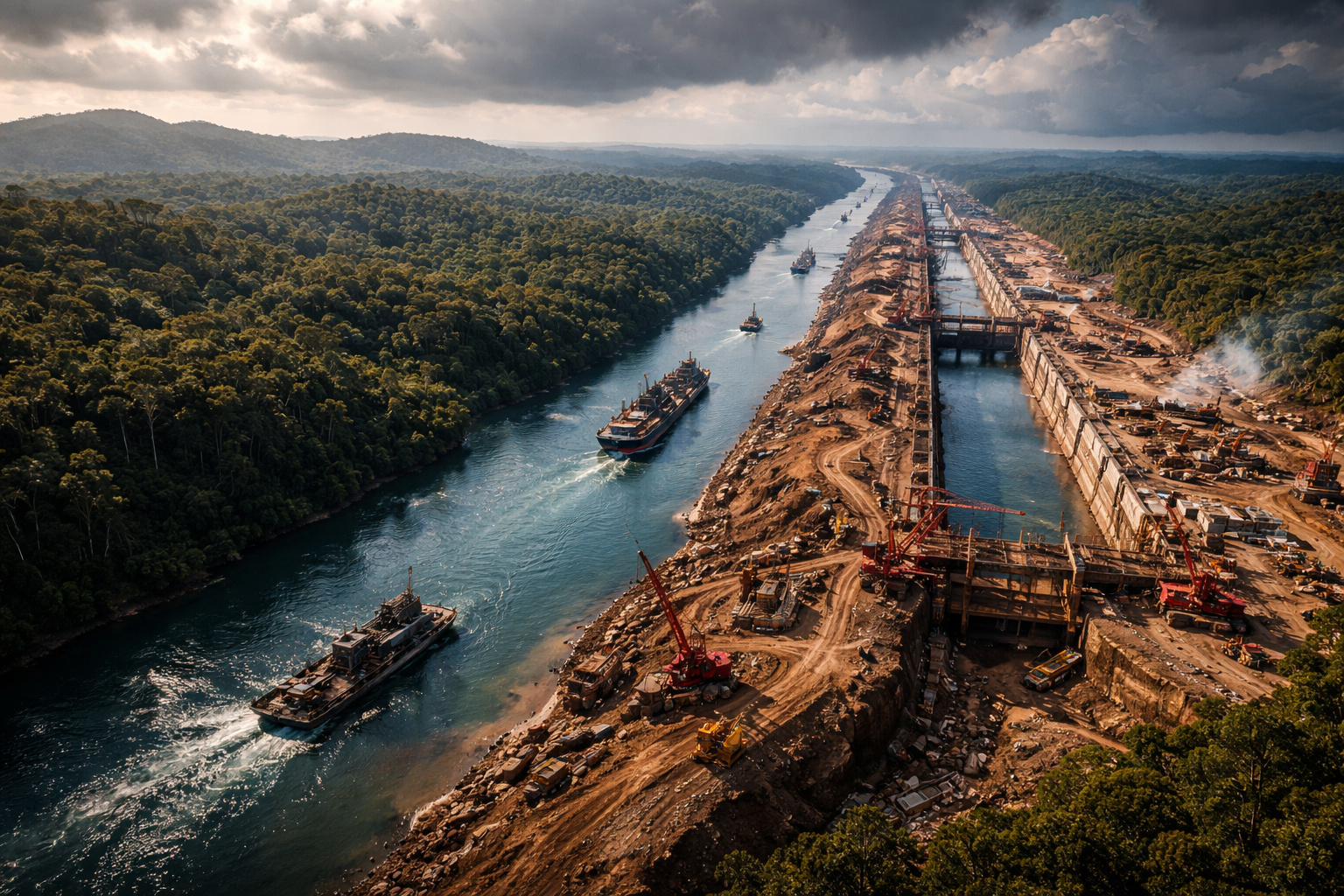
In 2013, Nicaragua sold the concession for a canal to rival Panama to a Chinese billionaire who lost 85% of his fortune, disappeared, and was declared bankrupt. Now the project resurfaces with a new route, a new Chinese partner, and a cost of $64.5 billion.
-
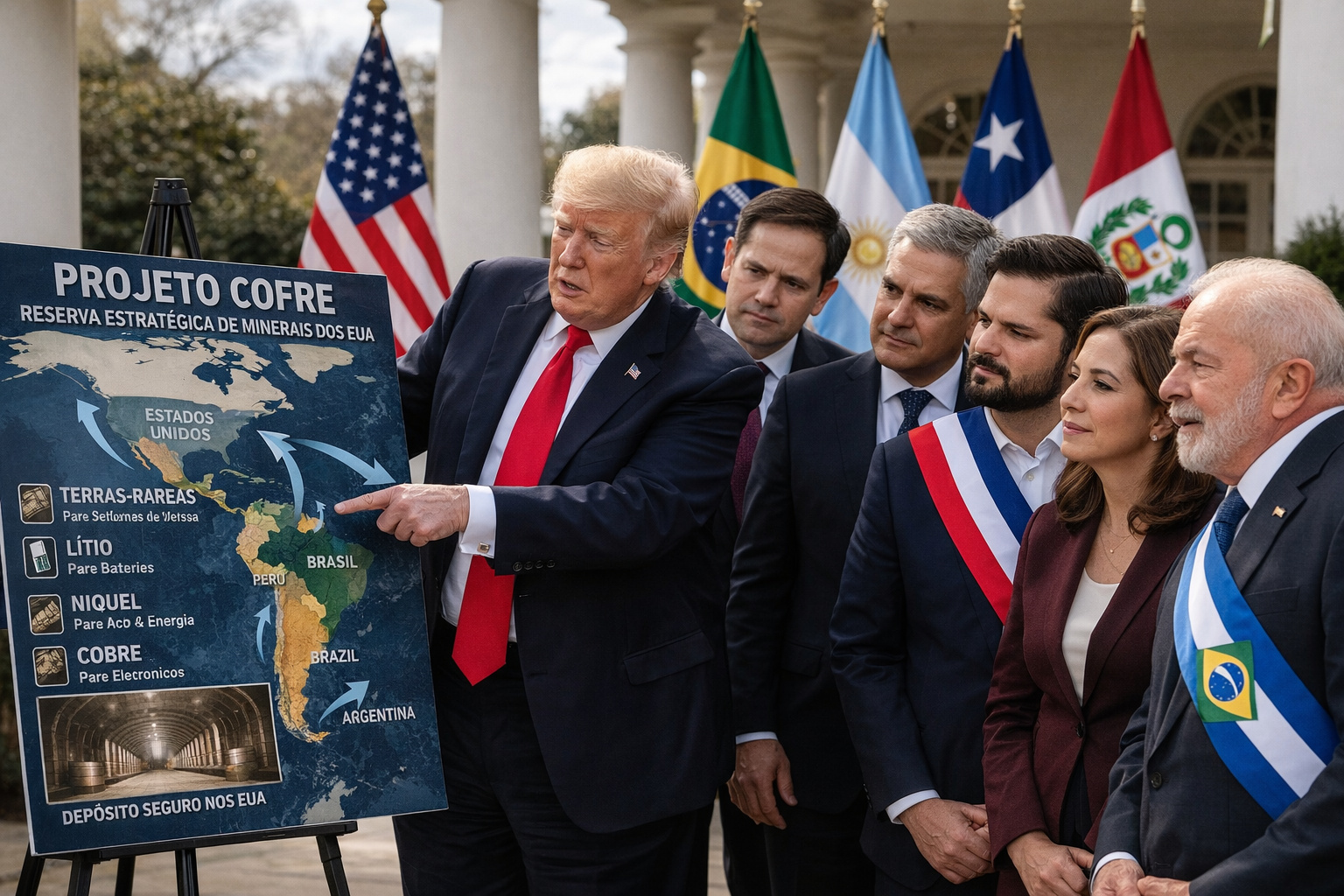
The USA announces a mysterious billion-dollar vault project to store critical minerals, but what intrigues experts is not just the plan itself, but why Latin America, including Brazil, has entered the center of this global dispute against China.
-
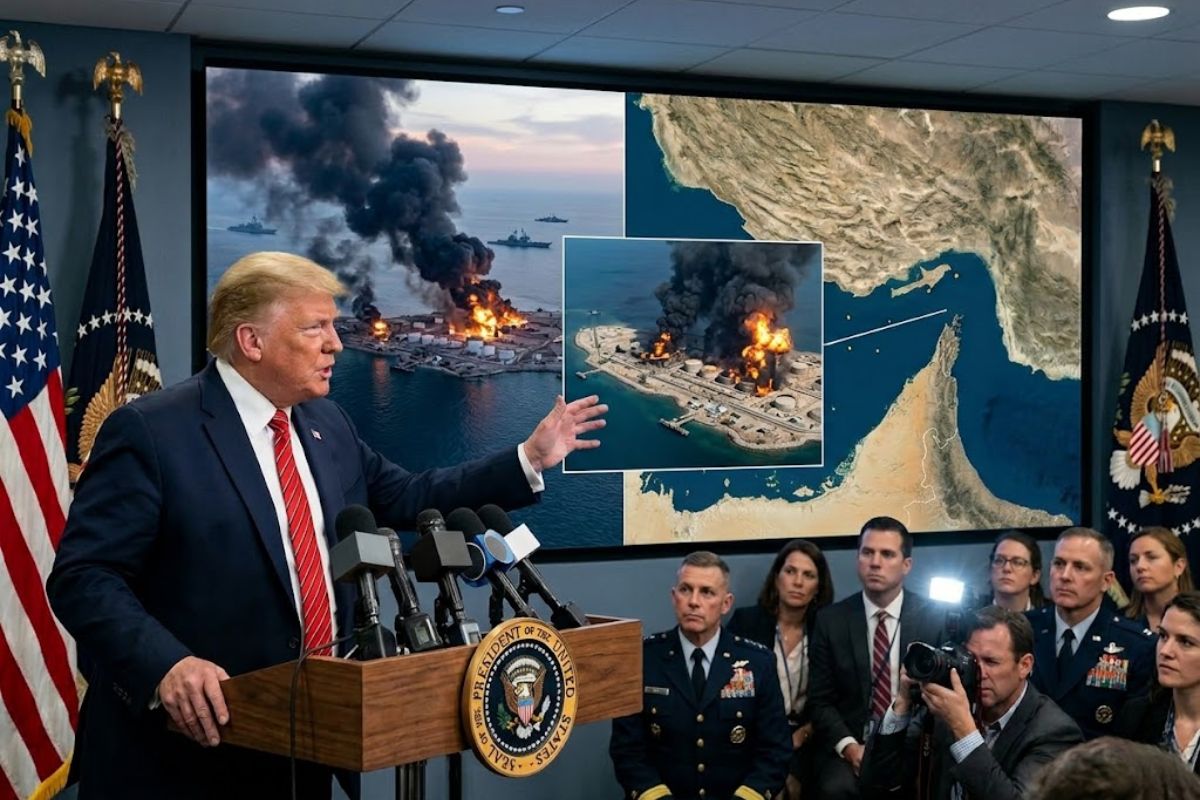
Trump Announces Bombing of U.S. Military Targets on Iranian Island Responsible for About 90% of Iran’s Oil Exports, Warns of Further Attacks if Navigation in Strategic Strait of Hormuz Is Threatened

According to Trump, the oil will be sold at market price and the proceeds from the sale will be managed directly by him to ensure the “proper application of the funds.”
Venezuela Sends Oil to the U.S. After Intervention and Political Agreement
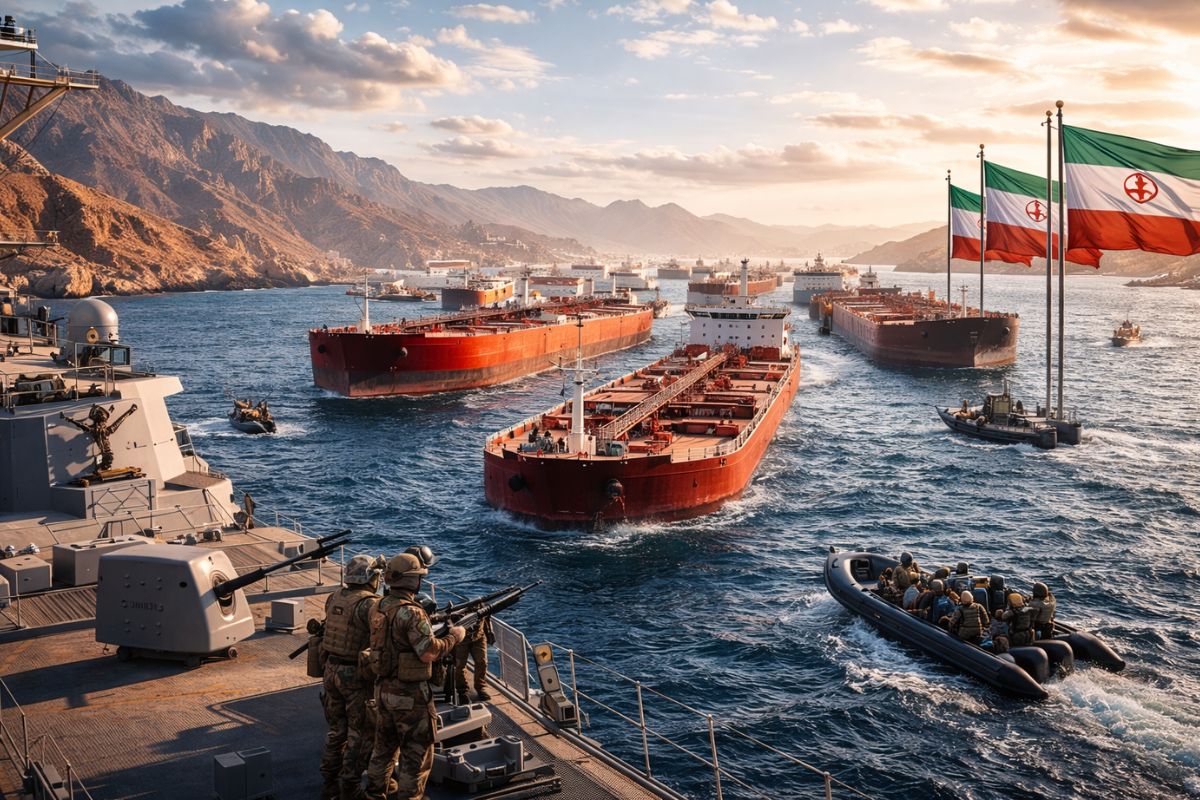
Trump stated that the Venezuelan oil shipment will be transported on storage ships and unloaded directly at terminals located in U.S. territory.
The agreed volume corresponds to almost two months of current Venezuelan production, which is now limited to about 1 million barrels per day.
The announcement comes amid confidential negotiations between American and Venezuelan authorities.
According to sources consulted by Reuters, both countries have been discussing for weeks the release of Venezuelan oil for U.S. refineries, which would redirect shipments originally destined for China.
Why Were Venezuelan Oil Barrels Stopped
Since December, millions of barrels of Venezuelan oil have been stockpiled on ships and tanks, without a defined destination.
The reason was the blockade imposed by the U.S. during the Trump administration, a measure that was part of the diplomatic pressure that culminated in Maduro’s capture.
Thus, the Venezuelan extra-heavy oil remained trapped, hindering the inflow of revenues and exacerbating the economic crisis in the country.
With the downfall of the chavista leader, Trump declared that he intends to open the Venezuelan oil sector to major American companies.
“Our giant oil companies in the U.S., the largest in the world, will come in, spend billions of dollars, fix the oil infrastructure, which is in terrible condition, and begin generating profit for the country,” he stated.
U.S. Seeks to Regain Access to Venezuelan Heavy Oil
The refineries located in the Gulf Coast specialize in processing the heavy oil from Venezuela, which explains American interest in normalizing commercial flows. Before the sanctions, the U.S. imported about 500,000 barrels per day.
The resumption of these shipments, therefore, marks a strategic repositioning in the international energy market.
Despite having the largest oil reserves in the world, estimated at around 303 billion barrels according to the Energy Information Administration (EIA), Venezuela operates far below its potential.
The deterioration of infrastructure, combined with financing restrictions and international sanctions, has resulted in decades of productive decline.
Venezuelan Production Has Shrunk and Still Depends on High Investments
A Statistical Review of World Energy shows that Venezuelan production fell from 3.7 million barrels per day in 1970 to just 665,000 barrels in 2021.
Last year, there was a slight recovery, to about 1 million barrels per day, still less than 1% of global production.
Analysts warn that, even with U.S. support, raising production will require time and capital-intensive efforts. Arne Lohmann Rasmussen of Global Risk Management emphasizes that recovering productive capacity “will not be a quick process” and may take years until consistent results appear.
Venezuela Between Huge Potential and Limited Reality
Although it has reserves greater than those of Saudi Arabia and Iran, much of Venezuela’s oil is extra-heavy and requires advanced extraction technologies.
In practice, the combination of poor infrastructure, diplomatic isolation, and political instability has imposed severe barriers to harnessing this potential.
Now, with the prospect of sending barrels of oil to the U.S. and a greater opening to the international market, Venezuela begins a new chapter in its relationship with Washington.
However, the real impact of this rapprochement will depend on the country’s ability to rebuild its oil sector and transform its vast reserves into a sustainable source of economic recovery.









Seja o primeiro a reagir!