





 Portuguese
  English
  Spanish
  4 min of reading
  0 comments


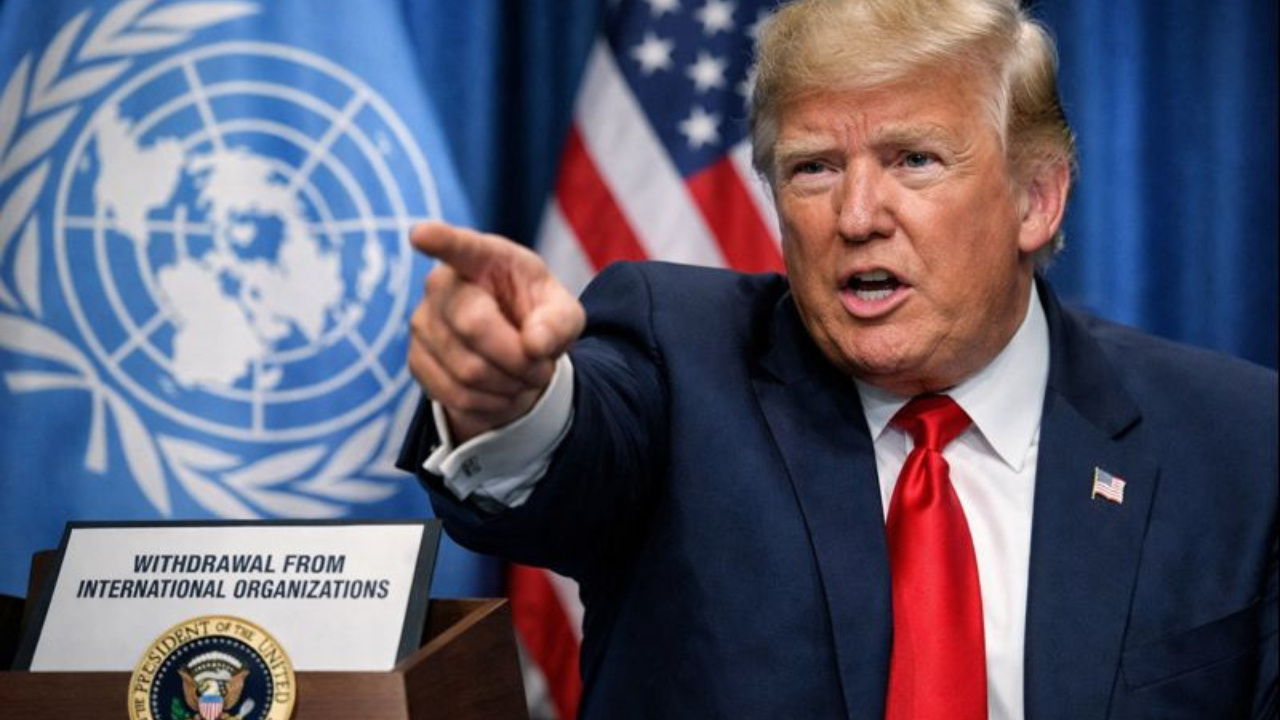
Withdrawal of the US From the UN Leads Donald Trump to Promote Cuts in UN Agencies and Review US International Action.
The withdrawal of the US from the UN gained a new chapter this Wednesday (7)
When President Donald Trump signed an official proclamation determining the exit of the United States from 35 international organizations outside the United Nations system and 31 entities directly linked to the UN, according to a statement released by the White House.
The decision comes in Washington, takes immediate effect, and reflects, according to the US government, the need to align international commitments with the “national interests of the US.”
-
If the USA were to go to war with Brazil, Washington’s greatest fear would not be the attack itself, but facing a vast territory, prolonged resistance, and a costly, chaotic, and unpredictable occupation.

-
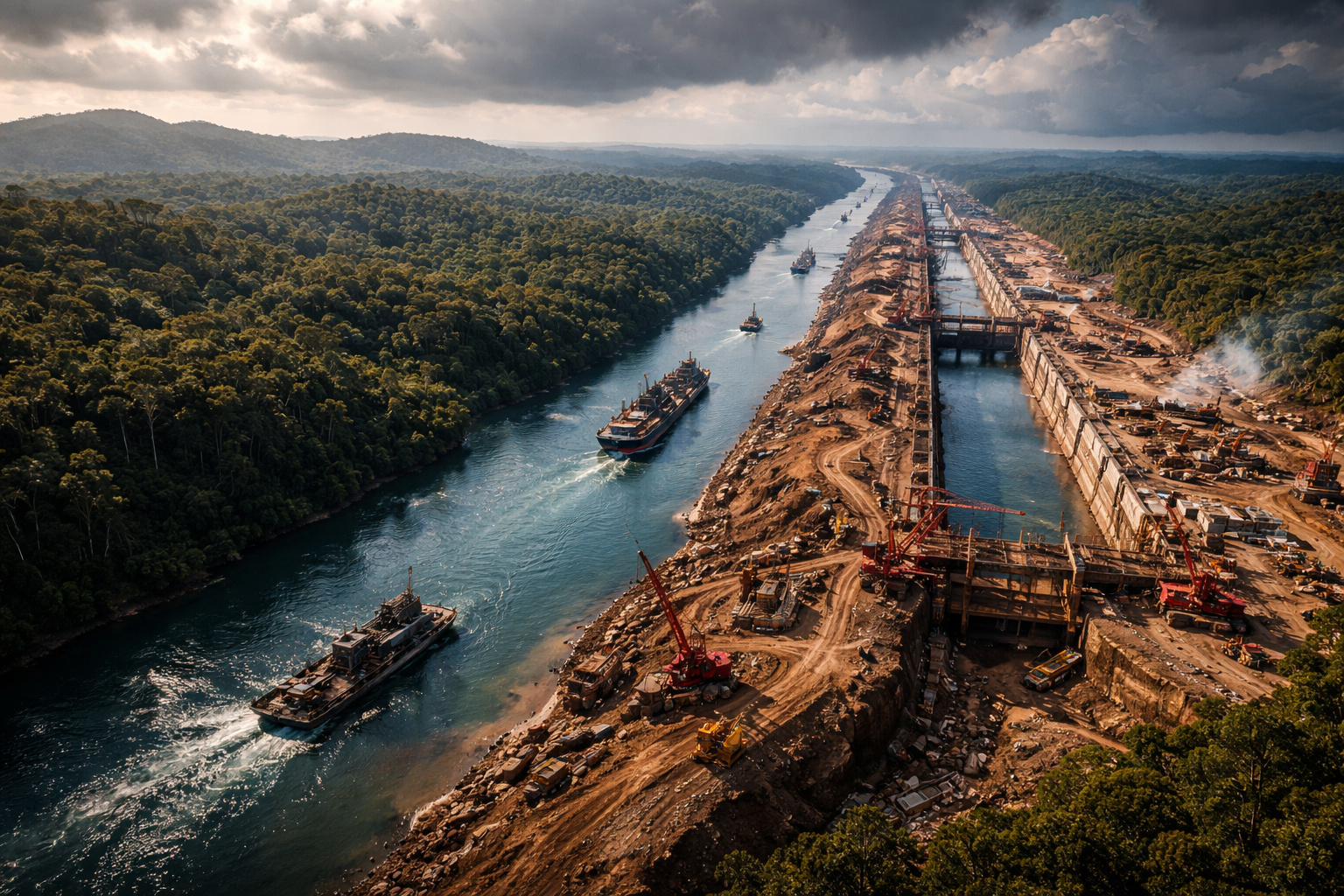
In 2013, Nicaragua sold the concession for a canal to rival Panama to a Chinese billionaire who lost 85% of his fortune, disappeared, and was declared bankrupt. Now the project resurfaces with a new route, a new Chinese partner, and a cost of $64.5 billion.
-
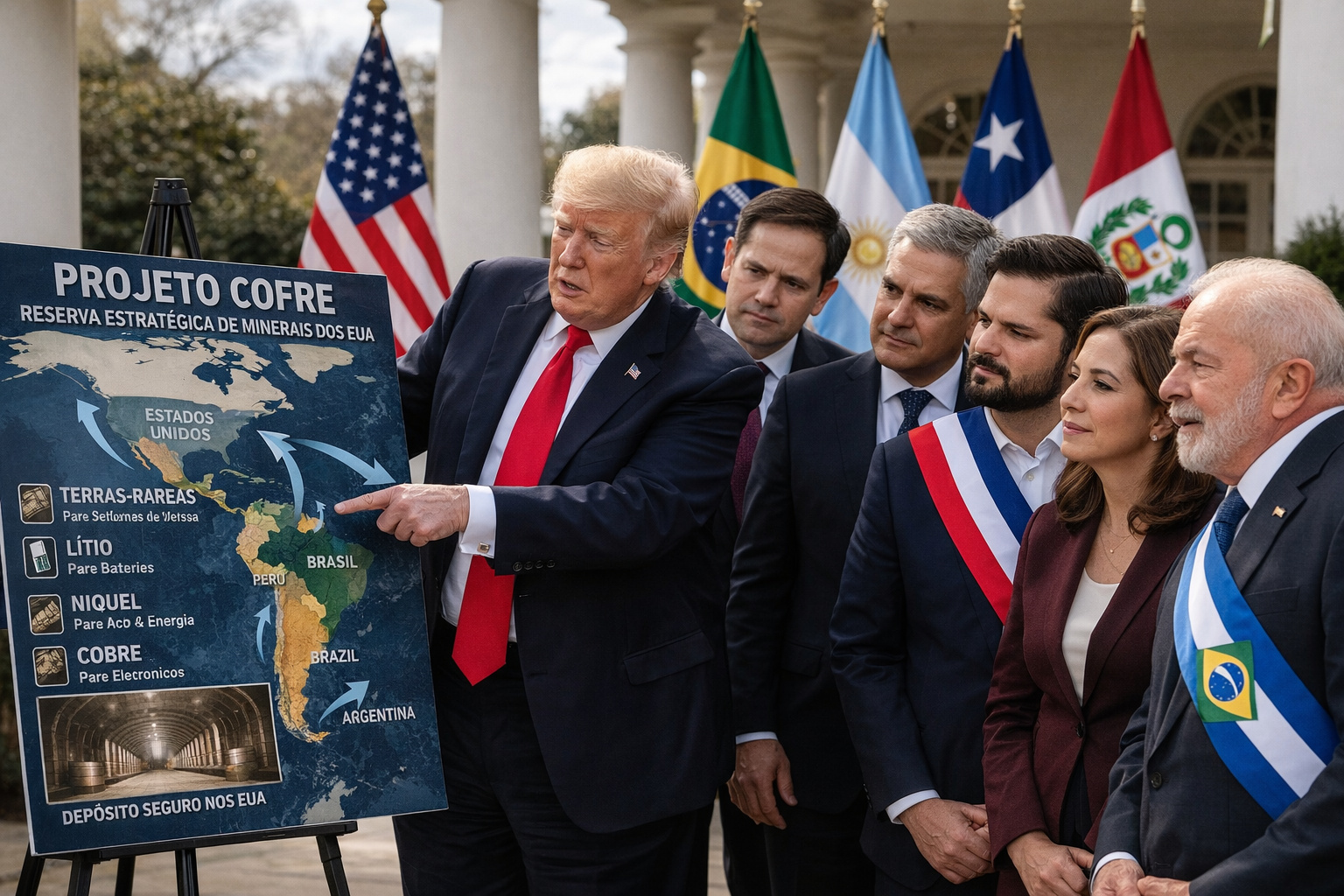
The USA announces a mysterious billion-dollar vault project to store critical minerals, but what intrigues experts is not just the plan itself, but why Latin America, including Brazil, has entered the center of this global dispute against China.
-
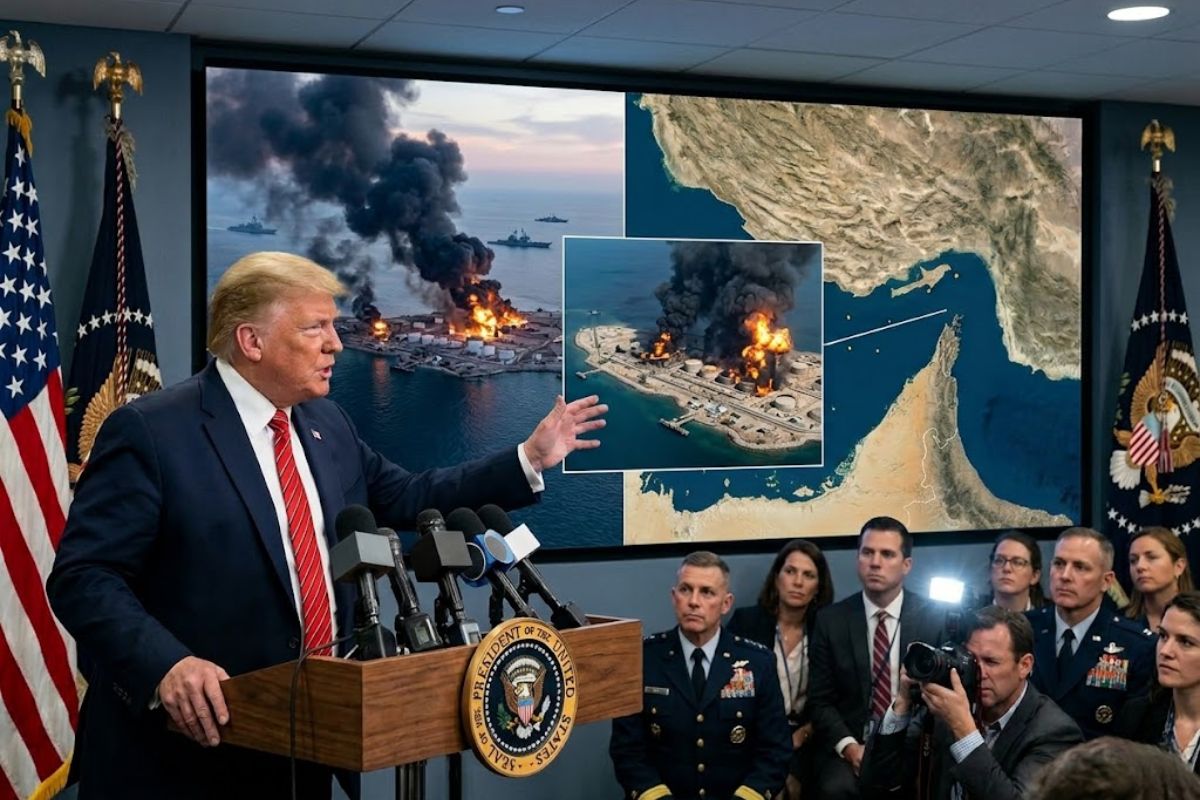
Trump Announces Bombing of U.S. Military Targets on Iranian Island Responsible for About 90% of Iran’s Oil Exports, Warns of Further Attacks if Navigation in Strategic Strait of Hormuz Is Threatened

According to the Republican administration, the government adopted the measure because these organizations operate contrary to the interests of the United States.
In practice, the decision reinforces Donald Trump’s foreign policy, marked by a stricter, selective, and critical stance on US international multilateralism, especially in forums related to climate, human rights, and diversity.
Anti-Woke Agenda Guides Cuts in UN Agencies
The majority of cuts in UN agencies target agencies, panels, and commissions associated with environmental, labor, and social themes.
The Trump administration classifies these initiatives as aligned with diversity agendas and the so-called “woke agenda,” rejected by the current administration.
Among the affected organizations are the United Nations Entity for Gender Equality and the Empowerment of Women
The United Nations Framework Convention on Climate Change (UNFCCC), the United Nations Conference on Trade and Development (UNCTAD), and the Intergovernmental Panel on Climate Change (IPCC).
These institutions play a central role in global policy formulation, especially in areas sensitive to internal American political debate.
Selective Strategy Changes US Relation With the UN
Additionally, the US government has begun adopting a selective model in international funding.
Instead of maintaining broad contributions, Washington now chooses which operations it considers compatible with the Trump administration’s anti-woke agenda and which will no longer receive financial support.
According to analysts, this stance breaks with decades of diplomatic practice. “I think what we are seeing is the crystallization of the US approach to multilateralism, which is ‘my way or the highway’,” said Daniel Forti, a senior analyst at the UN at the International Crisis Group.
“It is a very clear vision of wanting international cooperation on Washington’s terms.”
Direct Impacts on Programs and Humanitarian Aid
As a direct consequence of the US withdrawal from the UN, the organization itself and partnering entities have been forced to accelerate internal restructuring processes.
Staff cuts, program suspensions, and project reductions have become frequent in recent months.
Additionally, several non-governmental organizations have reported the termination of initiatives funded by American resources following a drastic cut in external aid via USAID, an agency shut down during Trump’s new term.
The impact is especially felt in developing countries that rely on these resources for humanitarian and environmental actions.
History of Clashing With International Multilateralism
This is not the first time Donald Trump’s foreign policy has distanced itself from multilateral organizations.
During his first term, from 2017 to 2021, the president had already withdrawn the US from several global institutions.
In July 2020, at the peak of the pandemic, Trump announced the country’s exit from the World Health Organization and accused the entity of being pressured by China and providing misleading information about Covid-19.
At the time, he stated: “The world is suffering now as a result of the Chinese government’s wrongdoing.”
Extensive List Reinforces Break With Multilateralism
The list released by the White House includes everything from renewable energy and biodiversity forums to bodies linked to international justice, democracy, culture, and trade.
Among them are the International Renewable Energy Agency, the International Union for Conservation of Nature, the Global Forum on Migration and Development, and various commissions of the UN Economic and Social Council (ECOSOC).
Together, the decision highlights a structural change in how the United States relates to the international system.
Washington begins to condition US international multilateralism on political, ideological, and strategic alignment.
Global Consequences of US Withdrawal From the UN
Experts believe that the US withdrawal from the UN could weaken global coordination capacity in areas such as climate, trade, health, and human rights.
On the other hand, the White House argues that the measure strengthens American sovereignty and reduces considered inefficient spending.
Meanwhile, the international community closely monitors the developments of this policy, which is likely to influence multilateral negotiations and the balance of power in global organizations in the coming years.






Seja o primeiro a reagir!