





 Portuguese
  English
  Spanish
  5 min of reading
  0 comments


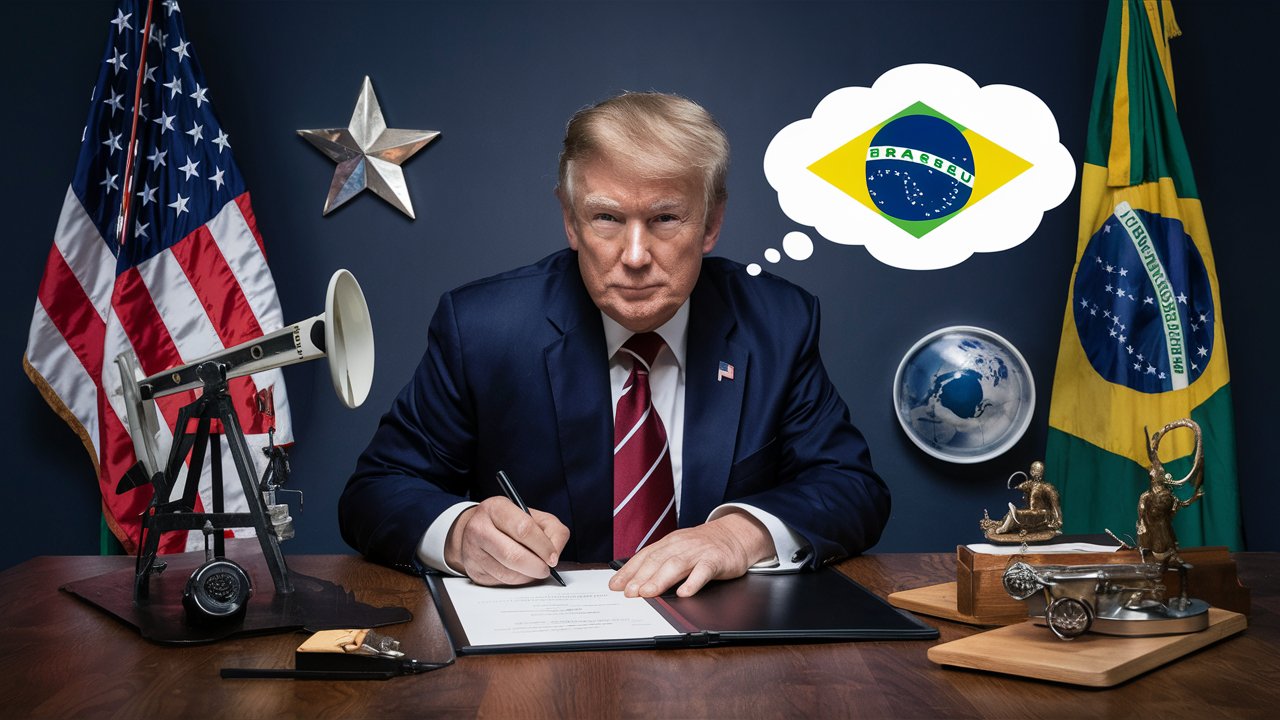
Understand How Trump’s Energy Policies Impact Brazil and the Global Market, Creating New Opportunities and Challenges for the Oil, Gas, and Renewable Energies Sector.
In 2020, the COVID-19 pandemic directly impacted the oil market, with the fall in oil prices, which fell below US$ 20. This reduction, combined with Trump’s policies prioritizing the expansion of domestic oil production, created a situation where Brazil could benefit from cheaper diesel while simultaneously facing a decrease in crude oil exports.
Giorgio Romano Schutte, a professor at UFABC, notes that, in 2020, Brazil faced a paradox: “low prices benefit consumers but hurt exports.” According to the specialist, fluctuations in future oil prices have been a crucial factor in energy policy analysis. Saudi Arabia, for example, influenced OPEC to adopt a stance of production cuts, which contributed to a slight increase in prices in 2021.
This movement has been closely monitored by the Brazilian government, which, in 2021, encouraged the increase of investments from companies like ExxonMobil and Chevron, with greater interest in the national oil market due to the political stability and production opportunities in the pre-salt region.
-
If the USA were to go to war with Brazil, Washington’s greatest fear would not be the attack itself, but facing a vast territory, prolonged resistance, and a costly, chaotic, and unpredictable occupation.

-
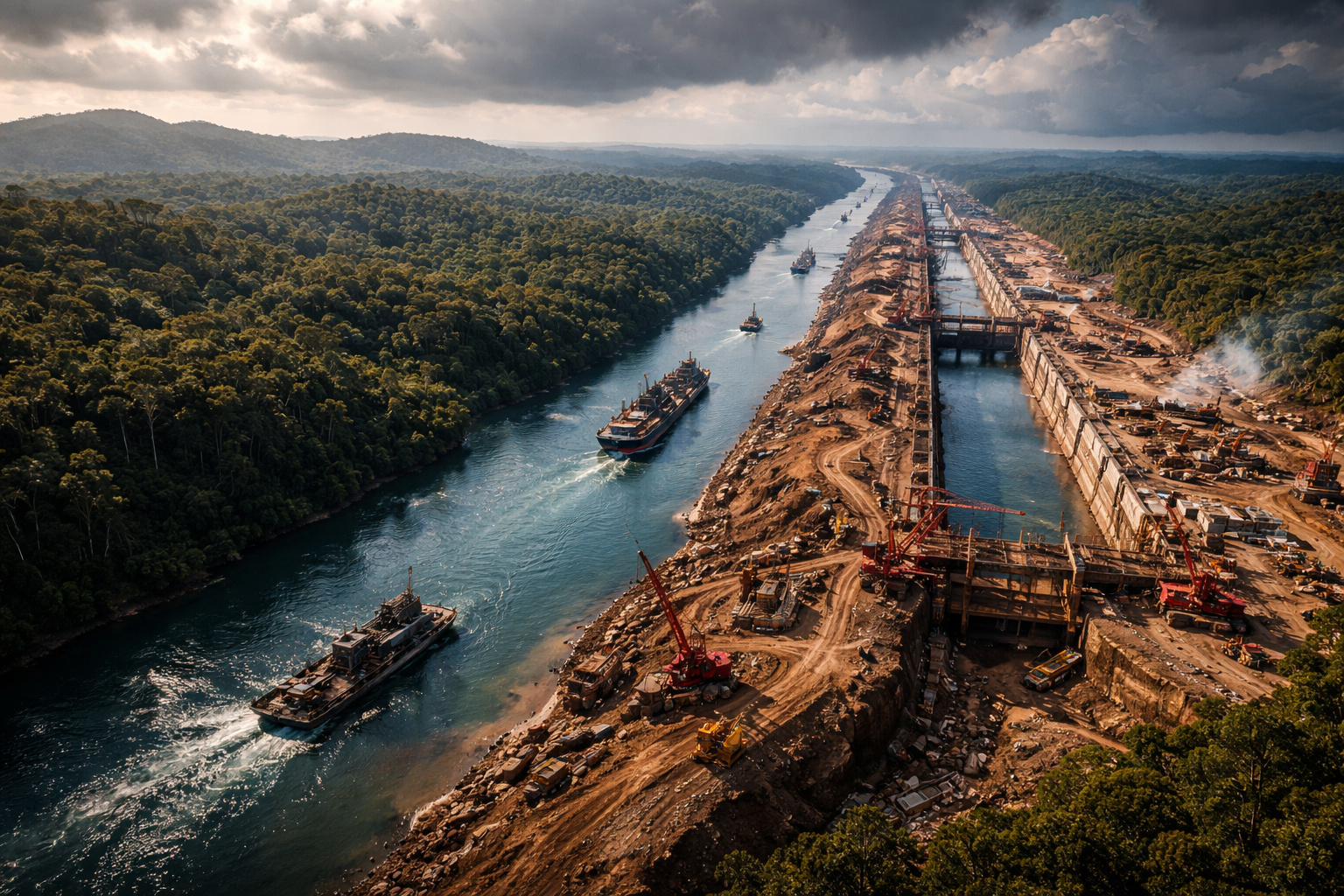
In 2013, Nicaragua sold the concession for a canal to rival Panama to a Chinese billionaire who lost 85% of his fortune, disappeared, and was declared bankrupt. Now the project resurfaces with a new route, a new Chinese partner, and a cost of $64.5 billion.
-
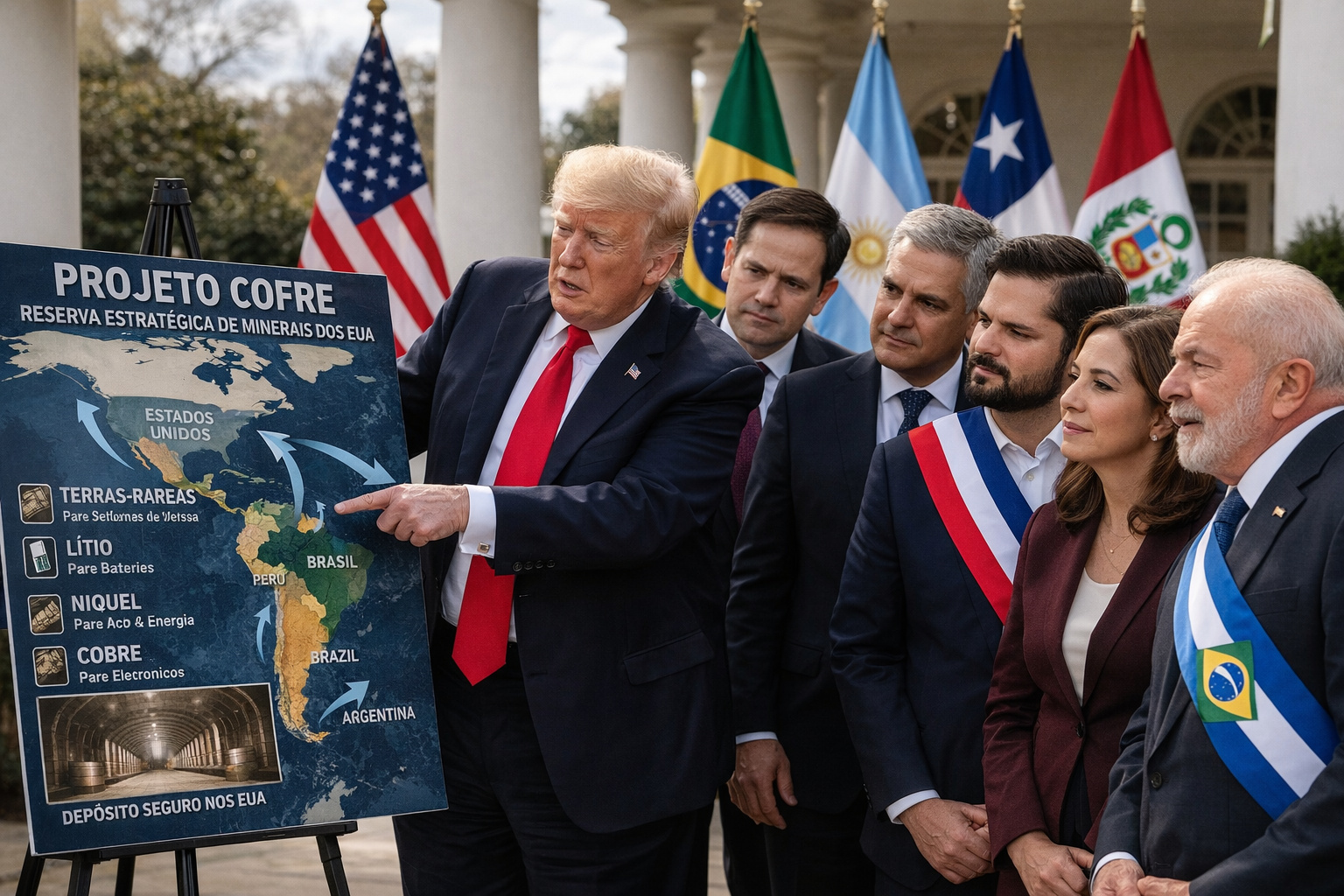
The USA announces a mysterious billion-dollar vault project to store critical minerals, but what intrigues experts is not just the plan itself, but why Latin America, including Brazil, has entered the center of this global dispute against China.
-
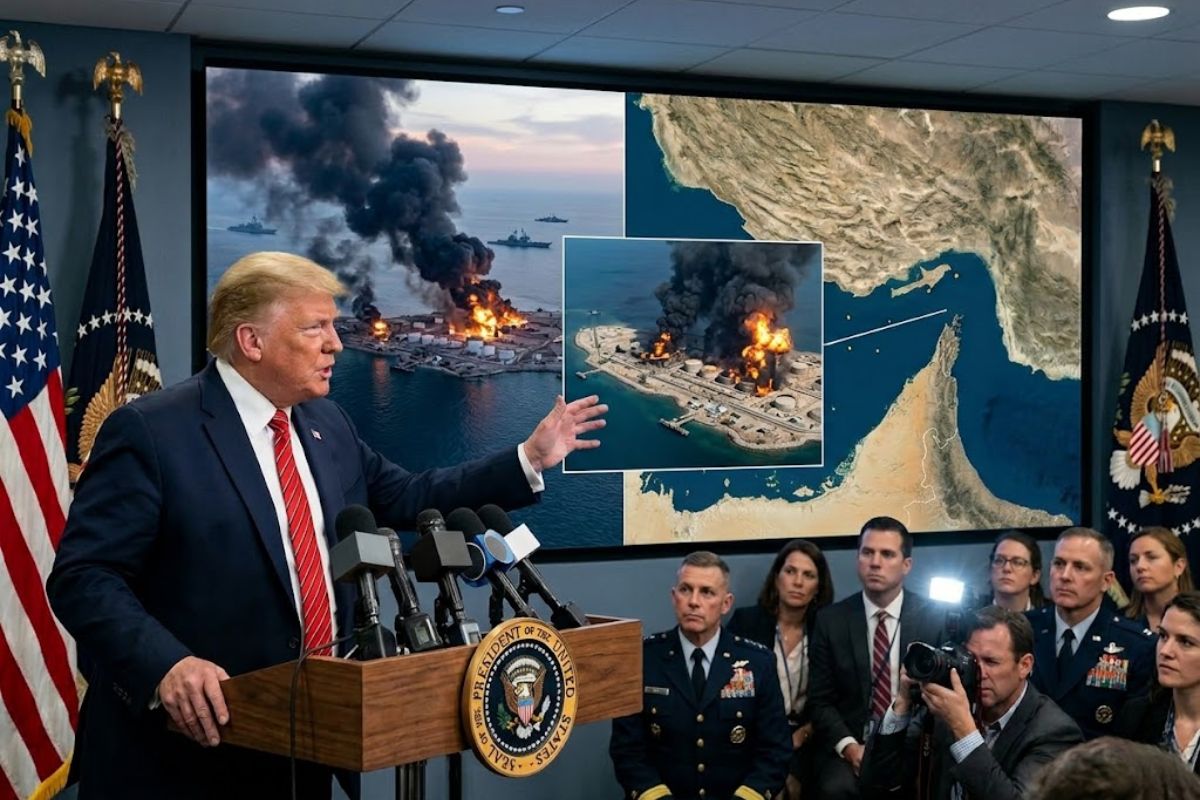
Trump Announces Bombing of U.S. Military Targets on Iranian Island Responsible for About 90% of Iran’s Oil Exports, Warns of Further Attacks if Navigation in Strategic Strait of Hormuz Is Threatened

Natural Gas and Biofuels: New Horizons
In 2020, the liquefied natural gas (LNG) market also underwent a reconfiguration, with the U.S., under Trump, expanding its exports to Europe. For Brazil, this scenario presents an opportunity to strengthen its position in the biofuels market, especially since the country already has a solid infrastructure for ethanol and biodiesel production.
Luis Eduardo Duque, a professor at UFRJ, emphasizes that Brazil is well positioned to seize the opportunities created by the growing demand for biofuels and natural gas. In 2021, the country could expand its LNG supply, benefiting from a possible decline in international prices and Europe’s need for alternative energy sources.
Moreover, Brazil should focus on technological innovation and strategic partnerships, such as with China and the European Union, which have already shown interest in investing in Brazilian renewable energy sectors. According to Antonio da Rocha, a professor at UnB, this also represents a chance for diversification of energy sources in Brazil.
Refineries and Energy Independence
Since 2020, energy independence has become a central goal for the governments of countries like the U.S. Trump’s policy prioritized increasing domestic oil production and reducing external dependence, highlighting the expansion of refineries.
Antonio da Rocha, a professor at UnB, warns that for Brazil, strengthening its refining capacity is a fundamental step to avoid fluctuations in the diesel market. He notes that while Brazil continues to depend on Russian diesel, internal production needs to be expanded to ensure energy security and economic stability.
With the expansion of refineries in the U.S., Brazil could eventually benefit from a more competitive scenario. However, the country must balance its production and fuel imports, particularly to avoid exporting at the volatile prices of the global market. Therefore, domestic diesel production must be viewed as a priority.
Renewable Energies: A Strategic Opportunity
In 2020, Trump made a decision that directly impacted the renewable energy market: the suspension of new wind and solar energy projects in the U.S. This opened a window of opportunities for Brazil, which has a growing and highly competitive solar and wind energy infrastructure.
According to Antonio da Rocha, Brazil must actively work on international investments, especially from China and the European Union, which seek to expand their clean energy sources. Giorgio Romano Schutte, a professor at UFABC, sees a great opportunity for Brazil to become a global leader in the renewable energy sector. He highlights that the combination of competitive prices and the abundance of natural resources in Brazil places the country in a privileged position.
Additionally, Brazil already has a solid biofuels production base, which can be an important differentiator. Luís Eduardo Duque, a specialist at UFRJ, reminds that the country has already invested heavily in biodiesel and ethanol, sectors that Trump considers a priority for the U.S.
Energy Nationalism and Its Implications
In 2020 and 2021, Trump introduced a policy of “energy nationalism” to make the U.S. self-sufficient in oil and gas. His policy of increasing domestic oil production and suspending new renewable projects had global repercussions.
Experts point out that while Trump strengthened the U.S. in the fossil fuel market, the advancement of renewable energy is irreversible, especially in Europe and China. Giorgio Romano Schutte asserts that Brazil has a unique opportunity to leverage its competitiveness in clean energy while the U.S. focuses on fossil fuels.
At the same time, the decision to suspend wind and solar projects may also accelerate the energy transition in other countries, which will seek cleaner and more efficient alternatives. Antonio da Rocha warns of the need for Brazil to act quickly to seize this opening in the global market.
Global Impacts and Brazil’s Role
The energy market is undoubtedly influenced by multiple factors. OPEC, conflicts in the Middle East, and climate change directly affect oil prices and the availability of energy sources.
In this scenario, Brazil has a unique opportunity to establish itself as a global leader in sustainable energy. By investing in infrastructure and technology, the country can diversify its energy sources, aligning economic growth with environmental sustainability.
The decisions of Donald Trump in the energy sector have created a landscape filled with challenges and opportunities for Brazil. From the fall in oil prices to the expansion of investments in renewable energies, the country must adopt a robust and adaptable strategy.
If well leveraged, these opportunities can solidify Brazil as a global player in the energy market. Furthermore, they represent a unique chance to balance economic growth and environmental sustainability.
Therefore, it is up to Brazil to make strategic decisions that ensure a promising and, at the same time, sustainable energy future.










Seja o primeiro a reagir!