





 Portuguese
  English
  Spanish
  5 min of reading
  0 comments


The Trump Administration Announces Plan to Expand Oil Drilling in the Arctic and on the West Coast of the US, Generating Alerts Among Experts and Increasing Environmental Tensions in the United States
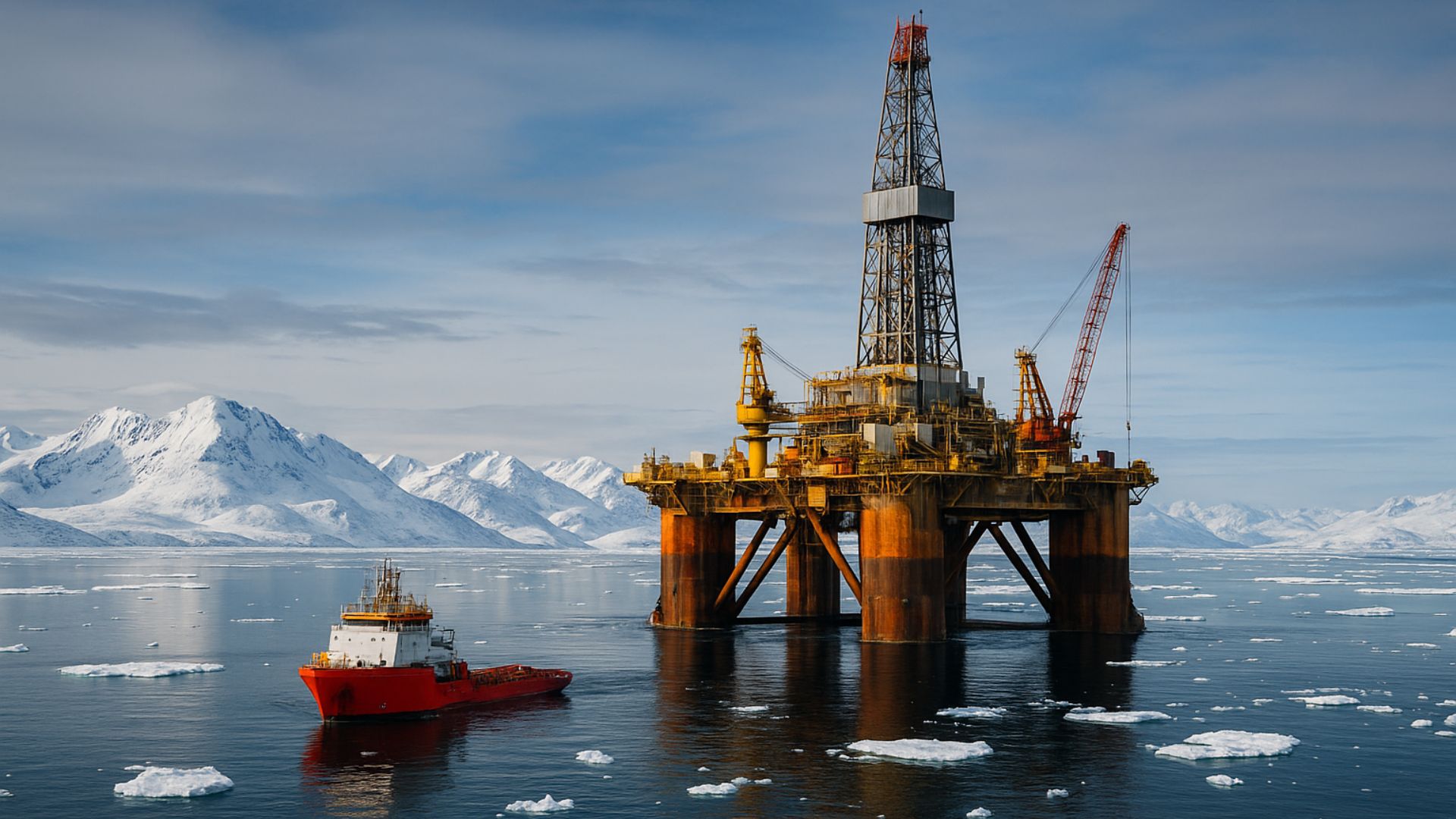
On November 20, 2025, the administration of Donald Trump presented a broad plan to expand oil drilling in the Arctic and along the west coast of the US, reigniting a heated environmental debate. The proposal, announced by the Department of the Interior, reopens previously protected areas and expands fossil fuel exploration in federal waters, provoking a strong reaction from environmentalists, indigenous communities, researchers, and state politicians.
Trump’s Energy Plan and Expansion in the United States
Right at the announcement, the government emphasized that the central objective is to strengthen energy security, create jobs, and increase public revenues. However, experts warn that the measures may intensify the impacts of climate change, threaten sensitive ecosystems, and jeopardize economic activities dependent on coastal areas.
The proposal is part of the Trump administration’s agenda of “energy dominance,” which seeks to reposition the United States as a leading producer of oil and gas. The plan includes 34 lease sales over the next several decades, covering coastal regions of California, sensitive areas in Alaska, and portions of the Arctic Ocean.
-
Offshore industrial demand in Macaé skyrockets with the recovery of oil and gas and could grow by up to 396% by 2026 in the Campos Basin.
-
Offshore industrial demand in Macaé surges with the recovery of oil and gas and could grow by up to 396% by 2026 in the Campos Basin.
-
Brazilian giant expands borders in the Southeast: Petrobras confirms new oil discovery in ultra-deep waters in the pre-salt of the Campos Basin.

-
Alert in the global energy market: Severe tropical cyclone hits the coast and disrupts gas production at major plants in Australia, threatening global supply.


According to official documents, the government aims to:
- Open six lease sales for oil exploration off the coast of California between 2027 and 2030.
- Conduct more than 20 lease sales in the Alaska region, including areas in the High Arctic, an area considered critical for local species and traditional communities.
- Make an estimated total of 1.27 billion acres of federal waters available for exploration.
For the Department of the Interior, the measure would boost revenue and reduce external energy dependence. However, environmental institutions argue that the economic gains do not outweigh the projected damage to the climate and biodiversity.
Environmental and Political Reactions to the Advancement of Oil Drilling in the Arctic
Organizations such as Earthjustice stated that the plan poses an “extraordinary threat” to the Arctic. Preliminary studies cited by the organization indicate that the sum of the new operations could generate millions of tons of CO₂ over the next decades. This volume heightens the concerns of experts who warn of the need to reduce global emissions to meet international climate commitments.
In addition to climate impacts, there are direct risks to:
- Polar bear, seal, and migratory bird habitats;
- Regions used by Alaskan communities for subsistence hunting;
- Areas considered essential for endangered species and for local ecological balance.
State politicians also reacted. California Governor Gavin Newsom deeply criticized the project, stating that drilling “has no place in the sustainable future of the west coast.” He asserted that the state is prepared to legally contest any advancement of the proposal near the California coast.
The United States and the Legal Dispute: Pressures from Environmentalists and Political Leaders
The expansion of maritime exploration immediately generated legal and political movements opposing it. Democratic senators formally requested that the government halt the plan, arguing that the measure increases the risk of spills in densely populated coastal regions that are economically dependent on tourism and fishing.
Experts remind us that a single large-scale spill could impact:
- Marine reserves;
- Fishing activities;
- Local economies dependent on ecotourism;
- The health of coastal communities.
Several entities are already preparing legal actions claiming that the government violated environmental standards by proceeding with opening areas considered ecologically fragile without adequate impact assessments.
Trump’s Initiative: Technical Detail of the Drilling Plan in the Arctic
According to the documents released, Trump’s plan reverses protections applied by previous administrations. These reversals include:
- Relaxation of protections in the Arctic National Wildlife Refuge (ANWR).
- Permission for exploration in “special areas” of the National Petroleum Reserve in Alaska (NPRA), previously safeguarded due to their ecological significance.
- The opening of public consultation for a new five-year offshore drilling plan.
Analysts say that while public consultation is a mandatory step, the proposal indicates that the government is already prepared to expedite licensing processes.
Climatic and Environmental Risks Associated with the Expansion of Oil in the US
The advancement of drilling in sensitive areas puts the country on a path contrary to international climate commitments. The possible emissions associated with the new operations impact national goals for reducing greenhouse gases and hinder compliance with multilateral agreements aimed at combating climate change.
Additionally, the plan elevates risks such as:
- Increase in accidents involving offshore platforms;
- Irreversible damage to Arctic biodiversity;
- Pressures on migratory species;
- Impacts on indigenous communities that depend on local natural resources.
Researchers emphasize that the Arctic is warming approximately four times faster than the rest of the planet, making any industrial activity in the region even more critical to global climate stability.
Economic and Strategic Arguments Defended by the Trump Administration
The Trump administration justifies the expansion by stating that the new lease sales could:
- Strengthen domestic production;
- Generate thousands of jobs;
- Increase public revenues;
- Reduce internal energy prices.
Allies of the president emphasize that maximizing available energy resources is essential for maintaining economic competitiveness and strengthening the US geopolitical position.
However, experts point out that the projected economic benefits are highly variable and depend on international oil prices, operational costs in extreme regions, and the growing adoption of clean energies in various international markets.
Future Scenario and Challenges of US Energy Policy
The proposal reignites the debate on what the energy path of the US should be in the coming decades. While states like California, New York, and Massachusetts accelerate the energy transition, the federal government seeks to expand fossil exploration, creating a scenario of internal contradiction.
The dispute between economic and environmental interests is likely to intensify:
- Legal conflicts;
- Pressures from international organizations;
- Social mobilizations in defense of the climate;
- Debates in Congress about the role of oil in the country’s energy matrix.
The final decision on leases and licenses will still undergo technical and legal stages, but experts assert that the process tends to be long and marked by intense disputes.
Strategic Impact for the Future of Energy in the United States
The proposed measure marks a decisive point in the US energy debate. The expansion of drilling on the west coast and in the Arctic pits against each other two models for the future: one based on the expansion of fossil fuels and another centered on transitioning to renewable energies.
While the government argues economic gains, the environmental and climatic impact of the initiative may shape the country’s international reputation and influence global mitigation targets. Experts believe that what is at stake is more than resource exploitation: it is about how the United States wants to position itself in the face of the climate crisis and what legacy they wish to build for future generations.









Seja o primeiro a reagir!