





 Portuguese
  English
  Spanish
  5 min of reading
  0 comments


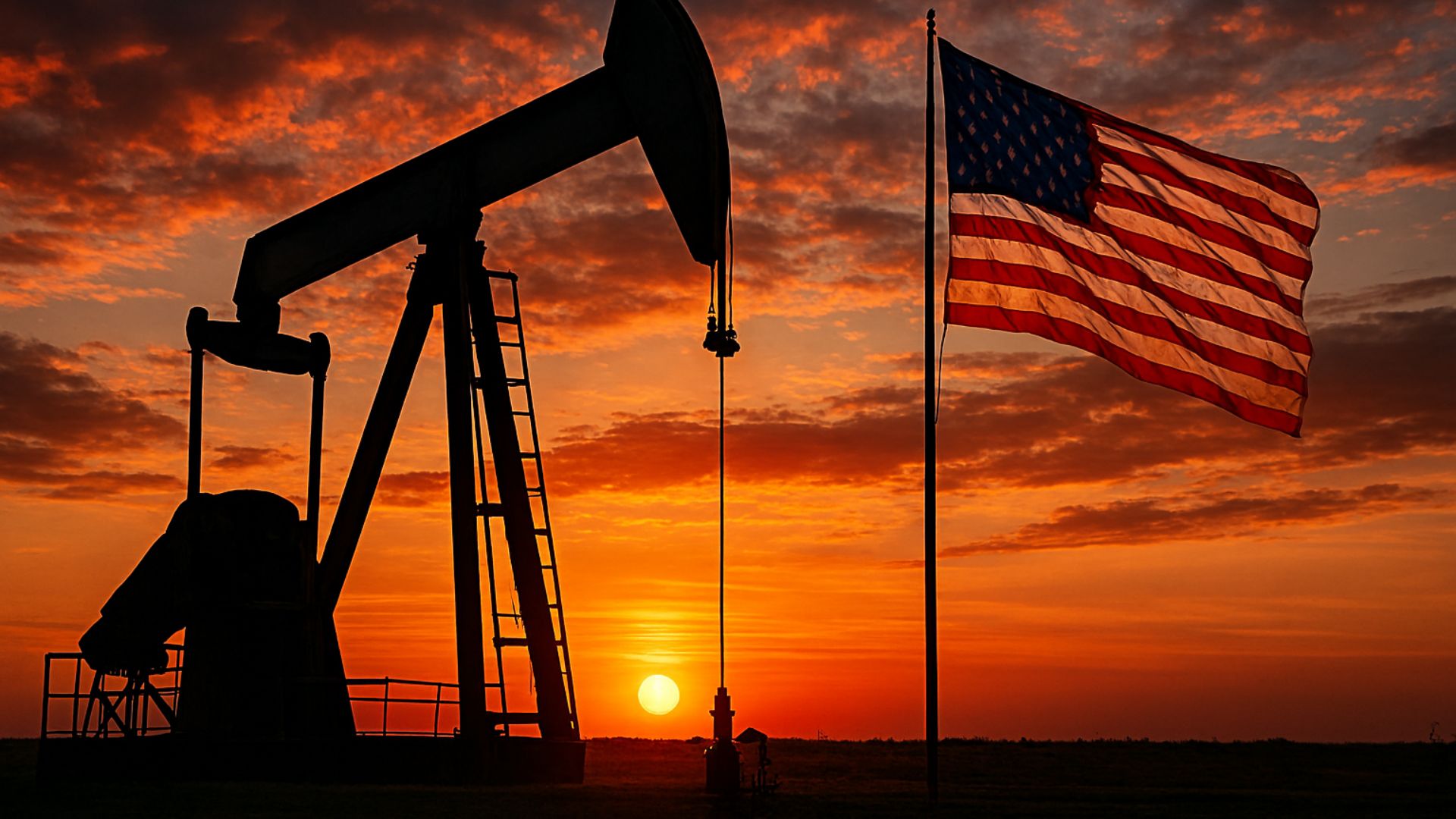
The Trump Administration Resumes Oil Exploration Plans in Florida and California, Reigniting the Environmental and Political Debate in the US and Provoking Immediate Reaction from Experts and Local Authorities
The Trump administration has presented a new energy plan that envisions opening areas in Florida and California for oil exploration after decades of restrictions. The proposal, released by the Department of the Interior of the US, is part of the “energy dominance” strategy adopted by the Trump administration and reignites one of the country’s most polarized debates: the balance between economic development, energy security, and environmental protection. The news was initially detailed by CNN Brasil this Thursday (20).
What Trump’s Plan Proposes for Oil in Florida and California
The Department of the Interior presented a five-year program that includes new lease sales for offshore areas. In California, the proposal includes three large exploration blocks located in the north, central, and southern parts of the state.
The lease sales are planned for 2027 (central and southern) and 2029 (northern). Many coastal areas of California have not had new drilling concessions for decades, with the Santa Barbara disaster (1969) often cited as the starting point for subsequent restrictions.
-
Offshore industrial demand in Macaé skyrockets with the recovery of oil and gas and could grow by up to 396% by 2026 in the Campos Basin.
-
Offshore industrial demand in Macaé surges with the recovery of oil and gas and could grow by up to 396% by 2026 in the Campos Basin.
-
Brazilian giant expands borders in the Southeast: Petrobras confirms new oil discovery in ultra-deep waters in the pre-salt of the Campos Basin.

-
Alert in the global energy market: Severe tropical cyclone hits the coast and disrupts gas production at major plants in Australia, threatening global supply.


In Florida, the government plans to allow drilling in the eastern Gulf of Mexico, about 161 km from the coast. The area has remained off-limits for years due to strong local political resistance, from both Democrats and Republicans—especially following the Deepwater Horizon spill in 2010.
The Department of the Interior argues that opening these areas could strengthen national energy security. According to the federal government, increased domestic production could reduce external dependence and enhance the country’s competitiveness in the global market.
Understand the Political Context in the US
The proposal emerges at a time of reconfiguration of energy policies. After four years of more restrictive policies under the Biden administration, Trump’s new plan represents a significant shift.
By advocating for offshore exploration, Trump reignites an issue strongly criticized by traditionally Democratic states—especially California, which has positioned itself as a national leader in sustainability.
Democrats argue that the measure could jeopardize climate goals, while Republicans see the proposal as an opportunity to strengthen the energy market. This impasse places the US once again in a dispute over the role of fossil fuels in the contemporary economy.
California Reaction: Resistance to the Oil Plan
California, one of the most environmentally strict states in the country, reacted immediately. State leaders stated that they will use all available legal mechanisms to block the plan. The state already has a history of disputes against federal governments on environmental issues and promises to take the case to court if the proposal advances.
Senator Alex Padilla and Representative Jared Huffman publicly criticized the decision. They labeled the project as “aggressive” and claim that the federal government is trying to impose drilling against the will of Californians.
The California coast also carries scars from the 1969 oil spill, which killed thousands of animals and motivated the creation of robust environmental laws. This episode is often cited as a symbol of the inherent risks of offshore exploration.
Florida Also Reacts to the Oil Plan
Although it is a state with a strong conservative base, Florida also shows significant resistance to opening for drilling. The primary concern is the potential impact on tourism, a sector that generates billions annually.
The Deepwater Horizon disaster, which impacted several Gulf of Mexico beaches, remains in the collective memory of Floridians. For this reason, even Republican leaders express concern over environmental and economic risks.
Public surveys over the years show that a large portion of Florida residents oppose offshore drilling. The trend is likely to continue, especially among coastal communities.
Environmental Risks of Oil Expansion in the US
Offshore exploration raises various environmental alerts. Among the main risks, experts highlight:
- Possibility of New Spills: both Florida and California have a history of environmental disasters linked to oil.
- Impacts on Marine Life: whales, dolphins, birds, and reefs may be affected by exploration and oil transport.
- Effects on Tourism: contaminated beaches result in fewer visitors and economic losses.
- Air and Noise Pollution: platforms can generate harmful noise and emissions.
- Influence on Climate Change: opening new areas contradicts global fossil fuel reduction goals.
Environmentalists argue that expanding oil production goes against scientific recommendations and international climate commitments.
Economic and Strategic Arguments of the Trump Administration
Despite the criticisms, the Trump administration defends the measure based on three central pillars:
- Energy Security: increasing domestic production would make the country less vulnerable to external instabilities.
- Job Creation: the oil production chain is extensive and includes platforms, transportation, refineries, and associated services.
- Competitiveness in the Global Market: the US could strengthen its leadership in global production and influence prices.
These arguments find support from economic sectors linked to energy and in states with strong dependence on the oil industry, such as Texas and Louisiana.
Comparison with Previous Administrations
The opening proposed by Trump contrasts with the policies adopted by previous governments. During the Obama administration, the US made advances in climate policies and expanded areas banned for exploration. Biden resumed this line, restricting new offshore leases.
Now, with Trump’s return to power, the country faces again a sharp change in energy strategy. The constant alternation makes it difficult for state authorities, investors, and environmental organizations to create long-term planning.
Prospects and Next Steps in the US
The effective execution of the lease sales depends not only on the approval of the plan but also on the resolution of potential legal disputes. States like California are expected to challenge the measure in federal courts, which may delay or limit its implementation.
Additionally, environmental groups are already organizing to contest impact studies and pressure regulatory agencies. In parallel, the oil industry is preparing to technically defend the project and expedite licensing processes.
It is likely that the dispute will extend over the next few years as the country debates which energy model it wishes to pursue.
Importance of the Debate for the US Energy Future
Trump’s proposal to release oil in Florida and California puts the US face to face with a dilemma that will influence not only the next decades but also its geopolitical relevance. The country finds itself divided between two paths: expand fossil fuels or accelerate the energy transition.
The debate is not limited to oil, but to the type of development the country wishes to promote. Coastal states advocate for environmental protection and sustainability, while the federal government bets on energy autonomy and job creation.









Seja o primeiro a reagir!