





 Portuguese
  English
  Spanish
  4 min of reading
  0 comments


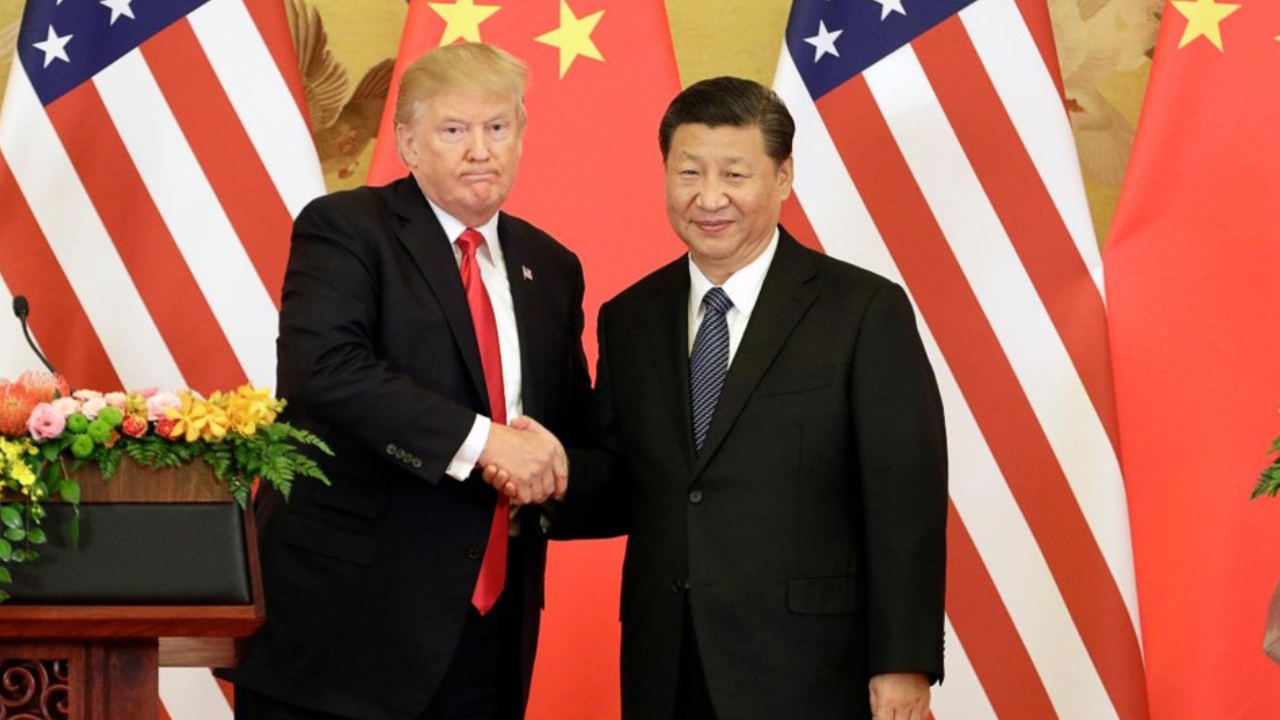
Discover How Trump’s Tariffs and China’s Strategy Are Redefining the Global Economy and Geopolitical Alliances.
Recent decisions by Donald Trump regarding tariffs on Chinese products have created a new chapter in the trade dispute between the United States and China, with implications not only for the economies of these two countries but for the global geopolitical landscape.
The increase in tariffs, which affect a wide range of Chinese products, reflects the continuation of an aggressive “America First” policy adopted by the American president, whose effects are being widely analyzed by experts.
China’s Reaction: 10% Tariff and Challenges to the Global Economy
Trump’s announcement, imposing an extra 10% tariff on all Chinese products, provoked immediate and varied reactions in different parts of the world.
-
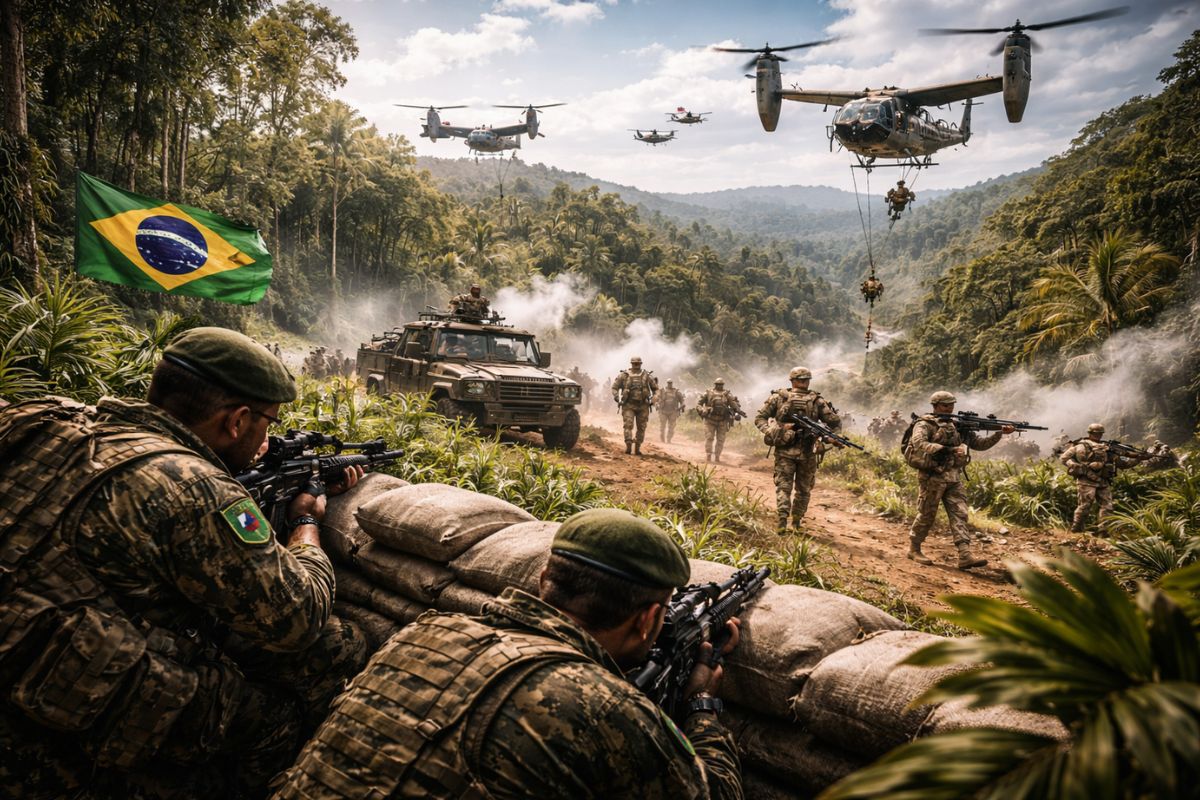
If the USA were to go to war with Brazil, Washington’s greatest fear would not be the attack itself, but facing a vast territory, prolonged resistance, and a costly, chaotic, and unpredictable occupation.
-
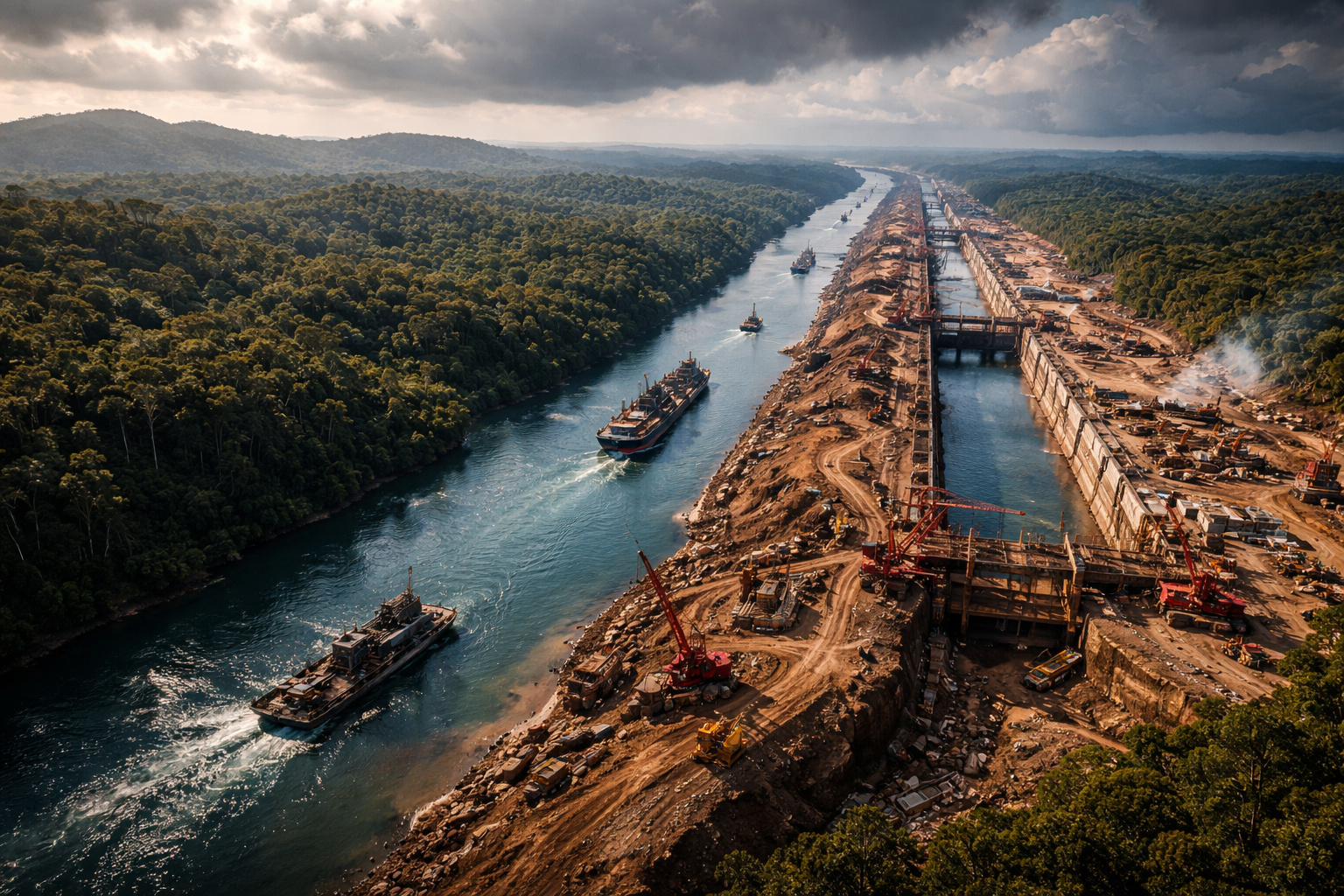
In 2013, Nicaragua sold the concession for a canal to rival Panama to a Chinese billionaire who lost 85% of his fortune, disappeared, and was declared bankrupt. Now the project resurfaces with a new route, a new Chinese partner, and a cost of $64.5 billion.
-
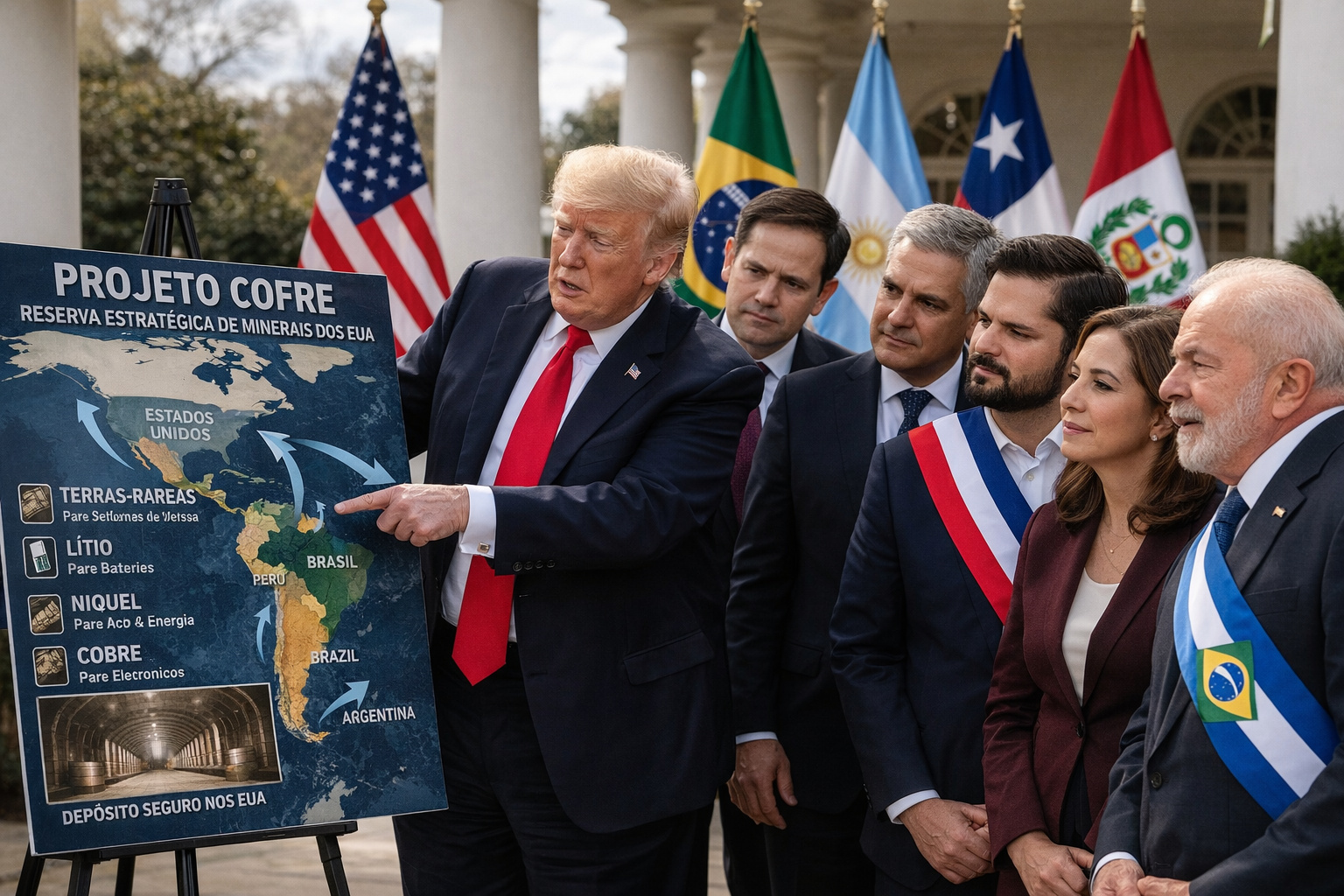
The USA announces a mysterious billion-dollar vault project to store critical minerals, but what intrigues experts is not just the plan itself, but why Latin America, including Brazil, has entered the center of this global dispute against China.
-
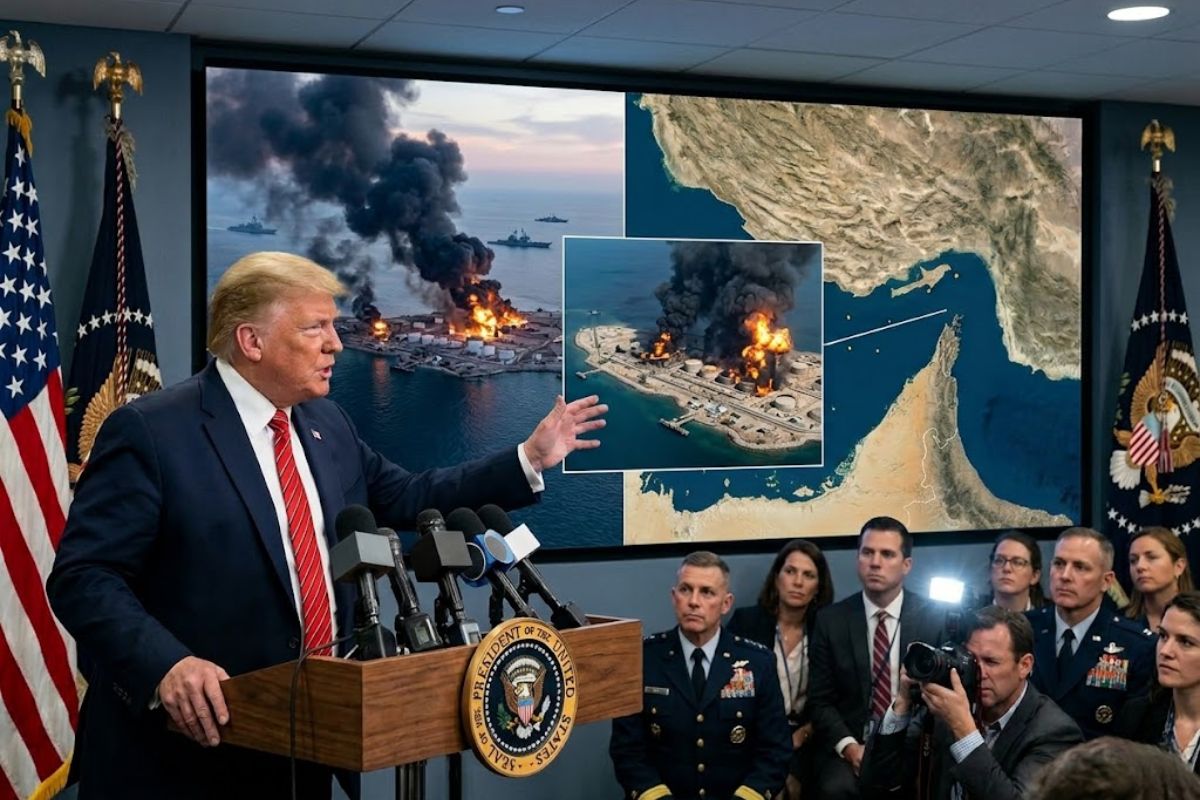
Trump Announces Bombing of U.S. Military Targets on Iranian Island Responsible for About 90% of Iran’s Oil Exports, Warns of Further Attacks if Navigation in Strategic Strait of Hormuz Is Threatened

Although China took time to respond, its reaction was clear: new 15% tariffs on U.S. coal and natural gas, as well as 10% on other products such as crude oil, agricultural machinery, and pickup trucks.
Additionally, Beijing began an antitrust investigation against Google and included several American companies, such as Calvin Klein, on its list of “unreliable entities.”
China’s initial response was more calculated compared to the more intense reactions from countries like Canada and Mexico.
While these nations immediately imposed tariffs on U.S. products, with Canada announcing a 25% tax on US$ 155 billion in American products, China opted for a more cautious approach.
This stance reveals a long-term strategy based on diversifying trade partnerships and strengthening relations with other regions of the world, such as Africa, South America, and Southeast Asia.
The Impact of Tariffs and Beijing’s Strategy
Unlike a decade ago, when the Chinese economy was heavily dependent on the U.S., Beijing is now the largest trading partner of more than 120 countries. This strengthens its position in a scenario where Trump’s tariffs are viewed with caution.
The China, in turn, seems to believe it can withstand the pressure of 10% tariffs without significantly compromising its economic growth.
Experts like Chong Ja Ian from the Carnegie China Studies Center believe that China has adopted a strategic approach, not responding immediately to the tariffs but maintaining a firm stance.
For Beijing, this situation may represent an opportunity to solidify itself as a global leader, especially as the United States appears, under Trump, to be increasingly isolated on the international stage.
“If it’s not a big problem, there’s no reason to start a fight with the Trump government,” Ian said, suggesting that China’s calm demeanor may reflect a careful analysis of the situation.
Chinese Diplomacy: Global Leadership and Partnership Opportunities
Xi Jinping, the president of China, has demonstrated a growing ambition to lead a new world order, something reflected in Beijing’s diplomatic actions in recent years.
After the Covid-19 pandemic, China has intensified its presence on the international stage, especially in organizations like the World Health Organization (WHO), where, following the withdrawal of the United States under Trump, Beijing offered to fill the void left by the Western superpower.
Moreover, China has been reaching out to countries all over the world, especially those in Africa and Latin America, establishing trade agreements and promoting a “win-win globalization” policy.
The combination of Trump’s tariffs, the freezing of foreign aid, and the U.S. withdrawal from international bodies favors the Chinese narrative that Beijing can be a reliable, stable, and future-oriented alternative.
Yun Sun from the Stimson Center notes that policies of Trump with “America First” not only weaken the U.S. position as a global leader but also benefit China.
“A deterioration of U.S. leadership and credibility will certainly benefit China, as it positions itself as a stable and reliable global force, especially in contrast to the uncertainty that Trump has generated,” Sun stated.
Possible Consequences: Reactions in the Pacific and Beyond
The rise of China as a global power has generated a series of reactions in the Pacific.
Countries like Japan, South Korea, and Australia are closely monitoring Beijing’s movements, especially concerning the South China Sea, where China has shown increasing assertiveness, as well as tensions involving Taiwan.
In response, these countries are increasingly inclined to form trilateral alliances, which could lead to the formation of a new bloc in the Pacific focused on containing Chinese influence.
However, the growing insecurity regarding Trump’s foreign policy, which threatens allies like Canada and the European Union, may force these countries to reassess their relations with Washington.
The change in geopolitical dynamics and the increasing presence of China as an attractive trade alternative could reshape international alliances.
Trump’s Challenge and the Future of Tariffs
The future of the tariffs imposed by Trump and their implications for China remain uncertain.
The Chinese government has shown resilience but also a diplomatic skill aimed at consolidating its position on the global stage, taking advantage of the Trump administration’s failures to reinforce its image as a stable and reliable leader.
For the U.S., the continuation of this policy could result in more internal divisions and the weakening of its global position.
Meanwhile, China, far from being intimidated by these tariffs, may leverage the instability created by the Trump administration to expand its influence on the world stage.
The dispute between the two largest economies on the planet is far from resolved, but its implications go well beyond trade war, deeply and durably affecting foreign policy and international alliances.









Seja o primeiro a reagir!