





 Português
  Inglês
  Espanhol
  4 min de leitura
  0 comentários


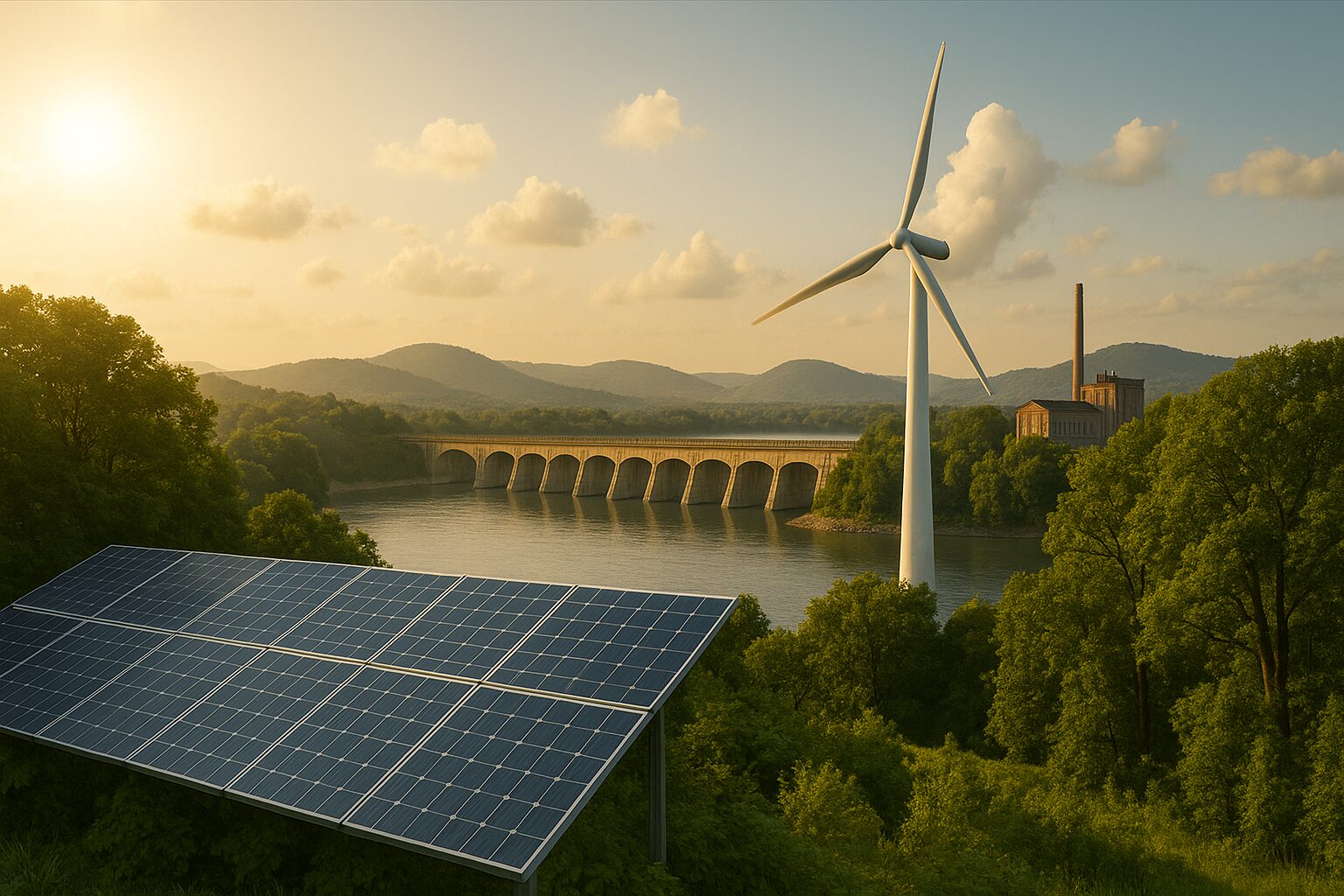
Understand How Renewable Energy Strategies Help in the Energy Transition, Reduce Environmental Impacts, and Build a More Sustainable Future for the Planet.
Since the Industrial Revolution, which began in the mid-18th century, humanity has intensified the use of fossil fuels, such as coal, oil, and natural gas.
This process marked the technological advance but brought severe environmental consequences, such as the increase in greenhouse gas emissions and global warming.
As warned by the Intergovernmental Panel on Climate Change (IPCC) in its reports, the burning of these fuels is the primary cause of the climate changes we face today.
-
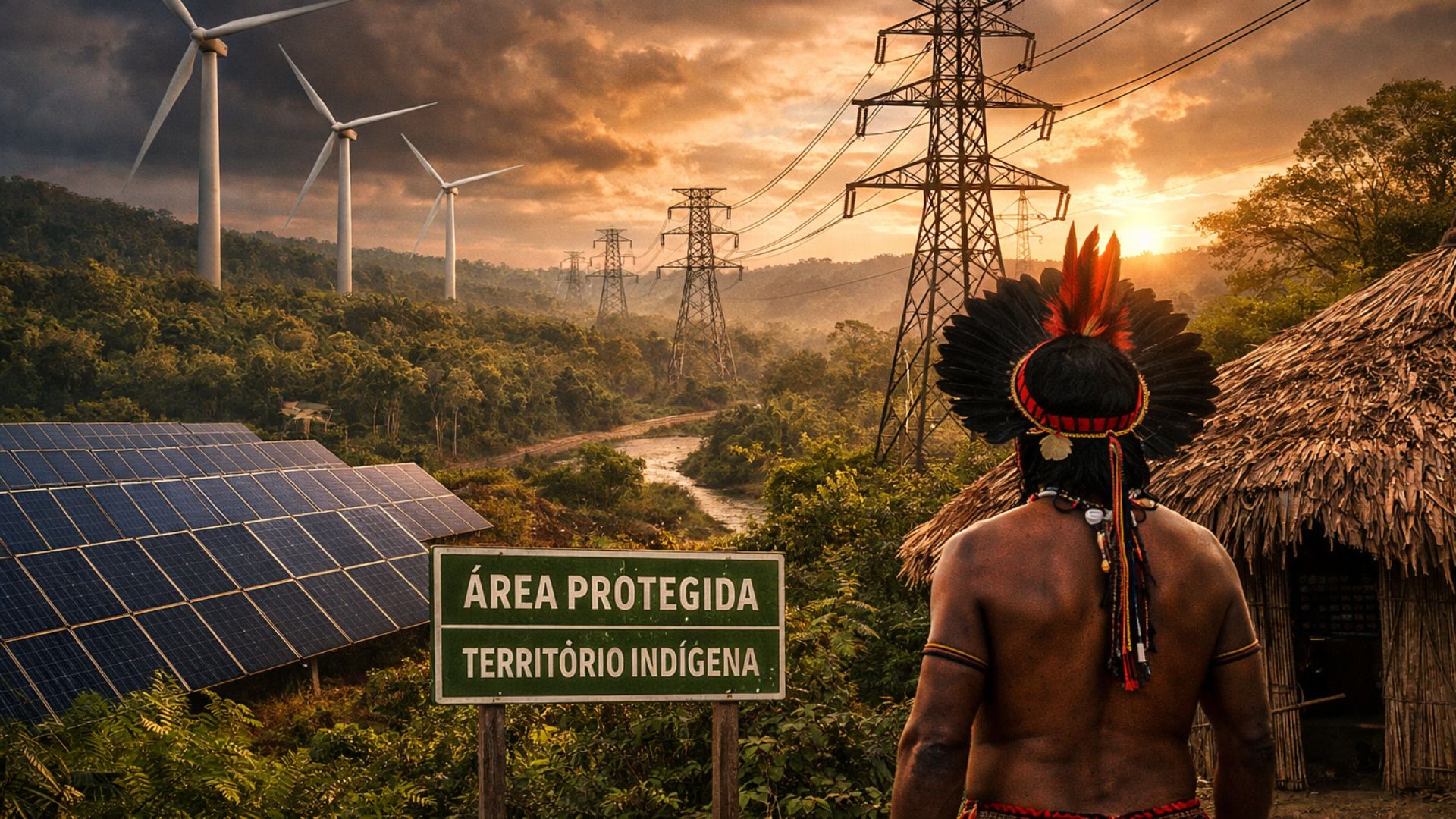
Renewable energy advances over protected areas in Brazil, and a survey by the Energy Transition Observatory reveals silent impacts that challenge environmental conservation and pressure sensitive traditional territories.
-
Rio Grande do Sul accelerates energy transition: State invests in renewable technologies and consolidates decarbonization strategies and pathways to attract billions in new industrial investments.

-
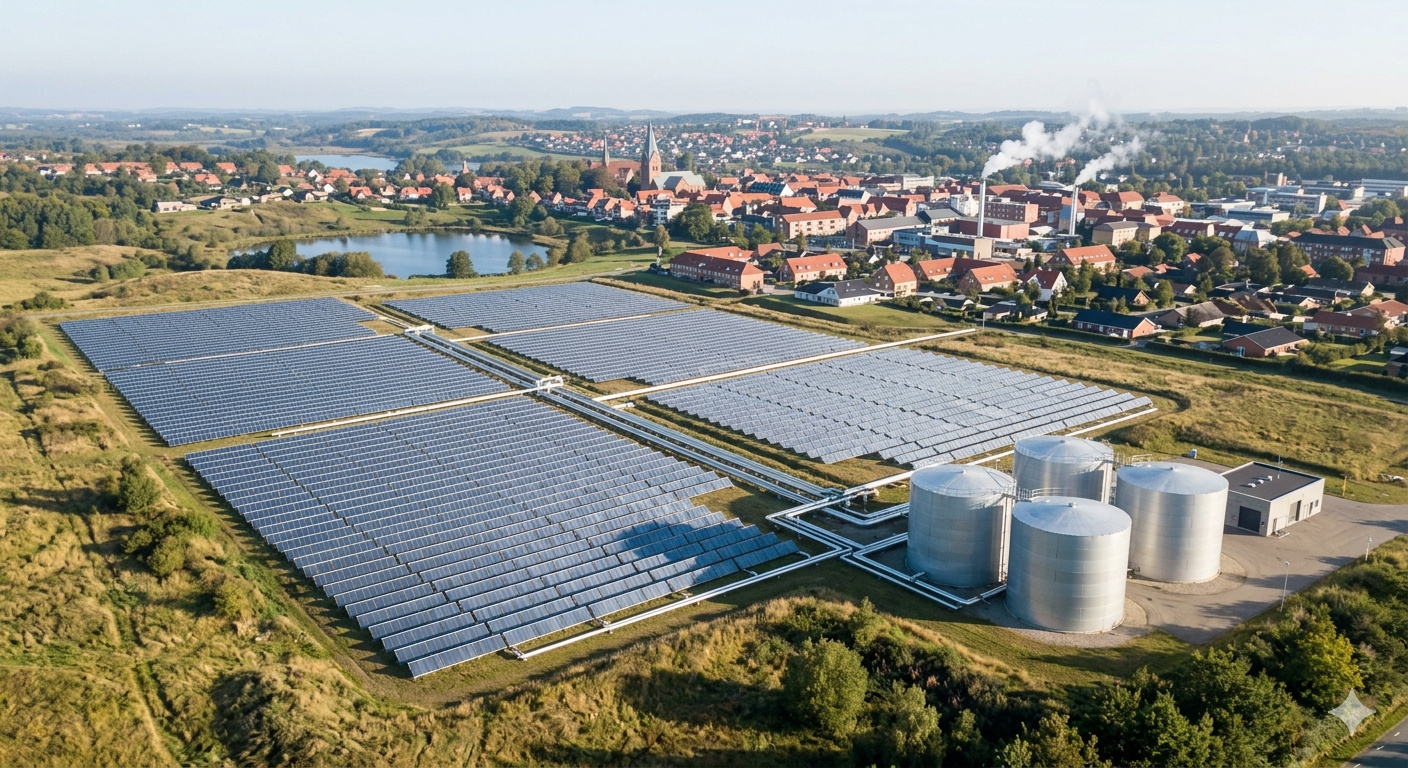
With 160,000 m² of collectors, an area larger than 20 football fields, Silkeborg, in Denmark, hosts a solar thermal plant that heats 19,500 homes and could become the largest solar heating plant in the world.
-
A study reveals the expansion of renewable energy procurement in Brazil and shows how companies are taking advantage of opportunities to reduce expenses, ensure energy efficiency, and strengthen strategic environmental commitments.


Therefore, the 20th century witnessed a growing search for alternative energy sources.
Renewable energy, which had already been used by ancient civilizations, such as the Egyptians who utilized wind power in boats around 3,000 B.C., began to be rediscovered with a new technological and environmental perspective.
In the early 1970s, the oil crisis boosted global interest in diversifying the energy matrix.
Countries like the United States and Germany began investing in research to harness solar and wind energy.
According to the International Energy Agency (IEA), the growth of these investments accelerated after 2000, with global installed renewable energy capacity increasing exponentially.
This evolution did not happen in isolation. Organizations such as REN21 (Renewable Energy Policy Network for the 21st Century), founded in 2005, began to track and publish data on the global advancement of clean energy, encouraging governments to adopt ambitious targets.
Over the past decades, technological development has made renewable sources, such as photovoltaic solar and wind energy, increasingly competitive.
According to a 2023 REN21 report, the global installed capacity of these sources surpassed 3,000 gigawatts, an impressive figure that demonstrates the continuous expansion of these technologies.
Diversification and Innovation as Bases for Renewable Energy Strategies

The strategy to promote renewable energy requires the diversification of the energy matrix, that is, the combination of various clean sources to ensure security and efficiency in supply.
For example, while solar energy depends on sunlight, wind energy can complement this generation during cloudy periods.
Moreover, technological innovation plays a fundamental role in this trajectory.
During the 1990s, Germany, for instance, stood out with policies promoting research in solar and wind energy.
With the “Energiewende” program aimed at an energy transition towards sustainability.
Today, the application of smart grids and advanced energy storage systems is being developed to integrate these renewable sources into the electrical system, minimizing the effects of intermittency.
According to data from the International Energy Agency (IEA) in 2024, storage technologies have grown by 35% in the last five years, highlighting their crucial role in network stability.
Therefore, by combining diversity and innovation, renewable energy strategies strengthen and enable a more resilient system capable of meeting growing demands without compromising the environment.
Social Inclusion, Regional Development, and the Role of Governments

Renewable energy strategies must also consider social inclusion and regional development.
In countries like Brazil, vast rural areas still face difficulties in accessing electricity.
Distributed generation projects, such as photovoltaic solar systems installed in isolated communities, have shown positive results in promoting universal access to electricity.
As reported by the Ministry of Mines and Energy of Brazil in its Decennial Energy Plan 2030.
Additionally, these initiatives generate local jobs and stimulate the regional economy.
The experience of India, for example, which has heavily invested in solar energy in remote areas since 2015, shows how renewable energy can transform social realities.
In this scenario, the role of governments is decisive.
International agreements such as the Paris Agreement, signed in 2015 under the auspices of the United Nations Framework Convention on Climate Change (UNFCCC), established commitments to broaden the use of clean energy globally.
In Brazil, the federal government has promoted tax incentive programs and credit lines for sustainable projects, increasing the share of renewables to over 45% of the energy matrix, according to official data from 2024.
Simultaneously, the private sector and consumers have contributed to this transformation.
Global companies invest in renewable energies to reduce their carbon footprint, while conscious consumers adopt more sustainable habits, according to 2023 surveys by the Institute of Applied Economic Research (IPEA).
Challenges and the Future of Renewable Energy Strategies

Although renewable energy strategies are advancing rapidly, they still face significant obstacles.
Political resistance, economic interests linked to fossil fuels, and technical challenges such as intermittency and the need for adequate infrastructure hinder large-scale implementation.
However, the rise in environmental awareness, especially among younger generations, strengthens the demand for clean energy.
Educational campaigns and pressure from civil society for stricter environmental policies are forces driving this transformation.
The energy transition requires planning and coordinated actions among governments, businesses, and society. It does not happen quickly, but its impact is profound and lasting.
Investing in renewable energy means reducing pollution, combating climate change, and promoting social justice by creating jobs and development.
According to the Intergovernmental Panel on Climate Change (IPCC), to limit global warming to 1.5°C:
It is necessary for renewable energy to represent more than 70% of the global energy matrix by 2050.
Therefore, understanding and supporting renewable energy strategies is essential to ensure a sustainable future for the planet and for future generations.








-

Uma pessoa reagiu a isso.