





 Portuguese
  English
  Spanish
  4 min of reading
  0 comments


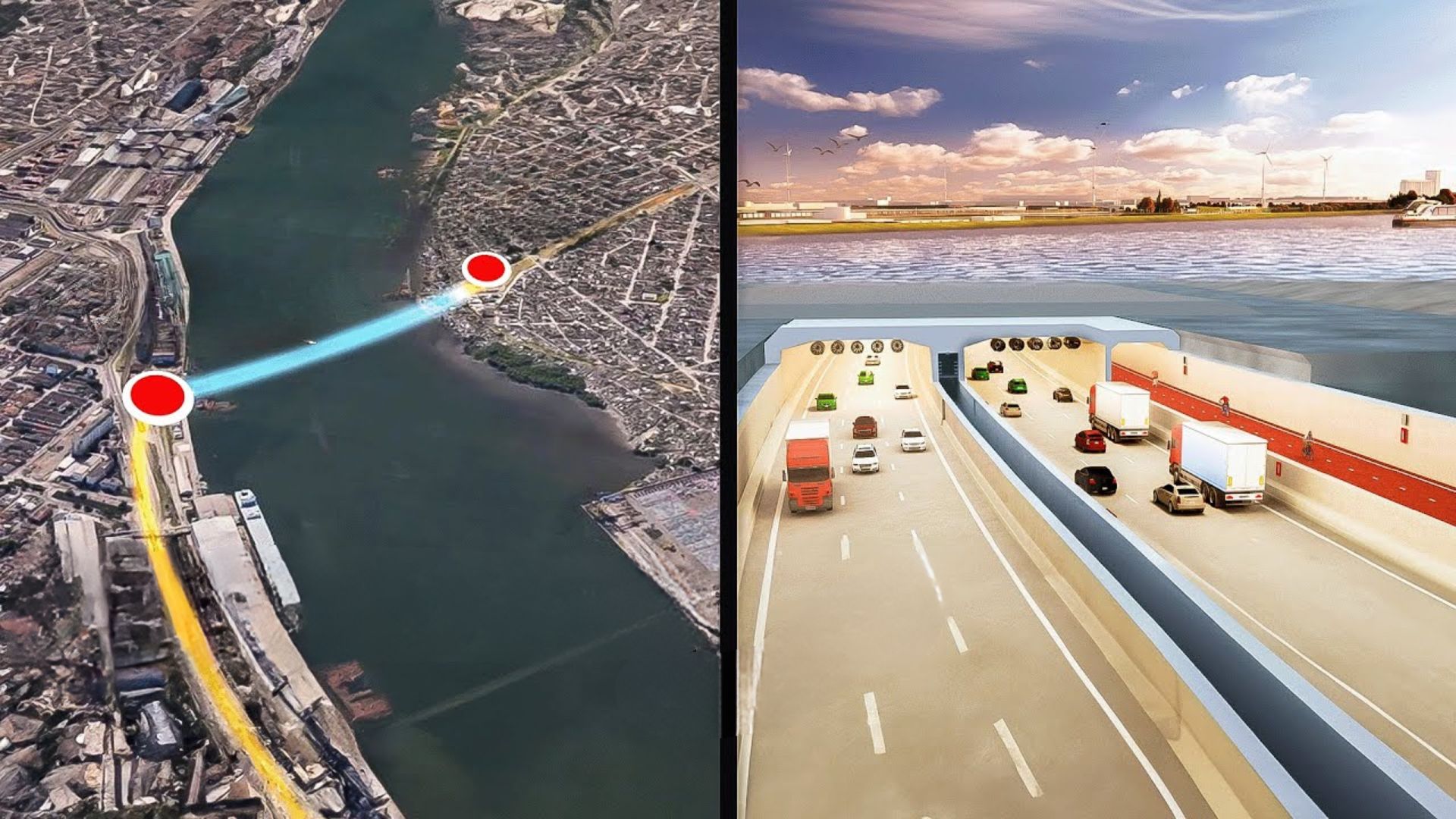
The Immersed Tunnel Between Santos and Guarujá Promises to Transform Mobility in Baixada Santista, Reducing Travel Time to 5 Minutes and Integrating Transport Modalities with Billion-Dollar Investment and Technology Already Established Abroad.
The first immersed tunnel in Brazil, which will connect Santos to Guarujá, promises to transform mobility in Baixada Santista.
With an auction scheduled for September 5, 2025, the project aims to reduce travel time between the two cities from up to one hour to just five minutes.
The project integrates different transport modalities and already has a preliminary environmental license issued by Cetesb.
-
Piauí will produce a new fuel that replaces diesel without needing to change anything in the truck’s engine and reduces pollutant gas emissions by half: truck drivers from all over the Northeast are already celebrating the news that will arrive later this decade.

-
A new Brazilian shopping center worth R$ 400 million will be built in an area equivalent to more than 4 football fields, featuring 90 stores, 5 cinemas, a supermarket, a college, and parking for 1,700 cars, potentially generating 3,000 jobs.

-
Larger than entire cities in Brazil: BYD is building a 4.6 km² complex in Bahia with a capacity for 600,000 vehicles per year, but the discovery of 163 workers in conditions analogous to slavery has shaken the entire project.

-
With an investment of R$ 612 million, a capacity to process 1.2 million liters of milk per day, Piracanjuba inaugurates a mega cheese factory that increases national production, reduces dependence on imports, and repositions Brazil on the global dairy map.


Integrated Mobility in a Single Corridor
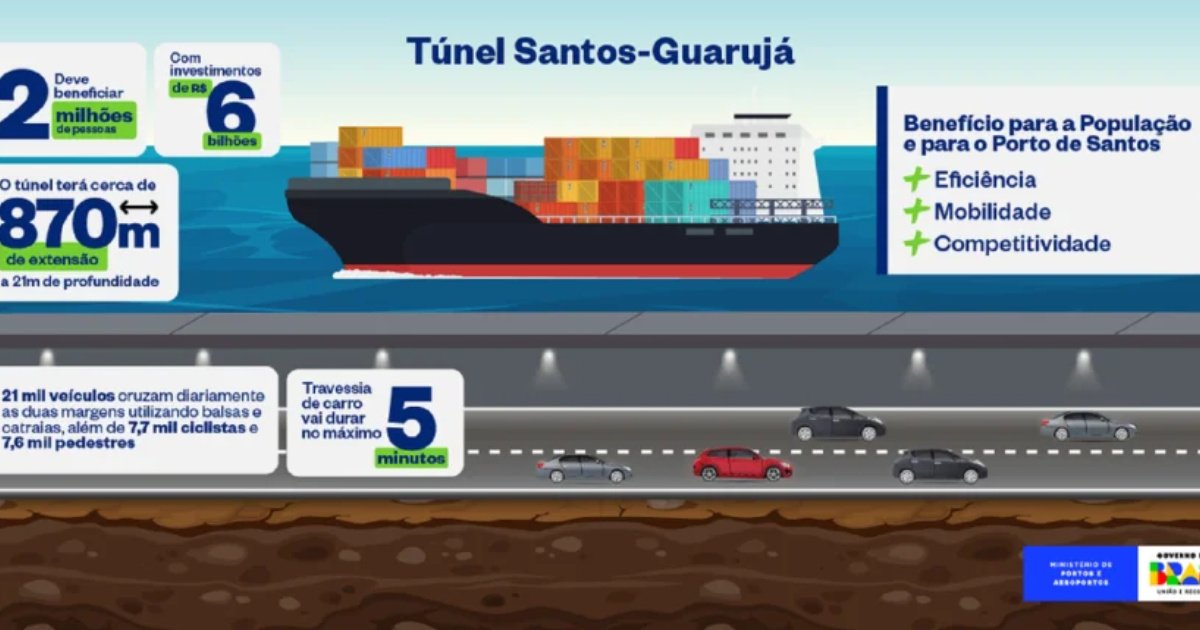
The structure will be 1.5 kilometers long, with 870 meters submerged in the Port of Santos channel.
The tunnel will feature three lanes in each direction: two for vehicles and one exclusively for the Light Rail Vehicle (LRV). Additionally, there will be a bike lane, pedestrian passage, and a service gallery.
The multimodal design aligns the region with solutions already adopted in major international centers, combining speed, sustainability, and inclusion.
Currently, the commute between the two municipalities mainly happens via ferries, which take an average of 18 minutes per crossing.
Despite this, the total time can extend due to long queues and variations in operation.
Another alternative is the road route, which can exceed one hour during peak times.
The tunnel, by shortening the journey to five minutes, is expected to directly benefit over 720,000 local residents and workers who travel daily between Santos and Guarujá.
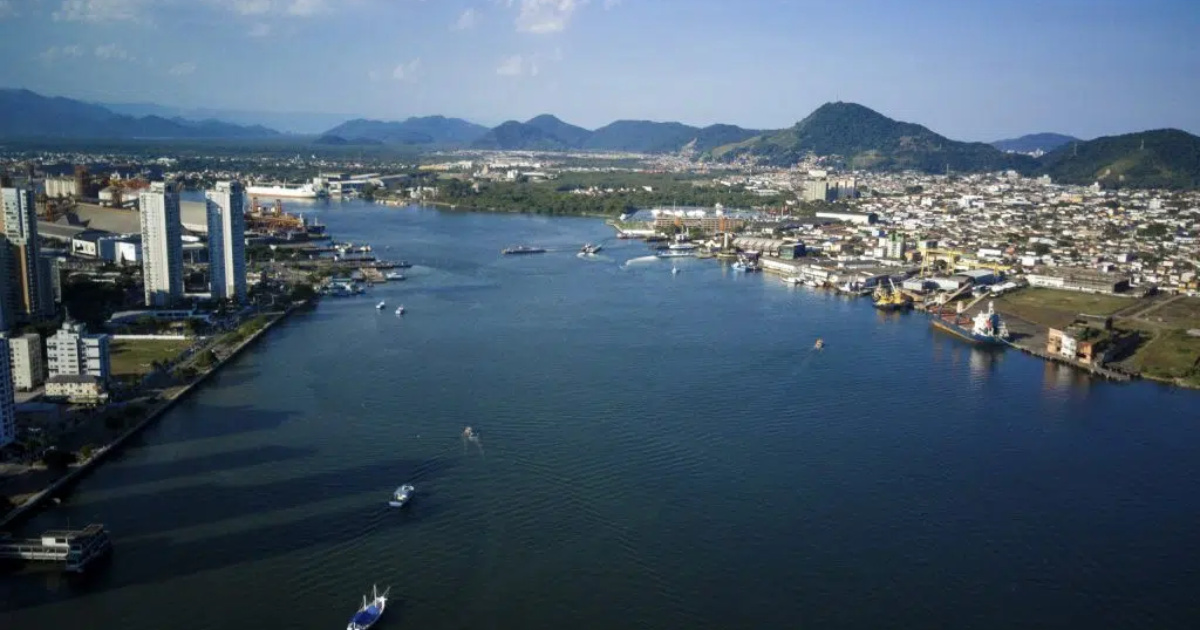
Billion-Dollar Investment and Public Participation
The estimated cost of the project is R$ 6.8 billion. Of the total, up to R$ 5.1 billion will come from public resources, evenly divided between the Government of São Paulo and the Federal Government.
The concession contract will last for 30 years and will cover the phases of construction, operation, and maintenance of the tunnel.
The execution of the work will be made feasible through pre-fabricated concrete modules, a technique already established in countries in Europe and Asia for submerged tunnels.
Environmental License and Next Steps
In August 2025, the project obtained the preliminary environmental license from Cetesb, a document that attests to the viability of the work and recognizes its potential positive impacts on urban mobility and sustainability.
The authorization was considered a decisive step for the realization of the concession auction, scheduled to take place at the Sao Paulo Stock Exchange (B3).
Proposals must be submitted by September 1, at 10 AM, and the public session will take place on the 5th, at 4 PM.
Economic and Social Impacts in the Region
With the implementation of the tunnel, the expectation is not only for gains in mobility but also in economic development.
Improved access is expected to boost tourism and stimulate the establishment of new businesses.
Another expected effect is real estate appreciation in both Santos and Guarujá, as the direct connection tends to enhance integration between the two municipalities.
The project is also anticipated to contribute to a reduction of pollutant gas emissions.
By encouraging the use of public transport, the LRV, and bicycles, the project reinforces a sustainable mobility agenda aligned with local and global environmental commitments.
Technology and Safety
The execution of immersed tunnels requires a high degree of engineering. Each concrete module will be manufactured in advance, transported to the site, and positioned on the bed of the port channel.
The technique, regarded as safe and efficient, is already applied in countries like the Netherlands, Japan, and Denmark.
In addition to speeding up the construction schedule, this method minimizes environmental impacts during construction.
The tunnel will also feature modern monitoring, ventilation, and emergency evacuation systems.
The service gallery will allow for maintenance of energy and telecommunications networks in an integrated manner, without the need for major future interventions. These elements of safety and technology are cited as project differentiators.
Population Expectation
The current ferry crossing system records about 28,000 trips per day, according to data from the São Paulo government.
Long queues during peak hours are one of the main complaints from users, who await the project as a definitive solution to the historical mobility bottleneck in the area.
The promise to reduce travel to just five minutes from a journey that can currently exceed one hour sparks great anticipation among residents and workers in the region.
The immersed tunnel project Santos–Guarujá is expected to mark a turning point in Brazilian urban mobility. With defined deadlines, secured funding, and environmental approval, the initiative is ready to take off.
The pressing question now is: how will the daily lives of residents in Baixada Santista transform when the crossing between Santos and Guarujá ceases to be a daily challenge and becomes a journey of just a few minutes?






-

-

2 pessoas reagiram a isso.