





 Portuguese
  English
  Spanish
  4 min of reading
  23 comments


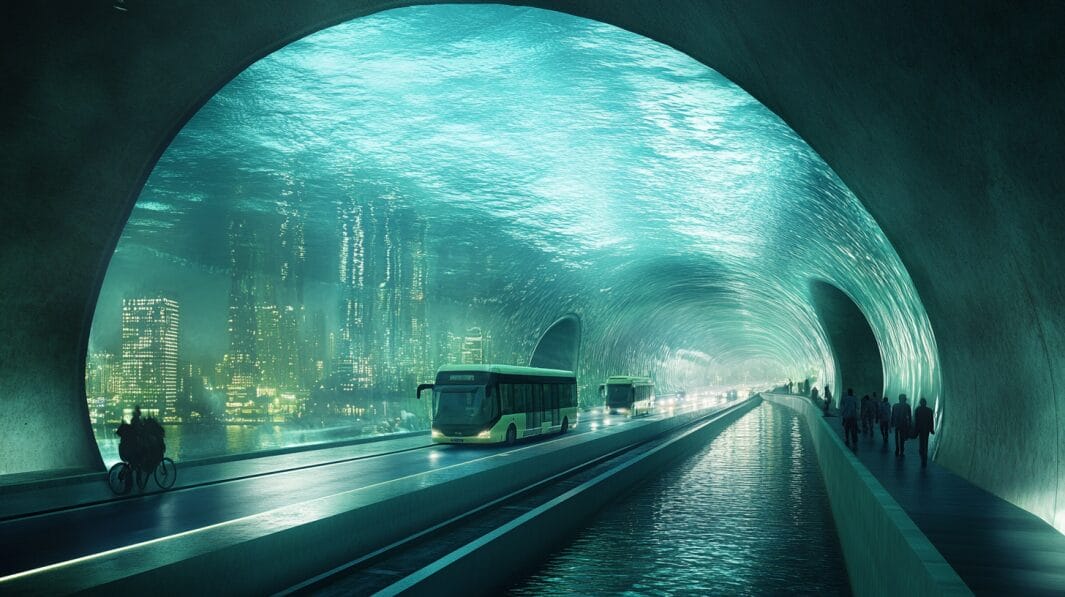


Construction Of Submerged Tunnel Connecting Two Cities Should Bring Agility And Safety To Thousands Of People. With A Cost Exceeding 1 Billion, The Project Includes Exclusive Lanes For Public Transport And Areas For Pedestrians And Cyclists.
The submerged tunnel designed to revolutionize transportation and transform connectivity between two busy cities is expected to provide agility and safety for those who cross the Itajaí-Açu River daily.
The big news lies in the investment of over 1 billion reais in a tunnel that will cross the riverbed, a technological project unprecedented in the country aimed at making life easier for thousands of people.
This innovative project is already taking shape and promises more than just a quick passage between Itajaí and Navegantes; it will bring unprecedented infrastructure, with exclusive bus lanes and space allocated for pedestrians and cyclists, all in a modern and safe environment.
-
Unemployment rises again to 5.8% at the beginning of 2026, raising alarms about the end of temporary positions and its impact on the Brazilian job market.

-
Document organization can cut invisible costs in small businesses, a simple step that prevents waste, rework, and losses in daily operations.

-
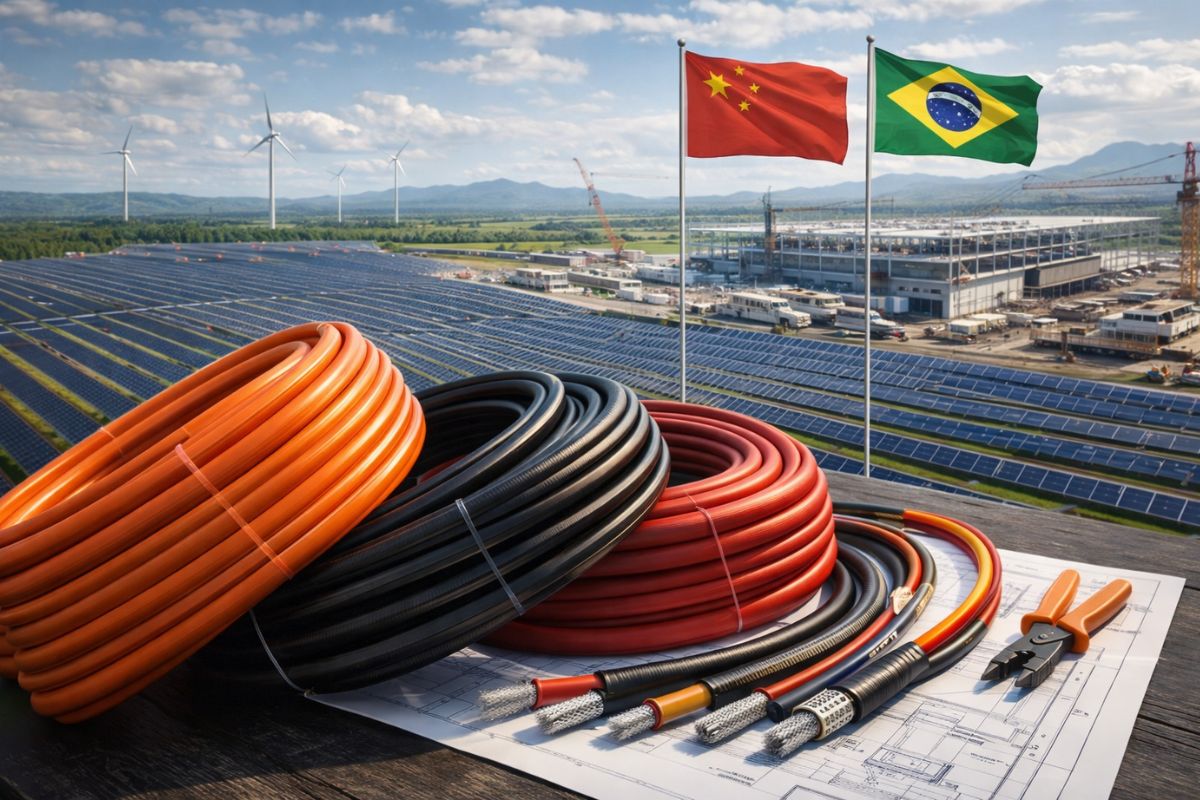
Chinese giant worth nearly R$ 4 billion that manufactures cables for electric cars, solar energy, and robotics wants to open a factory in SC.
-
Many employers do not know, but the law guarantees domestic workers a 25% increase in salary during trips, 50% for overtime, 20% for night shifts, and 17 additional benefits that can lead to labor lawsuits if not paid.


According to data released by the state government and recent conceptual images, the tunnel will be part of the Promobis (Urban Mobility Program of the Itajaí-Açu River), focused on renewing traffic and reducing travel time for those who use the ferry crossing daily.
Infrastructure And Accessibility: A Unique Project In The Country
In total, the structure will have modern design entries on each bank and will feature three traffic lanes for each direction.
One lane has been exclusively planned for the BRT (Bus Rapid Transit), allowing public transport passengers to have a continuous and fast flow.
Pedestrians and cyclists have also been included, with a separate area aimed at promoting safety and inclusion along the route.
This is an important innovation, especially for the thousands of workers and students who make the journey daily and face difficulties at the crossing.
With an estimated cost of 340 million dollars, the project will be carried out as a public-private partnership.
The concessionaire, responsible for the construction and operation of the tunnel, will cover part of the initial investment and will earn revenue from tolls in return.
According to preliminary information, the toll charged to users is expected to range between R$ 4.50 and R$ 10, depending on the type of vehicle.
The local municipalities will also contribute to the maintenance and enhancement of the tunnel, consolidating an alliance between the public and private sectors to make the crossing more efficient and accessible.
Construction And Location: A Submerged Structure At 23 Meters
The tunnel will be located approximately 23 meters deep, passing directly beneath the navigation channel of the Itajaí-Açu River, ensuring that port movements in the region continue uninterrupted.
To make the project feasible, construction will utilize a modular methodology, where prefabricated sections will be transported and assembled directly at the riverbed.
These sections will be sealed underwater to ensure maximum structural safety, essential for supporting daily vehicular traffic and the flow of pedestrians and cyclists.
With this technique, the risk of leakage is minimized, providing a quick and safe construction for the region.
Impact On Mobility And The Regional Economy
Located at the Barra do Rio, the tunnel promises to significantly improve mobility between Itajaí and Navegantes.
In addition to facilitating the connection between the two cities, the modern infrastructure of the tunnel is expected to directly impact the regional economy.
According to estimates from experts, with reduced travel time and greater safety during the crossing, more people will feel encouraged to invest in the region.
This increase in the flow of workers and tourists may stimulate sectors such as local commerce, services, and the real estate sector.
The letter of intent, which provides for state support for the project, was signed by Governor Jorginho Mello (PL) this Tuesday (29).
This state support has been essential to ensure the tunnel’s viability, which is already considered a milestone for the infrastructure of Santa Catarina.
The expectation now is that construction will begin soon and that completion will occur within the scheduled timeframe, providing residents with renewed and modern access.
Possibilities Of Use And Sustainability
One of the project’s differentiators is the possibility of integration with sustainable urban mobility systems.
With the BRT and specific areas for cyclists and pedestrians, the project is expected to encourage the use of alternative transport and reduce reliance on individual vehicles.
This shift brings benefits to the environment, helping to decrease emissions of polluting gases, a gain that should reflect in air quality and the health of the local population.
The deadline for completion has not yet been disclosed, but the signing of the letter of intent already guarantees a concrete commitment between the state and municipalities to move the project forward.
And what do you think about the idea of a submerged tunnel to facilitate life in the Itajaí-Açu River Mouth? Could this project truly transform mobility and stimulate regional development? Leave your opinion in the comments!









Até que enfim, teremos um empreendimento desse. porte, uma obra digna de ser Brasileira.
Não há dúvidas com relação aos benefícios, tanto na área tecnológica quando na área de mobilidade urbana
Parabéns.
Falaram…Falaram!
E uma obra desta a reportagem não se atentou em falar o comprimento!