





 Português
  Inglês
  Espanhol
  4 min de leitura
  0 comentários


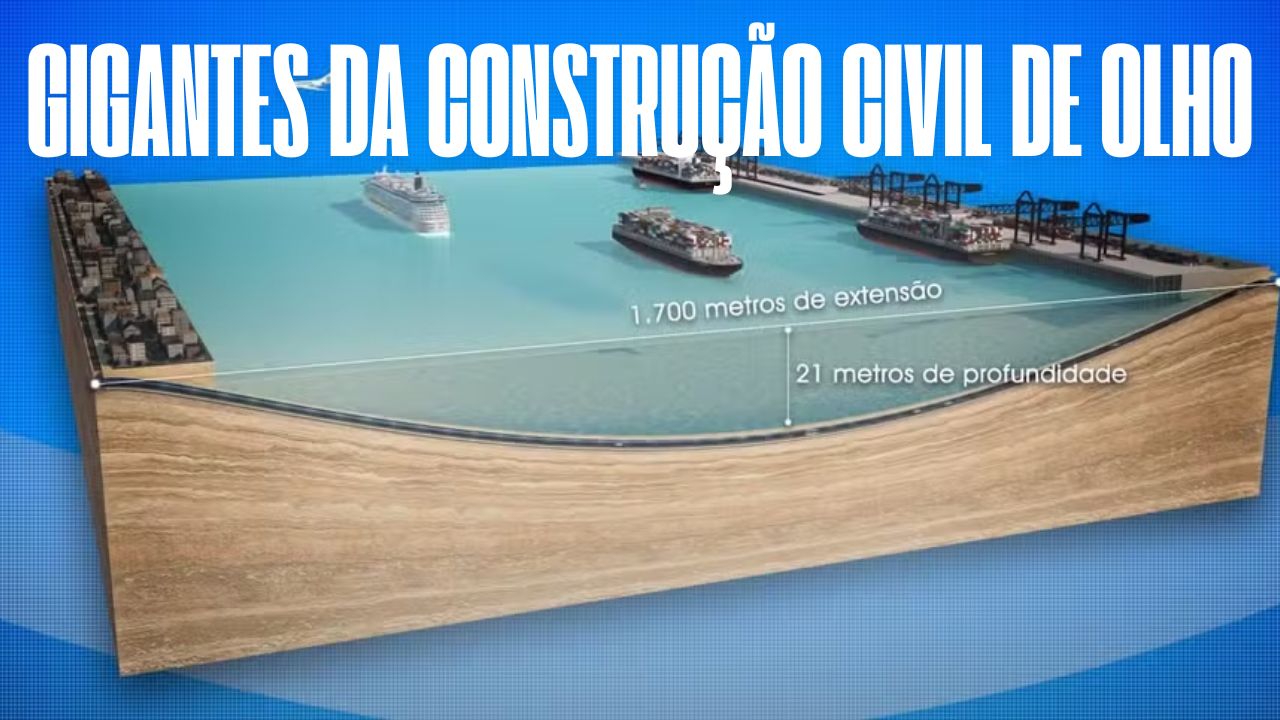
With An Investment of R$ 6 Billion, The Santos-Guarujá Submersible Tunnel Aims to Reduce Travel Time to 2 Minutes, Facilitate Logistics at The Port of Santos, and Generate 9,000 Jobs in The Region
The Santos-Guarujá submersible tunnel, one of the most anticipated projects for urban mobility and logistics on the São Paulo coast, is stirring the infrastructure sector. The project, estimated at R$ 6 billion, has attracted the attention of large national and international construction companies. The auction for the concession of the work is scheduled for August 1, 2025, and bids must be submitted by July 28, 2025, as announced by the federal government and the government of São Paulo.
The bidding document was launched on February 27, 2025, at an event held at the Port of Santos, attended by President Luiz Inácio Lula da Silva and Governor Tarcísio de Freitas. According to information from the Ministry of Transportation, the expectation is that the Santos-Guarujá submersible tunnel will drastically reduce travel time between Santos and Guarujá, which currently can take more than an hour, depending on traffic. With the new crossing, the expected travel time is about two minutes.
Major Companies Compete for The Santos-Guarujá Submersible Tunnel Project
Among the groups interested in the concession of the Santos-Guarujá submersible tunnel are engineering giants such as the China Communications Construction Company (CCCC), which is forming a consortium with the Portuguese Mota-Engil. CCCC already has operations in Brazil and is one of the companies responsible for building the Salvador-Itaparica bridge in Bahia, one of the most complex projects in national infrastructure.
-
A megaproject worth R$ 89 billion is advancing in Iraq and promises to change the game in global trade by creating a new corridor between Asia and Europe, reducing traditional routes and repositioning the country as a logistics powerhouse.

-
Goodbye bedside table: floating shelves become a trend in 2026 by freeing up space in the bedroom, improving circulation, bringing visual lightness, and integrating technology without taking up floor space.

-
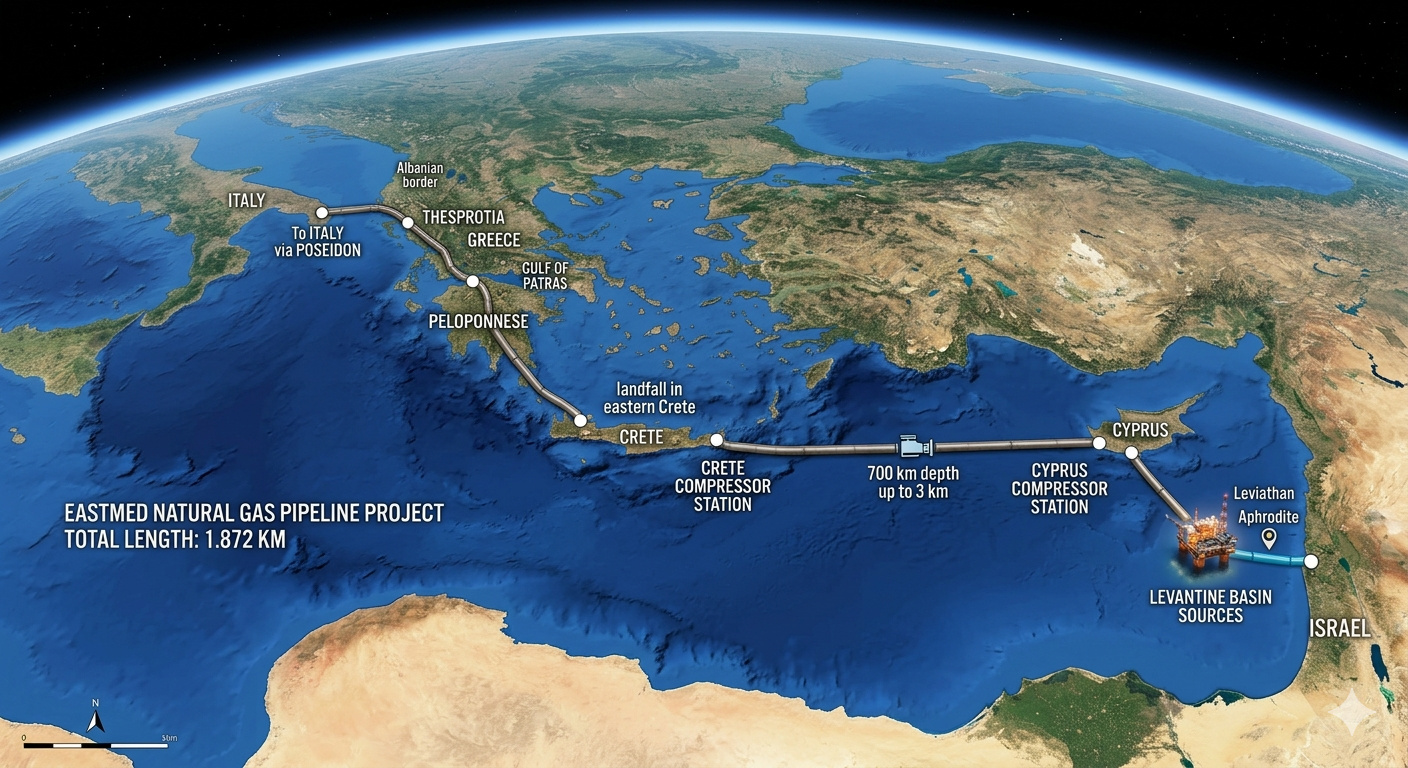
Israel, Greece, and Cyprus signed an agreement in 2020 to transport gas from the Mediterranean to Europe via a 1,872 km pipeline, but Turkey claimed sovereignty over part of the maritime route, and the project never materialized.
-
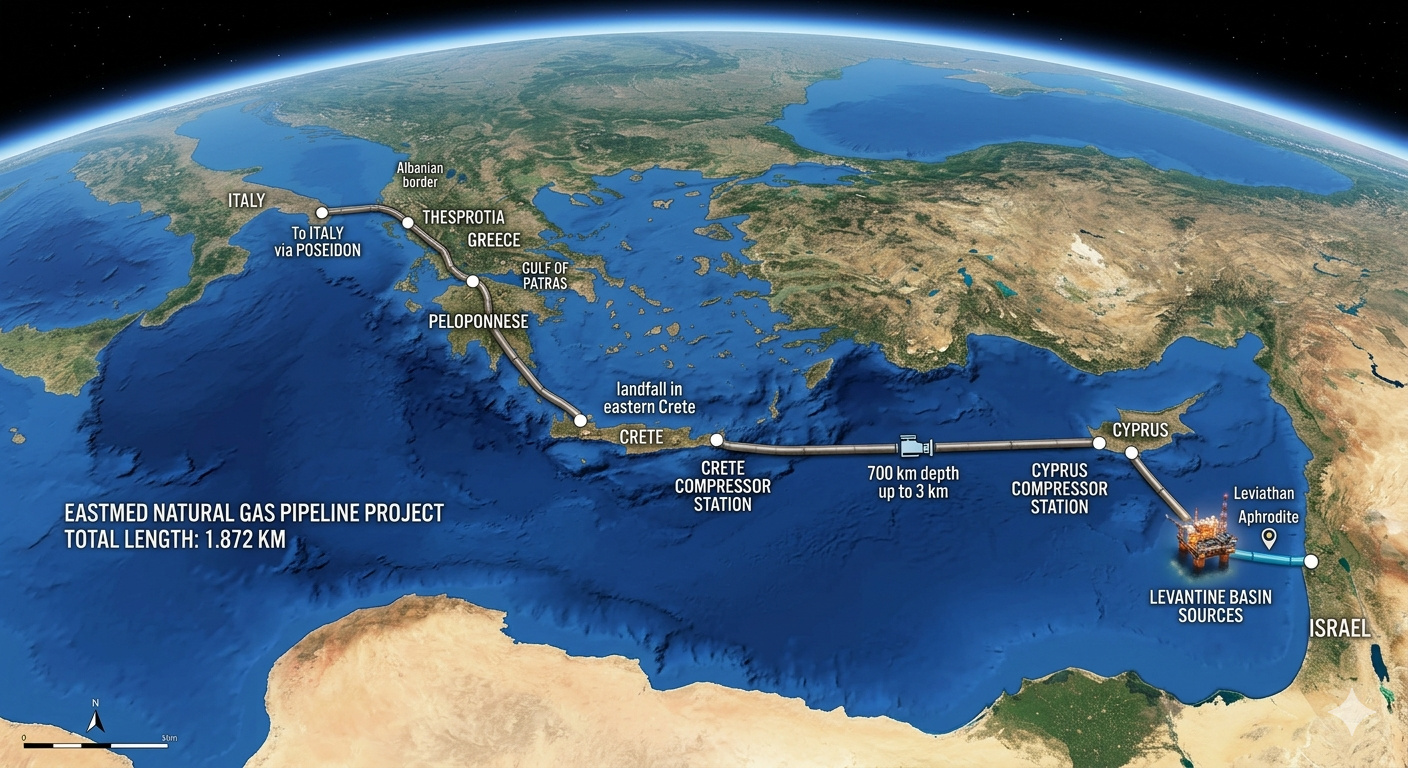
Israel, Greece, and Cyprus signed an agreement in 2020 to transport gas from the Mediterranean to Europe via a 1,872 km pipeline, but Turkey claimed sovereignty over part of the maritime route, and the project never materialized.

Another strong contender is the Spanish company Acciona, known for its work on the Line 6-Orange of the São Paulo Metro, as well as for building railway tunnels in Norway and Spain, consolidating its experience in the infrastructure sector. A consortium between the Italian Webuild and the Brazilian Andrade Gutierrez is also in the running, bringing expertise in large-scale works, such as the Venice floodgate system, designed to contain flooding in the Italian city.
On the national scene, Novonor (formerly Odebrecht) and Queiroz Galvão have joined forces to form a 100% Brazilian consortium. Initially, Queiroz Galvão sought a partnership with CCCC, but strategic differences led the company to seek a new arrangement. According to industry experts, competition among the consortia could result in a project with a high level of technical quality and innovations for the urban mobility sector.
Technical Details of The Santos-Guarujá Submersible Tunnel
The concession contract provides for the construction of a Santos-Guarujá submersible tunnel with a length of 1.5 kilometers, of which 870 meters will be submerged. The infrastructure will feature six traffic lanes (three in each direction) for cars, trucks, and motorcycles. There will also be an adaptable lane for Light Rail Vehicles (VLT), a bike lane, and a pedestrian path.
According to the Brazilian Institute of Logistics, the project will be a milestone in the country’s road infrastructure, facilitating access to the Port of Santos, which is responsible for 30% of Brazilian foreign trade. Currently, the crossing between Santos and Guarujá relies on ferries, which suffer from long lines and limited capacity.
Investment and Concession
The concession for the Santos-Guarujá submersible tunnel will last 30 years, and the winning company will be the one that offers the highest discount on the stipulated service value. The initial ceiling for the concession was set at R$ 304 million. If there are proposals with a 100% discount, companies may further reduce the amount of public funding.
The funding for the work will be done through a public-private partnership (PPP), with investments coming from the private sector and contributions from the federal government. Both the National Bank for Economic and Social Development (BNDES) and the Inter-American Development Bank (IDB) have already expressed interest in funding part of the project, aiming to ensure the financial viability of the construction.
Economic Impact and Job Generation


According to estimates from the Ministry of Transportation, the Santos-Guarujá submersible tunnel project is expected to generate around 9,000 direct and indirect jobs, significantly contributing to the economic development of the region. The infrastructure will also facilitate access to important industrial and tourist hubs on the São Paulo coast, directly impacting sectors such as commerce and tourism.
The forecast is that construction will begin in the first quarter of 2026, with completion expected in 2031, consolidating the Santos-Guarujá submersible tunnel as one of the most ambitious projects in national engineering.









-

Uma pessoa reagiu a isso.