





 Portuguese
  English
  Spanish
  4 min of reading
  1 comment


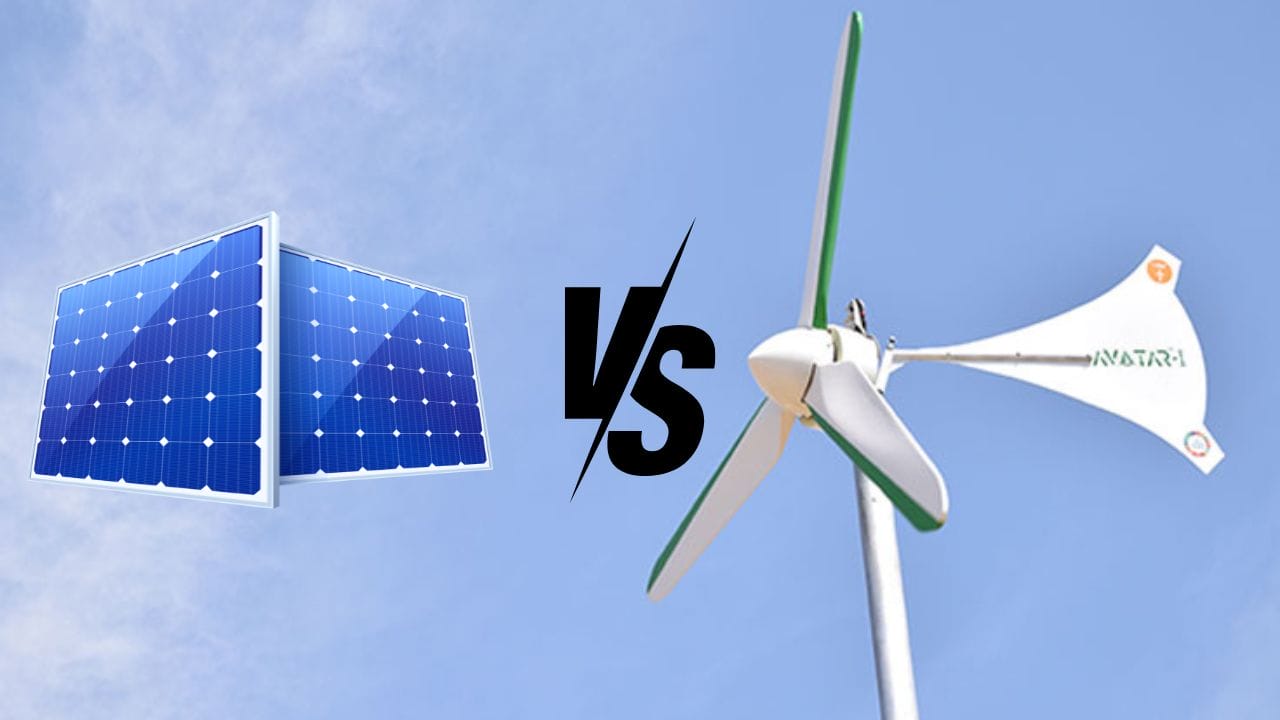

Launch of Residential Wind Turbines, Promises of Efficiency and Practicality That Position Themselves Not Only as Competitors to Solar Energy but Potential Allies.
In a world that urgently seeks greener and more efficient alternatives for energy generation, the arrival of residential wind turbines in the market marks a turning point. More compact, practical, and incredibly efficient, this residential wind turbine promises not only to reshape our energy landscape but also to redefine our relationship with renewable sources. But what exactly do they bring that is new? And more intriguingly, could they overshadow solar energy?
The idea of installing a small wind turbine on the roof of your house to generate your own energy may seem like something out of a science fiction movie, but it is the reality knocking at our door. The Avatar, an innovative residential wind turbine developed by the Indian company Avant Garde, is a tangible example of this new era. Its compact and efficient design takes up half the space of traditional solar panels, standing out not only for its practicality but also for its ability to generate energy continuously, day and night.
Residential Wind Turbine in an Advantageous Position Compared to Solar Energy
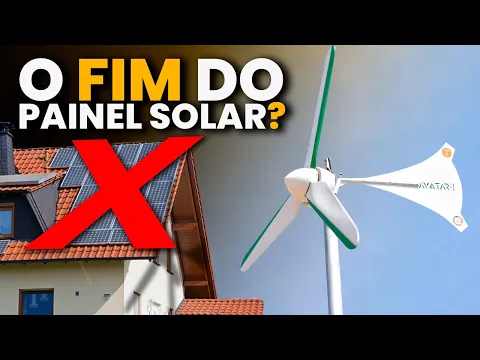

This differential places residential wind turbines in an advantageous position compared to solar energy. While photovoltaic panels rely on sunlight, turbines like the Avatar harness wind at any time, offering a 24/7 energy solution. With simple installation, low maintenance, and a lifespan comparable to that of solar panels (around 25 years), residential wind turbines are an attractive and accessible alternative.
-
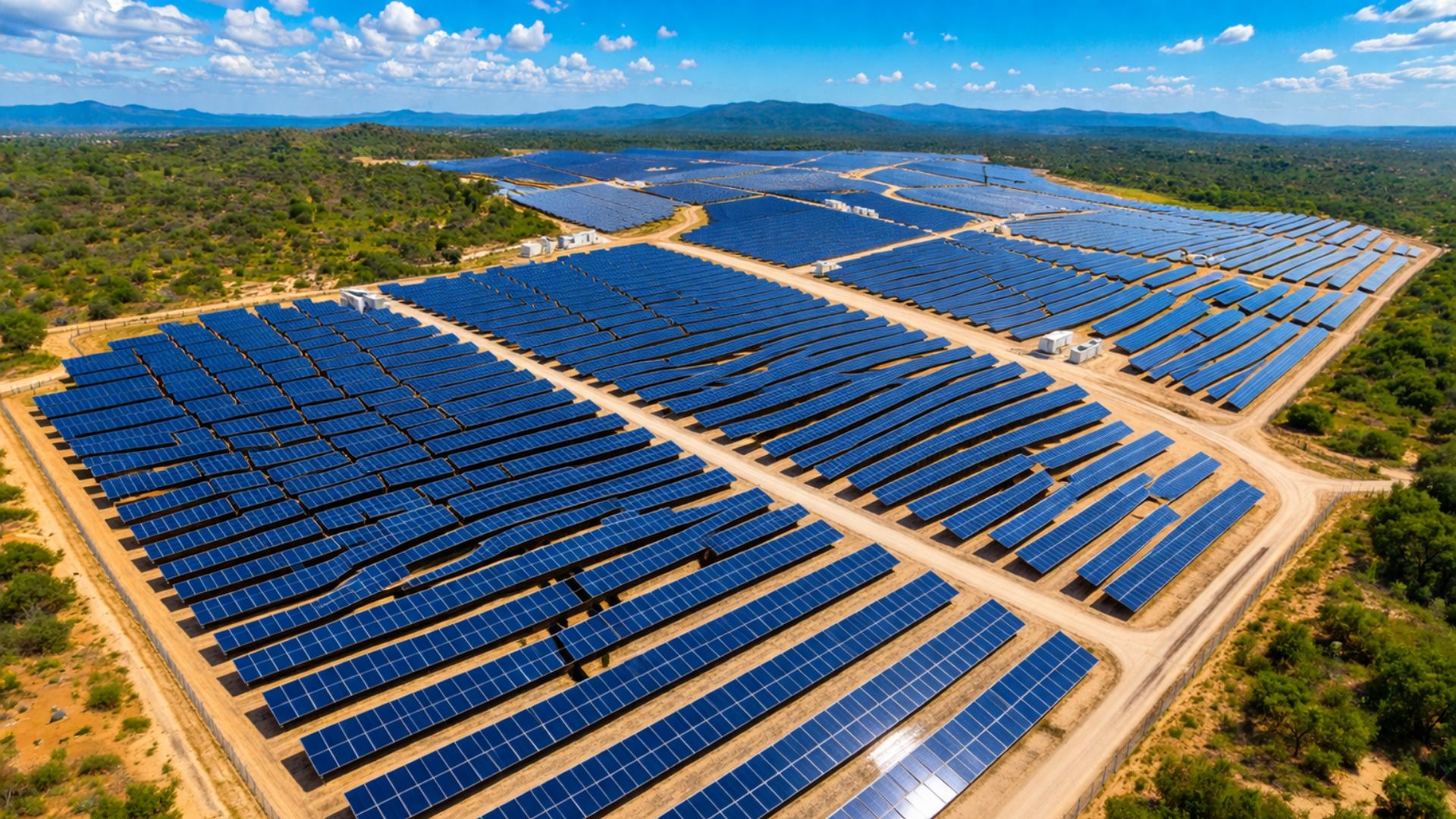
The Sol do Agreste Photovoltaic Complex begins operations in Pernambuco and accelerates the expansion of solar energy in Brazil, directly impacting the reduction of emissions and strengthening the sustainable energy matrix.
-
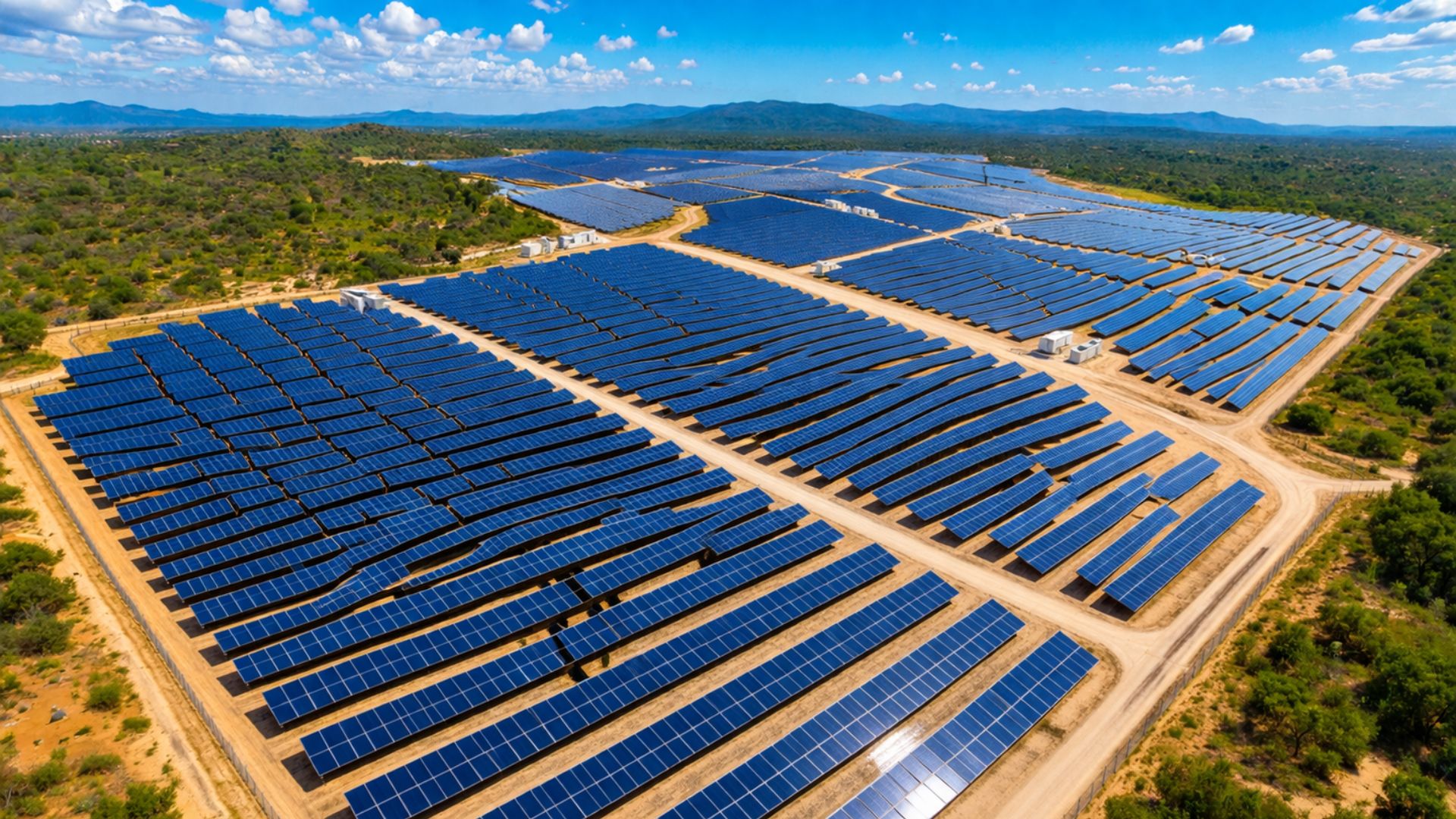
The Sol do Agreste Photovoltaic Complex begins operations in Pernambuco and accelerates the expansion of solar energy in Brazil, directly impacting the reduction of emissions and strengthening the sustainable energy matrix.
-
Renewable energy advances over protected areas in Brazil, and a survey by the Energy Transition Observatory reveals silent impacts that challenge environmental conservation and pressure sensitive traditional territories.

-
Rio Grande do Sul accelerates energy transition: State invests in renewable technologies and consolidates decarbonization strategies and pathways to attract billions in new industrial investments.


The efficiency of this residential wind turbine is remarkable. For example, the Avatar with its 1000W of power can generate up to 150kWh per month under ideal conditions, covering a significant portion of the consumption of a conventional home. There are even more powerful models on the market, capable of producing up to 750kWh per month, making them a viable and economical solution for a wide range of residential, commercial, and even rural applications.
Surprises and Market Potential
But the true surprise may lie in how residential wind turbines and solar energy can coexist harmoniously. Instead of competing, these technologies have the potential to complement each other. Hybrid systems that combine solar generation during the day and wind during the night could be the key to a more stable and reliable energy solution. This not only optimizes energy production but also opens new paths for innovation in the renewable energy sector.
Therefore, while residential wind turbines begin to gain ground, it is unlikely that they will signify the end of solar energy. On the contrary, the emergence of these mini wind turbines represents an expansion of our arsenal against the global energy crisis, promising to bring even more diversity and resilience to our energy system. The future does not seem to belong to a single energy source, but to an intelligent combination of several, with residential wind turbines and solar energy leading the march towards a more sustainable and energy-efficient world.
How Much Does a Residential Wind Turbine Cost on Average?
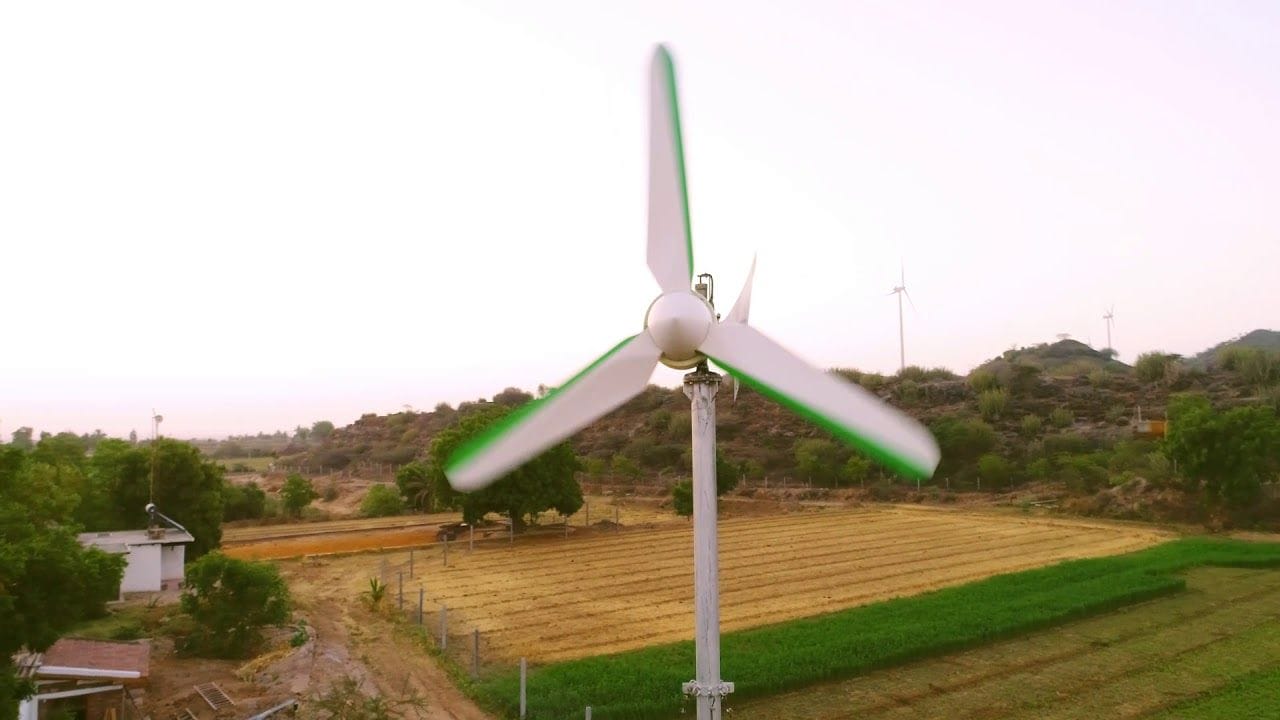
A complete residential wind energy system can cost between R$ 10,000 and R$ 75,000, while the wind turbine, the central piece of this system, can be acquired for prices ranging from R$ 2,000 to R$ 3,500. This price range reflects the diversity of models available on the market, as well as their capacities and technologies.
Among the options stands out the Avatar residential wind turbine from Avant Garde Innovations, known for its efficiency and low cost, as well as its ability to withstand adverse weather conditions, including cyclones. Capable of generating an impressive 5 kWh daily, optimized for wind speeds of 5.5 m/s, the Avatar promises not only savings but also silent operation and a lifespan ranging from 20 to 25 years.
In Brazil, these mini-turbines have been gaining traction on e-commerce platforms, with prices starting at R$ 2,250.00. The mini turbine from Avant Garde, for instance, can be found for around R$ 6,345.00, promising to generate up to 5.5 kWh daily or 165 kWh monthly – a significant amount that can considerably reduce electricity bills.
For those seeking even more affordable solutions, there are mini turbines available on the market capable of generating up to 400 w/h, sold for approximately R$ 2,580.00. These smaller models are ideal for charging batteries, delivering energy at 12 or 24 volts, suitable for off-grid systems or as a complement to residential energy supply.
Although the initial investment may seem high, the long-term benefits are undeniable. The savings generated on the electricity bill and the contribution to a more sustainable future are strong arguments in favor of residential wind turbines. As technology advances and prices become more competitive, we expect to see an increase in the adoption of this form of renewable energy, redefining domestic energy consumption and contributing to a greener planet.









Queria muito fazer parte,como faço pra ser um técnico?