Portuguese
  Spanish


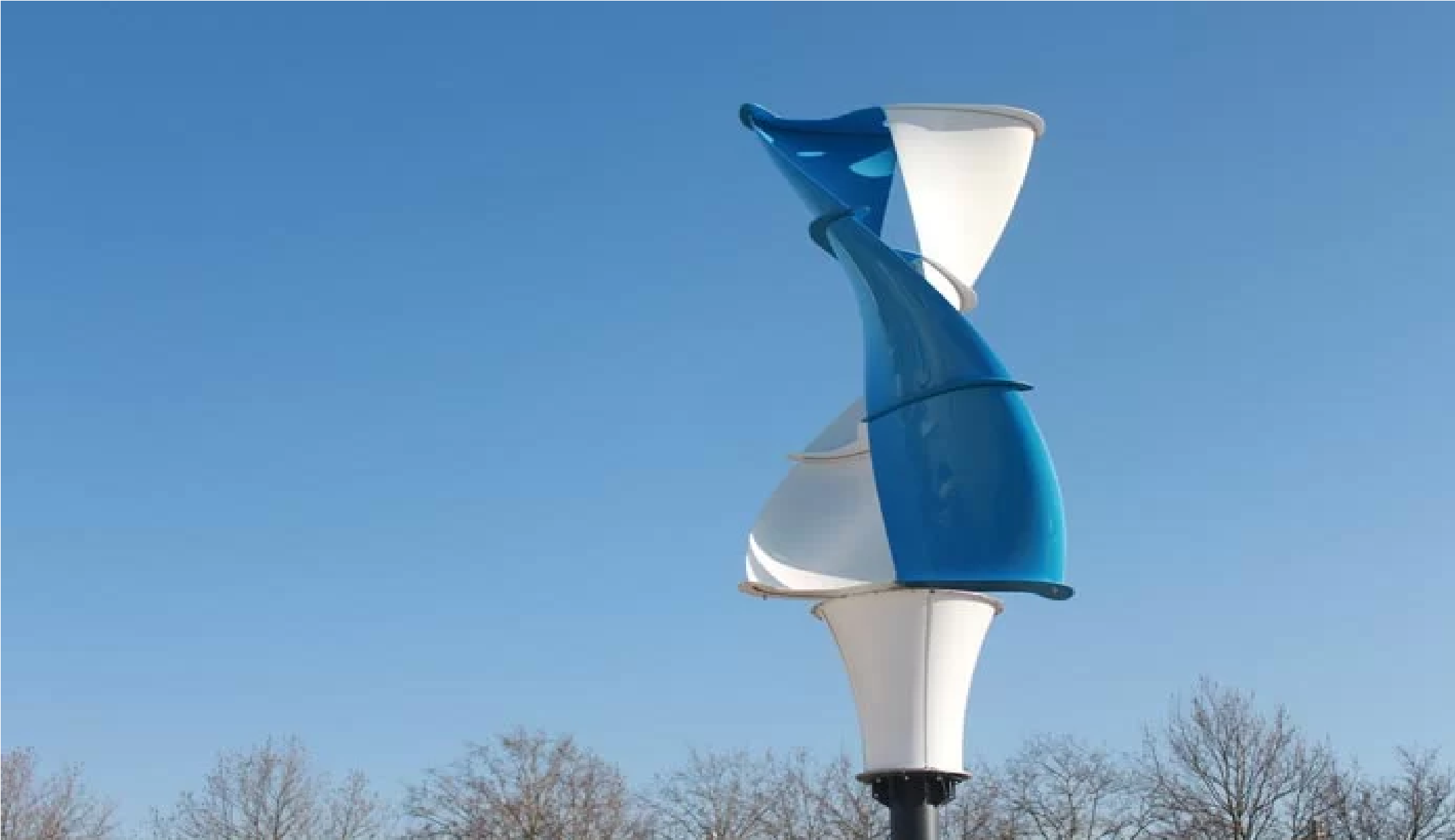

LuvSide Revolutionizes The Energy Sector With Vertical Wind Turbines And Stands Out In The Sustainable Market
Vertical axis wind turbines have gained prominence in the renewable energy landscape, and LuvSide is at the forefront of this revolution. With a history dating back to the 7th century in the ancient Persian Empire, these turbines represent an innovative and promising approach to clean energy generation, according to the EkkoGreen website.
Vertical axis wind turbines are emerging as a viable alternative to traditional horizontal axis turbines. They operate by converting the kinetic energy of the wind into electricity efficiently and sustainably, offering a self-sustaining power source for remote and windy areas.
LuvSide’s Mission: Sustainable Energy For All
LuvSide is a company that develops, builds, and sells vertical axis wind turbines for businesses, private owners, and communities. Its goal is to provide self-sustaining and sustainable energy, meeting the needs of organizations and individuals in remote landscapes, windy regions, and coastal areas.
-
Fired during apartheid and with a little borrowed money, an electrician started with a borrowed truck and transformed electrical services into a group connected to energy, real estate, and infrastructure in South Africa.

-
Wood has ceased to be just a construction material in Yale research and has become insulation for electrical transformers that face intense heat, aging, and increasing pressure from the renewable energy-powered grid.
-
More than 1,000 residents of a remote island in Kiribati now have clean water and electricity with solar systems operated by the community itself.
-
Ceará brings together 7 giants and R$ 66 billion to transform Pecém into the largest green hydrogen hub in Brazil, with final decisions expected by the end of 2026.


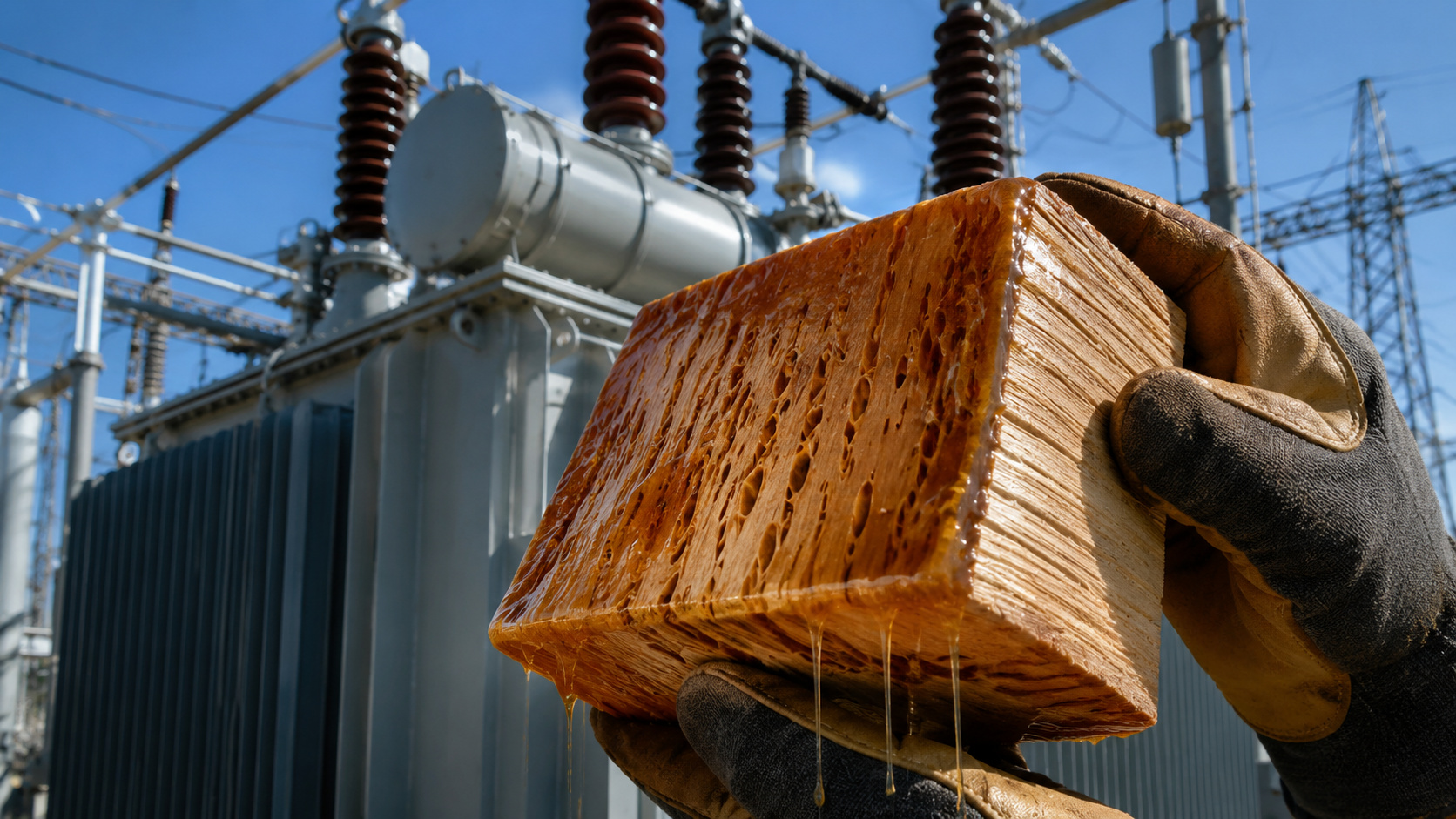

LuvSide’s vertical wind turbines are based on two main types: Savonius turbines and Darrieus turbines. While Savonius turbines utilize resistance to airflow, Darrieus turbines take advantage of lift to generate power. Both designs have unique advantages in terms of efficiency and ease of installation.
The Future Of Vertical Wind Turbines
Vertical axis wind turbines offer numerous advantages, such as lower environmental impact, efficient operation in varying wind conditions, and ease of transport and installation. Combining functionality and aesthetics, they represent a promising solution for renewable energy generation in urban areas and diverse landscapes.
With the advancement of vertical wind turbines, LuvSide is leading the way towards a more sustainable and energy-efficient future. Its commitment to innovation and quality is driving the adoption of clean energy sources worldwide, promoting a healthier and more sustainable environment for future generations.
What Are Vertical Wind Turbines?
Vertical wind turbines are an innovative and promising alternative to traditional horizontal axis wind turbines. While horizontal axis wind turbines are more common and well-known, vertical axis turbines possess unique characteristics and benefits that make them an interesting option for wind energy generation.
Unlike horizontal axis turbines, which have their blades rotating around a horizontal axis, vertical axis turbines have their blades or rotors spinning around a vertical axis. This offers significant advantages, such as lower visual impact, the ability to capture wind from any direction, and a reduced need for orientation systems to follow the wind direction.
There are different designs of vertical axis wind turbines, with the most common being the Savonius and Darrieus models. Savonius turbines are based on resistance to airflow, where the blades are pushed by the wind, while Darrieus turbines utilize the lift principle to generate rotation.