





 Portuguese
  English
  Spanish
  4 min of reading
  0 comments


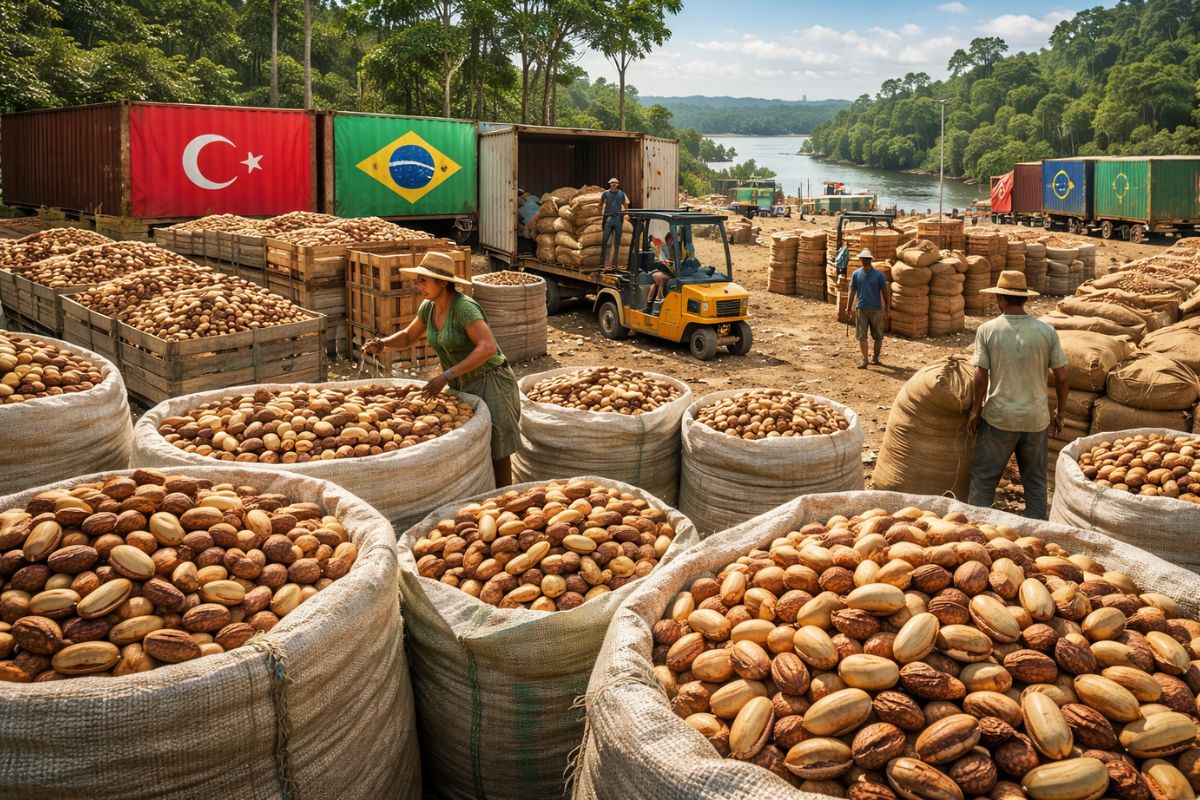
With Sanitary Approval, Turkey Begins Importing Brazil Nut with and without Shell, Opening a New Export Route, Income for Extractivist Communities, and Direct Stimulus for Forest Conservation.
In addition to consolidating the Brazil nut as a product of high nutritional and socio-environmental value, the decision strengthens Brazilian agriculture in international trade. In 2025, Turkey had already imported over US$ 3.2 billion in agricultural products from Brazil, and the agreement adds to a package of 535 market openings since 2023, resulting from the joint efforts of the Ministry of Agriculture and Livestock and the Foreign Ministry.
What Changes with Turkey’s Opening for Brazil Nuts
With the recently concluded sanitary approval between the two countries, Brazil now has formal authorization to export Brazil nuts with and without shell to the Turkish market.
This means that the product can arrive both in its raw form, linked to traditional extractivism, and already processed, ready for use by the food industry and end consumers.
-
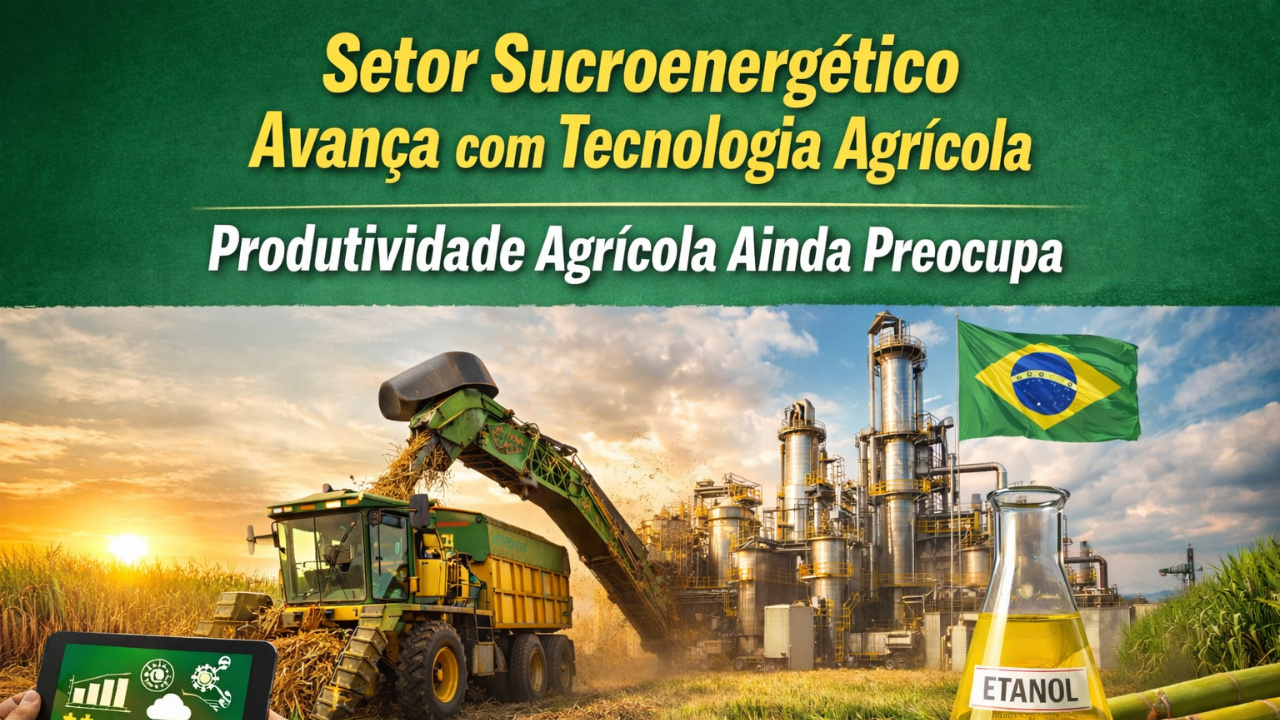
The sugar-energy sector advances with agricultural technology, but agricultural productivity still raises concerns.
-
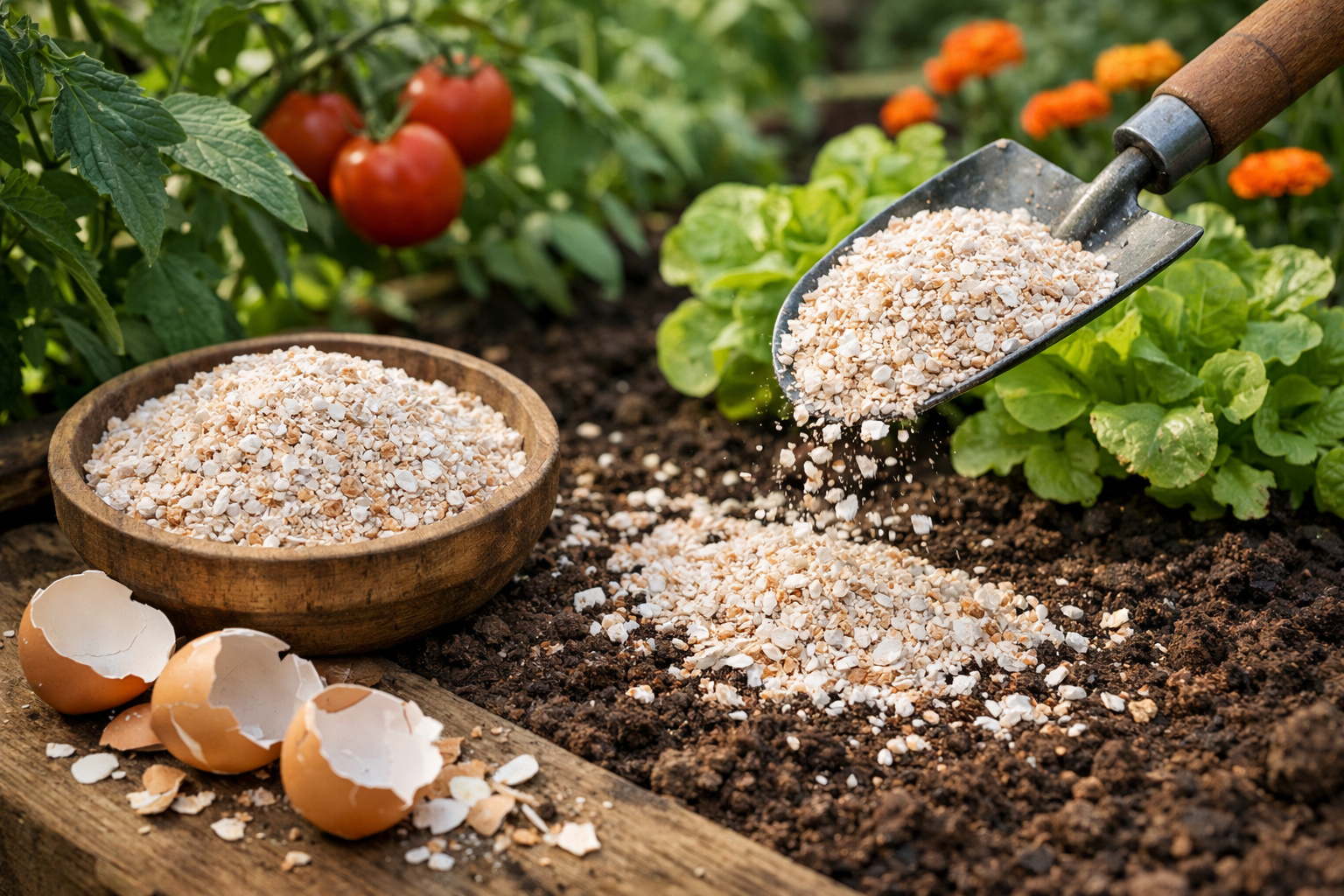
The eggshell that almost everyone throws away is made up of about 95% calcium carbonate and can help enrich the soil when crushed, slowly releasing nutrients and being reused in home gardens and vegetable patches.
-
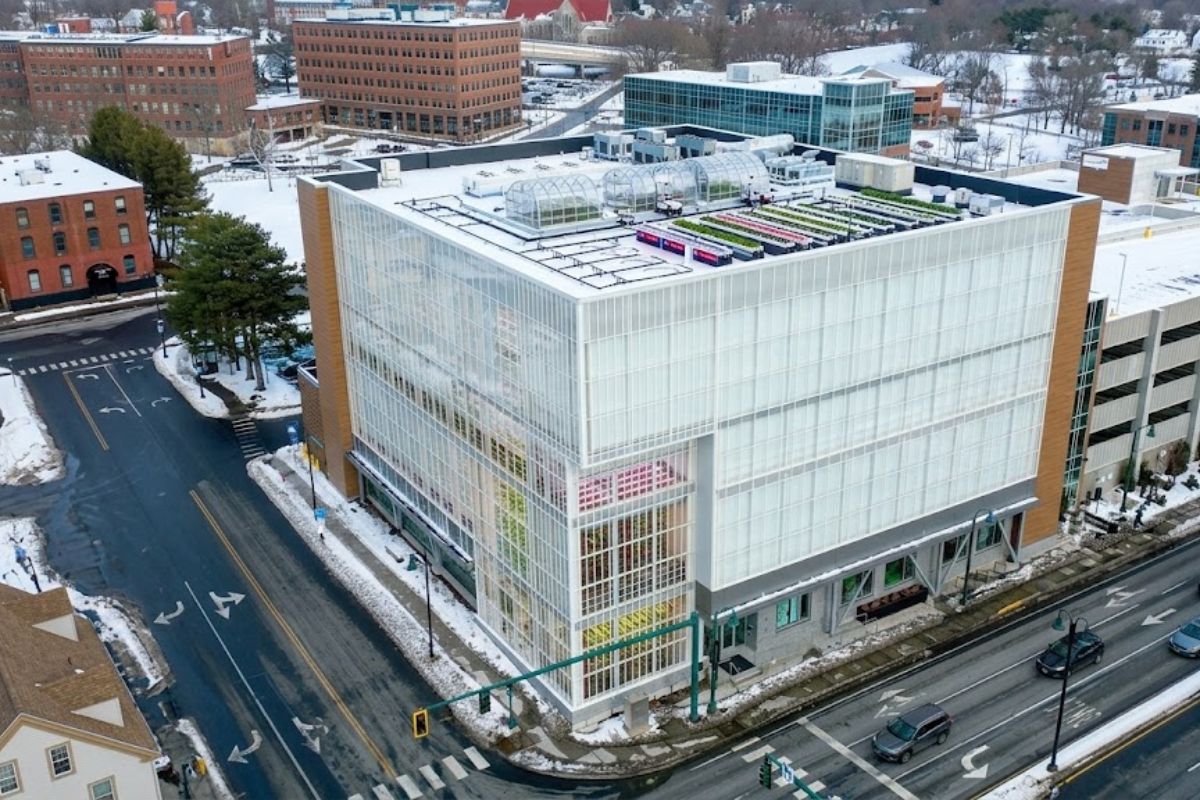
This farm in the United States does not use sunlight, does not use soil, and produces 500 times more food per square meter than traditional agriculture: the secret lies in 42,000 LEDs, hydroponics, and a system that recycles even the heat from the lamps.
-
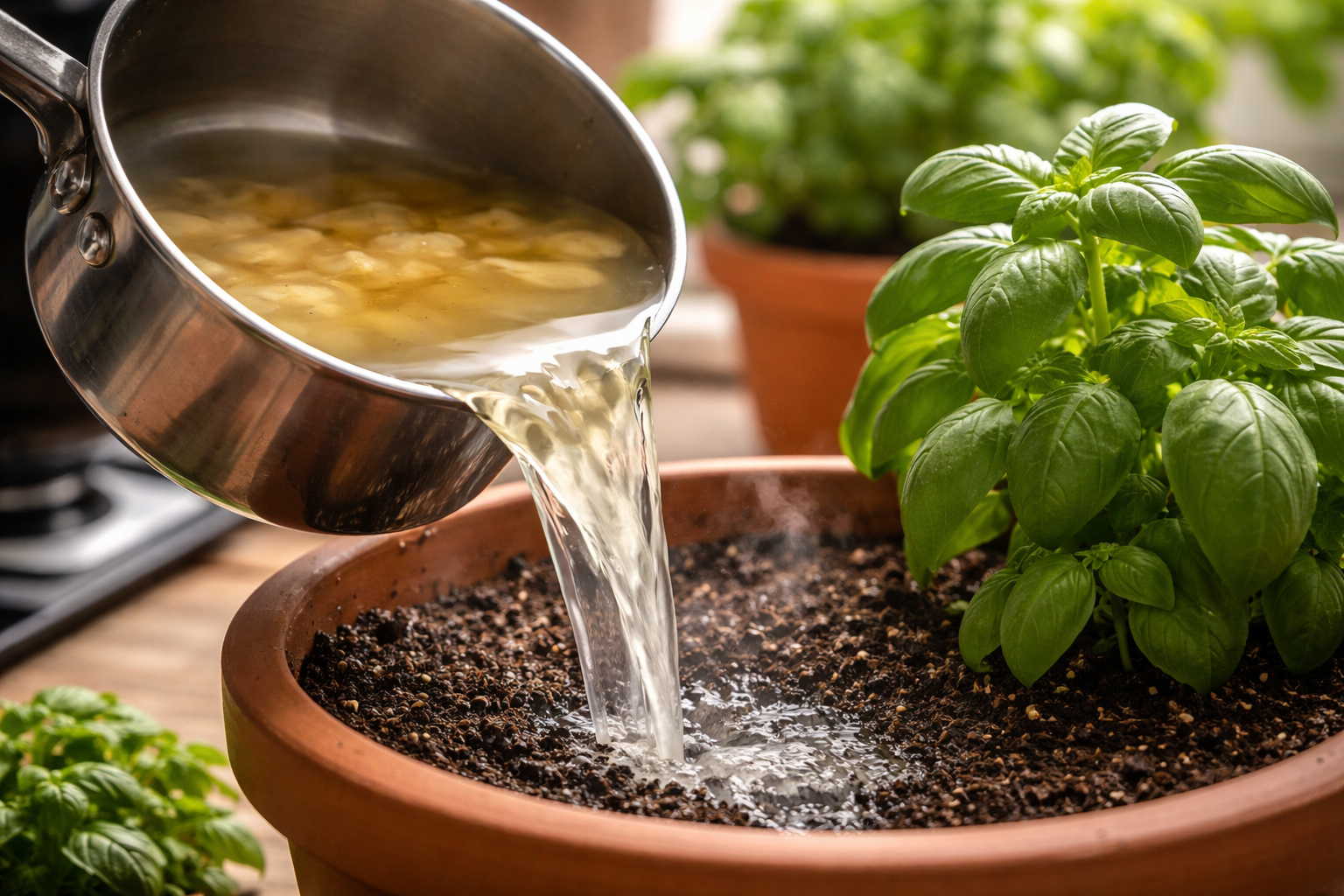
The water that almost everyone throws away after cooking potatoes carries nutrients released during the preparation and can be reused to help in the development of plants when used correctly at the base of gardens and pots, at no additional cost and without changing the routine.
According to a joint statement from the Ministry of Agriculture and the Ministry of Foreign Relations, the agreement was reached after technical negotiations that defined the sanitary requirements for Brazil nuts, ensuring food safety and predictability for exporters and buyers.
In practice, it is a new door opened in a market that already purchases significant volumes of Brazilian agriculture.
Brazil Nut: Income for Communities and Forest Conservation

More than just a simple commodity, the Brazil nut is internationally recognized for its high nutritional value and, most importantly, for the way it is produced.
The collection is done extractively by traditional communities that depend on the standing forest for survival.
When external demand grows and new markets open up, the income of these communities tends to increase, creating a virtuous circle. The more valuable the Brazil nut, the greater the incentive to maintain the forest conserved, since it is from there that the fruit sustains entire families.
Instead of cutting down trees for predatory activities, the logic is reversed: preserving the forest becomes the best long-term economic strategy.
In this context, Turkey becomes yet another indirect ally of conservation by purchasing a product that arises from the balance between economy, traditional culture, and the environment.
Turkey-Brazil Trade Relationship Enters a New Chapter
The opening of the Turkish market for Brazil nuts does not start from scratch. In 2025, Turkey imported over US$ 3.2 billion in Brazilian agricultural products, with highlights including soy complex, coffee, fibers, and textile products, according to data cited by Compre Rural.
Now, this portfolio gains a component with strong socio-environmental appeal. By including Brazil nuts on the agenda, Brazil diversifies the basket of products sent to Turkey, reducing dependence on a few items and expanding possibilities for higher value-added niches.
For Turkey, it is an opportunity to offer consumers a food associated with health, nutrition, and the conservation of the Amazon, which can be explored by the food industry, retail chains, and brands that invest in sustainable positioning.
535 Market Openings and the Role of Brazil Nuts in This Movement
Since the beginning of 2023, the Brazilian agribusiness has accumulated 535 market openings, resulting from the strategy of broadening destinations and opportunities for different production chains.
The entry of Brazil nuts into Turkey stands out on this list as it combines foreign trade, inclusion of extractivist communities, and environmental conservation.
This advance is the result of integrated work between the Ministry of Agriculture and Livestock and the Ministry of Foreign Relations, which engage in technical, sanitary, and diplomatic negotiations.
Each new opened market represents more predictability for producers, more options for exporters, and more competitiveness for Brazilian agribusiness, which begins to have a presence on shelves across different regions of the world.
In the case of Brazil nuts, the impact goes beyond the traditional field. It reaches the banks of rivers, the homes of riverside communities, and the territories where extractivism is the basis of the local economy.
Opportunities and Challenges for Those Who Rely on Brazil Nuts
With Turkey opening its doors to Brazil nuts, opportunities arise ranging from export contracts to partnerships with food industries and ingredient companies.
However, this window also brings concrete challenges for those who depend on collecting the fruit.
It will be necessary to maintain stricter quality standards, take care of storage, drying, and transportation, as well as organize production to meet export volumes regularly.
Associations, cooperatives, and exporting companies play a central role in bridging the forest and the international market.
At the same time, the pressure for greater supply must not compromise care for the forest and the nut trees themselves.
The balance between scale, fair pricing, and sustainability will continue to be the major test for Brazil nuts to remain a symbol of standing forests and not merely another item on the export agenda.
In the end, Turkey’s opening shows that Brazil nuts can occupy a strategic space in Brazilian agribusiness, bringing along the story of extractivist communities, the image of the Amazon, and the country’s efforts to combine production and conservation.
And you, do you think Turkey’s opening for Brazil nuts will really increase the income of those who depend on the forest and strengthen conservation, or is there still a lack of structure for this potential to become reality?







-

Uma pessoa reagiu a isso.