





 Portuguese
  English
  Spanish
  3 min of reading


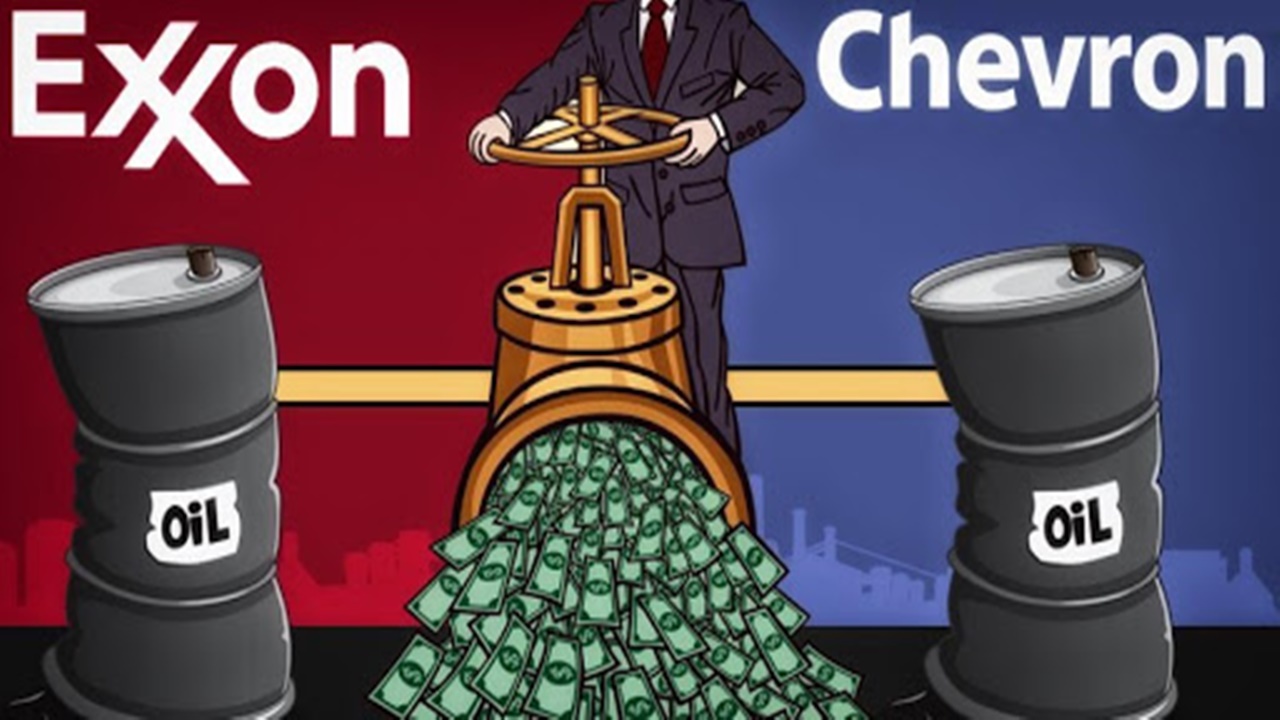
The Merger of Two of the World’s Largest Oil Companies, ExxonMobil and Chevron, Leaves the Oil Market Disturbed, Says Wall Street Journal
According to a report from The Wall Street Journal last Sunday (01/31), the two largest oil companies in the United States, Chevron and ExxonMobil, discussed the possibility of a merger. The talks took place in 2020, after the COVID-19 pandemic impacted oil prices. FPSO Carioca leased by Petrobras and operated by Modec arrives this week at the Brasfels shipyard for integration
Also Read
- Honda, the multinational automobile manufacturer, is hiring candidates without experience for trainee positions at its factories
- The Finnish multinational Wärtsilä is hiring engineers for its base in Rio de Janeiro, today February 15
- Ethanol plant opens recruitment and selection in many positions requiring elementary, middle, technical, and higher education
To survive the oil crisis, especially following the detrimental effects of COVID-19 on the sector, the largest descendants of Standard Oil are discussing a merger, reported the Wall Street Journal.
With the merger, the new company would have more than US$ 350 billion in market value, with a daily production of 7 million barrels per day. If realized, the merger would result in the second-largest oil company in the world, behind only the Saudi state-owned company Saudi Aramco.
-
A major turn in the Justice system suspends tax increases and directly impacts oil and gas companies in Brazil by affecting costs, contracts, and financial planning, leaving uncertain what could happen to the sector if these costs had increased.

-
Brava Energia begins drilling in Papa-Terra and Atlanta and could change the game by reducing costs in oil while increasing production and strengthening competitiveness in the offshore market.
-
Petrobras surprises the world again by announcing a new discovery in the pre-salt with excellent quality oil.
-
Offshore industrial demand in Macaé skyrockets with the recovery of oil and gas and could grow by up to 396% by 2026 in the Campos Basin.

Demand has dropped dramatically around the world after the crisis triggered by the coronavirus pandemic, impacting barrel prices. Amid geopolitical disputes, members of the Organization of the Petroleum Exporting Countries (OPEC) decided to accelerate production, causing prices to plummet: for the first time in history, WTI futures contracts traded in negative territory.
Moreover, the renewable energy market is becoming increasingly competitive against fossil fuels, further exacerbating the situation for oil companies.
Although a potential merger between the two American giants may seem like a good solution for those involved, it would face immediate resistance from antitrust authorities around the world, including in the United States.
The Idea of the Merger Sounds Like a Warning for the Global Oil Industry
If the winds blow against the merger between Exxon and Chevron, the idea of the deal sounds like a warning for the global oil industry. The recovery of demand is not coming as expected, particularly in light of the second wave of COVID-19 in the world.
While the global economy struggles, the cash flow of oil companies continues to be eroded. In addition to everything, companies are looking to restore value creation for shareholders. Seven years ago, Exxon was the largest company in the United States, with a market cap of US$ 400 billion. However, a series of misguided strategies allowed technology companies, the “new economy,” such as Apple, Google, and Microsoft, to take over.
In 2020, Exxon stocks fell nearly 29%, while Chevron’s shares decreased by approximately 20%, even with oil prices showing strong recovery in recent months.









Seja o primeiro a reagir!