





 Portuguese
  English
  Spanish
 5 min of reading
  0 comments



Ubatuba Advances in Modernizing the Education Network with Solar Energy in Seven Public Schools. Project with Photovoltaic Panels Reduces Costs and Increases the Annual Savings of the Municipality
The City Hall of Ubatuba announced the installation of solar energy generation systems in seven public schools of the municipal network. The measure provides for the implementation of photovoltaic panels capable of meeting the electrical demand of these units, ensuring modernization of school infrastructure, cost reduction, and greater environmental sustainability.
According to a statement from the City Hall of Ubatuba this Tuesday (2), the initiative is expected to generate annual savings close to R$ 1 million, with a direct impact on reducing energy expenses. The project marks a step forward in the use of renewable technologies and encourages the adoption of sustainable solutions in public education.
Solar Energy in Public Schools: Why the Project is Strategic for Ubatuba
The initiative positions the municipality among Brazilian cities that adopt structural strategies to reduce costs while modernizing the provision of essential public services. In addition to the financial impact, the project also promotes a paradigm shift for students and the school community, with a public policy grounded in renewable energy and efficient resource use.
-
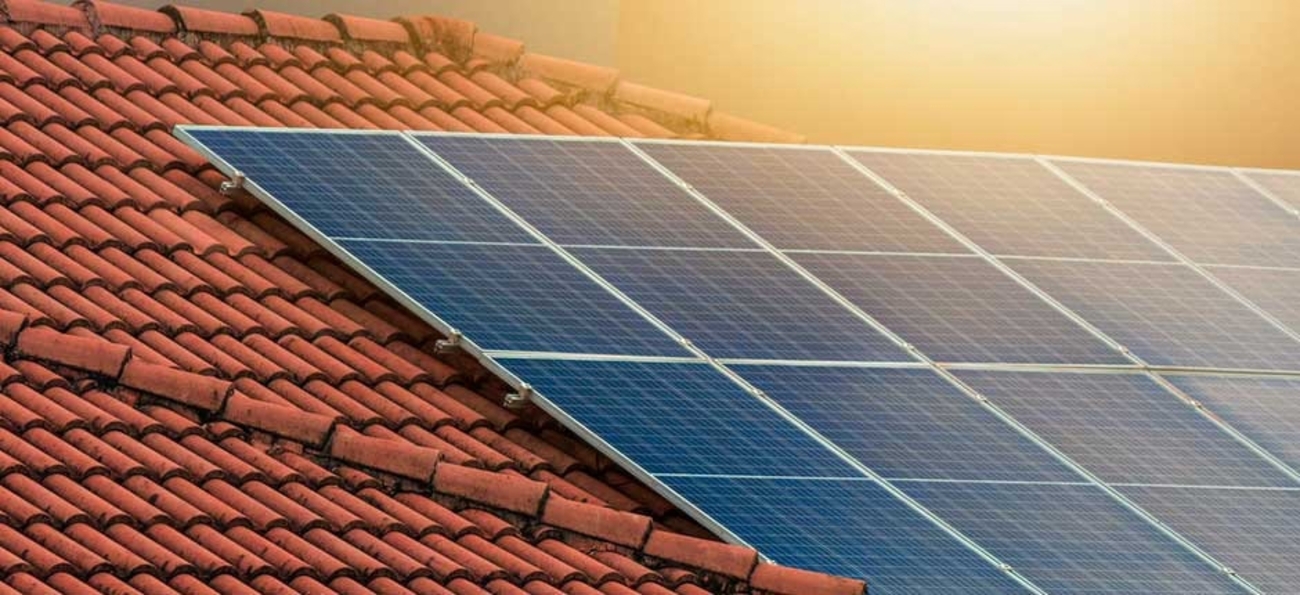
Roraima bets on the sun to escape high tariffs: Amid the energy crisis and price hikes, solar energy is growing in Roraima and transforming consumption in the North region.
-
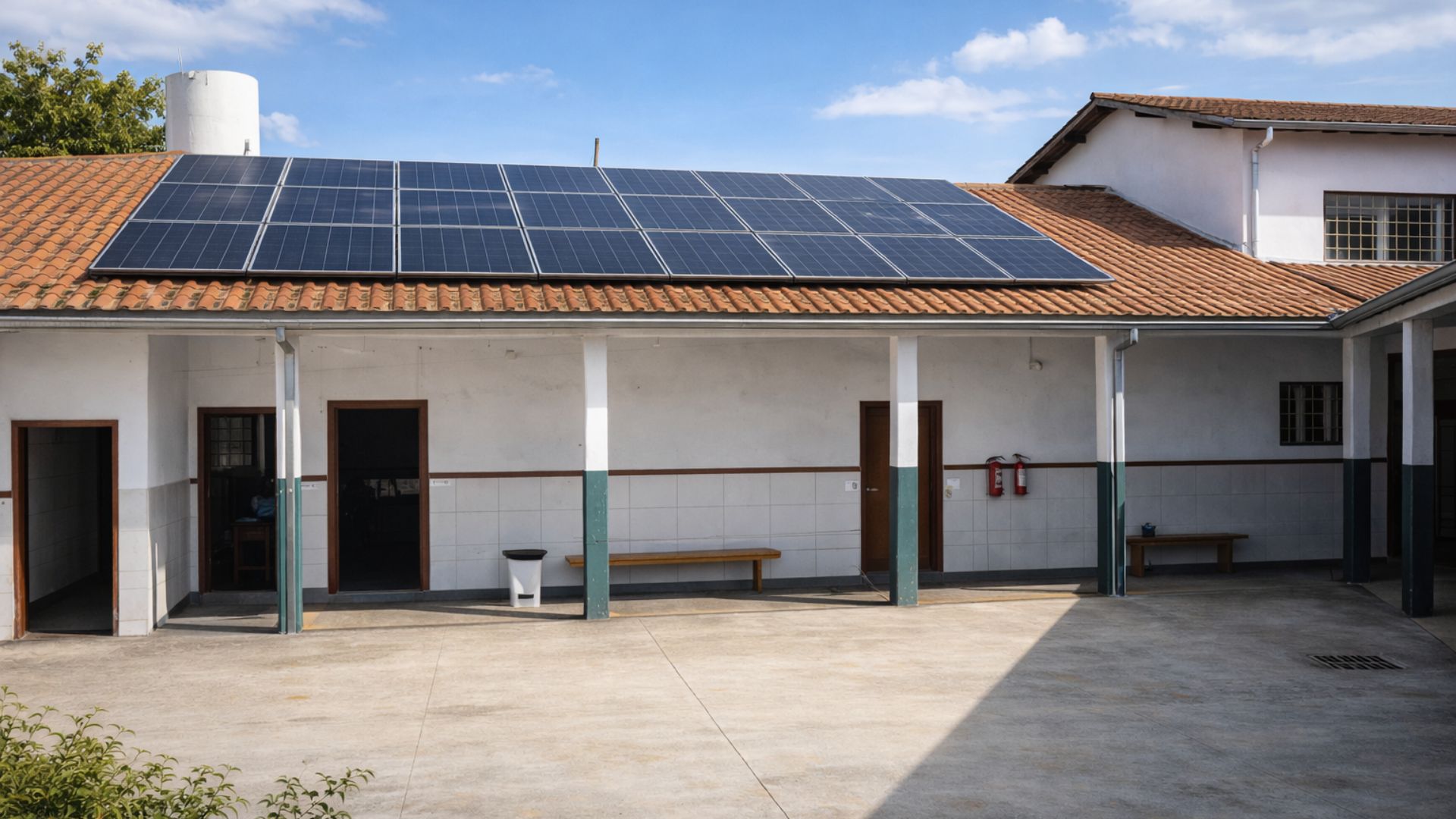
Copel boosts solar energy in Paraná and brings innovation to public schools, promoting savings on electricity bills, energy efficiency, and a direct impact on the quality of education.
-
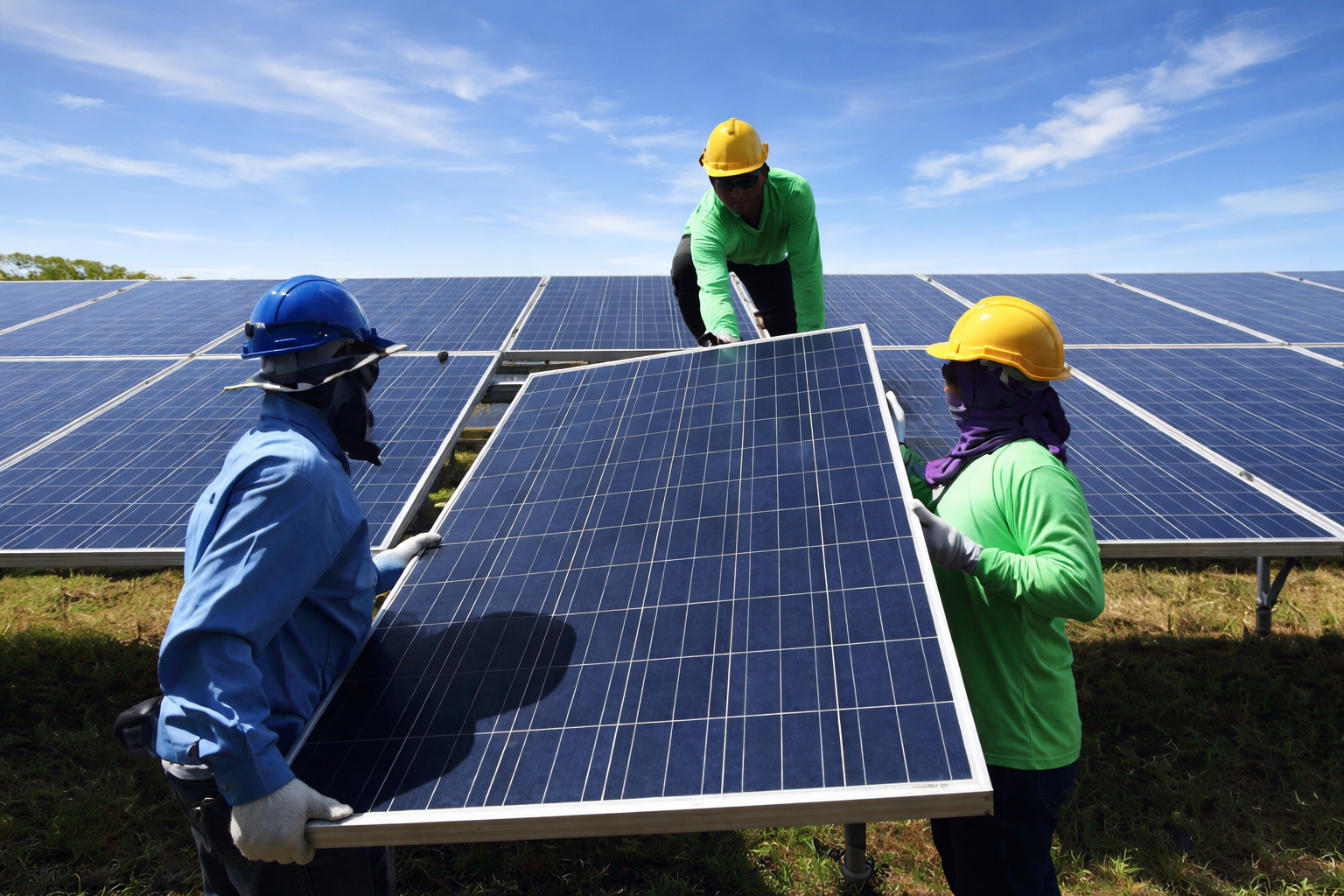
Brazil reaches historic milestone in solar energy: Sector surpasses 2 million accumulated green jobs and generates billions in the national economy even under market pressure.
-
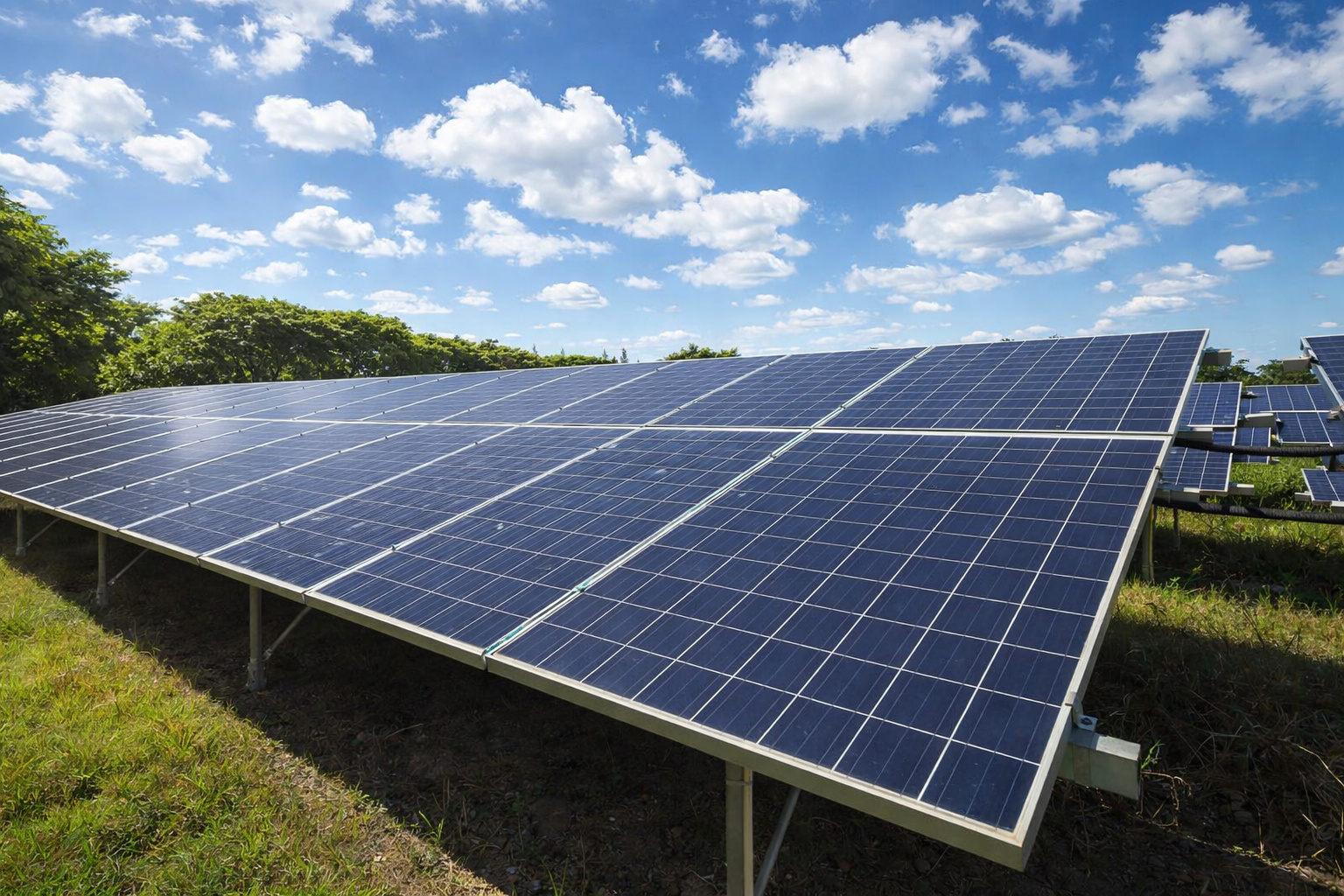
Minas Gerais takes the lead in renewable energy: State surpasses historic mark of 14 GW in solar energy generation in MG and consolidates dominance in the Brazilian electric sector.

The investment in solar energy represents an important step to qualify the education network and establish new sustainability standards. Public schools have high energy consumption, especially in environments that require continuous lighting, ventilation, IT equipment, and administrative infrastructure. Therefore, reducing reliance on the traditional electrical grid has a direct effect on the costs and operations of the units.
According to the City Hall of Ubatuba, the set of installed photovoltaic panels is sized to meet the average consumption of each school, allowing the harnessing of the region’s solar potential and reinforcing energy security during periods of higher demand. The goal is to significantly reduce the energy bill for the schools and provide a more predictable scenario for municipal fiscal planning.
In addition to the structural and financial impact, the initiative also contributes to making education an agent of environmental change. The adoption of clean energy in educational units reinforces the commitment to sustainable practices and encourages awareness among students, teachers, and families about the intelligent use of natural resources.
Units in Ubatuba That Will Receive Solar Energy
Ubatuba continues in the process of modernizing the municipal education network, focusing on innovation, efficiency, and sustainability. The municipal administration emphasizes that the installation of photovoltaic systems represents savings for public funds, reduction of environmental impacts, and increased investments in education. Mayor Flavia Pascoal points out that each installed system contributes to optimizing resources and strengthening the educational policies of the municipality.
According to the Deputy Secretary of Education, the project brings direct results for public management, such as reduced structural costs, modernization of school infrastructure, and reinforcement of pedagogical initiatives. The Deputy Secretary of Education, José Carlos Firme, emphasizes that the action represents a concrete advance towards a more modern, sustainable public education system aligned with social development.
The seven units covered in this first phase of the project are:
– CEI Professor José Hércules Cembranelli
– CEI Corsino Aliste Mesquita
– EMEI Professora Maria Alice Leite da Silva
– EM Professora Marina Salete Nepomuceno do Amaral
– EM Nativa Fernandes da Silva
– EMEI Judith Cabral dos Santos
– EMEI Padre José de Anchieta
Photovoltaic Panels: How the System Adopted in Ubatuba Works
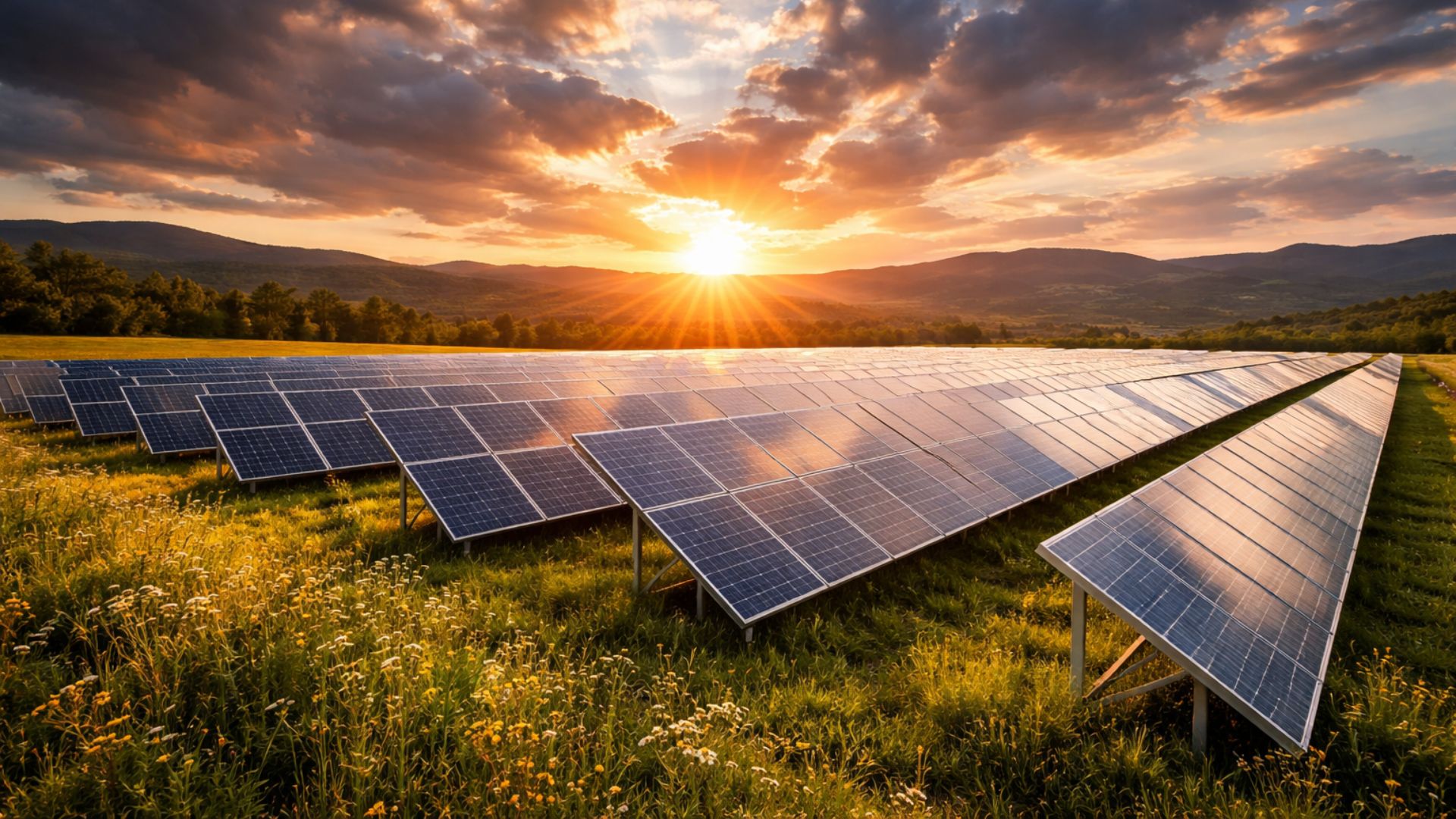
The photovoltaic panels installed in the schools capture solar radiation and convert this energy into usable electricity. The system converts energy through solar panels connected to inverters, which are responsible for adapting the generated electricity to the needs of the grid. Additionally, the installation is made on the roofs of the units, making use of the existing structure and avoiding architectural interference in school buildings.
This type of technology has been adopted by various Brazilian municipalities due to its cost-benefit ratio and its capacity to reduce electricity expenses. Photovoltaic systems require low maintenance and have a longer lifespan when compared to other energy alternatives. This makes the Ubatuba project even more effective in terms of return for public management.
Another relevant point is that the system works even on cloudy days, as the panels can capture diffuse radiation. Thus, generation is maintained throughout the year, ensuring regularity and predictability in the supply of energy to schools.
Economy with Solar Energy: Financial Impact and Benefits for the Municipality
The municipal estimate points to annual savings of approximately R$ 1 million for the education network. This amount can be used for other essential purposes, such as school maintenance, acquisition of pedagogical items, and structural improvements. This saving not only represents reduced expenses but also a way to redirect public resources to priority areas.
The projected savings are based on the historical consumption of the schools and the average cost of traditional energy. Since energy tariff values are constantly affected by market fluctuations, seasonality, and regulatory changes, initiatives like this allow for minimizing the effects of adjustments and protecting the public budget.
Another benefit is financial predictability. By producing part of the energy consumed, the municipality reduces reliance on budget cuts and avoids jeopardizing future investments. This is especially strategic in the educational sector, which requires continuous planning and ongoing modernization.
Relevance of the Project for the Community and Public Education
The installation of photovoltaic panels in the public schools of Ubatuba goes beyond savings. It is a measure with social and educational impact. By bringing sustainability into the school environment, the municipality reinforces its commitment to policies involving the environment, public efficiency, and social responsibility.
For school communities, the initiative can become a pedagogical tool. Teachers and students can work on themes related to renewable energy, climate change, and conscious consumption. At the same time, the project helps improve infrastructure and reduce the risks of interruptions in power supply.
This modernization represents an important advance and serves as a positive example of public administration that prioritizes quality and innovation in the services it offers.
Solar Energy as an Investment in the Future of Education and the Municipality
The strategy adopted by Ubatuba demonstrates how public policies can incorporate sustainability and efficiency in the educational sector. With the installation of solar energy systems in public schools, the municipality not only reduces expenses and modernizes its infrastructure but also strengthens a culture of environmental responsibility and fiscal balance.
This model can be replicated in other Brazilian cities, serving as a reference for managers and educators. The solar energy appears not only as a technical or economic solution but as a project that integrates social development, education, and sustainability.
The adoption of photovoltaic panels in public schools is an important step towards building a more efficient, sustainable education network prepared for future energy challenges. It is a project that benefits public administration, the school community, and the city as a whole, reflecting a long-term investment in education, technology, and environmental responsibility.








Seja o primeiro a reagir!