





 Portuguese
  English
  Spanish
  5 min of reading
  0 comments


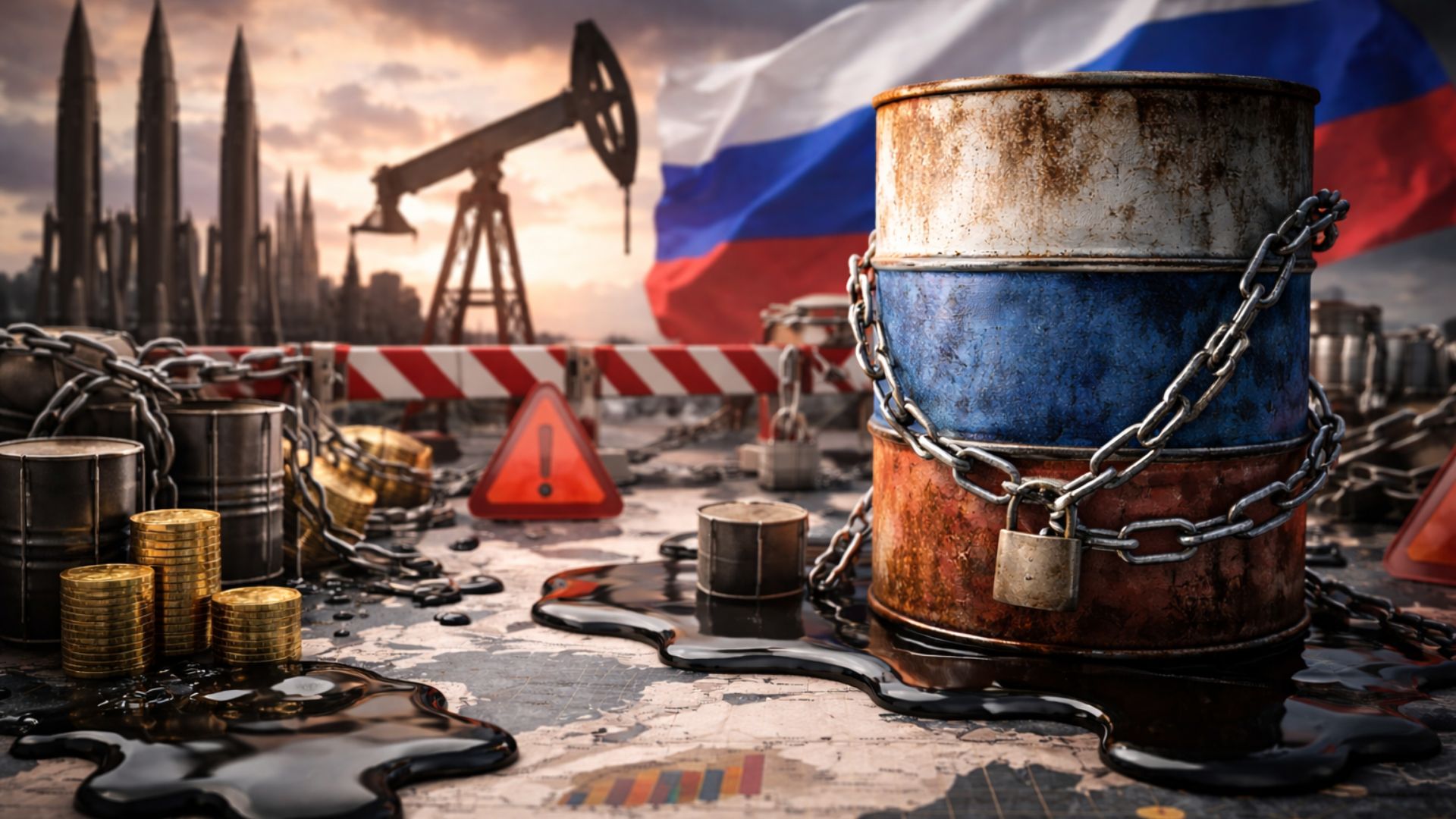
The European Union Decided to Keep Economic Sanctions Against Russia Until 2026, Preserving Restrictions on Oil, Expanding Financial Blockades, and Reinforcing Geopolitical Pressure on Moscow
On December 22, 2025, the European Council announced the extension, for six more months, of the economic sanctions against Russia, extending their validity until July 31, 2026. The decision maintains the ban on the import of oil transported by sea to the European Union, in addition to reinforcing a comprehensive set of financial, commercial, energy, and technological restrictions.
The measure reaffirms the European Union’s strategy to maintain political and economic pressure on Russia, in response to the war in Ukraine. According to the bloc, the sanctions remain necessary in light of Moscow’s ongoing actions that destabilize the situation in Ukraine and violate fundamental principles of international law.
European Union Maintains Sanctions on Russia and Ban on Oil Until 2026
Right in the announcement, the European Council made it clear that the restrictions will remain in effect as long as the actions deemed illegal persist, signaling that there is no prospect for relaxation in the short term.
-
Brazilian giant expands borders in the Southeast: Petrobras confirms new oil discovery in ultra-deep waters in the pre-salt of the Campos Basin.

-
Alert in the global energy market: Severe tropical cyclone hits the coast and disrupts gas production at major plants in Australia, threatening global supply.

-
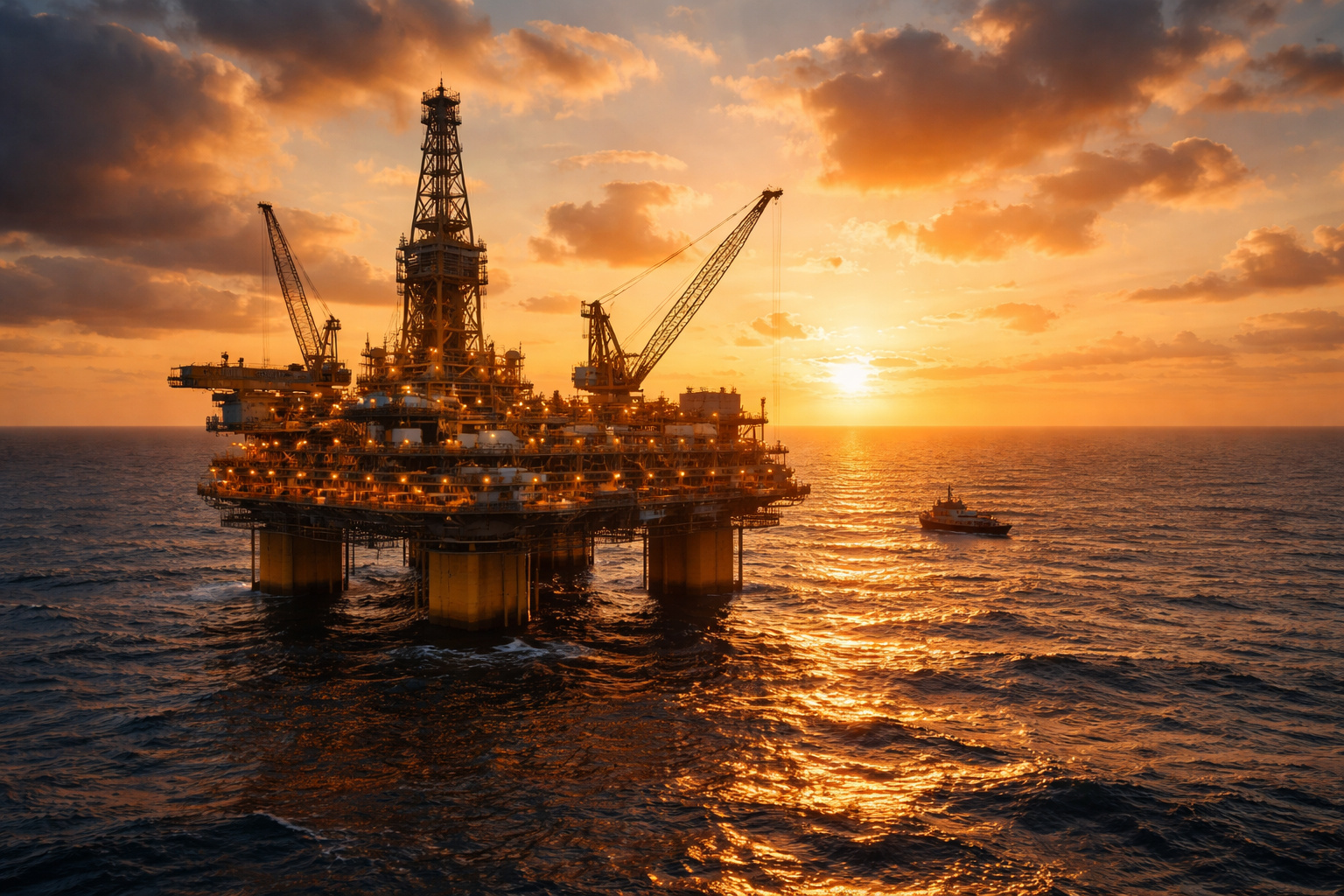
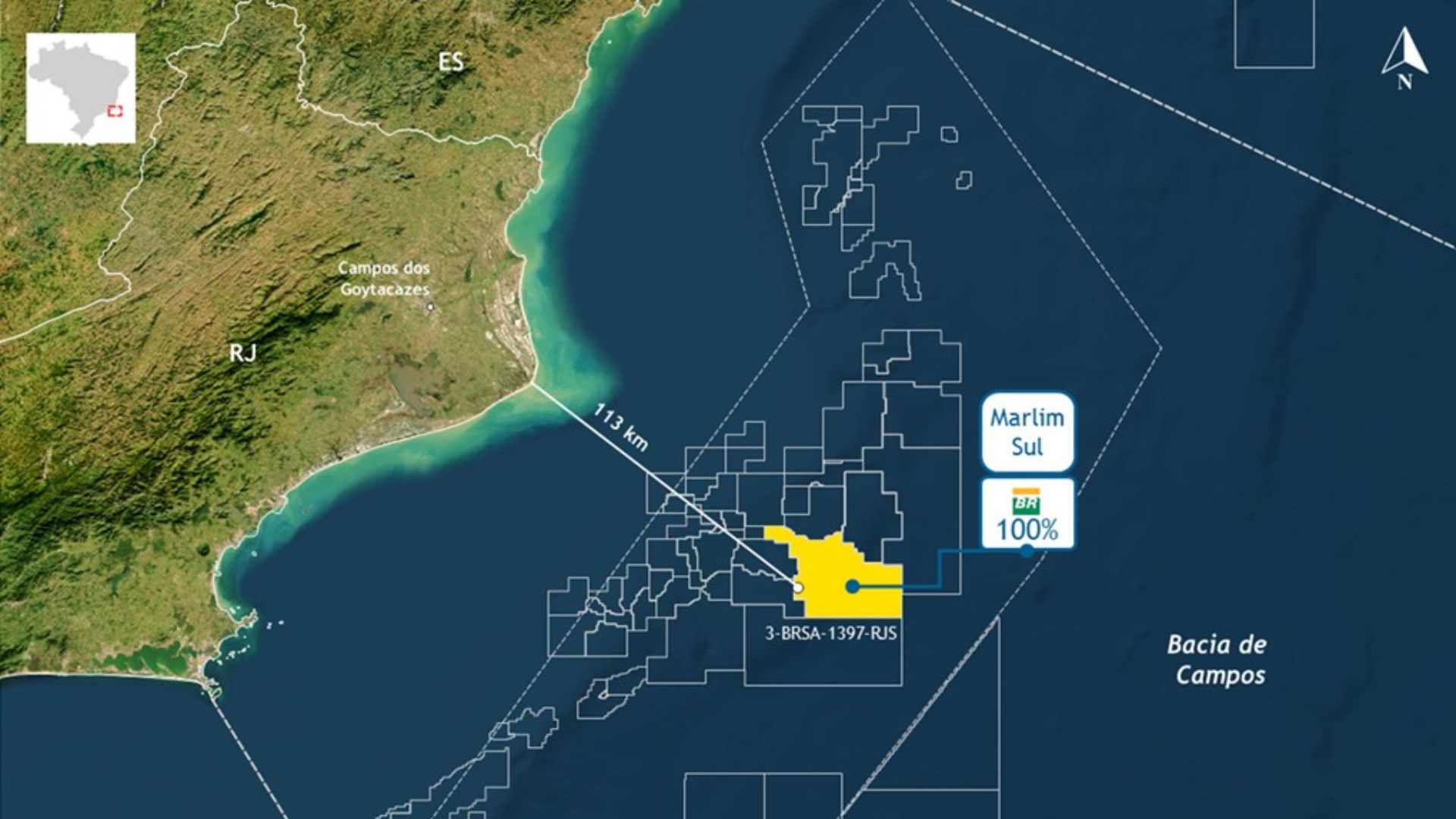
Petrobras finds high-quality oil in the pre-salt at 113 km from RJ and reignites expectations about strategic reserves in the Campos Basin.
-
Ocyan opens registrations for startups focused on innovation in the oil and gas sector and will select projects for Innovation Day with the support of Nexio.


The renewal of sanctions confirms that the European Union views the conflict in Ukraine as a structural and long-term issue. The extended package preserves the ban on the import and transfer of Russian crude oil by sea, as well as restrictions on refined petroleum products.
Oil occupies a central position in the sanctions policy, as it represents one of Russia’s main sources of external revenue. Before the war, the European market was one of the largest destinations for Russian oil. With the restrictions, the bloc drastically reduced this dependency while seeking new suppliers and energy alternatives.
According to the European Council, maintaining the sanctions is a proportional response to the severity of the violations committed, reinforcing the EU’s commitment to Ukraine’s sovereignty.
Economic Sanctions of the European Union Against Russia: Origin and Expansion
The European Union’s economic sanctions against Russia were initially introduced in 2014, following the annexation of Crimea. However, it was from February 2022, with the large-scale invasion of Ukraine, that the sanctions regime underwent unprecedented expansion.
Since then, the European Union has approved various successive packages, targeting strategic sectors of the Russian economy. The stated goal is to weaken Russia’s financial, military, and technological capabilities, without excessively penalizing the member states of the bloc.
The extension until 2026 demonstrates that the EU sees sanctions as a permanent tool, as long as there are no substantial changes in the geopolitical landscape.
Impacts of Sanctions on the Oil and Energy Market
The oil sector is one of the most directly affected by the sanctions imposed by the European Union on Russia. The ban on maritime imports led to a profound reconfiguration of the European energy market, accelerating the search for alternative suppliers in the Middle East, Africa, the United States, and Latin America.
Russia, in turn, redirected a significant portion of its oil exports to Asian markets, especially China and India. However, this redirection often occurred with significant discounts, as well as higher logistical costs.
Experts point out that, despite maintaining substantial export volumes, the profitability of Russian oil has decreased, reducing revenue and putting pressure on the country’s budget.
Financial, Commercial, and Technological Sanctions Deepen Russia’s Isolation
In addition to oil, the European Union’s sanctions against Russia include severe restrictions on the financial system. Several Russian banks remain excluded from the international payment system SWIFT, making transactions difficult and increasing the cost of commercial operations.
The sanctions also include:
- Limitations on the trade of goods and services;
- Restrictions on the export of sensitive technologies;
- Prohibition on the supply of dual-use items;
- Barriers in the transport, industry, and luxury goods sectors.
This set of measures deepens Russia’s economic isolation, affecting foreign investments, supply chains, and access to advanced technologies.
European Union Reinforces Combat Against Sanction Evasion and Disinformation
One of the key points highlighted in the official statement is the reinforcement of measures to combat sanction evasion. The European Union states that it has improved monitoring mechanisms to prevent companies, intermediaries, or third countries from facilitating the non-compliance with the restrictions imposed on Russia.
Additionally, the bloc maintained the suspension of broadcasting activities and licenses of vehicles identified as disseminators of disinformation. The EU has come to treat information as a strategic element, recognizing its direct impact on the political, economic, and social environment of the conflict.
Global Effects of the EU Sanctions on Oil
The sanctions imposed by the European Union on Russia have repercussions that go beyond the European continent. The global oil market has undergone significant adjustments since 2022, with changes in trade flows and international logistics.
Despite periods of volatility, analysts indicate that the global market has managed to gradually adapt to the restrictions, with increased supply from other producers and a reorganization of export routes.
Still, the geopolitical risk remains high, especially in light of the possibility of new sanctions or an escalation of the conflict, factors that continue to influence expectations and prices in the energy sector.
European Union Maintains Pressure and Evaluates New Sanctions Against Russia
The European Council reinforced that the European Union is ready to intensify pressure on Russia, including through the adoption of new sanctions, should actions in Ukrainian territory continue.
According to the bloc, respect for international law is an essential condition for any review of the sanctions regime. Until that occurs, the current measures remain a central pillar of European foreign policy.
The message sent is clear and direct: there will be no relaxation without concrete changes in the conflict scenario.
What Changes With the Extension of Sanctions Until 2026?
The European Union’s decision to extend sanctions against Russia until 2026 and maintain the ban on oil transported by sea consolidates a strategy based on continuous economic pressure and selective isolation.
Oil remains a central axis of the sanctions, both for its financial impact and for its energy symbolism. At the same time, the European Union accelerates its energy transition and strengthens oversight mechanisms.
In an still unstable international scenario, sanctions remain one of the main instruments of the European Union to respond to the war in Ukraine, with lasting effects on Russia, the global oil market, and the worldwide geopolitical balance.








Seja o primeiro a reagir!