





 Portuguese
  English
  Spanish
 5 min of reading
  0 comments


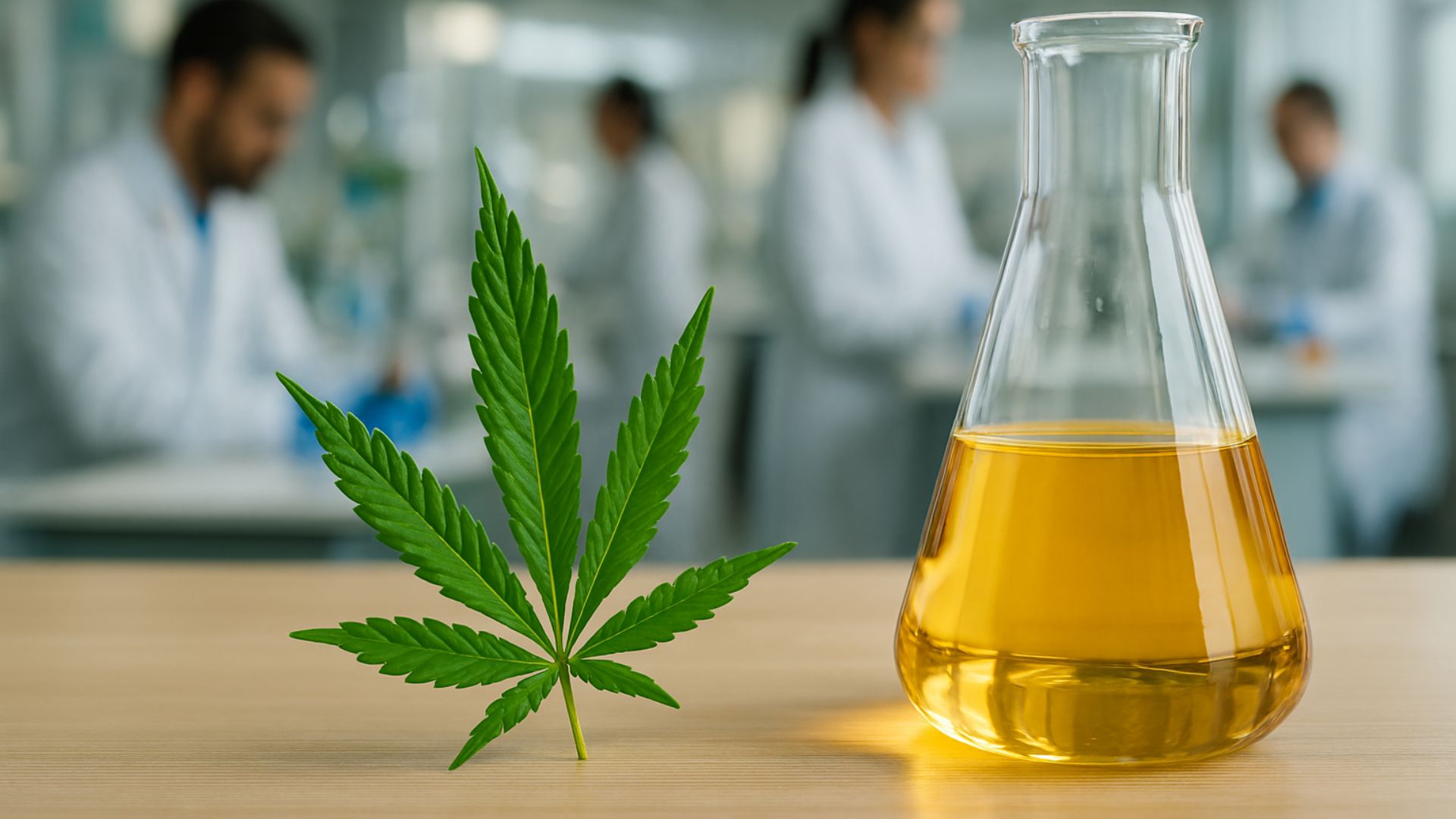
UFPA Develops A Pioneering Laboratory Capable Of Transforming Vegetal Waste From The Amazon And Seized Cannabis Into Sustainable Fuels And Clean Energy Solutions, Boosting Scientific Innovation And Positive Environmental Impact In Brazil
On November 19, 2025, UFPA (Federal University of Pará) presented significant results on its official website from a project that transforms Amazonian vegetal waste and even Cannabis seized by the Federal Police into sustainable fuels and various bioproducts.
The initiative, conducted by the Laboratory of Biomass and Waste Conversion Process Engineering, is coordinated by Professor Nélio Teixeira Machado and represents a relevant technological advancement for Brazilian bioenergy.
The UFPA Laboratory And The Advancement In Sustainable Fuels
In addition to reusing agro-industrial waste from the region, the laboratory also provides an environmentally appropriate disposal for illicit material that would normally be incinerated. The research strengthens the circular economy, reduces pollutants, and creates real alternatives for a cleaner energy matrix.
-
The Economist states that Brazil has a “secret weapon” against expensive oil and highlights how the country can reduce economic impacts even in international scenarios of high volatility.
-
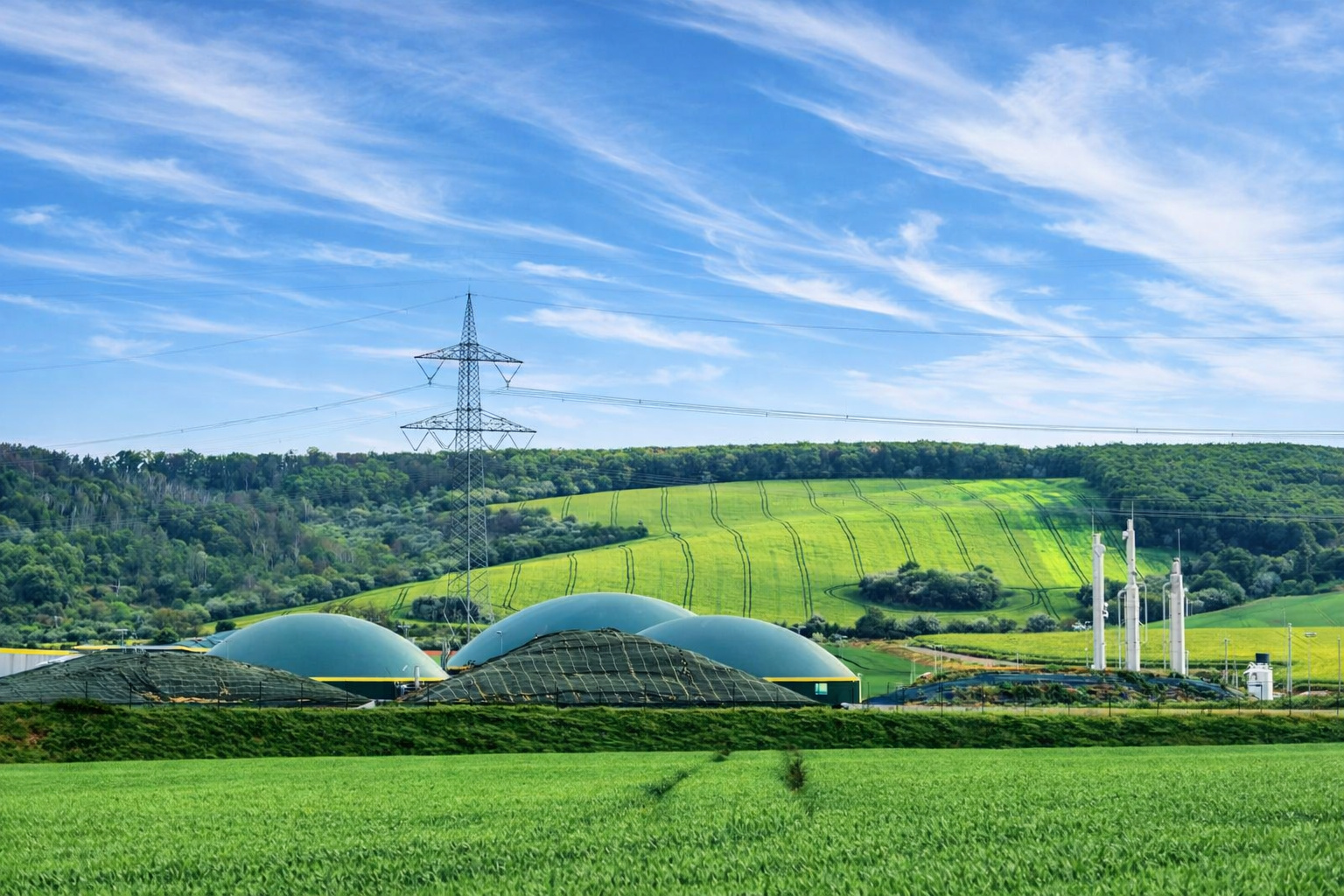
Brazil accelerates decarbonization in the South: International forum in Foz do Iguaçu gathers leaders to discuss the advancement of biomethane in the energy matrix and the potential of “caipira pre-salt.”
-
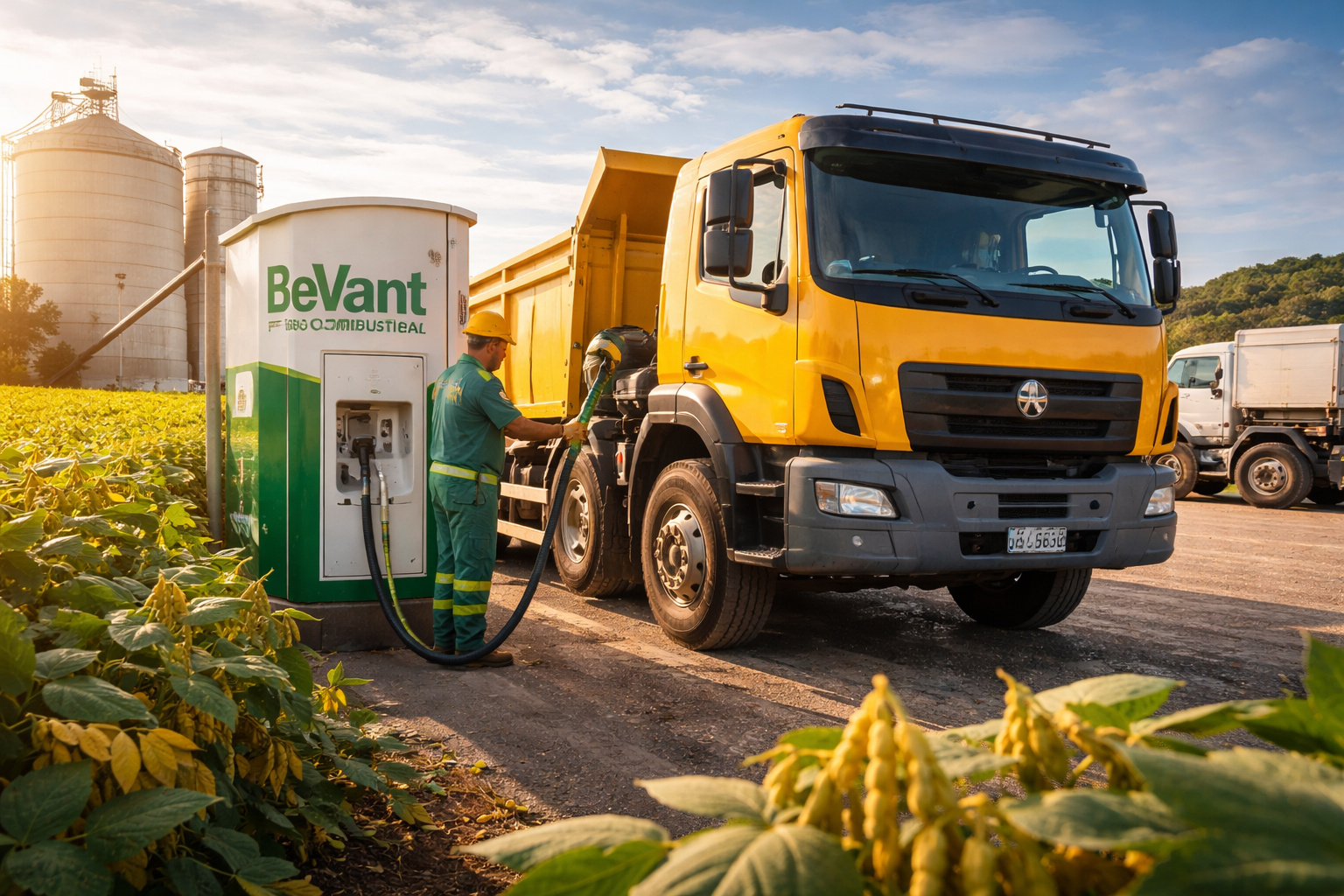
As diesel prices soar due to conflicts in the Middle East, a Brazilian city decides to test a little-known biofuel that promises to completely replace fossil fuel without adaptation and could change the future of energy in the country.
-
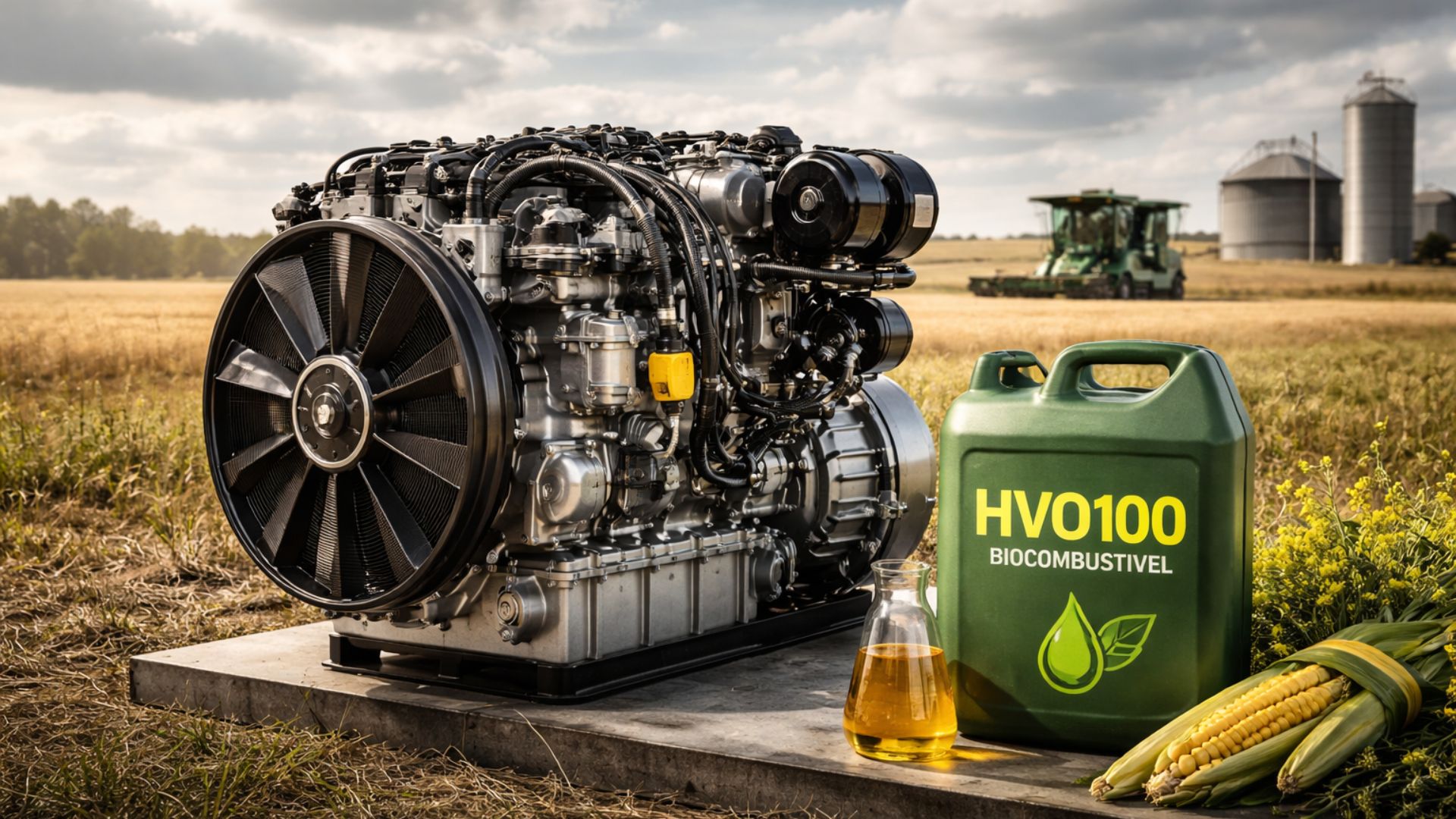
Innovation with biofuel engines transforms agribusiness by replacing diesel without the need for major adaptations, ensuring energy efficiency and helping to reduce dependence on oil.

The UFPA laboratory is one of the national references in the thermochemical conversion of biomass. The team works with lignocellulosic materials abundant in the Amazon, such as açaí seeds, tucumã fibers, cocoa shells, and palm residues. Instead of becoming waste, these resources go through processing routes that generate fuel, biochar, and bio-oil.
According to UFPA, almost all vegetal biomass with carbon and hydrogen can be transformed into sources of clean energy, provided that subjected to the appropriate processes of pyrolysis and distillation. As a result, previously discarded waste gains economic value and environmental importance.
Vegetal Waste From The Amazon As Raw Material For Clean Energy
The waste used by the laboratory is abundant and little utilized by the local production chain. Among the main ones are:
- Açaí Seeds: one of the most generated wastes in the Amazon, as the fruit is consumed daily by thousands of people.
- Tucumã, Cocoa, And Palm: materials rich in lignin and cellulose, ideal for thermochemical processes.
- Smaller scale agricultural residues, but common in the region.
The transformation of these wastes into sustainable fuels occurs, above all, because Amazonian biomass has a high concentration of fixed carbon, allowing the generation of various useful products.
According to Professor Nélio Machado, the utilization of this material helps to reduce the volume of solid waste while also diminishing reliance on fossil fuels. Thus, agro-industrial waste becomes valuable energy resources, strengthening the Amazonian bioeconomy.
Thermochemical Process At The UFPA Laboratory
Pre-Treatment Of Biomass
The first step to convert vegetal waste into clean energy is pre-treatment. This process includes drying, grinding, and, in some cases, chemical activation with sodium hydroxide. This stage increases the material’s contact surface, which improves the efficiency of pyrolysis.
Pyrolysis And Obtaining Bio-Oil
Pyrolysis is an essential process in the laboratory. It consists of heating the biomass in the absence of oxygen, causing its molecular chains to break. This decomposition releases three main fractions:
- Biogas – rich in methane and propane.
- Bio-Oil – composed of hydrocarbons of energy interest.
- Biochar – highly porous, ideal for filters and environmental remediation.
Bio-oil is the basis for different fuels, as its molecules can be separated by temperature ranges.
Distillation And Refining
After pyrolysis, bio-oil undergoes fractional distillation. From this, the laboratory obtains:
- Green Gasoline
- Green Diesel
- Sustainable Kerosene
- Bio-kerosene for industrial applications
- Filter Biochar
- Diverse Chemical Raw Materials
This process allows UFPA to produce high-purity fuels from common wastes in the Amazon.
Seized Cannabis As Strategic Biomass For Sustainable Fuels
Partnership With The Federal Police And UFSC
In addition to traditional vegetal wastes, the laboratory also investigates the conversion of Cannabis seized by the Federal Police. The material, which would previously be incinerated, is now redirected for scientific research and clean energy generation.
The project is carried out in partnership with the PF Superintendency in Pará and the Federal University of Santa Catarina (UFSC). The goal is to transform a criminal liability into an energy resource, reducing public costs and environmental impacts.
Pyrolysis Of Cannabis
Cannabis sativa is subjected to pyrolysis between 450 °C and 500 °C, a range that produces bio-oil with good concentrations of hydrocarbons. This bio-oil, like that generated from vegetal wastes, can be distilled and refined.
The main products obtained are:
- Green Gasoline
- Green Kerosene
- Green Diesel
- Biochar For Soil
- Biofilters For Water
- Biogas For Electrical Generation
Additionally, byproducts such as phenols, aldehydes, and organic acids emerge, which may have industrial applications.
Social And Environmental Impacts Of Using Cannabis
The utilization of seized Cannabis brings three main benefits:
- Public Resource Savings, as incineration requires transport, security, and surveillance.
- Pollution Reduction, avoiding the direct burning of the material.
This approach represents an innovative solution that integrates public safety, science, and sustainability.
New Applications: Green Hydrogen, Aviation Kerosene, And Graphene
The laboratory also studies future possibilities for technological expansion. The lignin present in Amazonian biomass and Cannabis can be converted into:
- Green Hydrogen, a strategic fuel for decarbonization of the industry.
- Sustainable Aviation Kerosene, essential to reduce emissions from the aviation sector.
- Graphene, a high-value material with applications in advanced electronics.
These lines of research expand the economic and technological potential of the laboratory, positioning UFPA as a global reference in bioenergy.
Scientific, Environmental, And Economic Impact Of The UFPA Laboratory
The work developed by UFPA brings important implications for the Amazon and for Brazil. First, it promotes the circular economy, by reusing vegetal wastes that previously had no destination. Furthermore, it integrates technological innovation with environmental preservation, strengthening the regional bioeconomy.
The use of seized Cannabis also represents an advancement, as it combines scientific research with public safety policies, reducing government costs and decreasing pollutants.
For the country, the benefits include:
- Reduction of dependency on fossil fuels.
- Development of national bioenergy technology.
- Encouragement of sustainability in the Amazon region.
- Active participation in global debates on carbon neutrality.
With research that can generate green hydrogen, advanced biofuels, and even graphene, UFPA amplifies its academic prominence and reinforces its commitment to sustainable development.
Strategic Relevance For The Future Of Bioenergy
The initiative of UFPA demonstrates how science, innovation, and sustainability can walk together to transform waste into high-value energy resources. Both vegetal wastes and the Cannabis seized are converted into sustainable fuels and clean energy, creating environmental, social, and economic benefits.
With the potential to expand its activities and generate new strategic products, the laboratory establishes itself as one of the most important Brazilian research centers in bioenergy, contributing to a more efficient, secure, and environmentally responsible future.








-

Uma pessoa reagiu a isso.