





 Portuguese
  English
  Spanish
  5 min of reading
  1 comment





70,000 m² Park, 20,000 m² Lagoon, Sports and Complete Infrastructure Promise a New Urban Axis in Tijucas, with Rapid Construction Progress and Private Maintenance of Spaces.
Tijucas witnesses the birth of an entire neighborhood from scratch. On the coast of Santa Catarina, along the SC-410, the Flores e Sal project organizes housing, leisure, and commerce in a single urban plan with paved main avenue, underground electrical cabling, defined zoning, and a central park that concentrates sports, community, and nature facilities. The construction is progressing with an intense schedule, with trucks circulating daily and simultaneous work fronts.
The new neighborhood combines technical standardization and private management of common areas: although open, it will have a homeowners’ association for the maintenance of leisure spaces, gardens, and urban furniture. The promise is to transform the local routine, bringing services, gastronomy, and recreation closer, without requiring residents to leave the neighborhood perimeter, a significant leap in the urban configuration of Tijucas.
The Avenue That Organizes the Neighborhood
The Avenida Flores e Sal structures circulation. It received the first layer of 4 cm of asphalt and, at the end of heavy construction, will gain an additional 3 cm layer, preserving the pavement after the intense truck traffic.
-
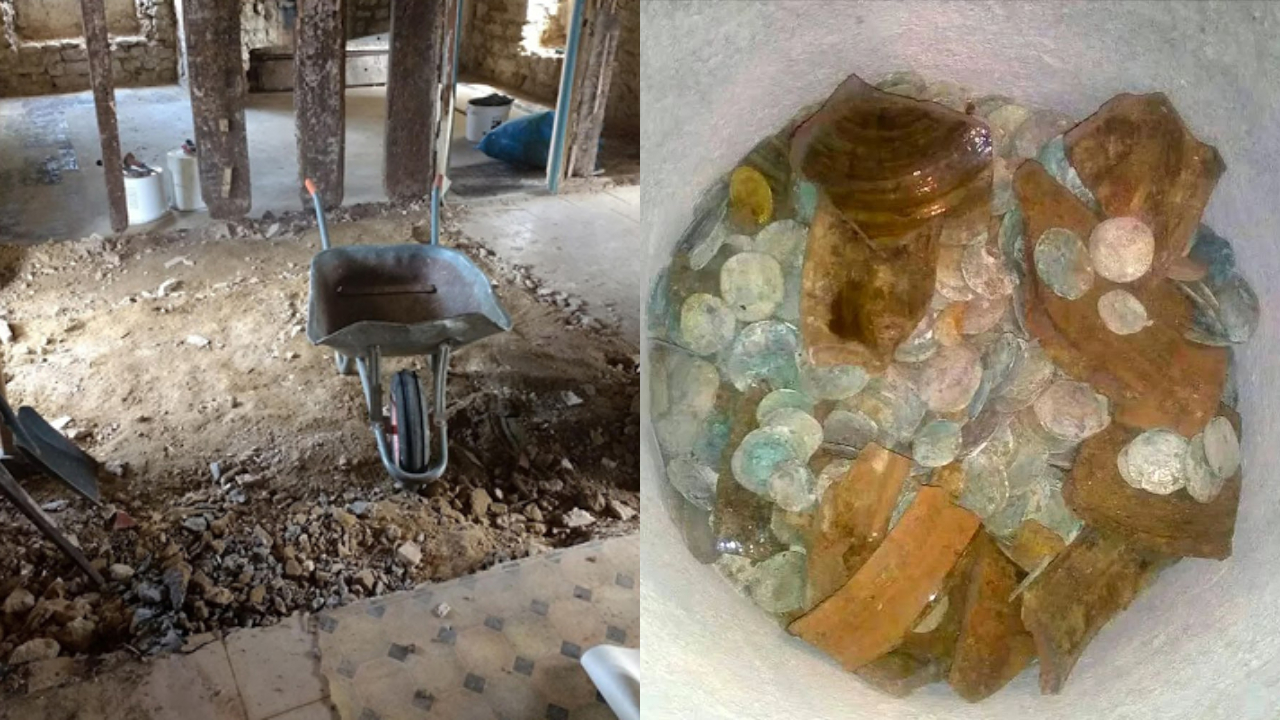
A couple buys an old chalet, breaks the kitchen floor for renovation, and finds over a thousand coins of gold and silver hidden since the English Civil War over 4 centuries ago.
-
Rigid bags with their days numbered: new trend prioritizes comfort in 2026.

-
YouTuber creates an excavator equipped with a giant 4.5-meter sword to challenge his brother to a rematch, and the invention quickly goes viral on social media.

-
The U.S. Army surprises the world by presenting the UH-60MX Black Hawk helicopter capable of flying without pilots, controlled by a tablet, featuring the MATRIX system, smart sensors, and full autonomy in real combat and rescue missions.


The landscaping is being implemented, with palm trees and green areas marking crossings and roundabouts.
The underground electrical cabling reduces visual impact and risks, while the zoning separates residential areas, neighborhood commercial sectors, and lots for large operations such as supermarkets or department stores.
This clarity of uses tends to provide predictability to those who will live, invest, or operate in Tijucas.
Parque das Flores: The Public Heart of the Project
At the center of the plan, the Parque das Flores occupies 70,000 m² and integrates a 20,000 m² lagoon. The walking path surrounds the entire park and, in one section, crosses over the lagoon itself, creating a scenic route for running and leisure. The surroundings already feature lawns, landscaping preparation, and bases for lighting and urban furniture.
The set includes a children’s playground, outdoor gym, picnic areas, seating areas, pet space, and sports courts. The Water Square, right at the entrance, includes interactive fountains for children.
The park’s parking lot was designed next to the main access to relieve internal roads and organize the flow on weekends, a measure that benefits the neighborhood and mobility in Tijucas.
Sports and Leisure as Neighborhood Policy
The sports complex of Flores e Sal brings the first padel court in Tijucas, as well as sand courts (beach tennis, volleyball, footvolley) and basketball facilities.
The distribution of equipment prioritizes walking routes, connected by the walking path and through pocket squares in residential pockets.
For everyday enjoyment, the gastronomic avenue next to the palm trees marks the transition to the park. The developers themselves will build the base structures for leasing to restaurants and services — a strategy that accelerates the activation of the ground floor and generates urban vitality even in the early phases of the neighborhood in Tijucas.
Invisible Infrastructure That Makes a Difference
In the residential pockets, the streets use pavers, a solution that is more permeable and less thermal than asphalt, with extruded curbs to ensure performance and durability.
The water networks (blue pipe) and sewage (orange piping) are already sectioned with inspection boxes.
For stormwater drainage, the project adopted PAD piping (a substitute for concrete), more expensive, but with greater efficiency and longevity. The sewage is directed to the project’s own ETE, raising the environmental standard from the beginning. This technical set reduces common urban pathologies and improves long-term maintenance in Tijucas.
Management, Schedule, and Execution Standards
The work fronts operate “from Sunday to Sunday”, with quality control on-site. The responsible parties monitor the site weekly, reviewing finishes, paving, urbanization, and landscaping; rework is required when necessary. This “owner’s eye” tends to shorten deadlines and maintain the consistency of construction standards.
As a planned and open neighborhood, Flores e Sal combines private governance (homeowners’ association) with urban accesses. The integration between the avenue, park, and supporting commerce avoids physical barriers and stimulates street life, a condition essential for continuous use of public space in Tijucas.
Anchored Commerce and Ground Floor Activation
Near the main access, there are lots designated for large anchors supermarket or department store and areas distributed for neighborhood commerce.
The presence of services around the park creates complementary flows: during the day, families, residents, and workers; in the late afternoon and evening, gastronomy and socializing.
This layout reduces mandatory displacements and favors the local economy. When commerce opens its doors alongside the delivery of streets and squares, the neighborhood gains vitality early on, increasing the sense of security and the retention of residents and visitors in Tijucas.
Mobility and Urban Design: Where It Arrives and How It Is Used
Located along the SC-410, the neighborhood connects to regional corridors without sacrificing the pedestrian scale. Roundabouts, crossings, and sidewalks were dimensioned along with shaded landscaping to qualify the walk to the park and services, with dedicated parking so as not to pressurize internal roads.
In daily life, the layout encourages short walking journeys: local streets with pavers, pocket squares, proximity to sports facilities, and clear access to buildings.
This logic reduces conflicts between cars and pedestrians and increases environmental comfort, key elements for urban life in Tijucas.
What Changes for Tijucas


With structured leisure, anchored commerce, and robust technical infrastructure, the Flores e Sal reorganizes centralities and raises the urban standard in the city.
The combination of park, lagoon, and private management tends to increase the permanence of families in the neighborhood on weekends, activating proximity economy.
For the local real estate market, the clear zoning and delivery of complete infrastructure provide predictability for the investor and comfort for the resident.
If the operation maintains the pace and quality of execution, Tijucas gains a new reference hub in the region, with direct impact on everyday quality.
The Flores e Sal is born with a neighborhood scale and city technical standard, supported by well-dimensioned invisible infrastructure, large park, and maintenance governance.
If the implementation follows the plan and the commercial ground floors open alongside the park, the project has the potential to reconfigure habits and flows in Tijucas, bringing housing, leisure, and services closer.
Do you agree with this change? Do you think this impacts the market? Leave your opinion in the comments; we want to hear from those who live this in practice.







Hi Neat post Theres an issue together with your web site in internet explorer may test this IE still is the marketplace chief and a good component of people will pass over your fantastic writing due to this problem