





 Portuguese
  English
  Spanish
 4 min of reading
  0 comments


Inpasa Announces Megainvestment in Goiás to Increase Corn Ethanol Production in Brazil. The New Biorefinery Promises to Strengthen the Brazilian Agribusiness and Boost the Regional Economy with Sustainable Technology
On October 30, 2025, Inpasa announced one of the largest agro-industrial investments of the year: the construction of a new corn ethanol biorefinery in Rio Verde, Goiás. According to a report by Exame, with an investment of R$ 2.4 billion, the project promises to transform the scenario of Brazilian agribusiness, consolidating the state as a national reference in bioenergy.
Inpasa and Its Expansion Strategy in the Biofuels Sector
The new unit will be Inpasa’s first in Goiás and the ninth for the company in Latin America. The plant will have the capacity to process 2 million tons of corn per year, generating 1 billion liters of ethanol, along with 490,000 tons of DDGS (protein feed for animals), 47,000 tons of vegetable oil, and 345,000 GWh of electricity from biomass.
Inpasa, one of the Latin American leaders in corn ethanol production, has been expanding its operations with a focus on innovation, sustainability, and efficiency. The choice of Goiás to host its new biorefinery was not by chance: the state has one of the largest corn productions in the country, a consolidated logistics infrastructure, and a strong presence in Brazilian agribusiness.
-
The Economist states that Brazil has a “secret weapon” against expensive oil and highlights how the country can reduce economic impacts even in international scenarios of high volatility.

-
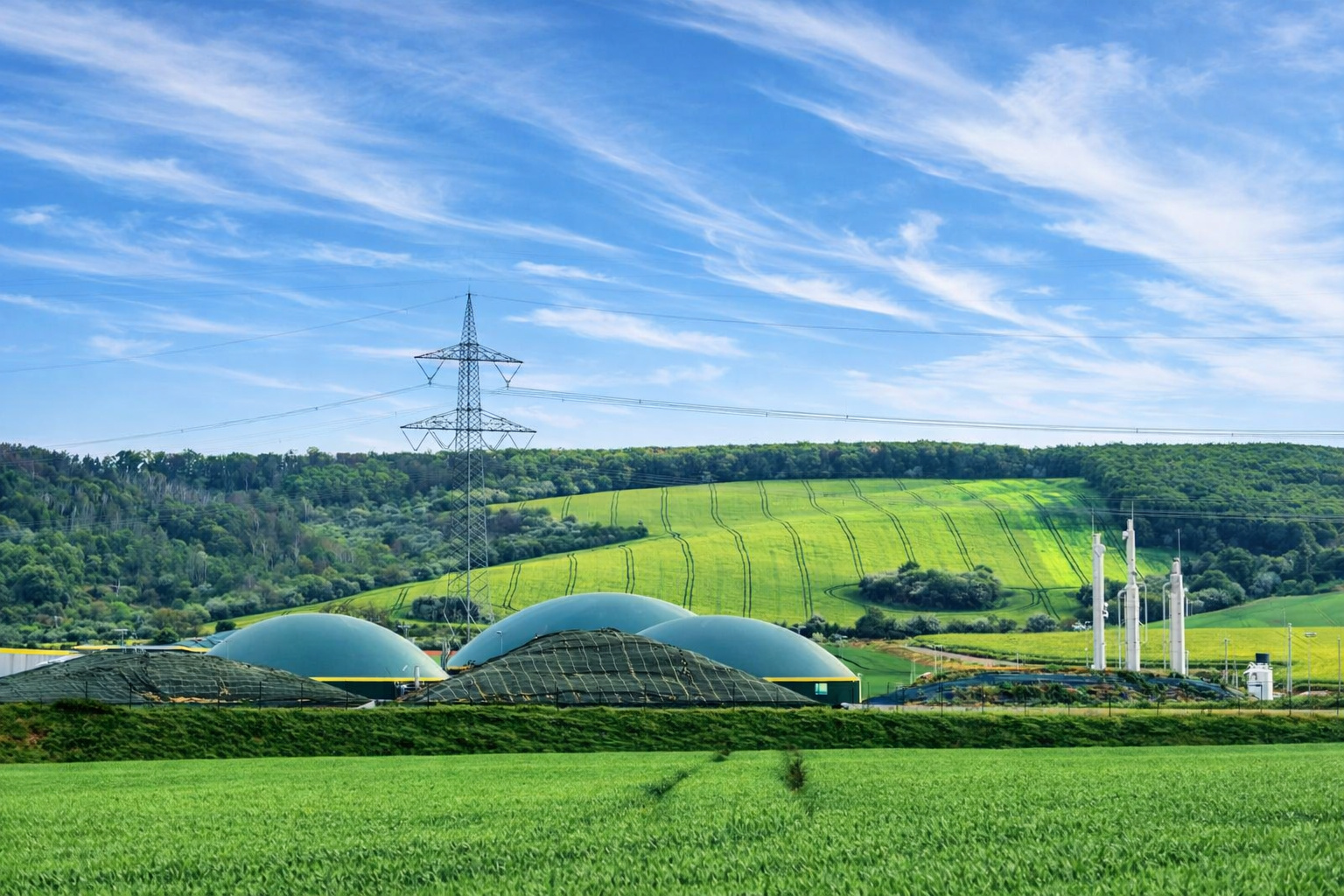
Brazil accelerates decarbonization in the South: International forum in Foz do Iguaçu gathers leaders to discuss the advancement of biomethane in the energy matrix and the potential of “caipira pre-salt.”
-
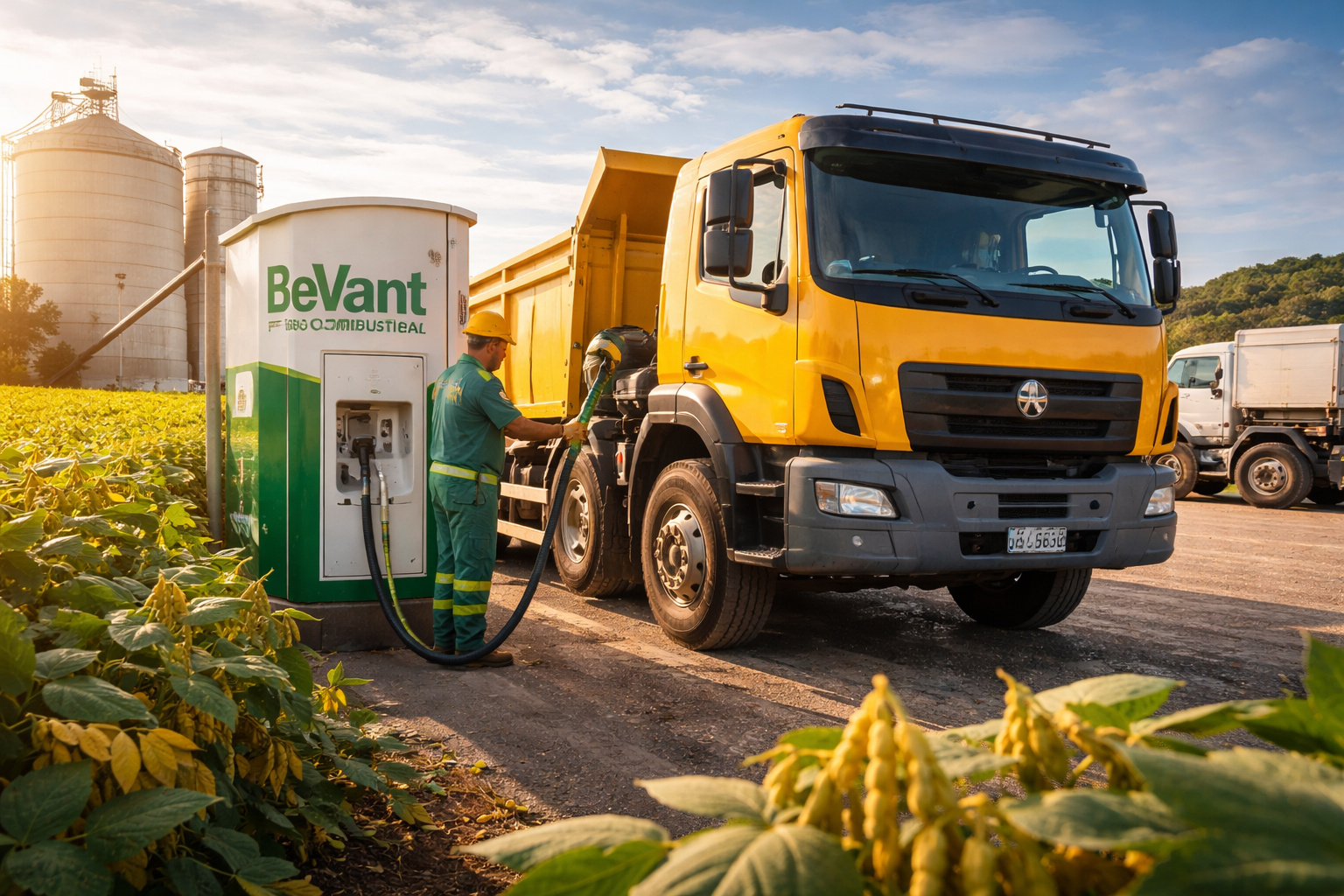
As diesel prices soar due to conflicts in the Middle East, a Brazilian city decides to test a little-known biofuel that promises to completely replace fossil fuel without adaptation and could change the future of energy in the country.
-
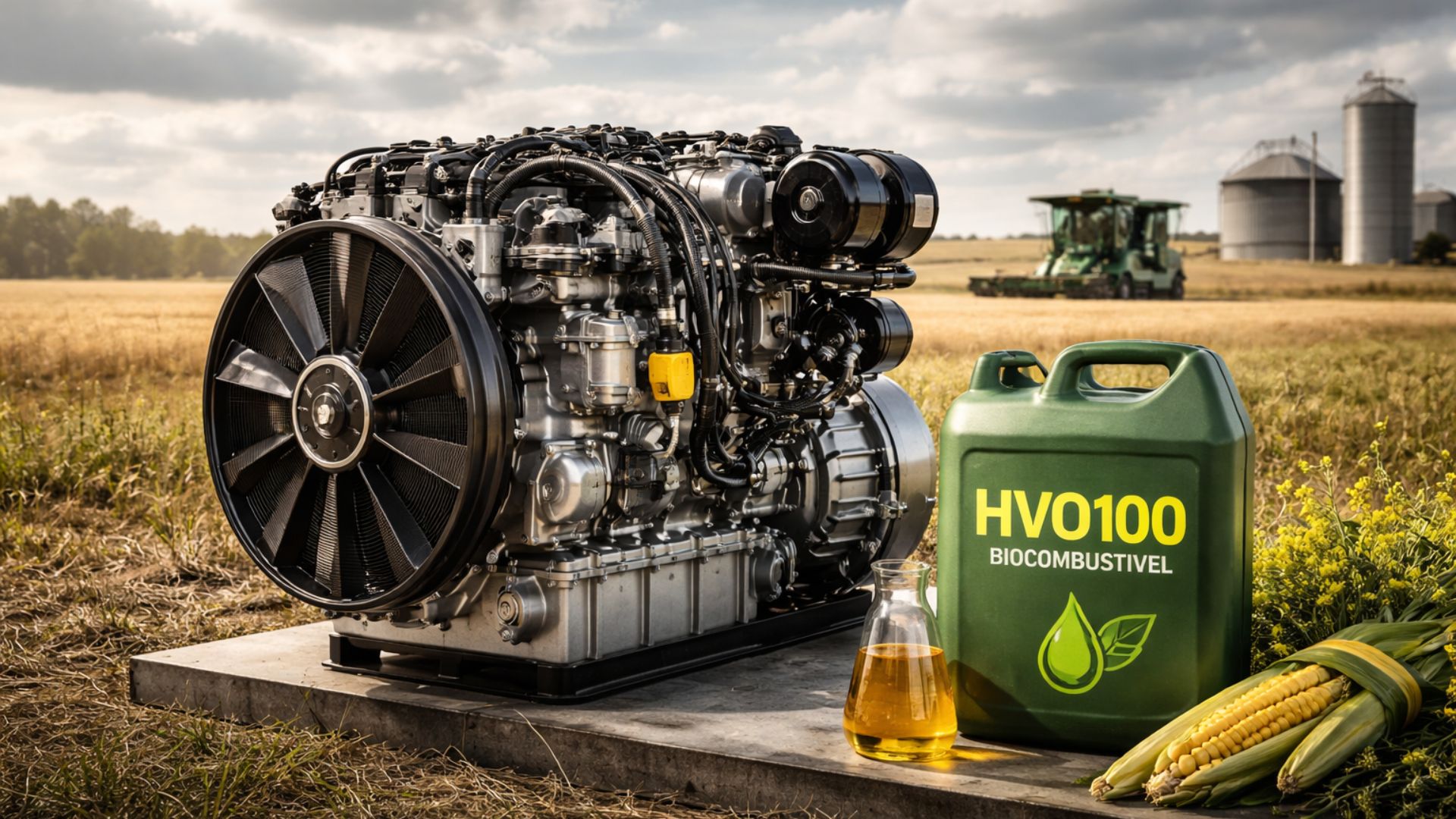
Innovation with biofuel engines transforms agribusiness by replacing diesel without the need for major adaptations, ensuring energy efficiency and helping to reduce dependence on oil.
The company already operates units in Mato Grosso, Mato Grosso do Sul, and Paraguay, and is now expanding its presence to the Brazilian Midwest. The new plant in Rio Verde reinforces Inpasa’s strategy to be close to the main producing regions, reducing logistical costs and increasing competitiveness.
According to the company, the project is expected to generate thousands of direct and indirect jobs, in addition to attracting suppliers, startups, and research centers focused on agro-industrial innovation.
Corn Ethanol: A Strategic Alternative for Brazil
Corn ethanol has established itself as a strategic alternative to sugarcane ethanol. With greater production predictability and lower dependence on climatic factors, corn offers important competitive advantages for the biofuels sector.
According to the Sugarcane Industry Union (Unica), corn ethanol production grew by about 40% in 2024, with expectations of continuous growth. Inpasa’s new biorefinery will significantly contribute to this progress, strengthening the Brazilian energy matrix.
In addition to fuel, the process generates valuable by-products such as DDGS, used in animal feed, and vegetable oil, intended for the food and cosmetics industries. The generation of electricity from biomass also reinforces the commitment to sustainability.


Goiás as a New Agro-Industrial Innovation Hub
With Inpasa’s investment, Goiás positions itself as a new agro-industrial innovation hub. The state already has agricultural tradition, but now expands its operations to the biofuels and bioenergy sector.
Rio Verde, the second-largest corn producer in Brazil in 2023, was strategically chosen to host the new biorefinery. The city offers adequate infrastructure, skilled labor, and proximity to major consumer centers.
Governor Ronaldo Caiado and Mayor Wellington Carrijo Filho participated in the groundbreaking ceremony of the plant, highlighting the importance of the project for regional development. The initiative also has the support of universities and research institutions, which are expected to collaborate in the training of professionals and the development of new technologies.
Pillars of Inpasa’s New Biorefinery
Inpasa’s new biorefinery was designed with a focus on sustainability and energy efficiency. The use of biomass for electricity generation reduces dependence on fossil sources and contributes to the reduction of greenhouse gas emissions.
Furthermore, corn ethanol production allows greater supply predictability, essential to meet the growing demand for renewable fuels. Brazil, as a signatory to international climate agreements, has ambitious decarbonization goals, and projects like Inpasa’s are fundamental to achieving them.
The plant will also be equipped with water and waste reuse systems, promoting a circular economy and minimizing environmental impacts. The integration between agricultural production, industry, and sustainability will be one of the unit’s differentiators.
Future Perspectives for the Biorefinery Sector in Brazil
Inpasa’s project in Goiás signals a trend of accelerated growth in the biorefinery sector. With high global demand for clean energy, Brazil has the potential to become a world leader in biofuel production.
The combination of favorable climate, fertile lands, and agricultural expertise puts the country in a strategic position. Additionally, public policies aimed at energy transition and incentives for innovation should accelerate new investments.
Companies like Inpasa are at the forefront of this movement, betting on technology, sustainability, and integration with the field. The expansion of biorefineries can also contribute to the interiorization of development, bringing progress to regions outside the major urban centers.
Strategic Relevance of Inpasa’s Investment in Goiás
Inpasa’s investment of R$ 2.4 billion in Goiás represents a turning point for the Brazilian agro-industrial sector. The construction of the new corn ethanol biorefinery in Rio Verde strengthens biofuel production, boosts the local economy, and promotes sustainable innovation.
With robust capacity, clean energy generation, and utilization of by-products, the project positions Brazil as a global reference in bioenergy. The initiative reinforces the importance of strategic investments in agribusiness and paves the way for new growth opportunities.









Seja o primeiro a reagir!