





 Português
  Inglês
  Espanhol
  4 min de leitura
  0 comentários


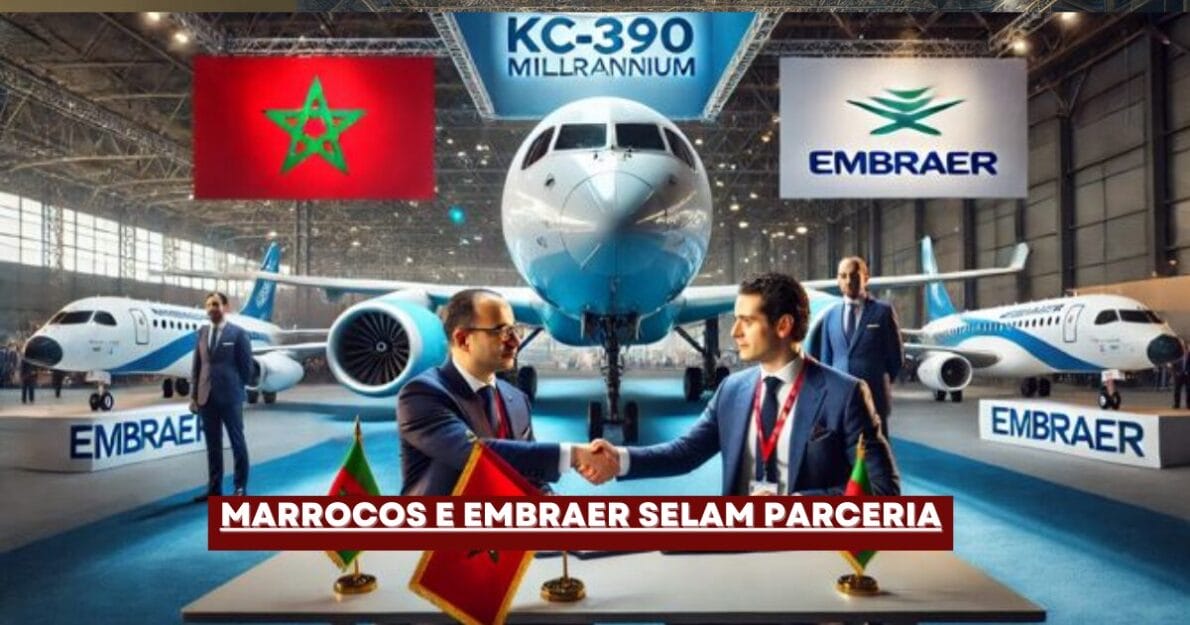
In Unprecedented Partnership, Morocco and Embraer Seek to Boost the African Aerospace Sector with Investments in Technology, Sustainability, and Job Creation. The Collaboration Reinforces Morocco’s Role as a Strategic Center of Innovation, While Embraer Expands Its Global Influence in the Defense and Urban Mobility Market
Morocco and Embraer have established a partnership that promises to revolutionize the aerospace sector in the African country and strengthen the position of the Brazilian company in the international market.
Signed during the Marrakech Airshow in October 2024, the agreement covers initiatives in the areas of commercial aviation, defense, and urban air mobility and focuses on strengthening the Moroccan industrial ecosystem, generating jobs, and promoting technological innovation.
An Ambitious Cooperation Plan
Signed by Morocco’s Minister of Industry, Ryad Mezzour, and the senior management of Embraer, the agreement represents an important step for the growth of the Moroccan aerospace sector and aims to transform the country into one of the most relevant hubs in the sector in Africa.
-
With 11,000 tons and sensors capable of hunting submarines at long distances, the Type 055 has become one of the most feared floating arsenals of the Chinese navy.

-
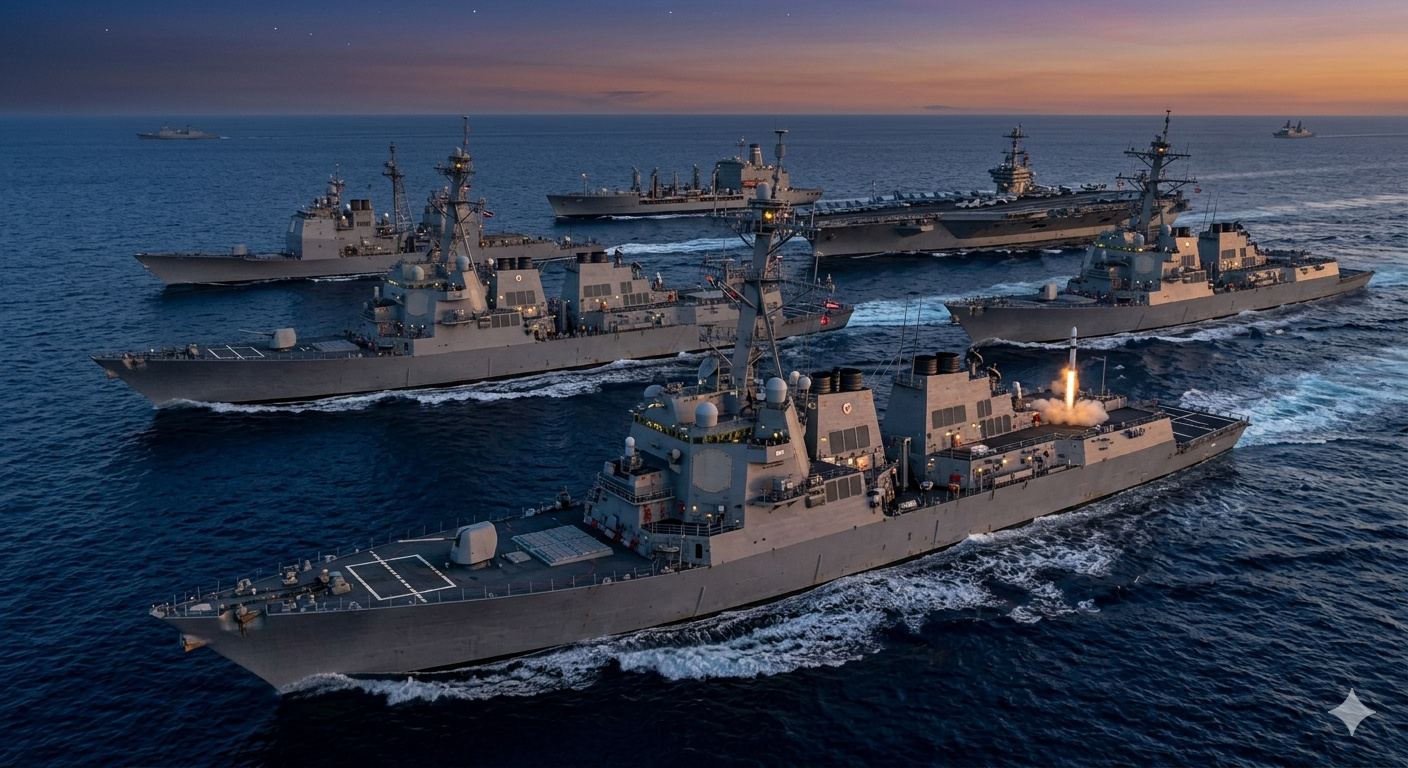
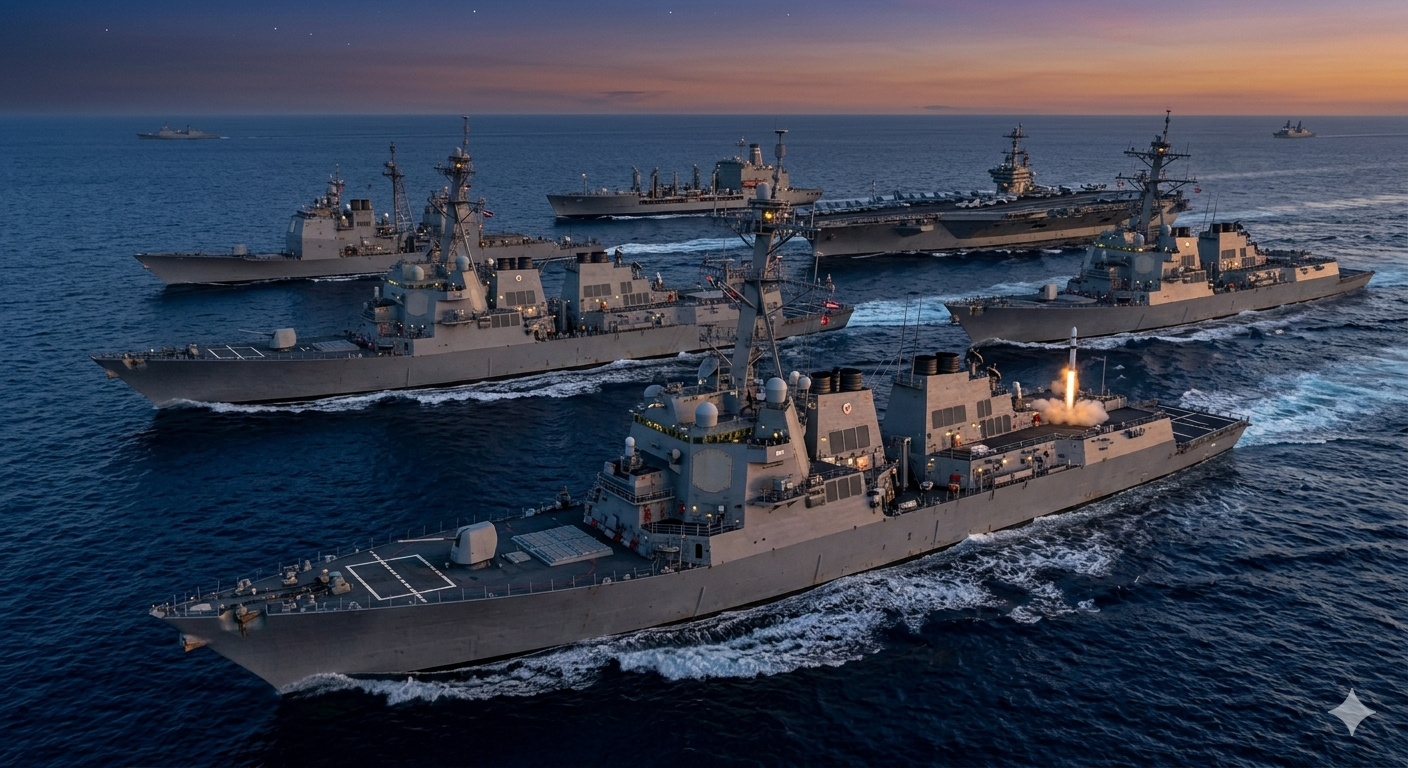
With over 15,000 tons, radars capable of tracking hundreds of targets simultaneously, and more than 120 missiles ready for launch in seconds, modern destroyers cease to be escorts and begin to dominate the naval battlefield.
-
With over 15,000 tons, radars capable of tracking hundreds of targets simultaneously, and more than 120 missiles ready for launch in seconds, modern destroyers cease to be escorts and begin to dominate the naval battlefield.
-
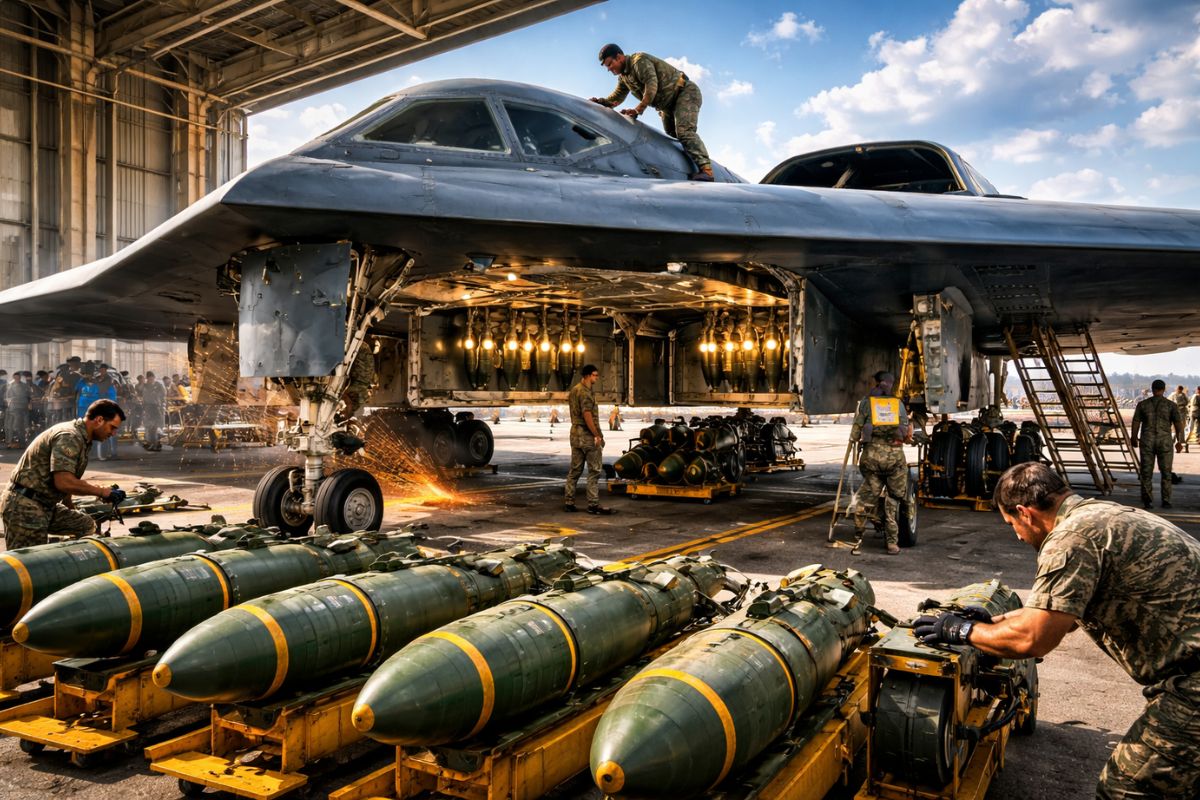
Valued at over $2 billion, the B-2 Spirit bomber requires meticulous inspection, bombs calibrated in a controlled environment, and extreme preparation to disappear from radar and launch attacks with lethal precision.

According to Mezzour, the commitment also opens up opportunities to develop technological infrastructure and train local professionals, preparing the country to meet the growing market demand.
In terms of cooperation, Morocco plans to invest in critical areas, such as aircraft maintenance and repairs (MRO) and specific training to meet the needs of businesses.
Development of the KC-390: New Bet for the Royal Moroccan Air Force
In addition to expanding economic collaboration, the agreement holds significant importance in the field of defense. One of the main highlights of this partnership is the offer of the KC-390 Millennium, a highly versatile military transport aircraft, to the Royal Moroccan Air Force.
Should it be selected, the KC-390 will replace older aircraft and help modernize the country’s transport fleet, strengthening the operational and logistical capacity of the Moroccan armed forces.
With this, Morocco will be able to join a growing list of countries investing in this Embraer model, including Portugal and Brazil, which use the aircraft for tactical operations and air refueling.
The CEO of Embraer Defense & Security, Bosco da Costa Junior, highlighted that the KC-390 represents a safe investment for defense forces, as the model has stood out for its performance and reliability in challenging scenarios.
“Our support for the Royal Moroccan Air Force will include comprehensive training, maintenance, and logistics, along with our technical expertise,” stated Costa Junior, signaling Embraer’s commitment to strengthening Moroccan defense.
Morocco as a Hub for Training and Professional Qualification
In addition to the economic and industrial benefits, the partnership between Embraer and the Moroccan government will have a strong impact on human development.
Morocco has been investing in technical and professional training since 2001, aiming to meet local industrial demands and strengthen the skilled workforce.
An example of this investment is the Institute of Aeronautical Professions (IMA), created in partnership with companies in the sector, which offers training tailored to the requirements of aircraft manufacturers such as Bombardier.
Since its establishment, IMA has trained over a thousand professionals and is a reference in developing technical skills in the region.
Embraer will directly contribute to this initiative, planning to offer specialized training and infrastructure for the training of technicians and engineers, with courses aimed at strategic areas such as aircraft maintenance and structural repair.
This approach will allow Morocco to consolidate itself as a hub for innovation and training in Africa, opening doors for new investments in the aerospace sector.
Sustainability and Innovation: The Commitment to the Future
The agreement also involves joint efforts in research and development in essential areas for the future of aviation, including decarbonization, clean mobility, and sustainable aviation fuel.
With the increasing demand for more ecological technologies in the sector, Morocco and Embraer will seek innovative solutions to reduce the environmental impact of the aerospace sector.
Embraer, which has a long history of projects focused on sustainability, such as developing alternative fuels and more efficient aircraft, sees Morocco as a partner with potential for collaboration in advancing these technologies.
Economic and Global Implications for Embraer
With industrial units in various regions around the world, Embraer has already established itself as one of Brazil’s largest exporters of high-value-added products.
This new agreement reinforces the company’s presence in the African market and opens doors for future collaborations on the continent, which offers a growing demand for technological and aerospace solutions.
“We are optimistic about the growth potential and partnership in Morocco,” said Arjan Meijer, CEO of Embraer Commercial Aviation, emphasizing the company’s interest in expanding collaboration in the international market and integrating into new production chains in North Africa.
This alliance reflects a new trend of cooperation between countries of the Global South, especially in the aerospace and defense sectors.
Brazil and Morocco, both emerging players on the global stage, seek to strengthen their economies and increase their relevance in high-tech sectors through joint investments and strategic partnerships.
This collaboration places Embraer in a prominent position on the African continent, where it can expand its operations and establish itself as a provider of advanced technologies for aviation and defense.
With this partnership, will Morocco manage to establish itself as a center of aerospace excellence in Africa?







Seja o primeiro a reagir!