





 English
  Francês
  Alemão
  Italiano
  Japonês
  Norueguês
  Portuguese
  Spanish
  4 min of reading
  0 comments


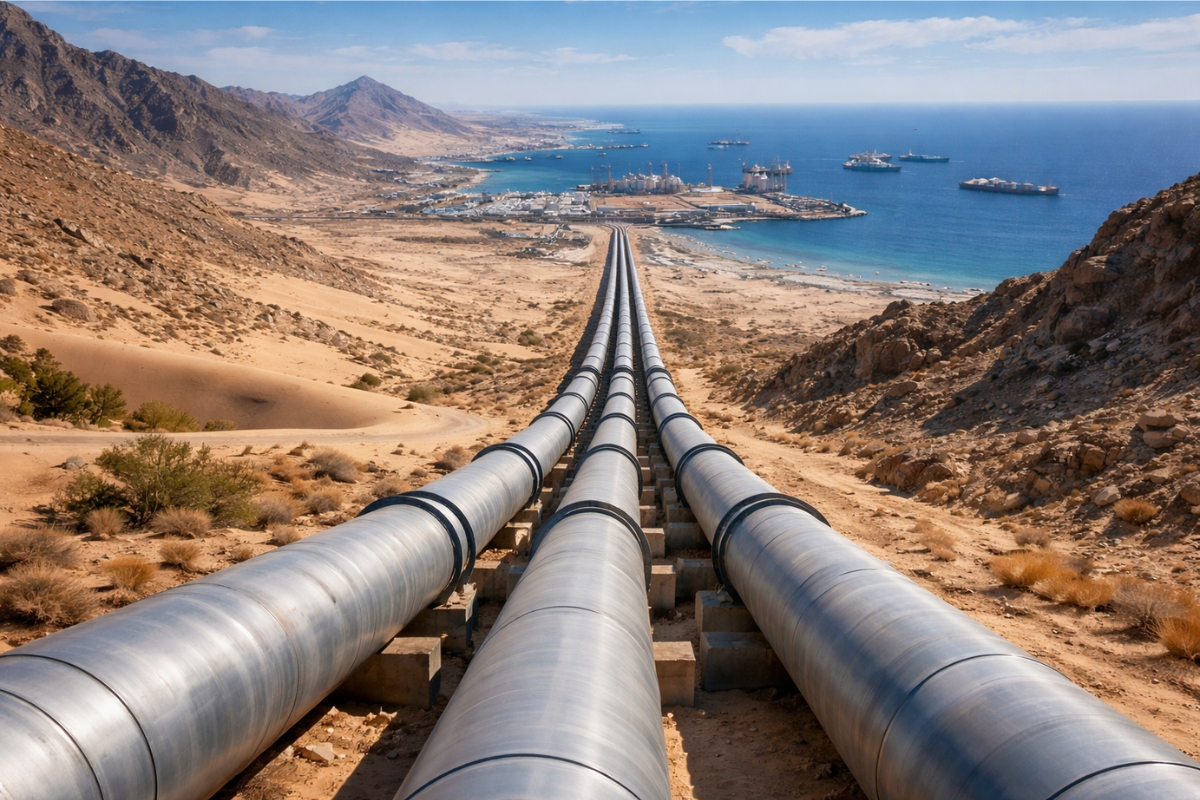
Saudi Arabia Reactivates Maximum Scale Pipeline Created in the 1980s, Diverts Oil Through the Desert to Yanbu, Aims to Raise Flow from 1 Million to 7 Million Barrels Per Day, and Gains Time in a Crisis Pressuring the Entire Region
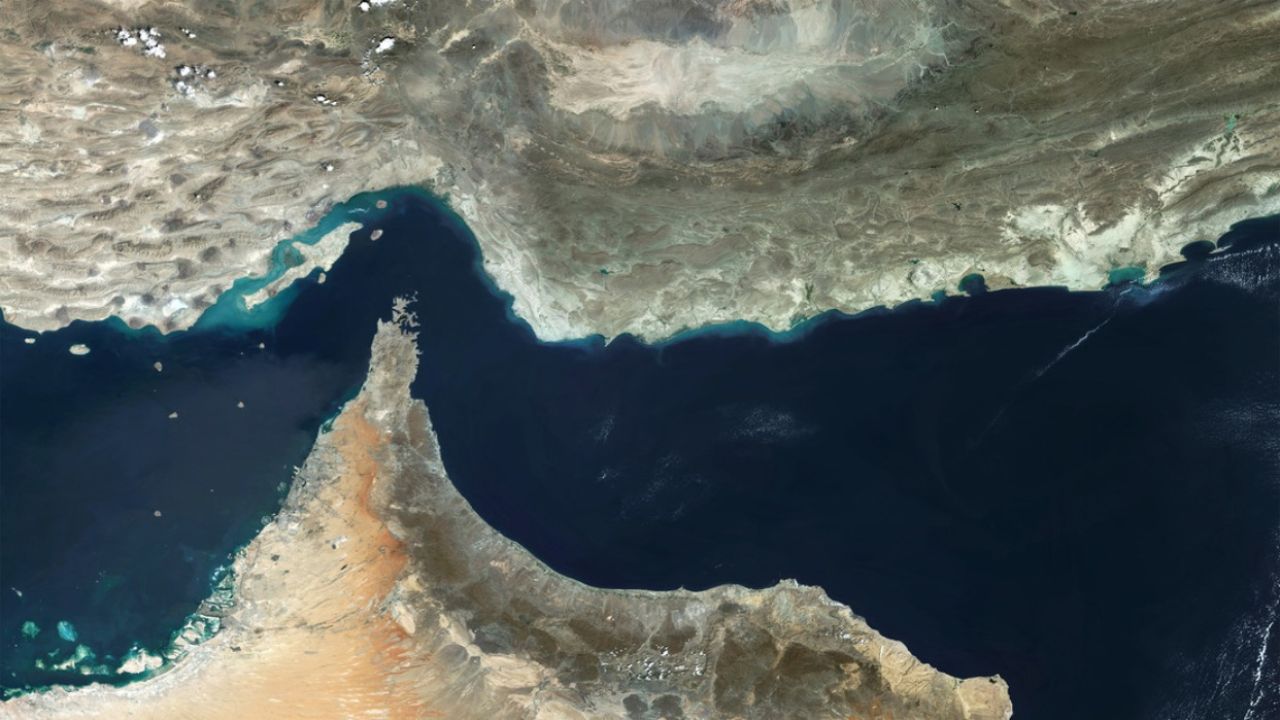
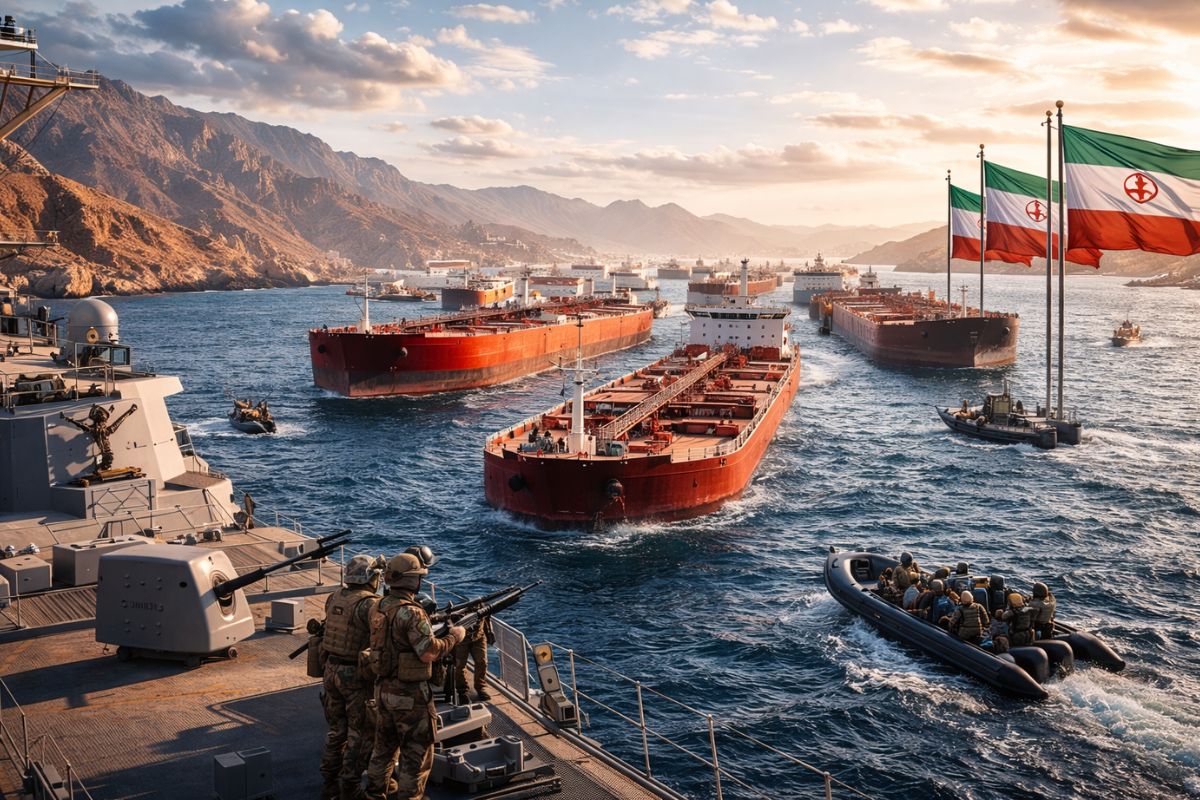
The Middle East’s largest energy diversion is back in play. With the Strait of Hormuz paralyzed by war, Saudi Arabia has accelerated the use of the East-West Pipeline to transport oil to the Red Sea.
The structure cuts across the country for about 1,200 kilometers and connects the large fields in the Gulf to the port of Yanbu. In practice, it allows part of the oil to leave without depending on the most sensitive maritime route on the planet.
The movement gained momentum in a matter of days. Ships that previously waited at the entrance of Hormuz now need to be redirected, while terminals and refineries on the west coast are now part of an operation set up under pressure.
-
If the USA were to go to war with Brazil, Washington’s greatest fear would not be the attack itself, but facing a vast territory, prolonged resistance, and a costly, chaotic, and unpredictable occupation.

-
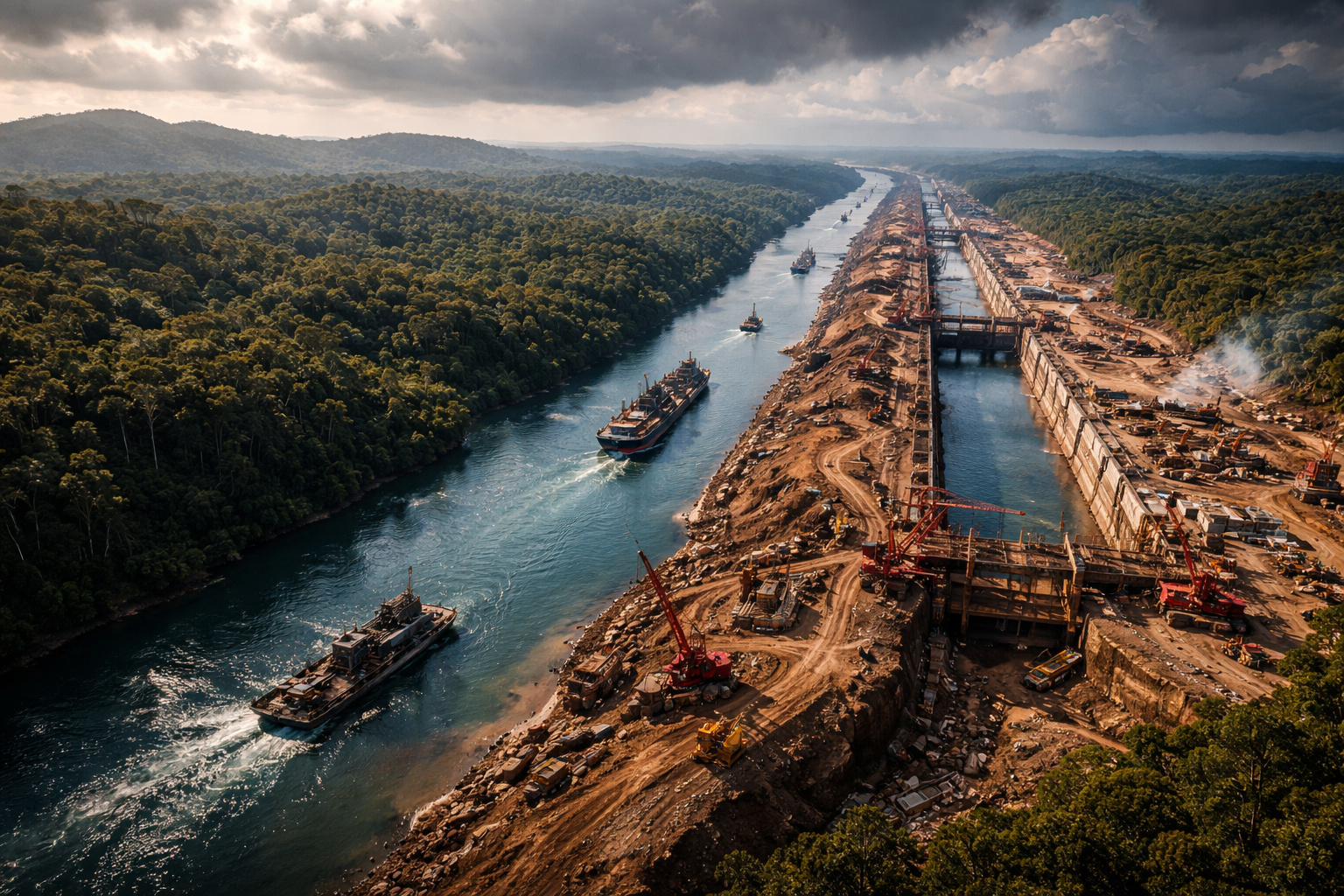
In 2013, Nicaragua sold the concession for a canal to rival Panama to a Chinese billionaire who lost 85% of his fortune, disappeared, and was declared bankrupt. Now the project resurfaces with a new route, a new Chinese partner, and a cost of $64.5 billion.
-
The USA announces a mysterious billion-dollar vault project to store critical minerals, but what intrigues experts is not just the plan itself, but why Latin America, including Brazil, has entered the center of this global dispute against China.

-
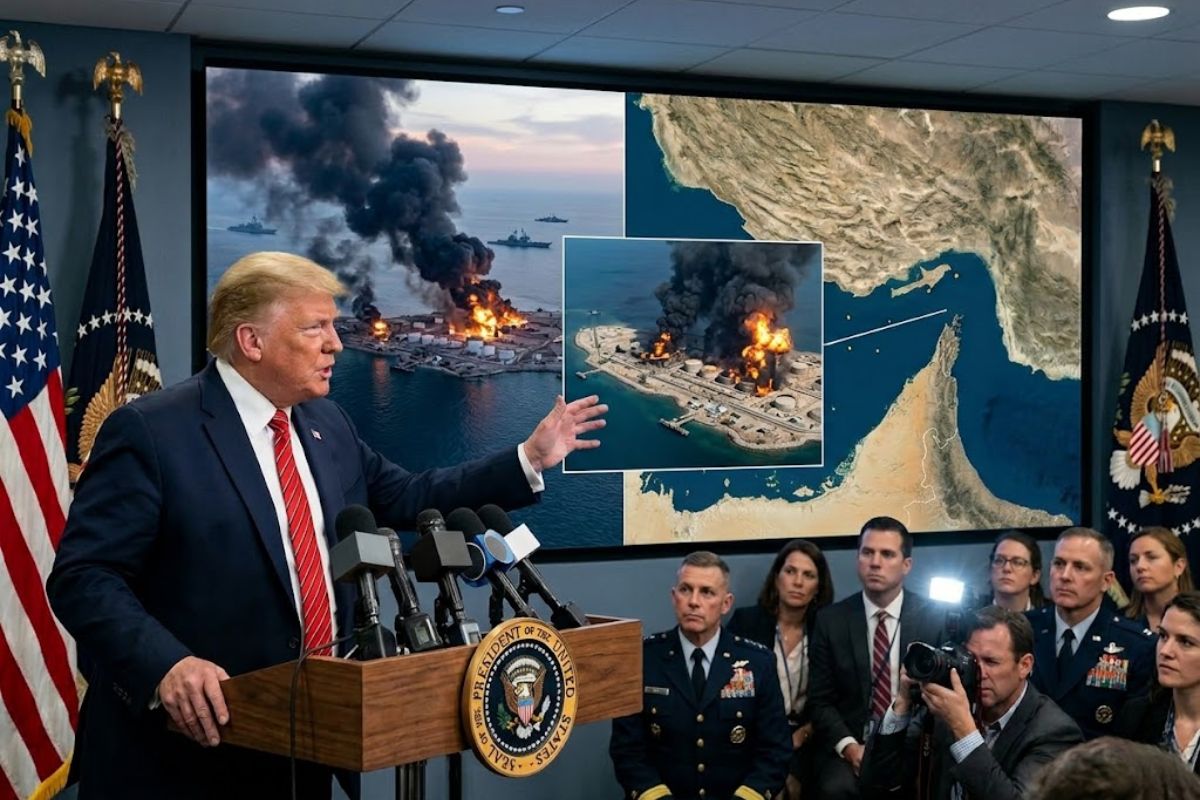
Trump Announces Bombing of U.S. Military Targets on Iranian Island Responsible for About 90% of Iran’s Oil Exports, Warns of Further Attacks if Navigation in Strategic Strait of Hormuz Is Threatened

Route Created to Escape Hormuz Becomes Crucial Again
The system was designed specifically for a scenario of rupture in the Gulf. It crosses deserts, rocky areas, and mountain ranges until it reaches the Saudi west coast, creating an alternative exit in times of crisis.
For decades, the infrastructure operated below potential. The logic was simple: keep a route ready for when Hormuz became unreliable. Now, this plan has come to fruition and has immediate value.
Flow Can Jump from 1 Million to 7 Million Per Day
Before the crisis, the pipeline transported about 1 million barrels per day. With the new logistical push, the expectation is to increase the system to 7 million barrels daily, the estimated operational ceiling.
This advancement depends on several adjustments happening simultaneously. Ships need to change course quickly, and the terminals in Yanbu must handle a volume that would typically be organized months in advance.
1980s War Shaped Saudi Strategy
The origin of this choice dates back to the conflict between Iran and Iraq, when attacks on tankers turned the Gulf into a high-risk area. From there, Riyadh began treating its dependence on Hormuz as a strategic vulnerability.
According to Saudi Aramco, the state-owned oil company that dominates Saudi production, the increased flow can be achieved soon, although the actual speed depends on the repositioning of ships and the load handled in Yanbu.
Emirates Also Use Parallel Route Outside the Strait
Saudi Arabia is not alone in this maneuver. The United Arab Emirates also has a pipeline that avoids Hormuz, linking the fields of Abu Dhabi to the port of Fujairah, in the Gulf of Oman.
This structure allows for the export of about 1.5 million barrels per day and, in an emergency, can approach 2 million. Even so, the sum of alternative routes still falls short of the volume lost due to the closure of the strait.
Yanbu Becomes New Bottleneck with Limit Close to 4 Million Per Day
Transporting oil to the Red Sea solves only part of the problem. The next step is to load this volume at the export terminals, which introduces a new limit.
Yanbu North and Yanbu South, the two major exit points, would theoretically have a capacity of 4.5 million barrels per day. In practice, market estimates point to something closer to 4 million, while the highest daily load recorded was around 1.7 million.
Diversion Eases the Shock but Leaves the Region More Exposed
Even in the best-case scenario, with pipelines operating at peak capacity, coordinated ships, and adjusted refineries, the alternative routes only partially compensate for the disruption. Before the war, around 15 million barrels per day of crude oil passed through Hormuz, within a total flow close to 20 million between oil and derivatives.
This gives some relief to the global market, but does not eliminate the risk. By concentrating more volume on these routes, Saudi Arabia and the Emirates also increase the exposure of their infrastructures to potential reprisals.
The immediate effect is clear: the Saudi Plan B avoids an even sharper collapse in supply and buys time for the international market. Still, the margin for safety remains tight.
If the disruption continues, the problem will cease to be merely logistical and will begin to reshape the energy balance of the region. It is an emergency response that changes the strategic outlook.









-

-

-

3 pessoas reagiram a isso.