





 Portuguese
  English
  Spanish
 3 min of reading
  0 comments


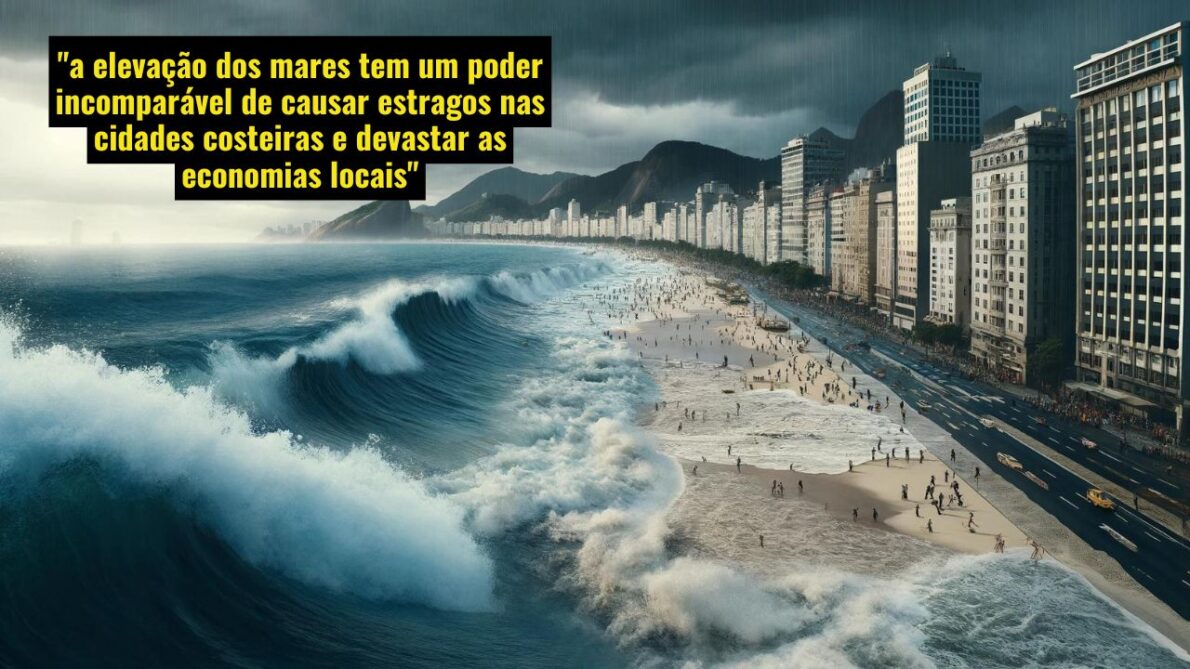
NASA Predicts Sea Will Rise 16 Cm and Affect Rio de Janeiro
The NASA has issued a concerning alert: the sea level could rise by up to 16 cm by 2050, and Rio de Janeiro is on the front lines of the impacts of this phenomenon. This increase, which could range between 12 cm and 21 cm, puts the marvelous city in a delicate situation, especially when we talk about the coastal areas that attract tourists from around the world. This data comes alongside a grim forecast that affects other regions around the globe, but with a particular focus on Brazil.
The UN, in its report “Surging Seas in a Warming World”, highlighted that rising sea levels are one of the greatest environmental and economic challenges of the century. The main cause? The melting of polar ice caps and glaciers, a direct result of global warming. NASA confirms that, since the early 20th century, sea level rise has occurred at an unprecedented rate, putting cities like Rio de Janeiro at imminent risk.
NASA Shows That Sea Level Has Already Risen 9.4 Cm
NASA data shows that, between 1993 and 2023, the sea level rose by 9.4 cm, which has already been sufficient to cause concern. In Rio de Janeiro, the expectation is that the increase will reach 16 cm in the coming decades, which could have devastating effects on coastal areas like the famous Copacabana Beach and the Barra da Tijuca neighborhood. The city, which is already facing challenges with increasing storms and high tides, may see an intensification of these climate events, directly affecting the local economy and the lives of residents.
-
A “silent skill” is allowing Brazilians to earn up to R$ 22,000 per month without a degree and become indispensable for companies that rely on millions of data to survive.

-
Researchers at the Toyota Research Institute found that if a human uses robotic arms to flip a pancake 300 times in an afternoon, the robot learns to do it on its own the next morning, and this is currently the most promising method to solve the biggest bottleneck in modern robotics.

-
Goodbye iron: a common item in households is starting to lose space to technology that smooths clothes in minutes without an ironing board and with less energy consumption.

-
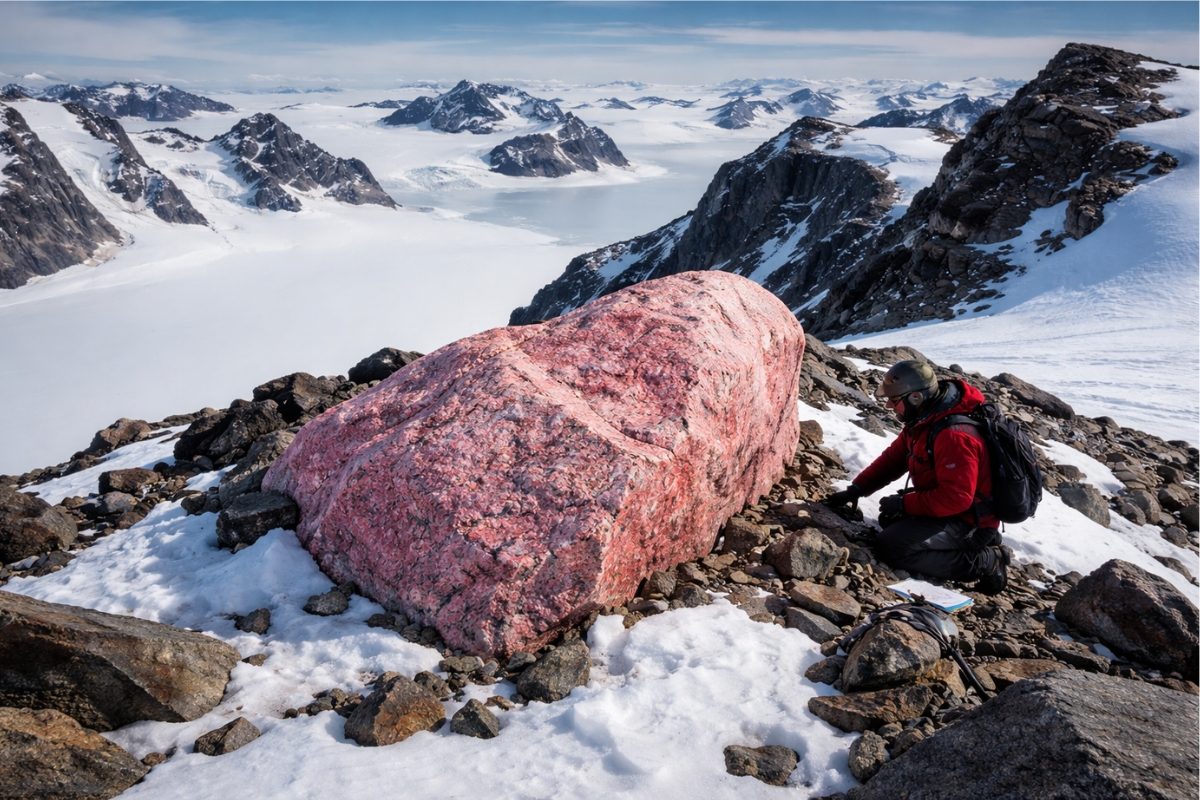
Antarctica reveals an unusual clue high in the Hudson Mountains, and what appeared to be just an isolated rock began to expose a secret hidden under the ice for ages.

Why Is the Sea Rising?
The main factor behind this increase is the melting of polar ice caps and glaciers, something directly related to global warming. The emission of polluting gases, especially carbon dioxide, is heating the planet, causing these enormous ice masses to melt faster than ever. And the impact of this is felt globally, but, as NASA points out, in coastal cities like Rio de Janeiro, the impact can be even more severe.
What Can Be Done?
Despite the alarming scenario, there is still action to be taken to try to contain this rise. The reduction of polluting gas emissions is one of the main measures that need to be urgently adopted. NASA and the UN suggest adopting renewable energy sources, protecting coastal areas through physical barriers, and implementing reforestation policies. These actions, if coordinated at both the global and local levels, can help mitigate the effects of rising sea levels.
Rio de Janeiro in the Crosshairs
For Rio de Janeiro, the forecast of a 16 cm rise in sea level by 2050 is not just a number. This could mean more flooding, beach erosion, and direct impacts on tourism, which is one of the city’s main sources of income. The UN Secretary-General, António Guterres, warned that “rising seas have an unparalleled power to wreak havoc on coastal cities and devastate local economies.” And for Rio de Janeiro, this could be a reality very soon.
The UN report, supported by NASA data, makes it clear that rising sea levels are a real and immediate problem for Rio de Janeiro. With the forecast of an increase of up to 16 cm in the coming years, the city needs to act now, adopting measures to protect its shores and its populations. It is not just an environmental challenge, but an issue that can directly affect the economy and the way of life of millions of people. The time to act is now, before it is too late.
What do you think of NASA’s prediction about the impact of rising sea levels on Rio de Janeiro? Leave your comment and share your opinion!







-

Uma pessoa reagiu a isso.