





 Portuguese
  English
  Spanish
  5 min of reading
  0 comments


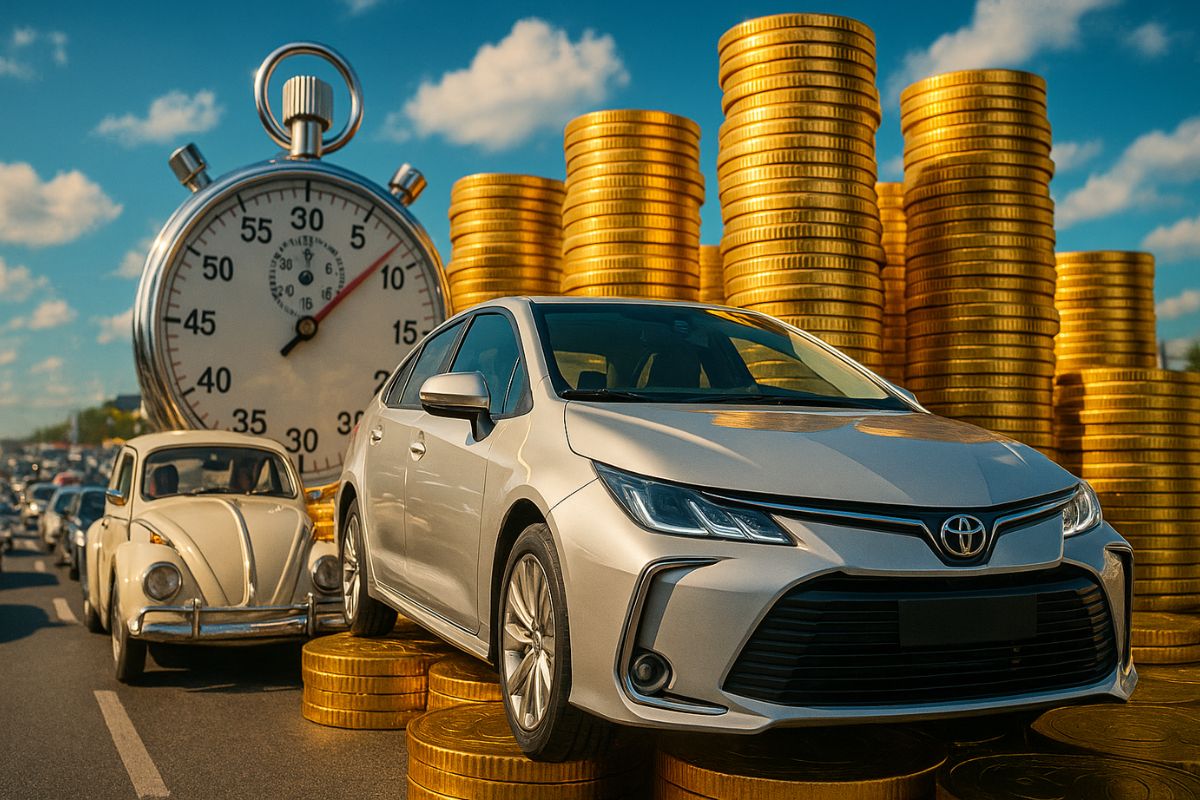
The Toyota Corolla Surpassed the Beetle, Totaling Over 50 Million Units in 55 Years and Maintains an Average Sales Rate of One Every 30 Seconds, Driven by Reliability, Cost-Effectiveness, and Hybrid Versions That Consolidated the Model in Over 150 Countries
The Toyota Corolla has become a rare case of longevity and global scale. Since 1997, the sedan has been regarded as the best-selling car in history, surpassing the Volkswagen Beetle and reaching the mark of 50 million units. In 2024, there were 1.08 million registrations worldwide, and in the first quarter of 2025, the model returned to the top with 244,000 units. In terms of market perception, this translates to one sale every few dozen seconds throughout the year.
In addition to the volume, the secret lies in the formula that Toyota has perfected over 12 generations. Mechanical reliability, predictable maintenance, and controlled consumption have sustained the Corolla’s reputation. The arrival of hybrid versions expanded its reach in regions where energy efficiency and emissions are increasingly important, keeping the car competitive even with the rise of SUVs.
What Explains the Strength of the Toyota Corolla at the Top
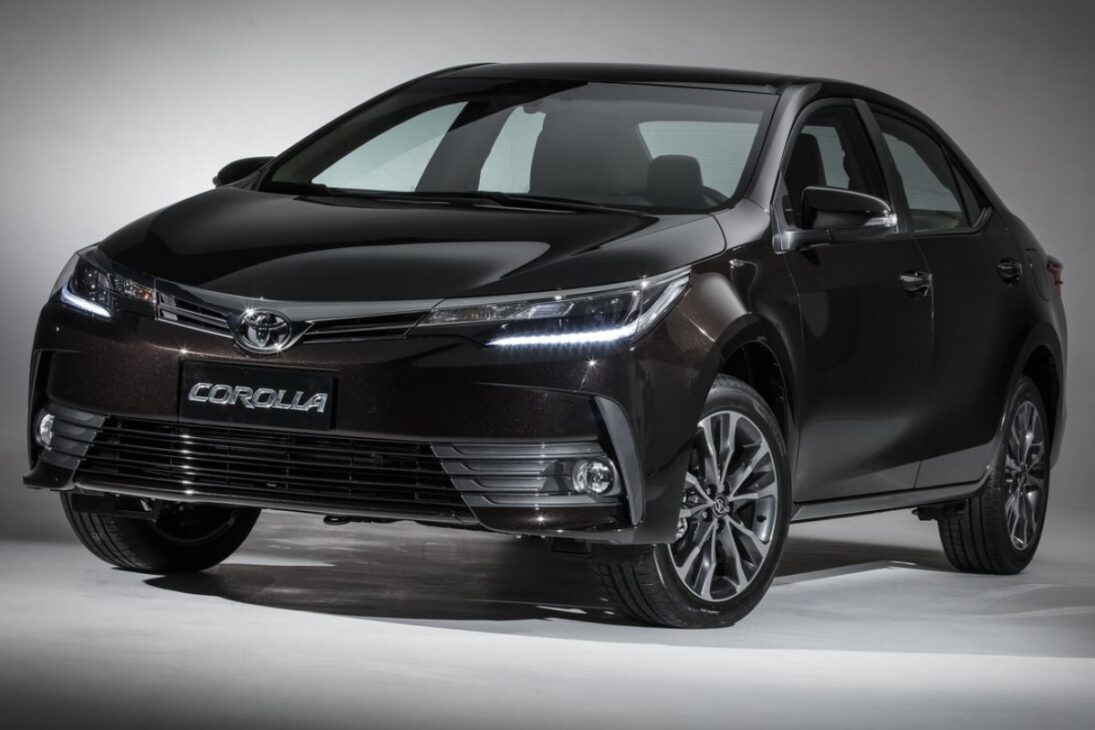
The Corolla’s leadership stems from a combination that is difficult to replicate.
-
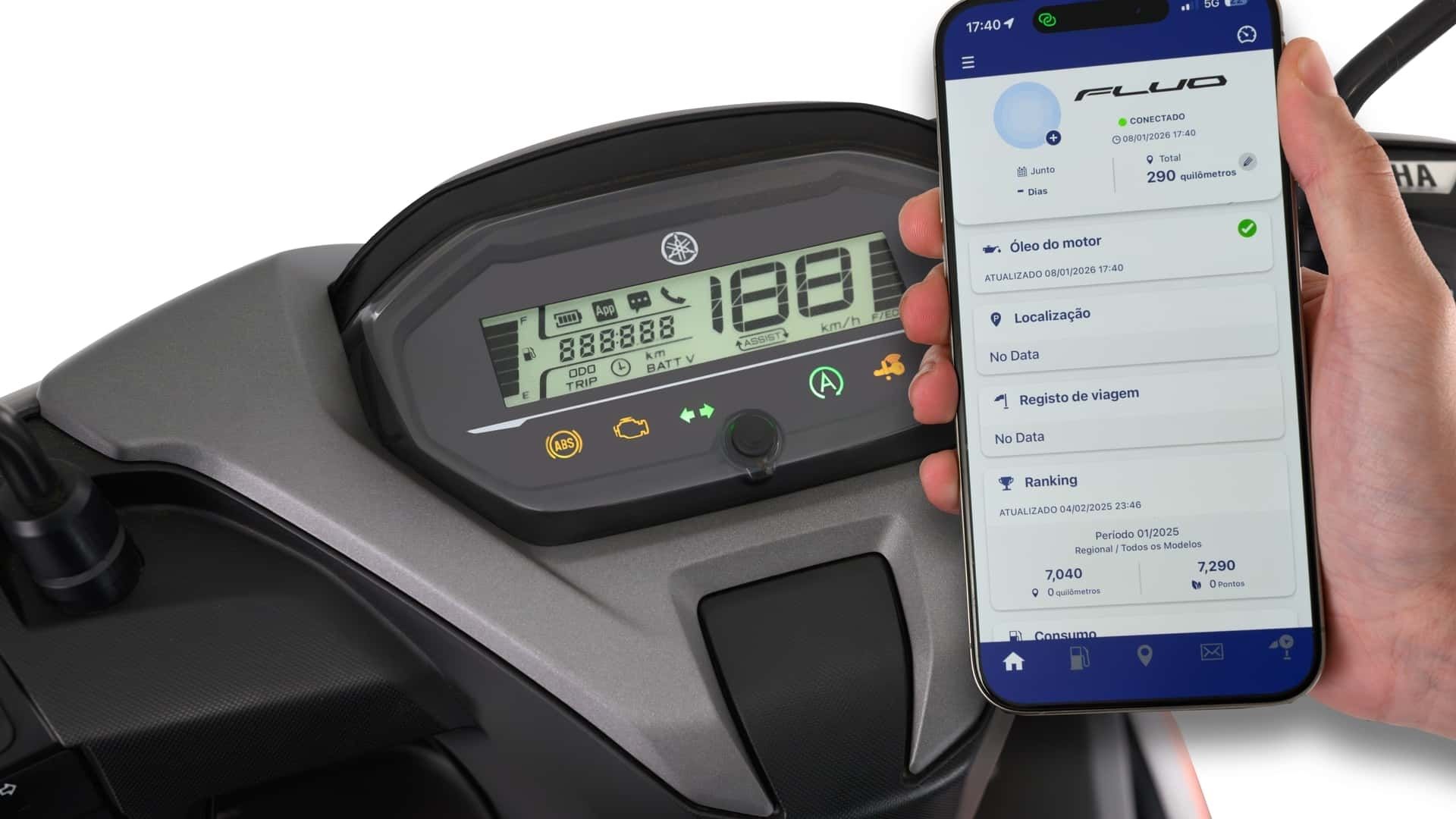
Costing R$ 16,000, the new Yamaha features a 125 cc hybrid engine with electric assistance, delivers 8.3 hp, includes ABS, optimized fuel consumption, Y-Connect connectivity, 25 liters of storage space, and a surprising 4-year warranty in the urban segment.
-
OMODA & JAECOO grows in Europe in 2026 with an integrated strategy of sales, innovation, local production, and technological advancement in the United Kingdom, Italy, and Spain.
-
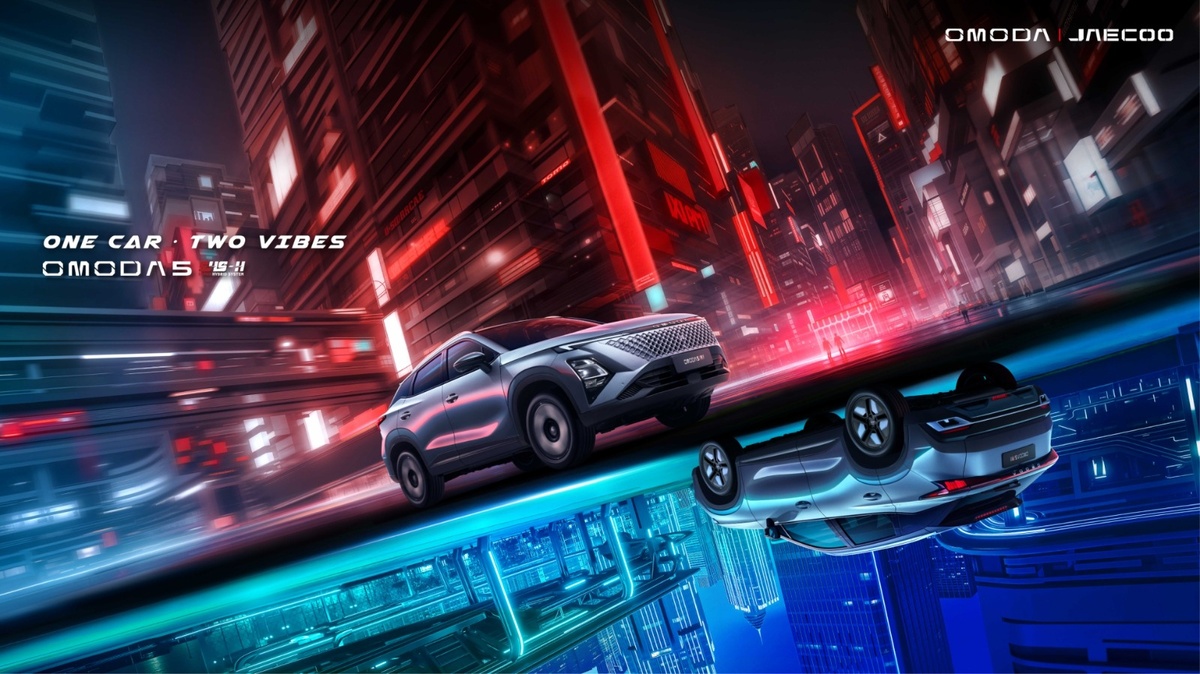
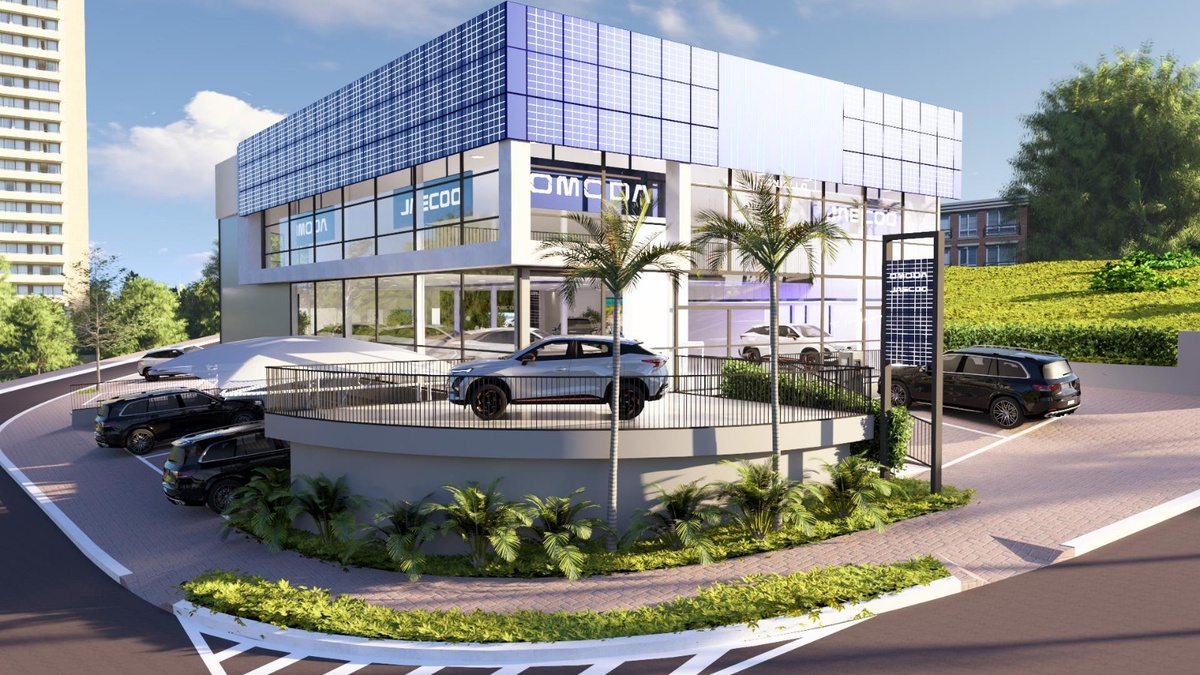
OMODA & JAECOO expands after-sales service in Brazil with competitive maintenance, a 7-year warranty, and high availability of parts for technological SUVs.
-
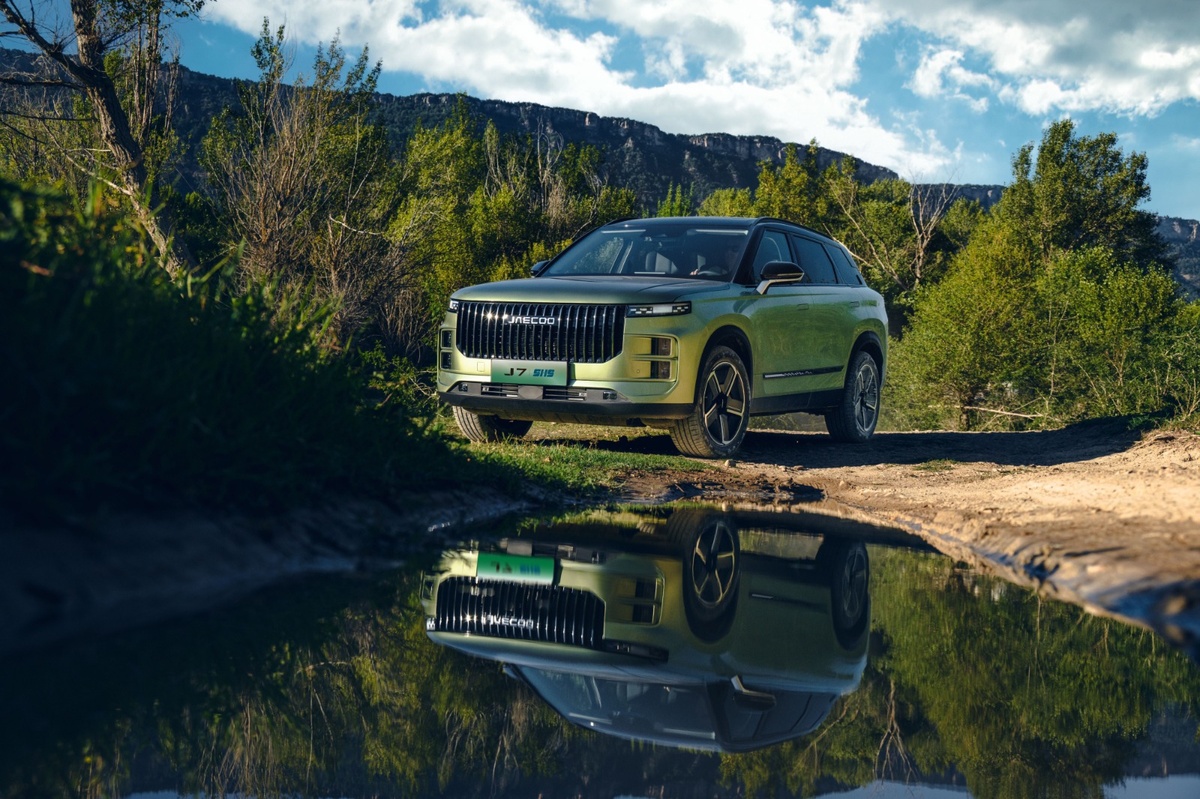
OMODA & JAECOO appoints Alessandra Souza as executive marketing director in Brazil and accelerates brand expansion with a focus on innovation, networking, and hybrid portfolio.


First, the global standardization of quality, supported by evolving platforms that allowed for updates in safety, connectivity, and efficiency without breaking the product’s identity.
Second, the regional adaptation: the same name meets distinct needs with adjustments in engine calibration, comfort, and equipment packages tailored to each market.
Another pillar is the residual value. In markets where resale plays a role in the decision, the Corolla retains prices and attracts fleet owners, rideshare drivers, and families.
When consumers perceive that the total cost of ownership is low, the competition shifts from merely power or design to financial predictability, an area where the model historically excels.
From Surpassing the Beetle to the Milestone of 50 Million
By surpassing the Beetle, the Corolla achieved a feat that involves persistence and renewal. Selling a lot for many years requires design consistency.
Toyota scaled production, expanded its network, and maintained focus on what the public associates with the name Corolla: durability.
In 2021, the symbolic milestone of 50 million materialized from generations of repeat purchases by customers who swap cars within the same line.
The recent pace confirms the traction. In 2024, over 1.08 million units were sold, and at the start of 2025, the car regained quarterly leadership.
This performance, when averaged out, supports the narrative of one unit sold every 30 seconds, reinforcing the Corolla’s presence in the public imagination as synonymous with a reliable car.
The Impact of Hybrids and the Shift in Efficiency
The recent technological turn has elevated the Corolla’s relevance in the energy transition. In regions like Europe, the hybrid mix is dominant, a result of environmental regulations and incentives.
The Toyota hybrid system offers quiet operation in the city and very low consumption in urban use, where the electric motor works more.
For users, this means fewer stops at the gas station and lower costs per kilometer.
This strategy has also shielded the model from the rise of SUVs.
Even with the popularity of the Corolla Cross, the sedan remains competitive by positioning itself as a rational alternative for those who value comfort, economy, and low maintenance, without sacrificing active safety technologies.
Brazil and the Change in the Portfolio
In Brazil, the Corolla was for years the leader of mid-size sedans, first due to the robustness of combustion engines and later by the appeal of the flex hybrid.
The market trend, however, has shifted toward SUVs, leading to the prioritization of the Corolla Cross.
The industrial reorganization itself indicates a focus on projects of higher demand, while still preserving the legacy of the sedan as a reference for after-sales and resale.
For Brazilian consumers, the equation remains the same. Those seeking cost predictability, a broad network, and easy resale tend to look towards the Corolla.
The historic presence in fleets and families creates a virtuous cycle of trust that ultimately sustains the volumes of a global bestseller.
How Do We Arrive at the Number of One Sale Every 30 Seconds
The metric is an arithmetic average based on global annual sales. With around 1.08 million units sold per year, the number of seconds in a year is divided by this total.
The result rounds to approximately three dozen seconds per unit.
This is not a real stopwatch but rather a scale indicator that helps the reader gauge the continuous demand for the model.
This conversion illustrates the constancy of performance.
When a single name sells over 1 million cars per year, the daily and per-second distribution helps communicate the industrial and commercial reach that few brands manage to sustain.
Corolla Today: Strengths and Limits in a Changed Market
The strengths remain clear. Reliability, competitive ownership costs, a broad assistance network, and efficient hybrid versions.
The limitations are also well-known. The emotional appeal of the design is subtle, and the search for space and ride height has led part of the audience toward SUVs, including within Toyota itself.
Still, the strategic reading is that the Toyota Corolla continues to be a volume anchor and a reputation for the brand.
In cycles of high interest rates and economic uncertainty, consumers tend to opt for the predictable. And predictability is precisely what the Corolla delivers.
The success of the Toyota Corolla is the sum of predictable engineering, efficiency, and well-executed global strategy.
In a world shifting towards SUVs and electrification, it remains relevant by speaking the language of affordability and long-term trust.
For those who have owned a Corolla, what weighed most in your decision: consumption, maintenance, or future resale? And for those who switched to an SUV, do you miss the sedan in your day-to-day life, or have you gained more than you lost in that exchange? Share your experience in the comments and help explain why this name still sells so much worldwide.






-

Uma pessoa reagiu a isso.