





 Portuguese
  English
  Spanish
  3 min of reading
  1 comment


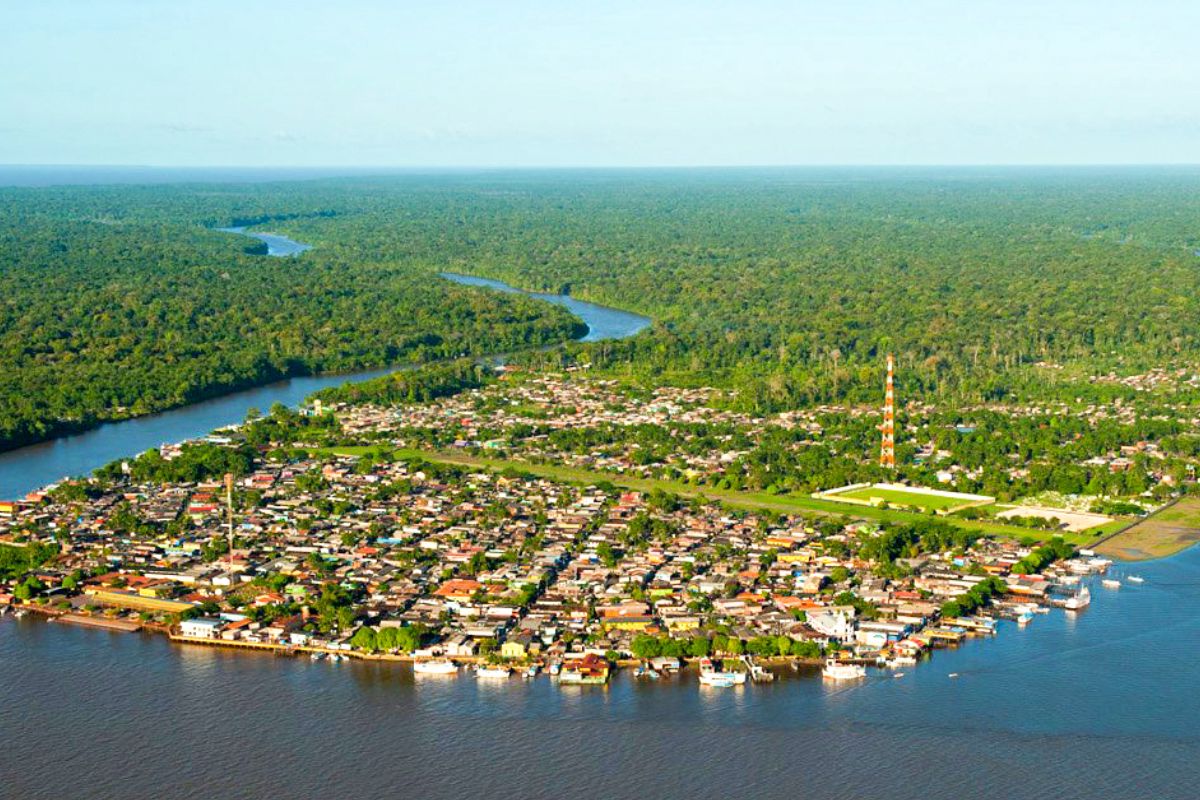

In The Heart Of The Pará Amazon, Afuá Stands Out As A Truly Unique Brazilian City. Built Entirely On Stilts, Cars Are Prohibited By Law, And Life Flows To The Rhythm Of Bicycles, Bicitaxis, And Tides.
In The Marajó Archipelago, In The State Of Pará, There Is A Brazilian City That Defies All Urban Conventions And Charms With Its Uniqueness: Afuá. Affectionately Known As The “Amazonian Venice” Or Even The “Brazilian Holland”, This Riverside Community Is Literally Built On Water, And The Most Surprising Thing: Cars, Motorcycles, Or Any Ground Motor Vehicle Have Been Prohibited By Law Since 2002. Here, The Bicycle Is Not Just A Means Of Transportation, But The True Backbone Of Local Life.
This Article Explores The Uniqueness Of Afuá, The Brazilian City Where The Absence Of Motor Vehicles Has Given Rise To A Vibrant And Creative Cycling Culture, With Ingenious Mobility Solutions Like The Bicitaxi, And A Lifestyle That Attracts Visitors From All Over The World In Search Of An Authentic Experience In The Amazon.
Afuá: The “Amazonian Venice” Where The Bicycle Reigns Over The Waters And There Is No Motor Traffic
Nestled In The Northwest Of Marajó Island, Afuá Rises Above A Floodplain Region, With Its Colorful Wooden Houses Built On Stilts. Since 2002, A Municipal Law Prohibits The Circulation Of Cars And Motorcycles, A Measure That Formalized A Reality Already Imposed By The Flood-Prone Geography, Making The Use Of These Vehicles Impractical And Potentially Destructive To The Elevated Walkways That Serve As Streets.
-
A couple buys an old chalet, breaks the kitchen floor for renovation, and finds over a thousand coins of gold and silver hidden since the English Civil War over 4 centuries ago.

-
Rigid bags with their days numbered: new trend prioritizes comfort in 2026.

-
YouTuber creates an excavator equipped with a giant 4.5-meter sword to challenge his brother to a rematch, and the invention quickly goes viral on social media.

-
The U.S. Army surprises the world by presenting the UH-60MX Black Hawk helicopter capable of flying without pilots, controlled by a tablet, featuring the MATRIX system, smart sensors, and full autonomy in real combat and rescue missions.


The Result Is A Unique Sound Atmosphere, Where The Noise Of Motors Gives Way To The Tinkling Of Bicycle Bells And The Sounds Of Nature, Contributing To A Sense Of Tranquility And “High Spirit” In This Unique Brazilian City. Traffic, Even Without Traffic Lights, Flows Based On Mutual Respect, And Accidents Are Rare.
The Bicitaxis And The Creativity On Pedals In Afuá

In Afuá, About 90% Of The Population Regularly Uses Bicycles For All Activities. This Dependence Has Stimulated Remarkable Local Creativity, With The Bicitaxi Being Its Greatest Expression. Created In 1995 By Raimundo Gonçalves (“Sarito”), The Bicitaxi Evolved From Tricycles To Articulated Quadricycles (Usually Two Bicycles Joined Together), Capable Of Transporting Passengers And Cargo, Becoming The Main Public Transport And Freight Means.
These Vehicles Are Often Customized With Vibrant Paintings, Ornaments, And Sound Systems, Reflecting The Identity Of Their Owners. Other Adaptations Include The “Bicilância” For Medical Emergencies And Policing On Bicycles, Showcasing The Complete Integration Of Cycling In The Life Of This Brazilian City.
The Architecture And The “Streets” Of Elevated Walkways In Afuá
The Urban Landscape Of Afuá Is Defined By Its Buildings On Stilts, An Ancient Technique Essential For Dealing With The Flood-Prone Soil And The Floods Of The Amazon Rivers. The “Streets” Are Actually Elevated Walkways That Interconnect The City, Serving As Bicycle Lanes And Shared Sidewalks.
Originally Made Of Wood, These Walkways Are Gradually Being Replaced By Concrete Structures, Aiming For Greater Durability. The Maintenance Of This Infrastructure Is A Constant Challenge And Requires Ongoing Investments To Ensure The Mobility And Safety Of The Residents Of This Unique Brazilian City.
A Look At The Economy And Society In Afuá, The City Of Bicycles


The Economy Of Afuá, A Brazilian City With About 40 Thousand Inhabitants, Evolved From The Rubber Cycle To The Extraction Of Freshwater Shrimp And Açaí. The Absence Of Cars Has Driven A Microeconomy Around Bicycles, With Bicitaxi Drivers, Repair Workshops, And Street Vendors On Two Or Three Wheels.
Tourism Has Also Grown, Attracted By The Cycling Culture, Festivals (Such As The Shrimp Festival In July), And The Amazonian Beauty. Despite Socioeconomic Challenges, Such As A Historically Low HDI For The Delta Region Of Marajó, Afuá Is Known For Its Hospitality And Strong Sense Of Community.








Essa é a minha cidade onde eu nasci e me criei, sempre que possível passo uns dias lá, se paz e sossego passe umas férias, povo extremamente feliz e acolhedor.
É uma cidade fantástica, também chamada de VRNEZA MARAJOARA!