





 Português
  Inglês
  Espanhol
  3 min de leitura
  2 comentários


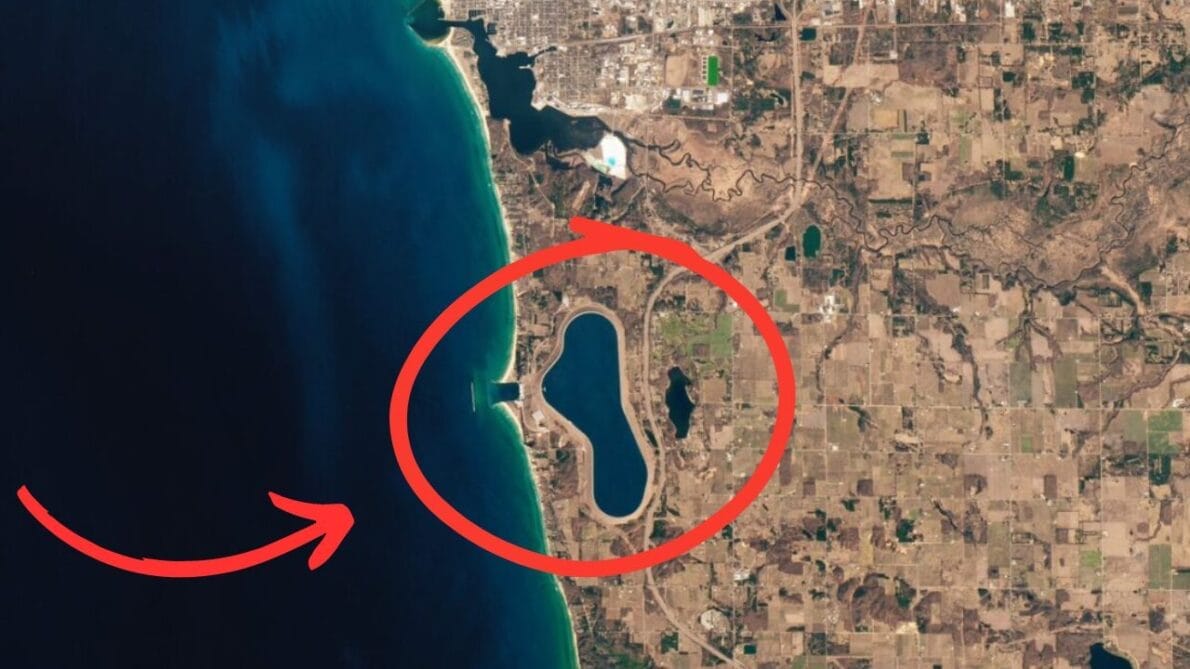


Discover The Lake On A Cliff In The U.S. That Is, In Fact, One Of The Largest Batteries In The World, Vital For Sustainable Energy For Millions Of Households.
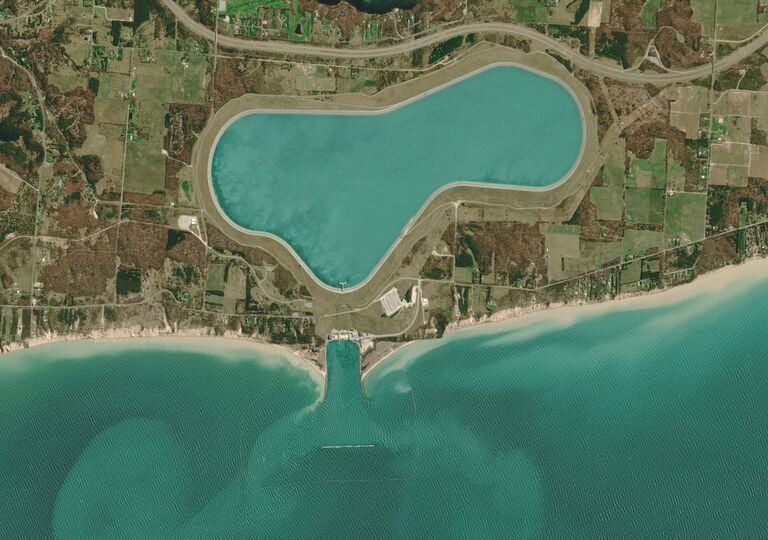
Atop a cliff, hundreds of meters above Lake Michigan, lies an impressive structure: the Ludington Pumped Storage Plant. This site is not just a water reservoir; it is one of the largest “batteries” in the world. Through a reversible hydroelectric energy storage process, the plant plays a crucial role in providing electricity for millions of households.
How Does The Ludington Pumped Hydroelectric Plant Work?
The Ludington pumped hydroelectric plant has been operating since 1973 and can be described as a huge battery that uses simple physics instead of complex chemistry. During the night, when electricity demand is low, excess grid energy is used to pump water from Lake Michigan into an upper reservoir, located 110 meters high. During the day, when electricity demand increases, the water is released back to the lake through six turbines that generate hydroelectric energy.
This process not only stores energy but also makes it available when it is most needed. According to Consumers Energy, the co-owner of the plant, each unit moves the surface of the reservoir about 30 centimeters per hour under normal operating conditions. At full capacity, the plant can provide electricity for approximately 1.7 million residences, highlighting its vital role in Michigan’s energy infrastructure.
-
A megaproject worth R$ 89 billion is advancing in Iraq and promises to change the game in global trade by creating a new corridor between Asia and Europe, reducing traditional routes and repositioning the country as a logistics powerhouse.
-
Goodbye bedside table: floating shelves become a trend in 2026 by freeing up space in the bedroom, improving circulation, bringing visual lightness, and integrating technology without taking up floor space.

-
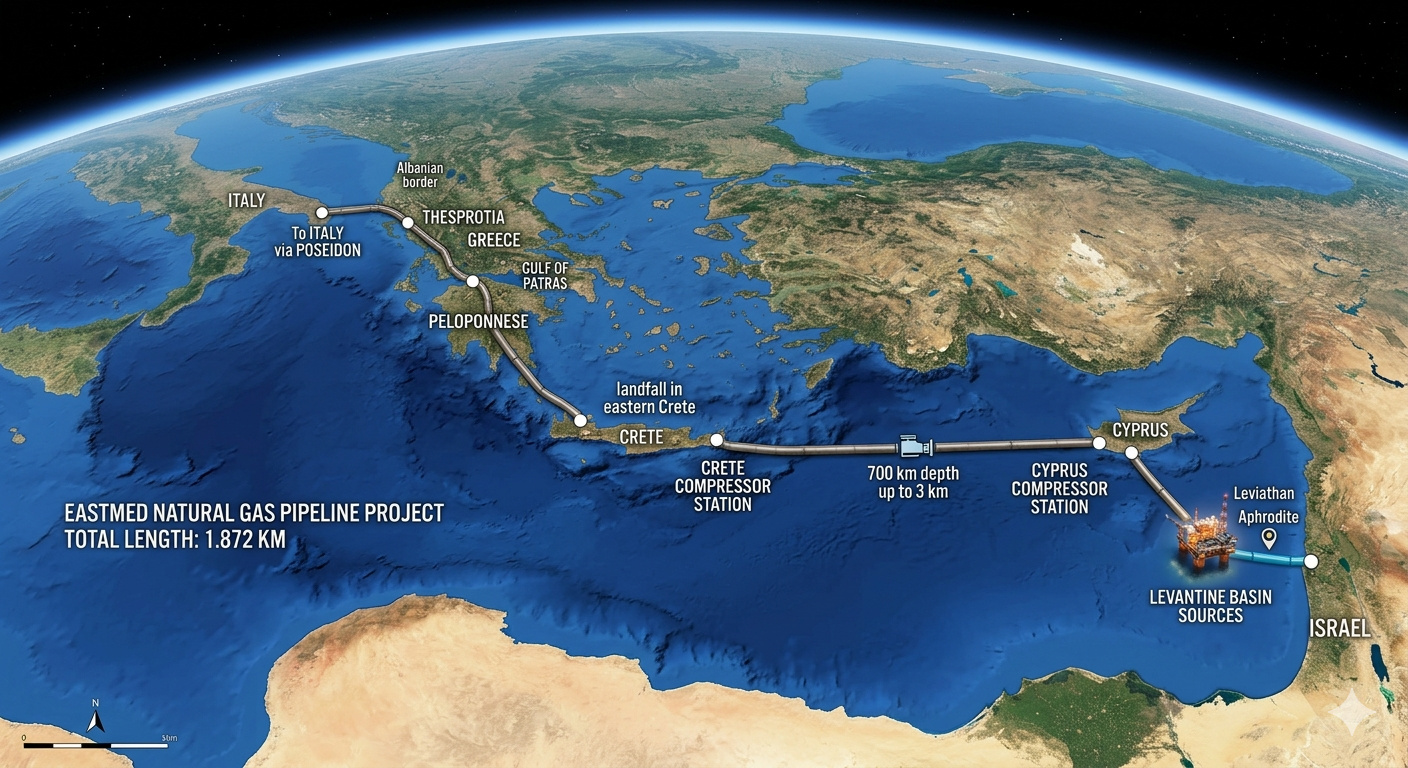
Israel, Greece, and Cyprus signed an agreement in 2020 to transport gas from the Mediterranean to Europe via a 1,872 km pipeline, but Turkey claimed sovereignty over part of the maritime route, and the project never materialized.
-
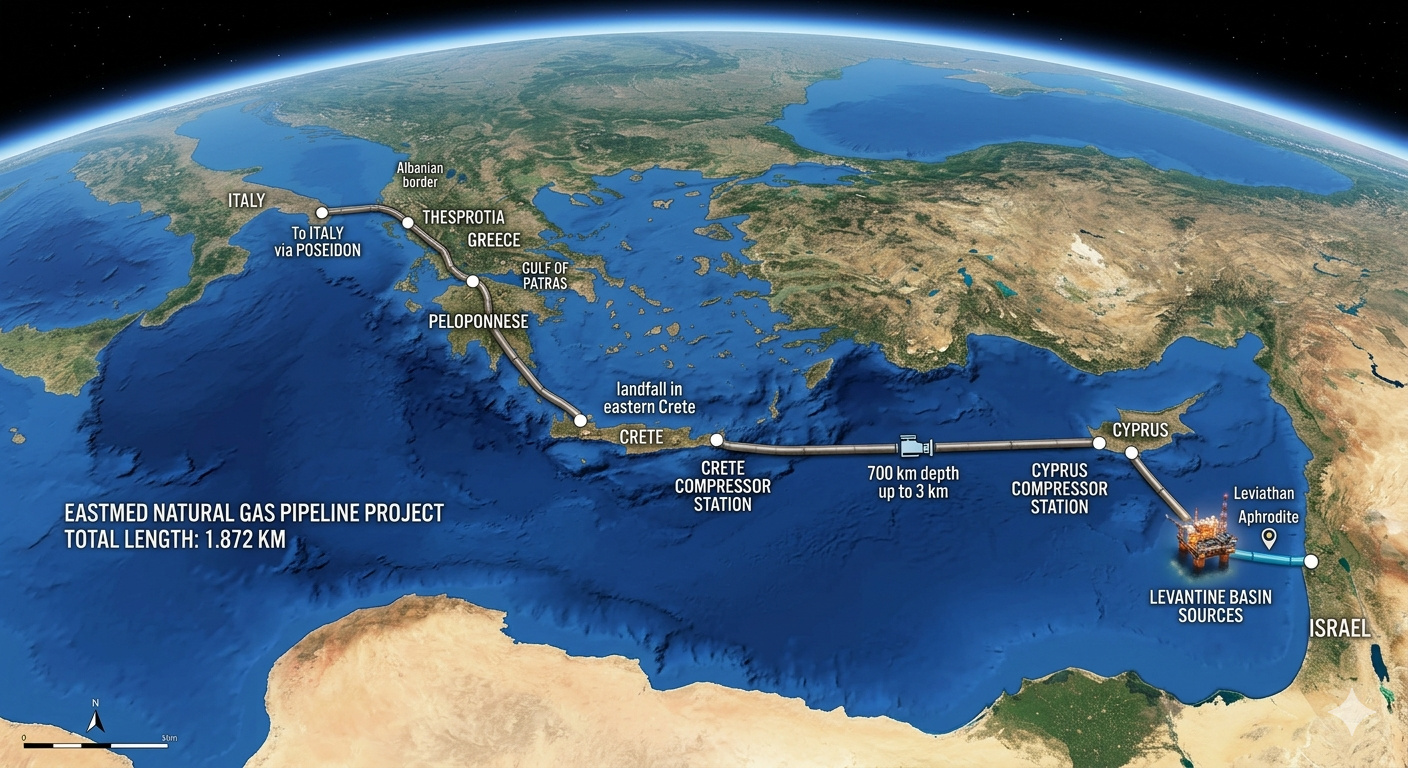
Israel, Greece, and Cyprus signed an agreement in 2020 to transport gas from the Mediterranean to Europe via a 1,872 km pipeline, but Turkey claimed sovereignty over part of the maritime route, and the project never materialized.

The Importance Of The Plant In Michigan’s Energy Infrastructure
Electricity in Michigan primarily comes from fossil fuel and nuclear power plants. These sources, being relatively constant, allow the Ludington plant to pump water at night and generate energy during the day. This balance is essential to meet daily energy demand without overloading the grid.
However, with the increasing inclusion of renewable energies such as solar and wind, the operations of the plant can be adjusted. For example, the plant could be recharged at noon using solar energy and discharged at night when electricity demand is higher. This flexibility is crucial for the widespread adoption of renewable energy sources, as it allows intermittent solar and wind energy to be stored and used as needed, reducing reliance on fossil fuel backup plants.
The Evolution And Future Of Energy Storage
Large-scale energy storage is a crucial component for the transition to a cleaner energy matrix. According to the U.S. Department of Energy, hundreds of gigawatts of storage capacity will need to be added by 2050 to meet the country’s clean energy goals. The Ludington plant, with its reversible storage capacity, serves as an example of how this type of technology can be expanded and modernized.
In 2022, 43 pumped hydroelectric plants accounted for 96% of commercial-scale energy storage capacity in the U.S. While new battery storage installations have emerged between 2020 and 2022, pumped plants continue to play a fundamental role. Many of these facilities were built between 1960 and 1990, and some, like Ludington, have recently been modernized to enhance capacity and integrate renewable energy sources.


Environmental Impact And Sustainability
Sustainability is a key factor in the operation of the Ludington plant. During the months of April to October, a barrier is installed to protect aquatic fauna, preventing fish from entering the inlet and outlet channel. This measure is essential to preserve the ecosystem of Lake Michigan, demonstrating the plant’s commitment to environmentally responsible practices.
Furthermore, the modernization of the plant not only increased its storage capacity but also improved its efficiency. By adapting its operations to incorporate renewable energies, the Ludington plant is at the forefront of the transition to a more sustainable energy matrix. This effort is crucial not only to reduce the plant’s carbon footprint but also to establish a model that other facilities can follow.










Boa, e no Brasil onde o governo manda e desmanda, cara e com alta carga tributária.
Obs.1: O termo “Usina de Armazenamento Bombeado” é mais usado em Portugal e é uma tradução quase ao pé da letra de “Pumped Hydroelectric Energy Storage”. No Brasil usamos mais “Usina Hidrelétrica Reversível” (UHR).
Obs.2: Ludington, com 2.172 MW, é a sexta maior UHR. A maior é a chinesa Fengning, com 3.600 MW. Ver https://en.wikipedia.org/wiki/List_of_pumped-storage_hydroelectric_power_stations (é claro que não se pode confiar muito na Wikipedia, mas nesse caso eles fornecem as fontes).