





 Portuguese
  English
  Spanish
  3 min of reading
  2 comments


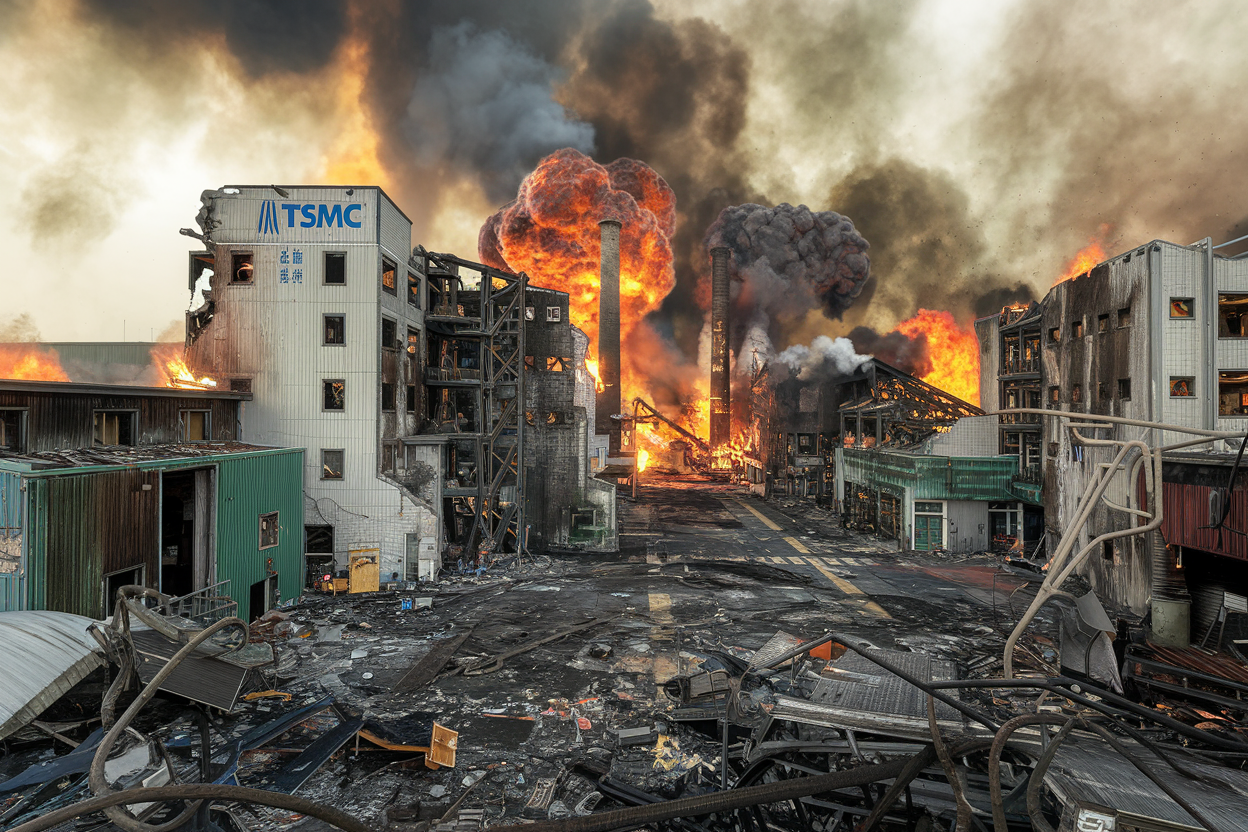


The Possible Invasion of Taiwan by China Puts TSMC at the Center of Global Tensions. Discover How the U.S. Plans to Protect the World Leader in Semiconductors and Avoid Its Chinese Control
The Taiwan Semiconductor Manufacturing Company (TSMC) is the largest chip manufacturer in the world, responsible for approximately 60% of the global semiconductor market. Its strategic position puts it at the center of geopolitical tensions between the United States and China, especially in the context of a possible Chinese invasion of Taiwan.
The Importance of TSMC in the Global Scenario
TSMC plays a crucial role in the global technology industry, providing advanced semiconductors for companies like Apple, NVIDIA, AMD, and Qualcomm. It is estimated that 92% of the cutting-edge chips used in the United States are manufactured by TSMC in Taiwan.
This dependency highlights the strategic importance of TSMC not only for the U.S. but for the global economy. A disruption of its operations could have a significant impact on technology supply chains worldwide.
-
If the USA were to go to war with Brazil, Washington’s greatest fear would not be the attack itself, but facing a vast territory, prolonged resistance, and a costly, chaotic, and unpredictable occupation.

-
In 2013, Nicaragua sold the concession for a canal to rival Panama to a Chinese billionaire who lost 85% of his fortune, disappeared, and was declared bankrupt. Now the project resurfaces with a new route, a new Chinese partner, and a cost of $64.5 billion.

-
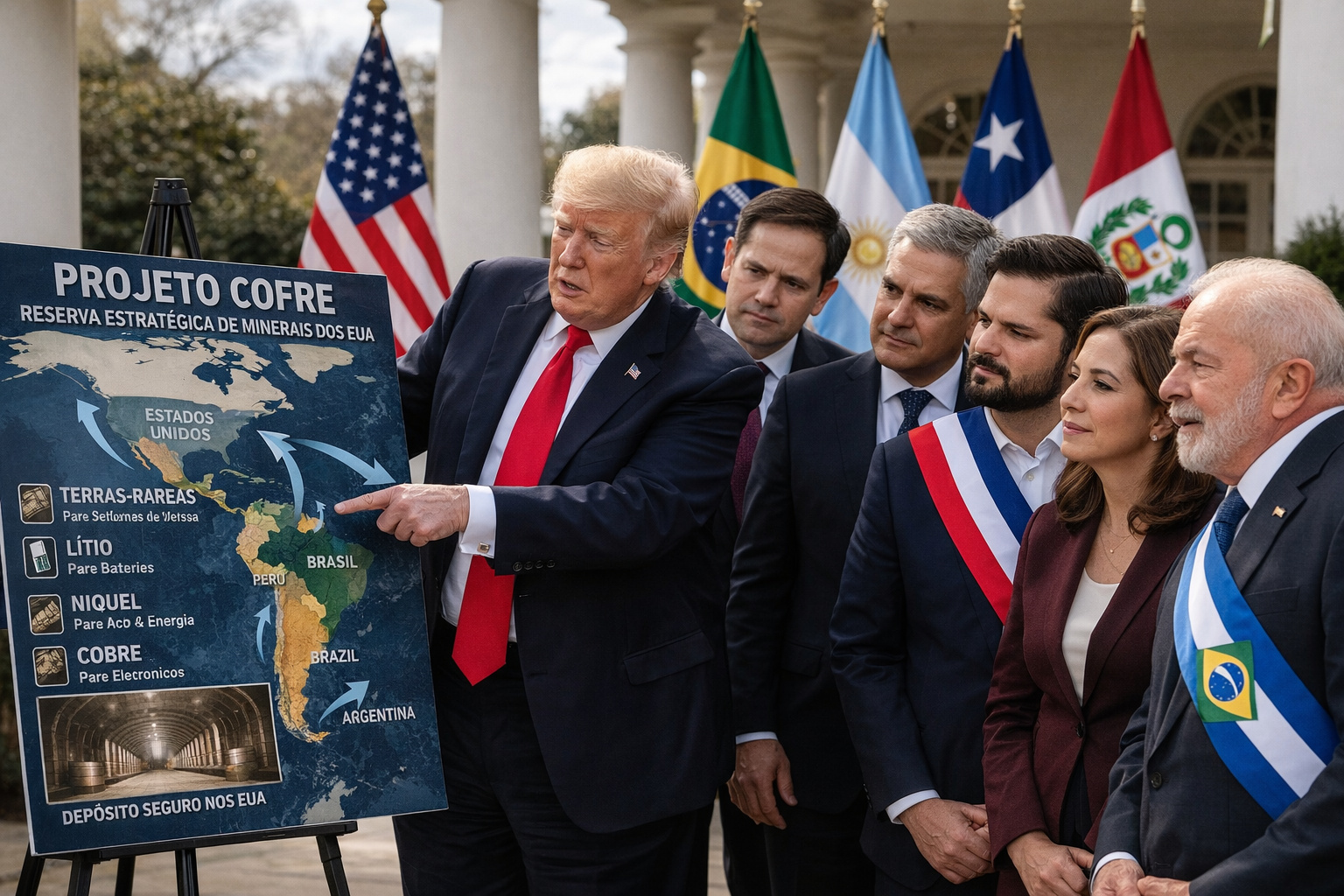
The USA announces a mysterious billion-dollar vault project to store critical minerals, but what intrigues experts is not just the plan itself, but why Latin America, including Brazil, has entered the center of this global dispute against China.
-
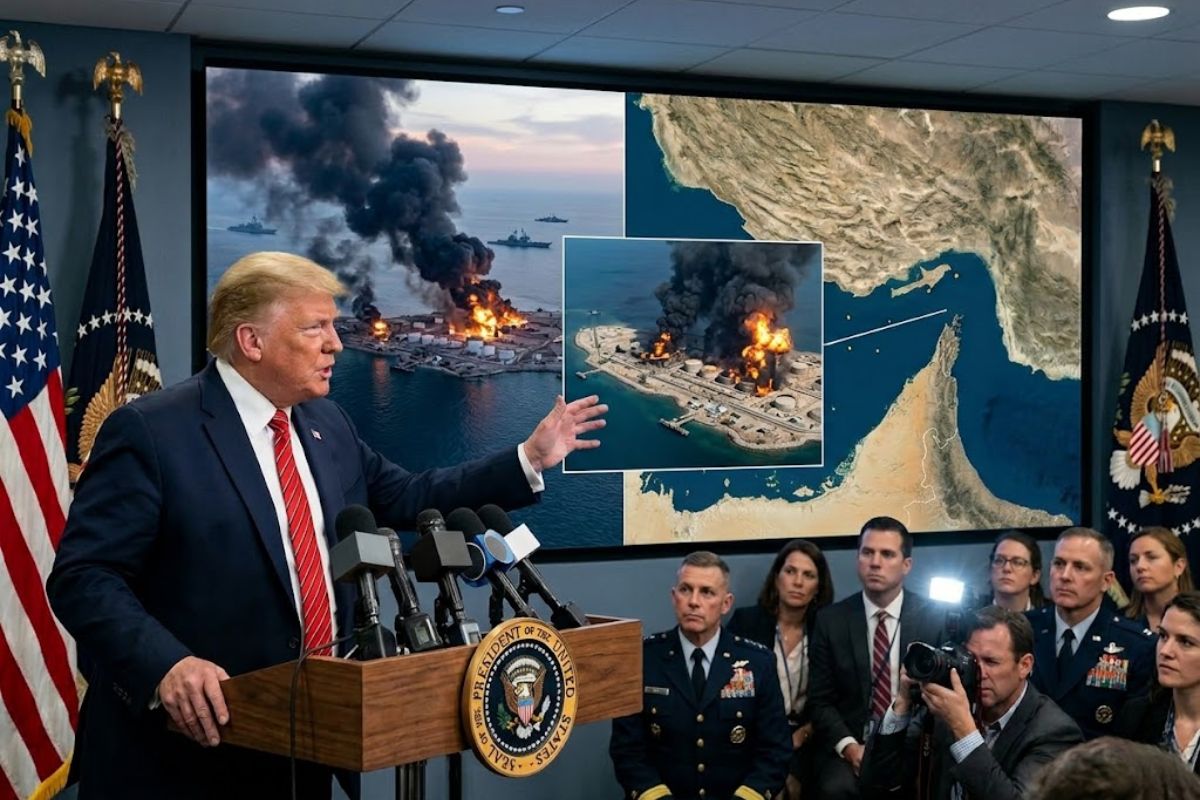
Trump Announces Bombing of U.S. Military Targets on Iranian Island Responsible for About 90% of Iran’s Oil Exports, Warns of Further Attacks if Navigation in Strategic Strait of Hormuz Is Threatened

The Threat from China and the U.S. Strategy
Given the possibility of a Chinese invasion of Taiwan, discussions have emerged about preventive measures to prevent China from taking control of TSMC’s facilities. Elbridge Colby, appointed by Donald Trump as Deputy Secretary of Defense for Policy, advocates for the destruction of TSMC’s factories in the event of an invasion. In May 2023, Colby stated: “We would be crazy to allow TSMC to fall intact into China’s hands.”
This position reflects U.S. concerns about preventing China from gaining access to advanced semiconductor technologies, which could strengthen its position in the global technological and military landscape.
Challenges of Preventive Destruction
The proposal to destroy TSMC’s facilities raises a series of complex issues. First, there is the technical challenge of quickly deactivating or destroying highly sophisticated factories without causing significant collateral damage. Additionally, such action could have profound political and economic repercussions, including the deterioration of relations between the U.S. and Taiwan, as well as negative impacts on the global economy due to the disruption of semiconductor production.
Experts argue that threatening to destroy TSMC is unnecessary and counterproductive. They suggest that the semiconductor industry is complex and that transferring control of the factories would not automatically result in a technological advantage for China.
Alternatives and Additional Measures
Instead of considering the destruction of TSMC‘s facilities, some voices suggest that the United States and its allies should focus on strengthening their own semiconductor production capabilities. Initiatives like the CHIPS for America Act, which allocates US$ 52 billion to encourage chip manufacturing in the U.S., are steps in that direction. Additionally, TSMC has announced plans to build a factory in Arizona, with an investment of US$ 12 billion, aiming to diversify its production and reduce geopolitical risks.
Another consideration is the ability to remotely deactivate production machines in the event of an invasion, preventing China from using the facilities without the need for physical destruction. ASML, a supplier of equipment to TSMC, indicated that this remote deactivation would be possible, offering a less drastic alternative.
TSMC represents a critical point at the intersection of technology and geopolitics. The possibility of a Chinese invasion of Taiwan and proposals for the preventive destruction of its facilities highlight the complexity of contemporary international relations. While the United States seeks to protect its interests and maintain its technological leadership, it is essential to consider solutions that balance national security with global economic stability, avoiding hasty actions that could lead to adverse long-term consequences.










Vai destruir **** nenhuma!
Com essas declarações descabidas, eu acho que ele quer virar o Kennedy! Vai dançar antes da posse!
Entrego nas mãos do Senhor, para que somente a vontade dEle se realize. Deus não quer o sofrimento de Seus filhos. Ele não é a favor da guerra, mas se for preciso, que aconteça. E que o sofrimento impulsione o ser humano a buscar o poder de Deus para salvar este planeta, conforme Deus revelou na Sua Palavra a Bíblia. Amém!!!