





 Portuguese
  English
  Spanish
  3 min of reading
  0 comments


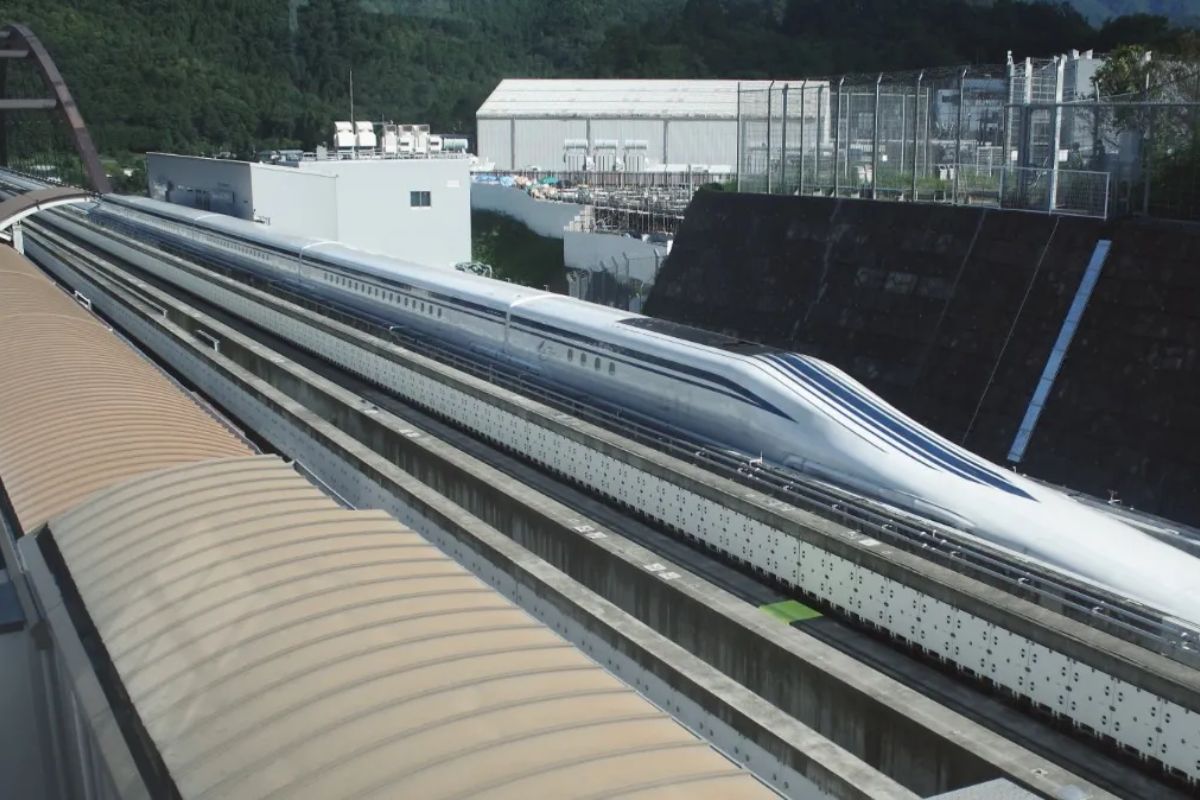
Meet the Chuo Shinkansen, the ambitious next-generation Japanese Maglev railway. Learn how it works, its speed objectives, the project delays, costs, and the expected impacts.
Japan is constructing the Chuo Shinkansen, a superconducting Maglev (SCMaglev) railway line that promises to revolutionize intercity travel. This project represents the pinnacle of decades of Japanese development in Maglev technology, aiming to connect Tokyo, Nagoya, and eventually Osaka at speeds exceeding 500 km/h.
Understand the depth of the Chuo Shinkansen, the next-generation Maglev railway. We will explore its innovative technology, the current status of the project, financial and construction challenges, and its expected socioeconomic and environmental impacts.
Chuo Shinkansen: The Maglev Revolution Planned by Japan
The Chuo Shinkansen is a flagship project of the Central Japan Railway Company (JR Central). Its main goal is to drastically reduce travel time between Japan’s largest cities. Commercial operations are projected to have a maximum speed of 505 km/h, with Series L0 trains. In tests, a prototype achieved a world record of 603 km/h.
-
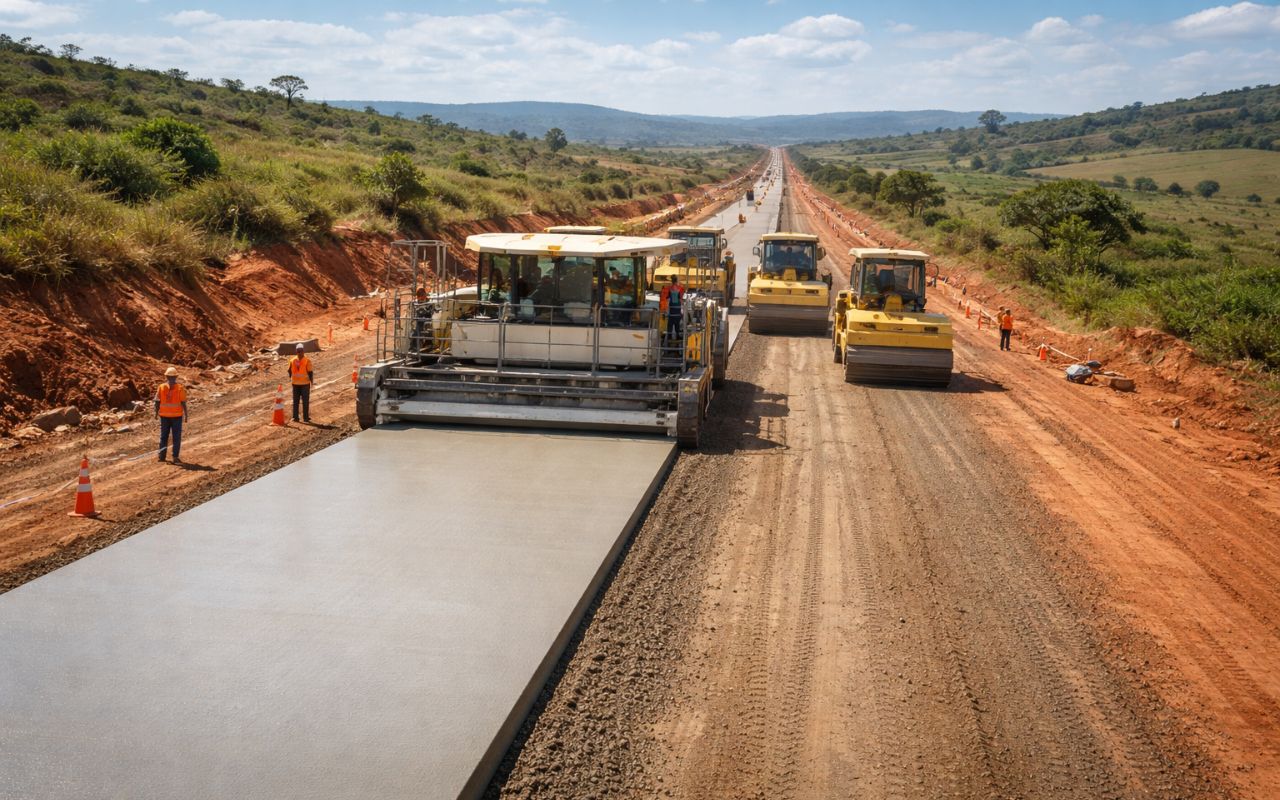
New CCR concrete paving technology promises roads up to 3x more durable, less maintenance, and cost reduction in Brazil.
-
Made from recycled plastic, plastic wood is gaining space in the construction industry because it does not rot, resists moisture, and reduces maintenance costs over the years.

-
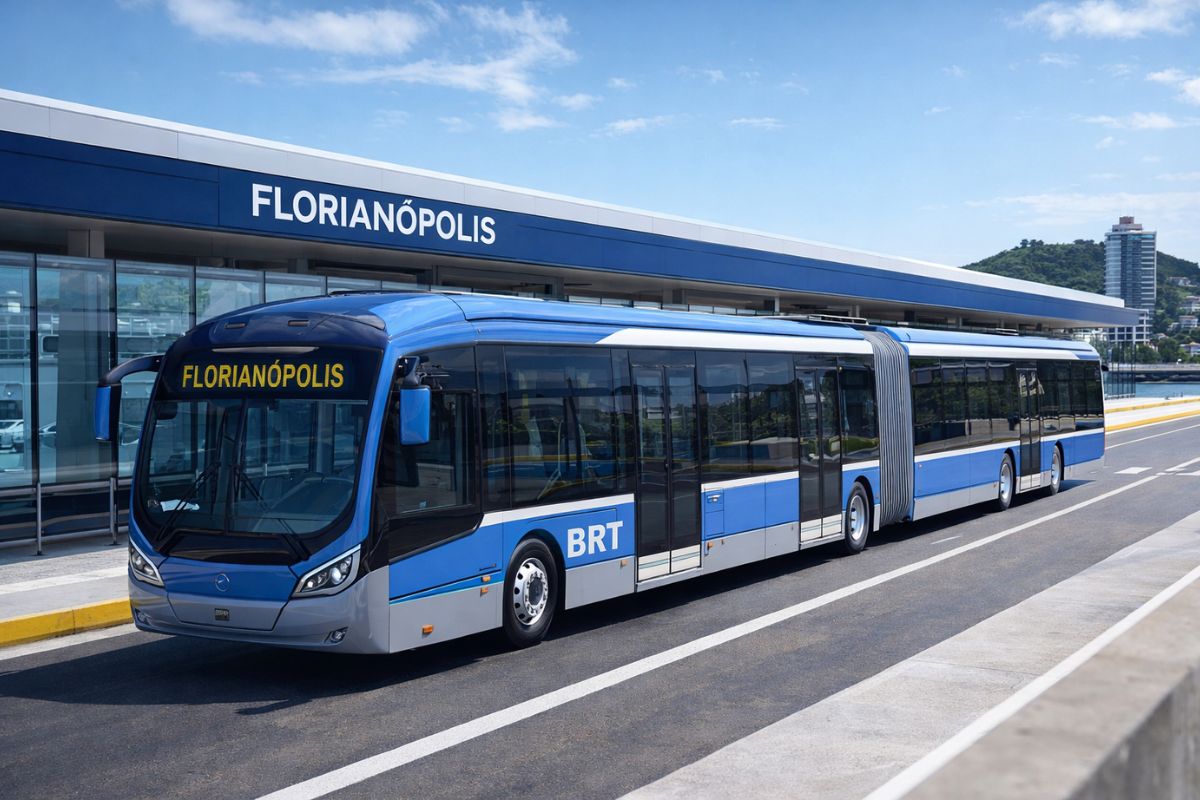
Florianópolis will receive a million-dollar BRT that will begin construction in 2026 with nearly 400 million in funding from the federal government and the Inter-American Development Bank, and the map already shows the routes for the exclusive bus corridors.
-
Without a blueprint, without an engineer, and using scrap from the dump, a father spends 15 years building an 18-room castle for his daughter, featuring tram tracks, 13 fireplaces, and over 700 m², which may now be demolished.


The journey between Tokyo (Shinagawa) and Nagoya is expected to take only 40 minutes. The future extension to Osaka (Shin-Osaka) will reduce the Tokyo-Osaka route to 67 minutes. In addition to speed, the Chuo Shinkansen will serve as a vital alternative route to the already existing and congested Tokaido Shinkansen, especially in cases of natural disasters such as earthquakes.
How SCMaglev Works: The Technology Behind the Next-Generation Maglev Railway
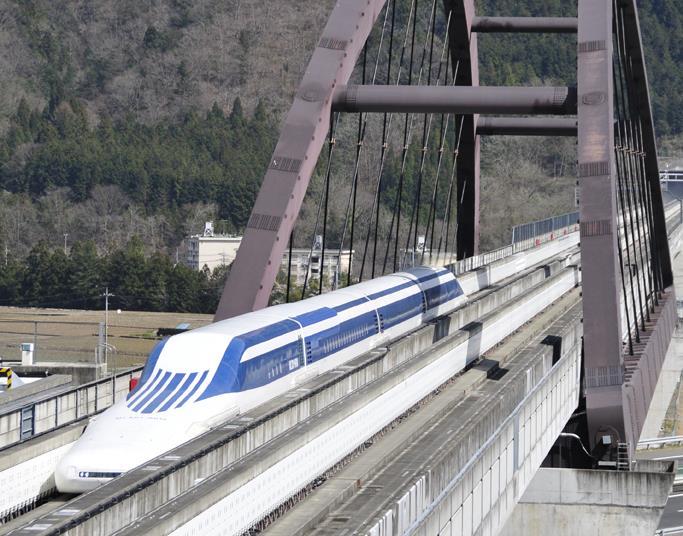
The SCMaglev system uses magnetic forces for levitation, propulsion, and guiding the train. The train floats approximately 10 cm above the track, eliminating physical friction between wheels and rails. This is achieved through the interaction between superconducting magnets on the train and coils on the track.
The key to the technology is superconductivity. A niobium-titanium alloy, cooled to -269°C with liquid helium, exhibits nearly zero electrical resistance. This allows for the creation of extremely powerful and stable magnetic fields. The advantages over conventional high-speed trains include much higher speeds, less wear and maintenance, and a smoother and quieter ride.
Current Status of the Chuo Shinkansen: Schedule, Construction Progress, and Financial Scenario
The construction of the Chuo Shinkansen officially began in 2014. The Tokyo-Nagoya segment was originally scheduled to open in 2027. However, the project is facing significant delays. The opening is now projected for 2034 or later. The extension to Osaka, previously anticipated for 2037, may also be affected.
The delays are primarily due to a dispute with the Shizuoka Prefecture over the impact on the water resources of the Oi River. Complex construction challenges, such as extensive tunneling (86% of the Tokyo-Nagoya route is underground) and work at urban stations, also contribute. The project’s costs have risen from an initial estimate of 5.1 trillion yen to over 9 trillion yen (approximately 82 billion dollars). JR Central plans to cover the costs with cash flow and loans, including a government loan of 3 trillion yen.
Technological Leadership and the Ambition to Export SCMaglev
Globally, there are few Maglev lines in operation (China, South Korea, and the low-speed Linimo in Japan). The Shanghai Maglev is the fastest commercial system (431 km/h), but the Japanese Series L0 holds the speed record in tests (603 km/h).
Maglev systems offer speed and maintenance advantages, but they are more expensive to build and incompatible with existing railways. Japan has a strong ambition to export its SCMaglev technology, viewing the Chuo Shinkansen as a showcase of its capabilities. The project is part of a “infrastructure diplomacy” strategy, aiming to sell not only trains but Japanese expertise in safe and efficient railway systems. The success of the Chuo Shinkansen is vital to this goal of global technological leadership.










Seja o primeiro a reagir!