





 Portuguese
  English
  Spanish
  2 min of reading
  0 comments


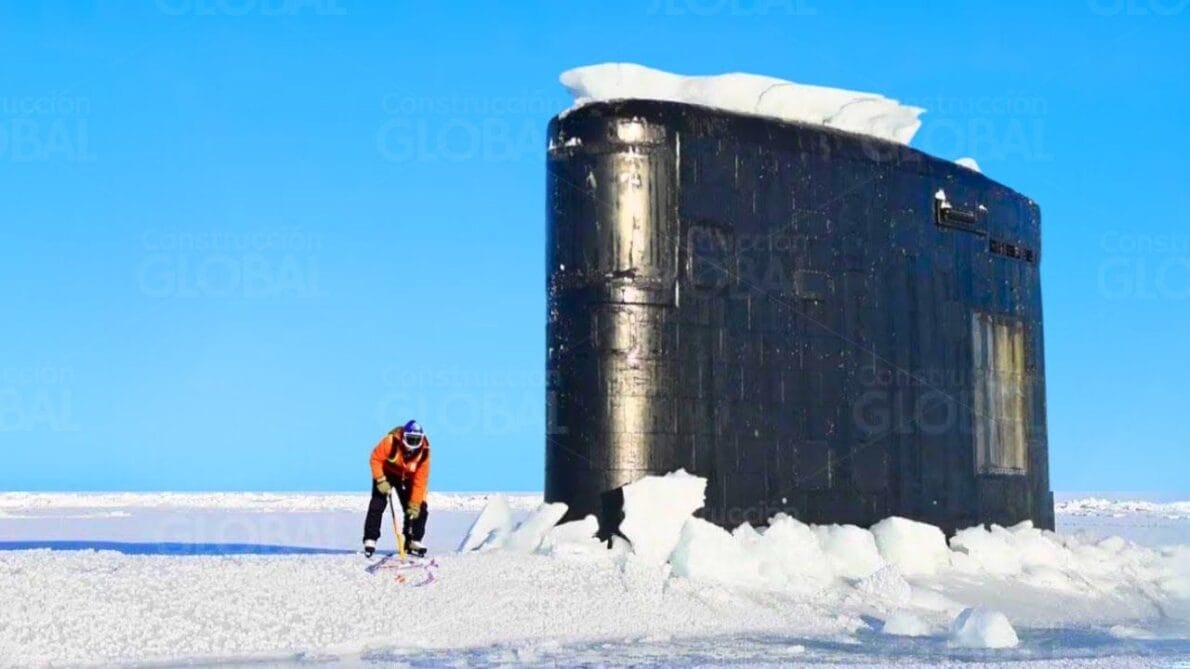
In The Freezing Extreme Of The Arctic, Where The Cold Is Unrelenting And The Ice Extends Like A Vast Frozen Ocean, The United States Navy Faced A Great Challenge: Freeing A Submarine Trapped In Arctic Ice. Let’s Understand How This Complex Mission Was Carried Out.
The operation started with an exercise called ICEX, essential for preparing the navy for hostile terrain. Specialized agents were sent to mark the exact location where the submarine would emerge. Using drills designed for extreme conditions, they precisely drilled the ice surface, choosing areas where the ice was thinner.
With great caution, they placed an acoustic beacon at the chosen site. This beacon serves as an underwater beacon, crucial for guiding the submarine through the darkness and intense cold. Every movement of the crew is meticulously supervised to ensure that the submarine can surface safely.
When Everything Was Ready, The Submarine Began Its Ascent
The crew precisely adjusted the controls and finally, the submarine emerged breaking through the thick layer of ice with a roar. This moment required great skill and knowledge of the hostile environment.
-
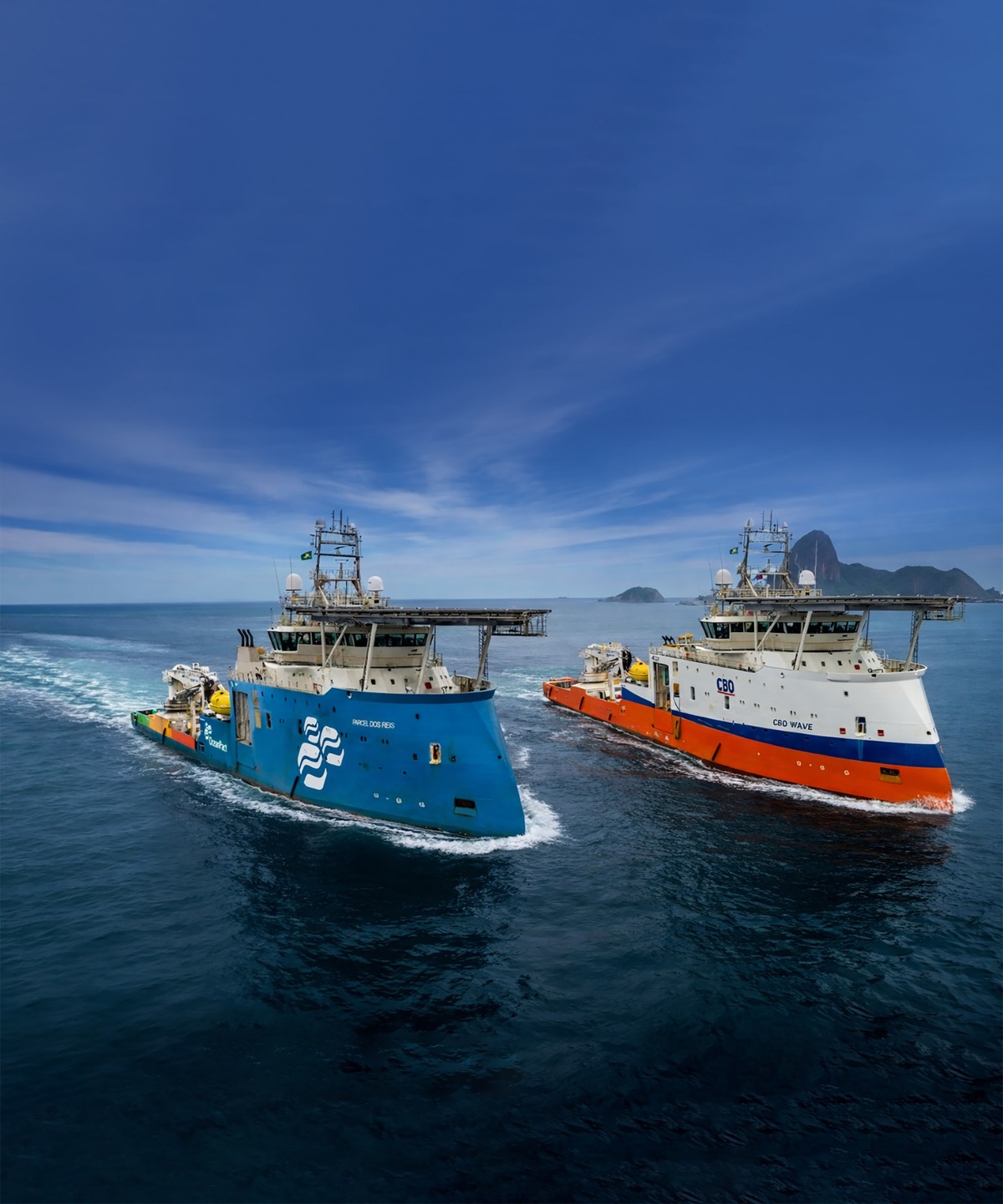
OceanPact Announces Acquisition of CBO and Creates One of Brazil’s Largest Maritime Support Structures with 73 Vessels, Annual Revenue Above R$ 4 Billion and R$ 14 Billion Backlog
-
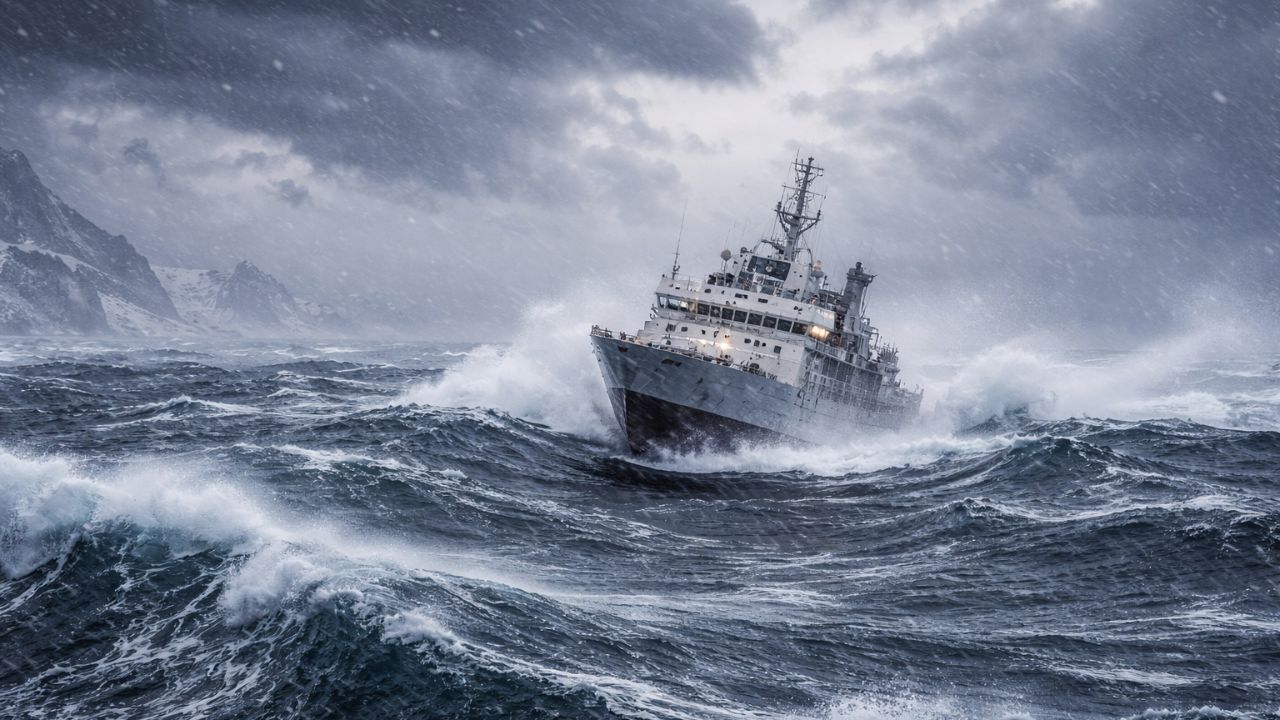
With Extreme Winds, Giant Waves, and Unrestricted Currents, Drake Passage Is Considered the Most Violent Stretch of the Oceans
-
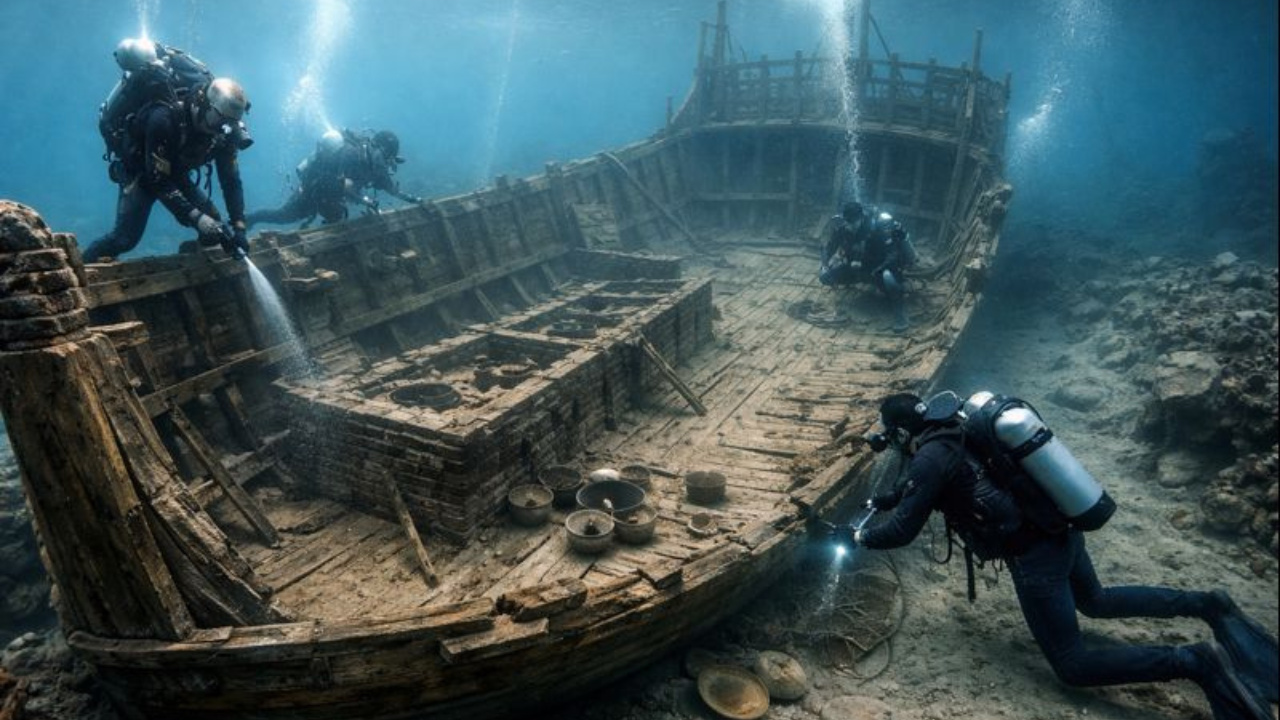
15th Century Merchant Ship Surprises Archaeologists
-
Odfjell Inaugurates First Operational Green Corridor Between Brazil and Europe Using Sustainable B24 on Maritime Routes and Reinforces Decarbonization Strategy

The sailors on board had to confront the ice directly. Using chainsaws and other tools, they worked tirelessly to free the submarine from its frozen prison. The task was not simple and required constant effort and dedication.
Besides The Efforts Of The Sailors, The United States Coast Guard Sent Their Robust Icebreakers To Assist In The Mission
These steel giants were essential to breaking a path through the frozen waters and ensuring that the submarine could navigate safely. In the sky, robust aircraft such as the Lockheed Martin C-130 Hercules played a crucial role. Designed to operate in extreme conditions, these military cargo planes provided vital support, transporting essential equipment and personnel for the mission.
Freeing a submarine trapped in arctic ice is a complex task that involves detailed planning, specialized equipment, and a lot of courage. The collaboration between the navy, the coast guard, and the air teams ensured the success of this challenging operation. This mission demonstrates the capability and resilience of the United States Armed Forces in facing and overcoming challenges in one of the most inhospitable environments on the planet.









Seja o primeiro a reagir!