





 Portuguese
  English
  Spanish
 4 min of reading
  38 comments




One of Brazil’s Largest Highways Will Be Transformed with R$ 7 Billion in Works and 221 km of Duplication, Generating Jobs, but Users Will Face Higher Tolls.
The Impact on Brazilian Highways Is About to Reach a New Dimension with the transformation of one of the country’s most important BRs.
Behind this project, there is a billion-dollar investment and the duplication of over 200 km of road.
But will this modernization come without consequences?
-
Unemployment rises again to 5.8% at the beginning of 2026, raising alarms about the end of temporary positions and its impact on the Brazilian job market.

-
Document organization can cut invisible costs in small businesses, a simple step that prevents waste, rework, and losses in daily operations.

-
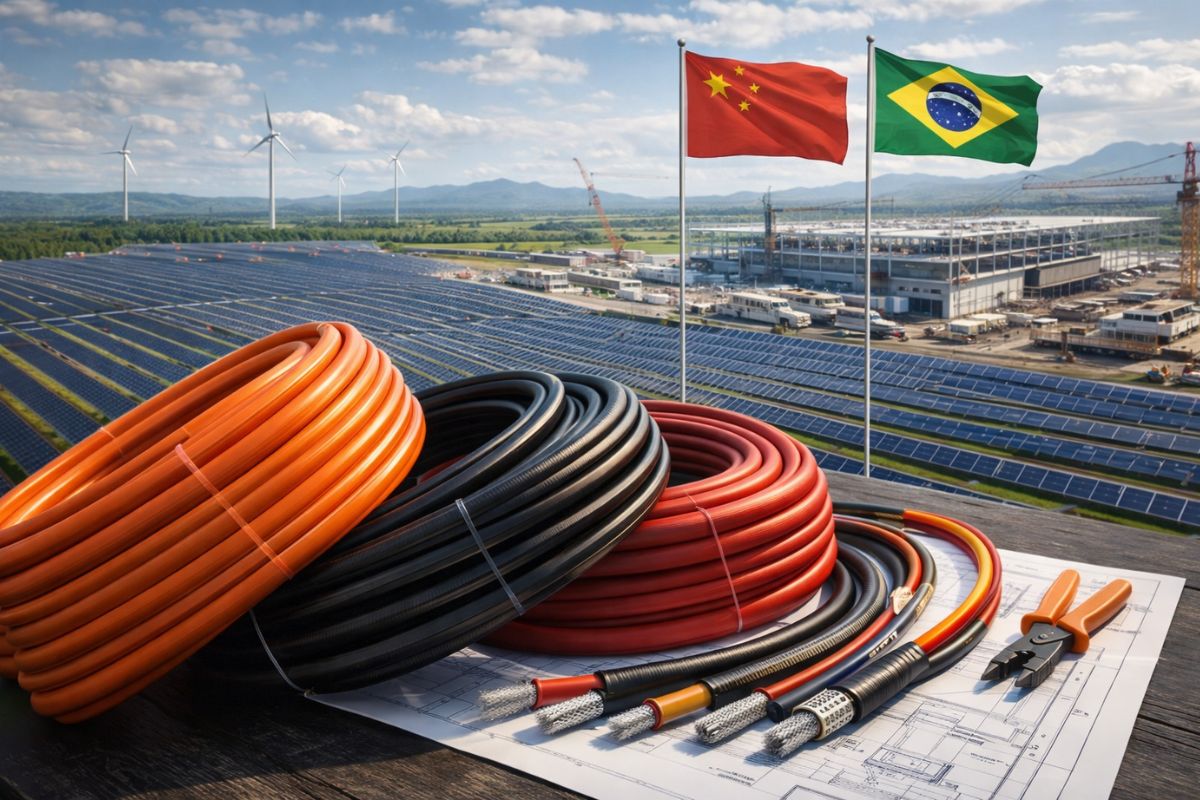
Chinese giant worth nearly R$ 4 billion that manufactures cables for electric cars, solar energy, and robotics wants to open a factory in SC.
-
Many employers do not know, but the law guarantees domestic workers a 25% increase in salary during trips, 50% for overtime, 20% for night shifts, and 17 additional benefits that can lead to labor lawsuits if not paid.


A highway that runs through the state of Espírito Santo, BR-101, will be the stage for one of the largest duplication projects ever announced in Brazil.
R$ 7.07 billion will be invested, and 221 km of the highway will be duplicated, generating direct impacts on both safety and the pockets of drivers using the road.
Billion-Dollar Investments and Extension of Concession Period
According to the approval of the Federal Court of Accounts (TCU) on Wednesday (25), the concessionaire Eco101, responsible for managing BR-101, will be able to carry out duplication works on the highway.
The project has been restructured and now provides for a 10-year extension to the current contract, which still has nine years remaining, to ensure the works are completed satisfactorily.
The concessionaire Eco101, which took over the management of the highway in 2013, began charging tolls the following year.
With the recent approval from the TCU, it will be possible to restructure the contract and add infrastructure investments along the stretch under concession.
The project provides for 221.41 km of duplication, with 96 km expected to be delivered in the first three years of construction.
Despite the progress, 155 km of duplications initially planned in the original contract have been removed.
However, 41.1 km of additional lanes have been added as a new proposal.
Works Promise to Transform Espírito Santo
With the highway, Espírito Santo will gain two important bypasses located in the cities of Ibiraçu and Fundão, totaling 15.6 km.
These works aim to ease traffic and increase safety for drivers and pedestrians.
Meanwhile, the Linhares Bypass, initially included in the contract, was removed due to the lack of environmental licensing and projects.
However, according to Minister Walton Alencar Rodrigues, who reported the process at the TCU, the project may be included in the future.
“There is public interest in its realization, and the draft addendum provides for the possibility of incorporation into the contract at a later time”, he emphasized.
With the approval of this work, the expectation is that the original contract, which provided for a duration of 25 years, will be extended to 35 years of validity, possibly reaching 40 years if the Linhares Bypass is included in the future.
Over 100,000 Jobs Created with Duplication
In addition to the transformation of the infrastructure of the BR-101, this project is expected to generate significant social impacts.
The TCU estimates that 102,464 jobs will be created during the works, with 34,026 direct and 16,046 indirect jobs.
Additionally, 52,392 jobs will arise through the income effect, meaning the indirect economic benefits generated by the project.
And What About Tolls on BR-101? Prepare Your Wallet!
The increase in tolls is a concern for many drivers.
According to the approved economic model, the toll rate for single-lane highways will start at R$ 0.071 per kilometer traveled from the sixth month of construction.
Currently, this amount is R$ 0.05525/km.
With the progress of duplication and the reclassification to dual-lane, the rate will undergo further adjustments.
Projections indicate that by 2034, the rate will reach R$ 0.1560/km for duplicated lanes, which corresponds to a cost of R$ 16.55 for every 100 km traveled on the duplicated stretch.
The financial impact will be significant for those who use BR-101 daily, especially in the long term.
A Project That Does Not Please Everyone
Despite the expected benefits for infrastructure and job creation, the BR-101 duplication project faces criticism.
Some sectors of society question the increase in toll rates and the extension of the concession contract by another 10 years, which could burden drivers and create an even greater dependency on the private sector for highway maintenance.
According to infrastructure experts, there is concern that the extended timeline and toll adjustments will harm highway users, especially truck drivers who use BR-101 for cargo transport.
The Future of BR-101 and Its Users
The duplication of 221 km on BR-101 holds great promises, but also imposes new challenges.
The investment of R$ 7.07 billion in road infrastructure could transform the local economy, create jobs, and improve safety on the roads.
However, the population will have to deal with a progressive increase in toll rates, which could represent a significant financial burden for those who rely on BR-101 for work or travel.
With the inclusion of the Linhares Bypass in a possible future phase, the project will stretch over decades, raising the question: will drivers be able to afford the costs of a road that, while modern, will become increasingly expensive to use?








Teria que ser PPP, vencendo quem cobrasse o menor pedágio, obra desse governo **** não vai terminar nunca, mais uma obra de desvio de recursos da população.
Mais uma mentira deste desgovernado **** do PT kkkkkk
O brasil é uma vergonha, todos eles são assim. Não consegue fazer nada com os valores que arrecada com IPVA e multas. Pra onde vai esses valores senhores. A indústria das multas consegue bancar todo esse valor e outros também.
Queremos o fim do IPVA, pq pagar IPVA se esses valores arrecadado seria para esses fins, agora que tem pedágio em todo Brasil então não precisa mais pagar esse tal imposto.