





 Portuguese
  English
  Spanish
  4 min of reading
  0 comments


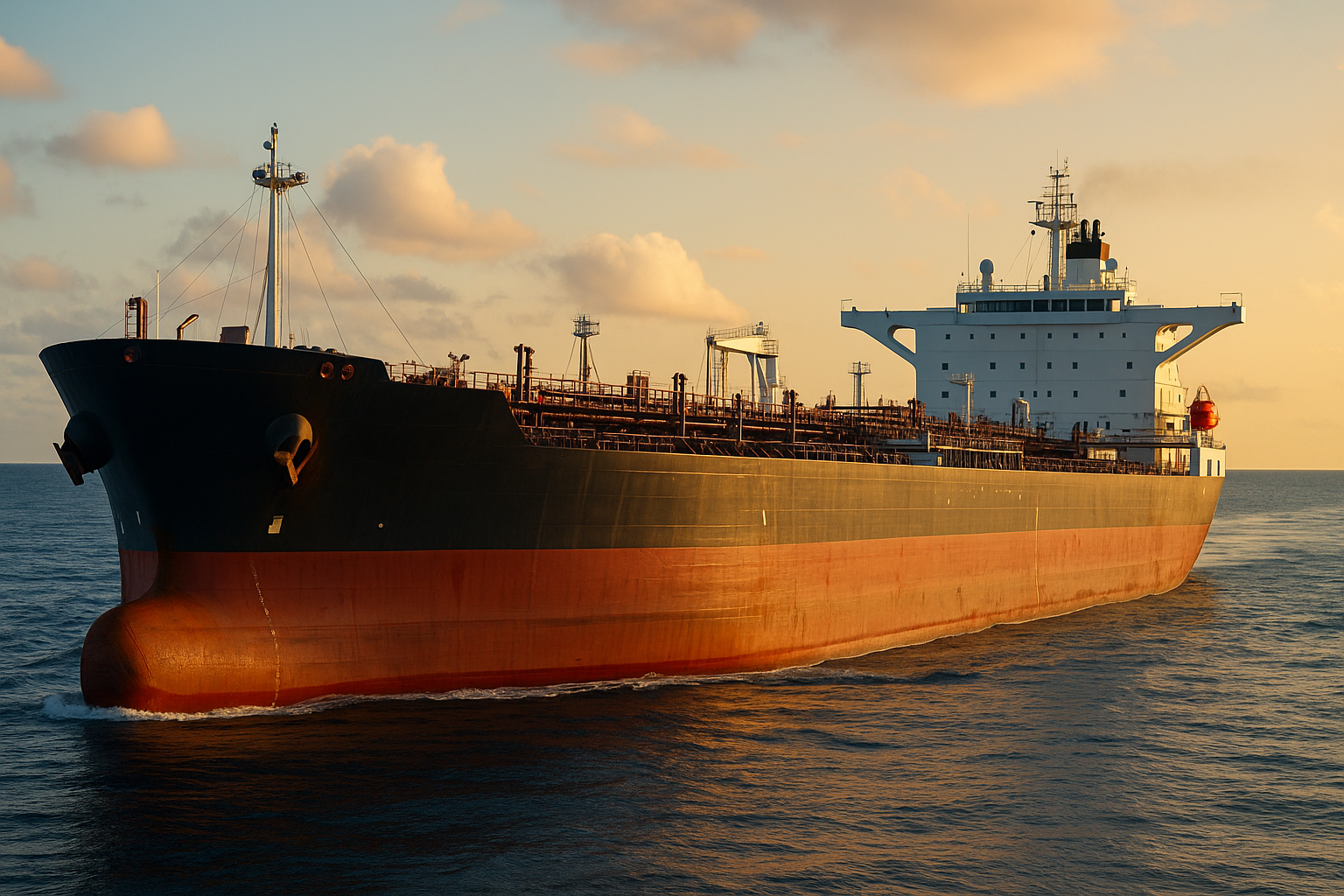
Discover How Oil Tankers Shaped the History of Oil Transportation and Remain Essential to the Global Economy.
Oil tankers are fundamental vessels for the operation of the global economy.
They transport crude oil and its derivatives between continents, ensuring the supply of fuels and raw materials for industries, power plants, and transportation.
Since the emergence of the oil industry in the 19th century, the challenge has always been the safe and efficient transportation of this highly flammable substance.
-
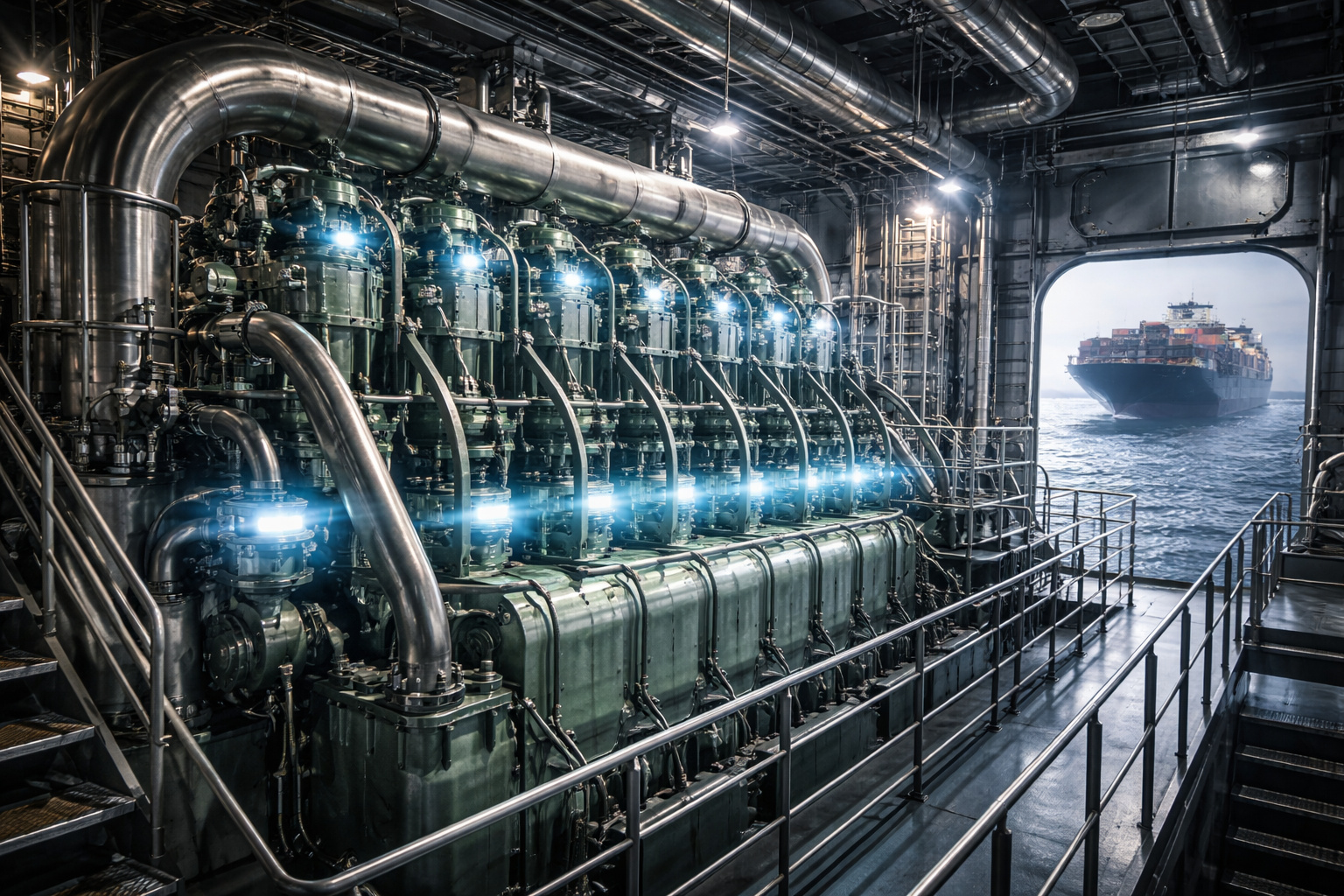
Europe is trying to create an ammonia-powered marine engine without auxiliary fuel, which could unlock the race for giant emission-free ships. The technology aims to eliminate one of the biggest obstacles to clean maritime propulsion.
-
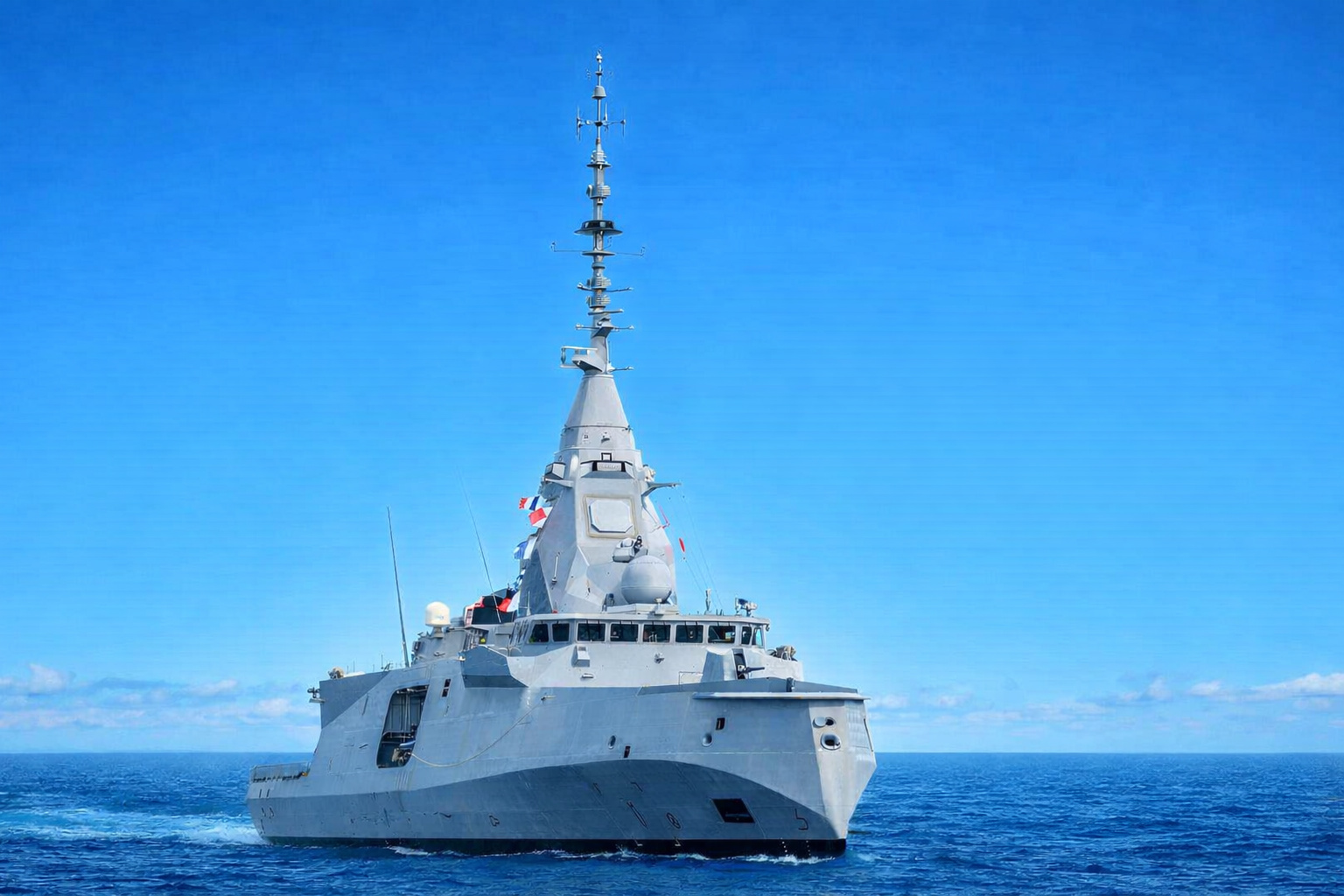
A 4,500-ton frigate with just over 100 crew members, state-of-the-art radar, and cruise missiles is being touted as the new standard of naval warfare in the 21st century.
-
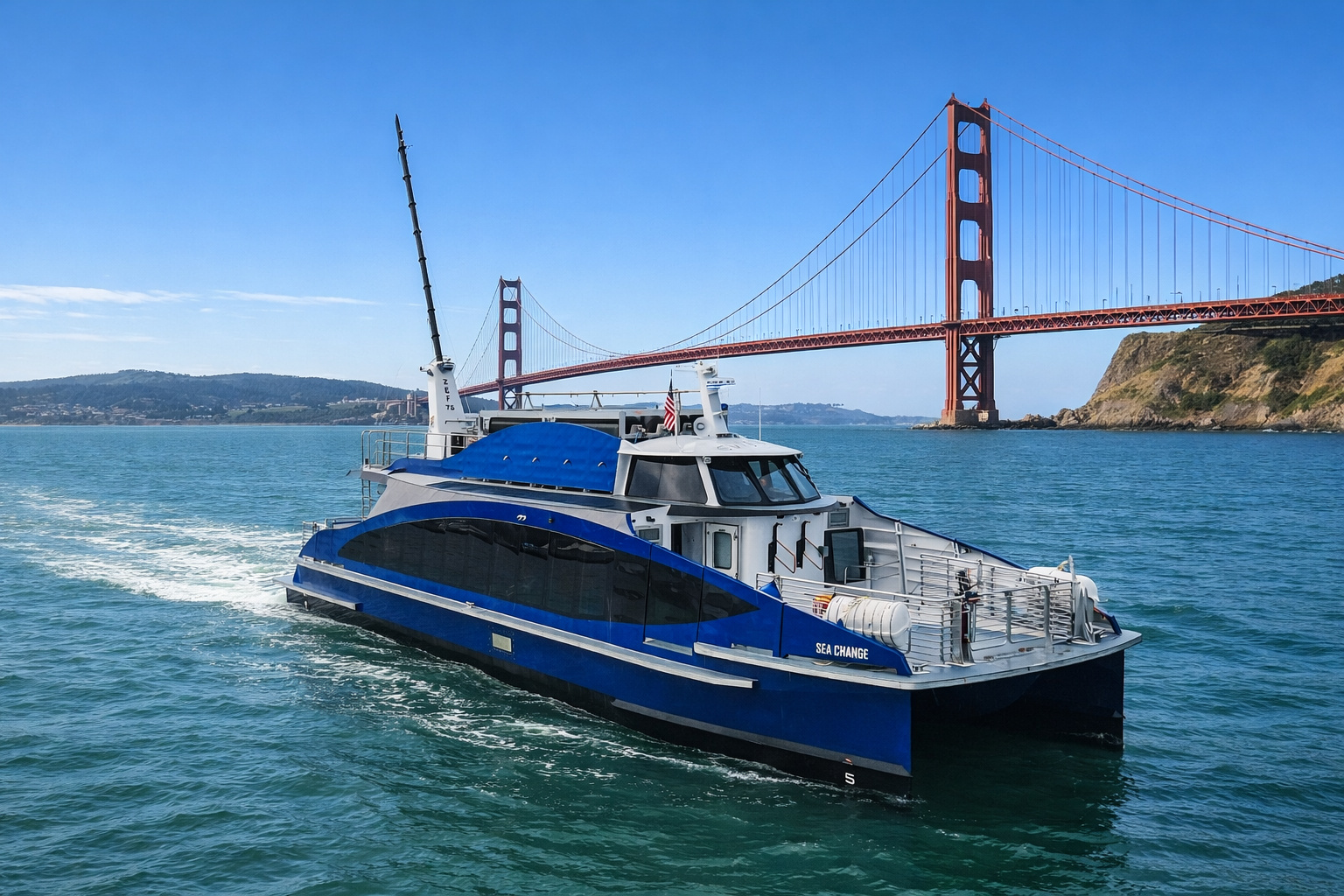
The first commercial hydrogen-powered ferry enters operation in the U.S., eliminates the use of diesel, uses fuel cells to generate clean energy on board, and transforms San Francisco Bay into a landmark of the new era of emission-free navigation.
-
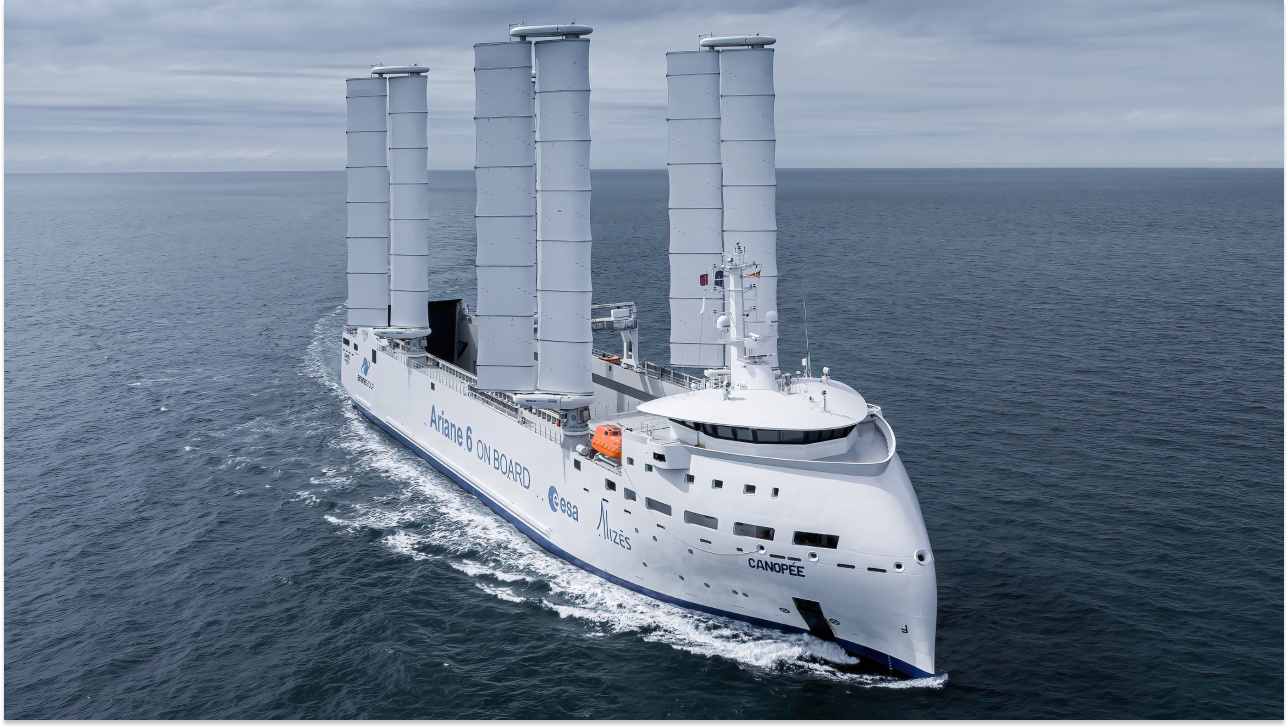
With a length of 121 meters and four rigid sails of 36 meters that automatically rotate to capture the wind, Canopée is the world’s first hybrid industrial cargo ship powered by wind, used to transport rockets and reduce fuel consumption by up to 30% on transoceanic routes.

Initially, oil was carried in barrels and stored in the holds of common ships. However, this rudimentary method resulted in many accidents and was not cost-effective.
The historical turning point occurred in 1886, in Germany, when the Glückauf was launched, considered the first modern oil tanker, with tanks integrated into the hull.
According to the International Maritime Organization (IMO), this innovation revolutionized maritime transport and marked the beginning of the era of liquid cargo ships.
The Growth of Demand and the Strategic Role During Wars
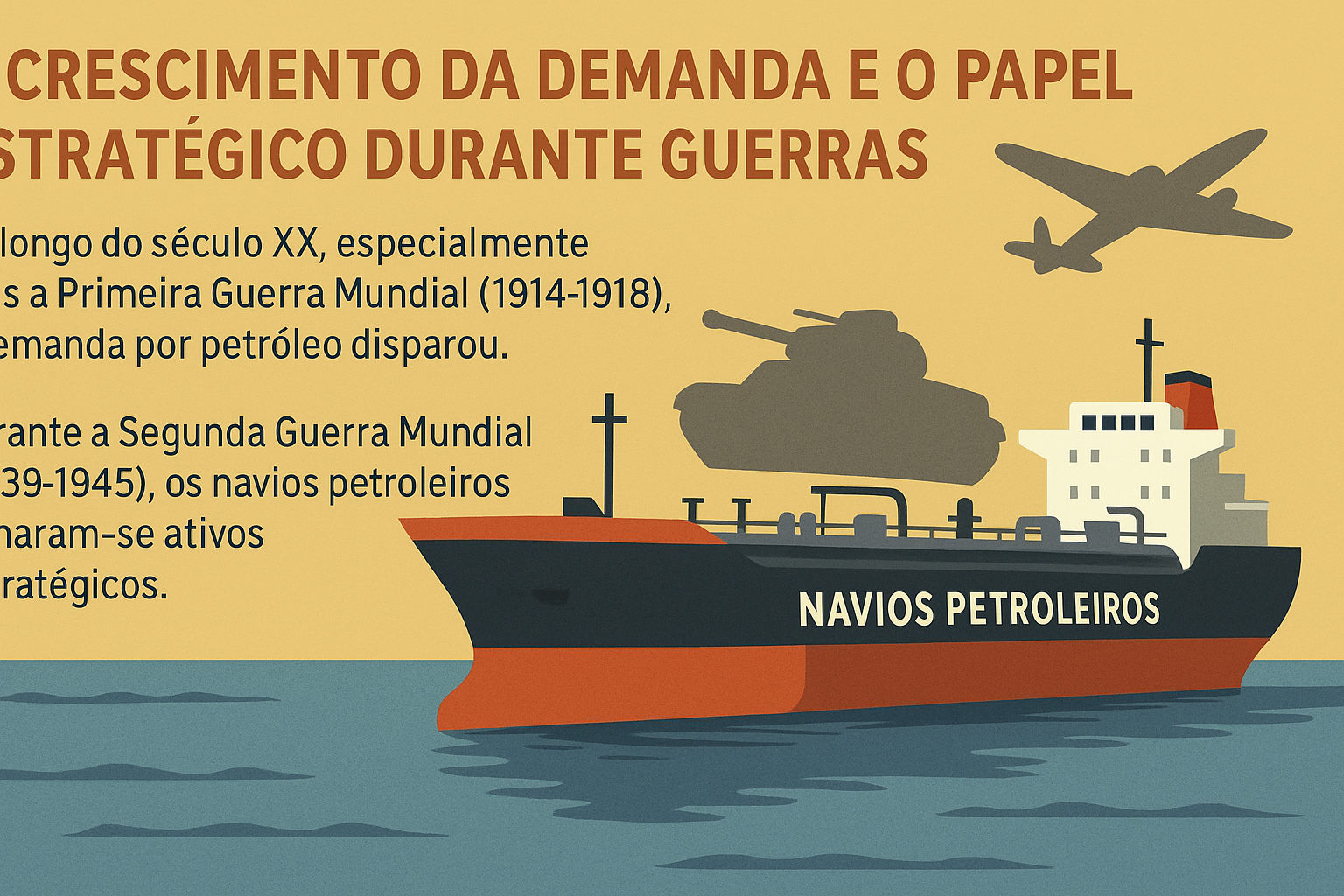
Throughout the 20th century, especially after the First World War (1914–1918), the demand for oil skyrocketed.
The invention of the internal combustion engine and the growth of motor vehicle fleets drove the sector forward.
According to the U.S. Energy Information Administration (EIA), the 1920s saw significant global growth in oil production and consumption.
During the Second World War (1939–1945), oil tankers became strategic assets. Armed forces relied heavily on fuel for tanks, planes, and ships.
Many tankers were targeted by enemy submarines. This forced the Allies to develop escort techniques and alternative routes to protect these vessels.
From the 1950s onwards, with the intensification of industrialization and urbanization, oil consumption multiplied. The construction of supertankers became inevitable.
The International Energy Agency (IEA) reports that during this time, VLCCs (Very Large Crude Carriers) and ULCCs (Ultra Large Crude Carriers) emerged, capable of carrying up to 3 million barrels of oil per trip.
The Evolution of Design and Environmental Concerns
With the growth in vessel sizes, new operational and environmental challenges also arose.
In 1967, the sinking of the oil tanker Torrey Canyon, which spilled over 100,000 tons of oil on the coast of the United Kingdom, raised global concern.
These tragic events prompted international authorities to tighten regulations. After the disaster of the Exxon Valdez in 1989, in Alaska, the IMO established new guidelines.
Beginning in 2010, all new oil tankers were required to have a double hull, a technology that drastically reduces leakage risks.
Moreover, modern ships are equipped with computerized cargo monitoring systems, temperature and pressure sensors, and satellite navigation.
The National Agency of Petroleum (ANP) emphasizes that these measures raise safety standards and reduce environmental damage.
Classifications and Types of Oil Tankers
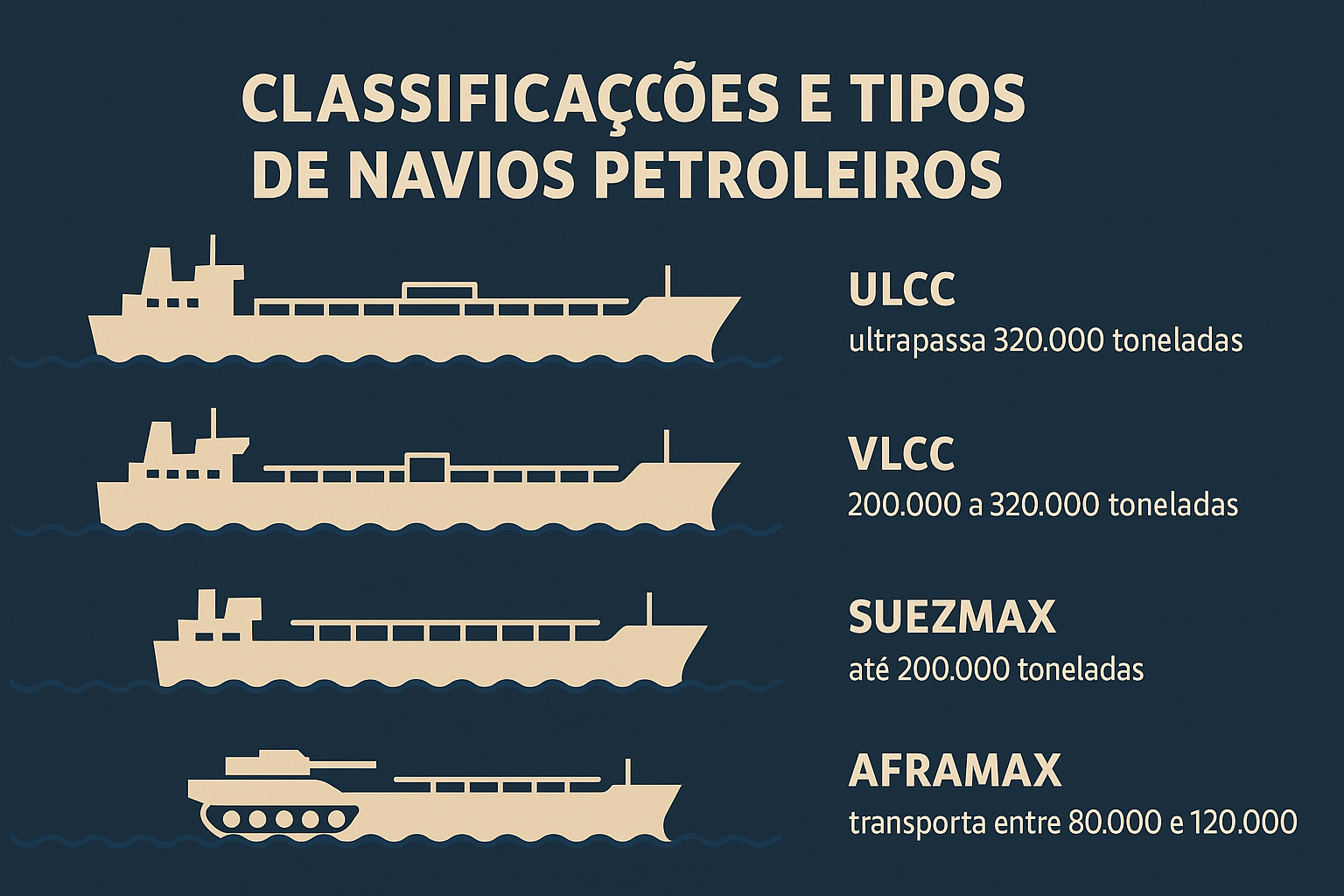
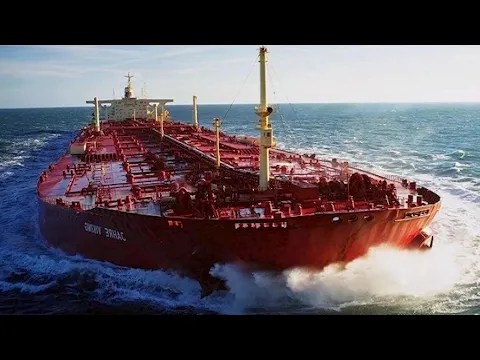
There are different types of oil tankers, primarily classified by the type of cargo and capacity.
Refined product tankers transport gasoline, kerosene, diesel, and other derivatives, while crude oil tankers move large volumes directly from wells to refining terminals.
According to the MarineTraffic website, the main types are: Aframax: carries between 80,000 and 120,000 tons, ideal for medium-range routes. Suezmax: up to 200,000 tons, named for its capacity to transit through the Suez Canal.
VLCC: capacity between 200,000 and 320,000 tons. ULCC: the largest in the world, exceeding 320,000 tons.
Thus, some of these vessels cannot dock at conventional ports and use floating platforms to unload their cargo.
Crew, Operation, and Main Routes
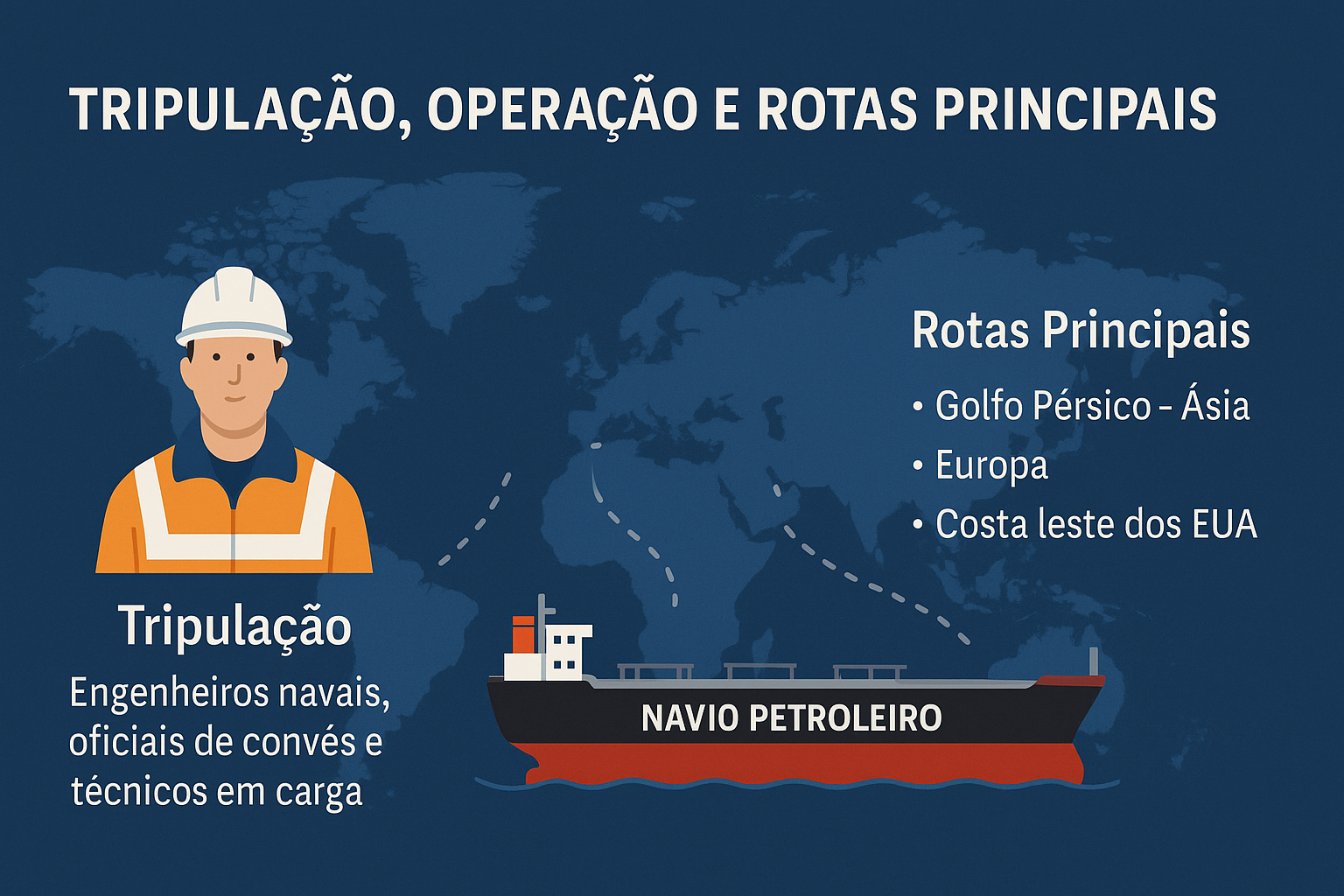
The operation of an oil tanker requires a specialized crew, consisting of naval engineers, deck officers, cargo technicians, and a captain.
According to the IMO, all must be trained in emergency procedures, fire fighting, and leak control.
The most important commercial routes link the Persian Gulf, where the main producers are concentrated, to Asia (especially China, Japan, and Korea), Europe, and the east coast of the United States.
According to the 2024 IEA report, about 60% of the world’s oil is still transported by sea.
This shows that despite advances in renewable energy, oil tankers remain indispensable to the global economy.
Sustainability and the Future of Oil Transportation
Thus, with growing international pressure for sustainability and emission reduction, the sector is seeking alternatives. The IMO has set ambitious targets for maritime transport to reduce its emissions by 50% by 2050.
Solutions include: Alternative fuels, such as LNG (liquefied natural gas) and methanol. Hybrid propulsion systems, combining conventional engines with solar power and batteries. Carbon capture and storage, still in the experimental phase.
The U.S. Energy Information Administration indicates that by 2040, oil will still account for over 25% of the global energy matrix.
Therefore, oil tankers must continue to evolve to meet the economic and environmental demands of the 21st century.









Seja o primeiro a reagir!