





 Portuguese
  English
  Spanish
  5 min of reading
  0 comments


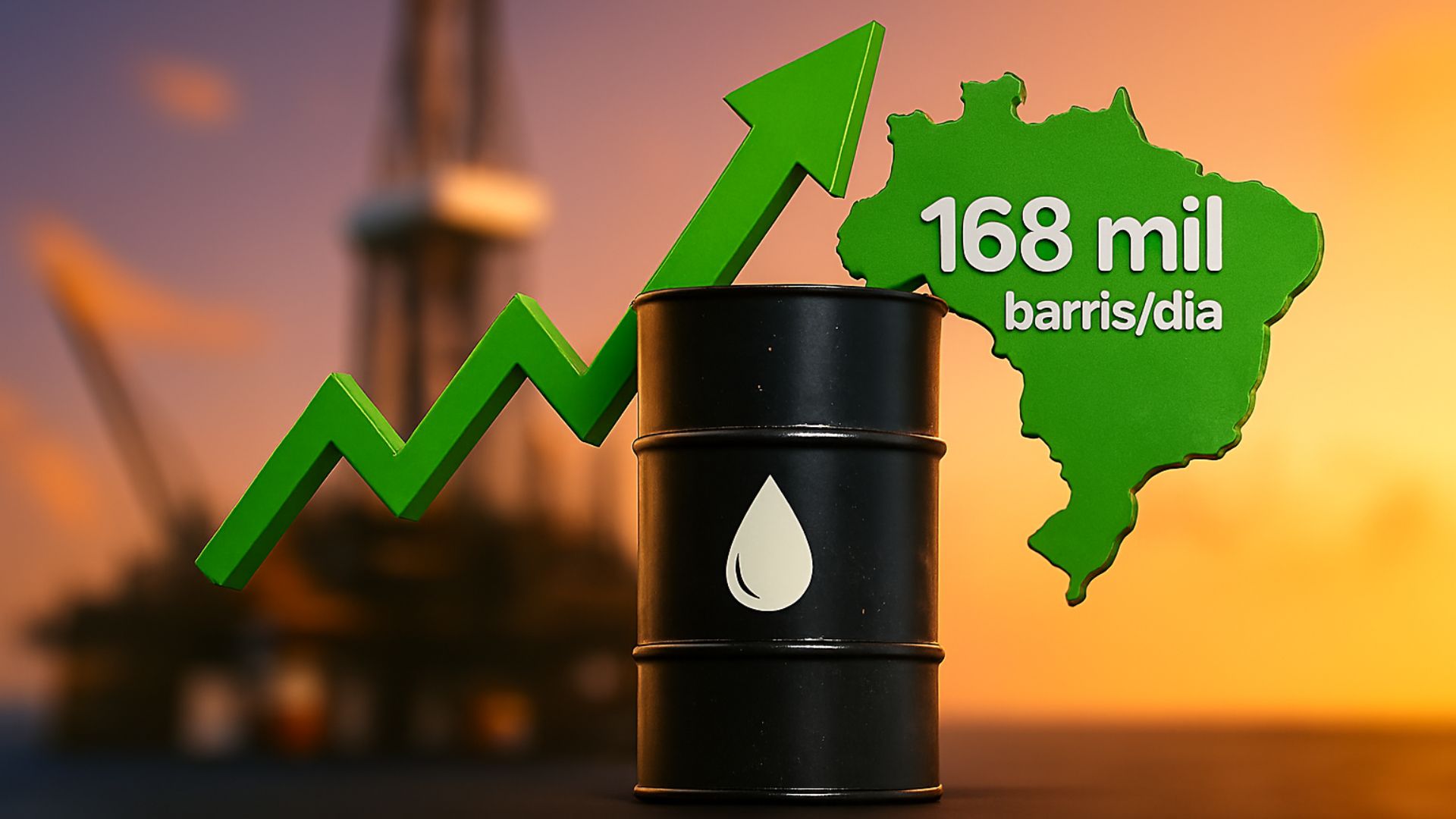
Oil Production Under Share Contracts and AIPs Boosted the Union’s Results in August, Strengthening the Oil and Gas Sector and Expanding National Revenue
In August 2025, the Union achieved an average production of 168 thousand barrels of oil per day (bpd), adding the volumes from share contracts and AIPs (Production Individualization Agreements).
The data was released by Pré-Sal Petróleo S.A. (PPSA) this Wednesday (15), in its Monthly Production Bulletin, consolidating the Union as the fourth largest oil producer in Brazil, behind only Petrobras, Shell, and TotalEnergies.
Union Oil Production: Impressive Numbers in August
This performance represents a significant milestone for the oil and gas sector, with direct implications for federal revenue and the country’s strategic position in the international energy market. The production recorded in August reflects the advancement of pre-salt projects and the efficiency in contract management.
-
Brazilian giant expands borders in the Southeast: Petrobras confirms new oil discovery in ultra-deep waters in the pre-salt of the Campos Basin.

-
Alert in the global energy market: Severe tropical cyclone hits the coast and disrupts gas production at major plants in Australia, threatening global supply.
-
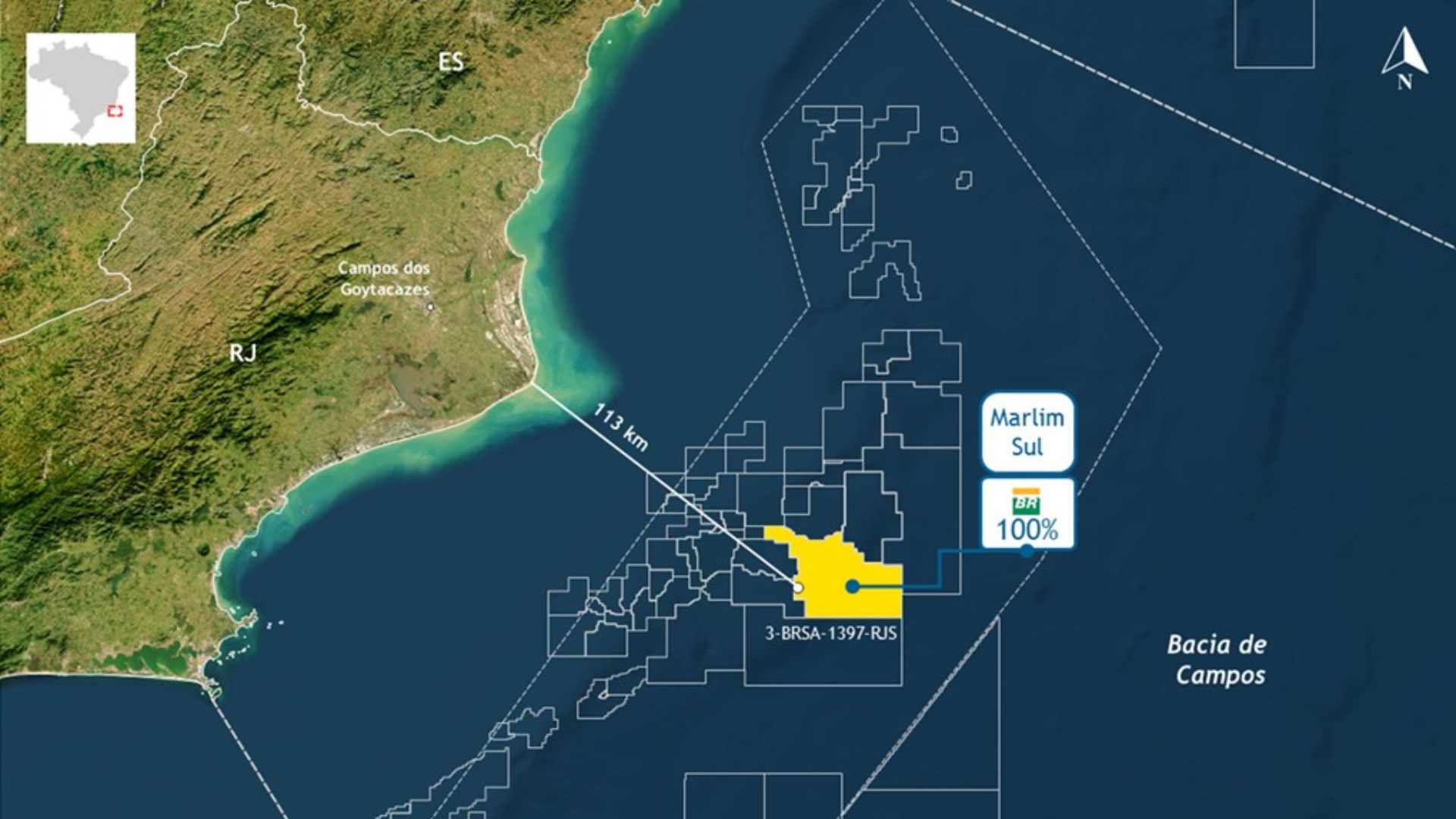
Petrobras finds high-quality oil in the pre-salt at 113 km from RJ and reignites expectations about strategic reserves in the Campos Basin.

-
Ocyan opens registrations for startups focused on innovation in the oil and gas sector and will select projects for Innovation Day with the support of Nexio.


In share contracts, the Union obtained 150.78 thousand bpd, with a highlight to the Mero field, responsible for 97.41 thousand bpd — over 65% of the total. In AIPs, the volume totaled 16.73 thousand bpd, evidencing the growth of federal participation in non-contracted areas.
This result is attributed to the return of platforms such as the P-74, which underwent scheduled maintenance, and the consistent performance of the Búzios and Atapu fields. The Union’s oil production has proven to be increasingly relevant, consolidating its presence among the main players in the sector.
Share Contracts and AIPs: Pillars of Federal Revenue
The share contracts and AIPs are fundamental instruments to ensure that the Union receives a fair share of oil production in strategic areas. Unlike the concession model, the sharing regime allows the State to be a co-owner of the extracted oil, increasing its direct participation in revenue.
In the Production Individualization Agreements, the Union secures its share in fields that extend over contracted and non-contracted areas, avoiding losses and promoting fairness in resource distribution. This model can strengthen energy sovereignty and increase resources available for public policies, such as health, education, and infrastructure.
Impact of Union Production on the Oil and Gas Sector
The growing Union oil production has generated significant impacts on the oil and gas sector. With more barrels available, the government can sell excess oil and increase its revenue.
This amount is essential for fiscal balance, especially in a scenario of economic challenges and public investment needs. The PPSA, responsible for managing the share contracts, has played a strategic role in maximizing earnings for the Brazilian state.
Moreover, the Union’s presence as a relevant producer strengthens its influence on strategic decisions in the sector, contributing to the formulation of energy policies more aligned with national interests.
Union Among the Largest Oil Producers in Brazil
Since July 2025, the Union has held the position of the fourth largest oil producer in the country. This advancement is the result of the maturation of pre-salt projects and efficiency in contract management. The trend is for continuous growth, with new fields coming online and increased installed capacity.
The Union’s presence in the ranking of largest producers reinforces its relevance in the oil and gas sector, expanding its influence on strategic decisions and energy policy formulation. This position also strengthens Brazil’s role as a global player in the oil market.
Pré-Sal Petróleo S.A. is the state-owned company responsible for managing share contracts and representing the Union in AIPs. Its work involves everything from monitoring production to marketing the Union’s oil. In August, the PPSA highlighted the performance of the Mero field as the main contributor to the record volume.
The PPSA’s actions are decisive to ensure transparency, efficiency, and maximization of results, contributing to strengthening the national industry and the country’s economic development. The company has also invested in technology and innovation to improve the management of the Union’s assets.
Sustainability in Union Oil Production
The growth of Union oil production must be accompanied by environmental mitigation measures. The industry has invested in carbon capture technologies, emission reduction, and ecosystem preservation.
This balance is fundamental to ensure the longevity of the oil and gas sector, maintaining its competitiveness and social acceptance in a world increasingly focused on clean energy. The adoption of good environmental practices also contributes to Brazil’s positive image in the international arena.
Outlook for the Oil and Gas Sector in the Coming Months
Despite positive results, the sector faces important challenges. The volatility of international prices, environmental issues, and the energy transition require planning and innovation.
The Union, through the PPSA, has sought partnerships and technological solutions to ensure production sustainability. The expectation is that the share contracts and AIPs will continue to generate significant results, with new auctions planned and expansion of productive areas.
Federal revenue is expected to grow, driven by the appreciation of oil and the operational efficiency of the platforms. Furthermore, strengthening regulation and governance in the sector will be essential to attract investments and ensure the competitiveness of national production.


Strategic Relevance of Union Production for Brazil
The production of 168 thousand barrels per day recorded in August marks a turning point in the Union’s trajectory as a oil producer. This result reinforces the importance of the share contracts and AIPs, not only as legal instruments but as pillars of national energy policy.
The impact on the oil and gas sector is profound, with reflections on federal revenue, energy sovereignty, and Brazil’s position in the international market. The work of the PPSA and the performance of pre-salt fields demonstrate that the country is on the right path to consolidate its leadership in oil production.
With planning, innovation, and responsibility, the Union can transform its natural resources into sustainable development and prosperity for all Brazilians. The continuity of investments and the appreciation of national production will be decisive for the country’s energy future.








Seja o primeiro a reagir!