





 Portuguese
  English
  Spanish
 3 min of reading


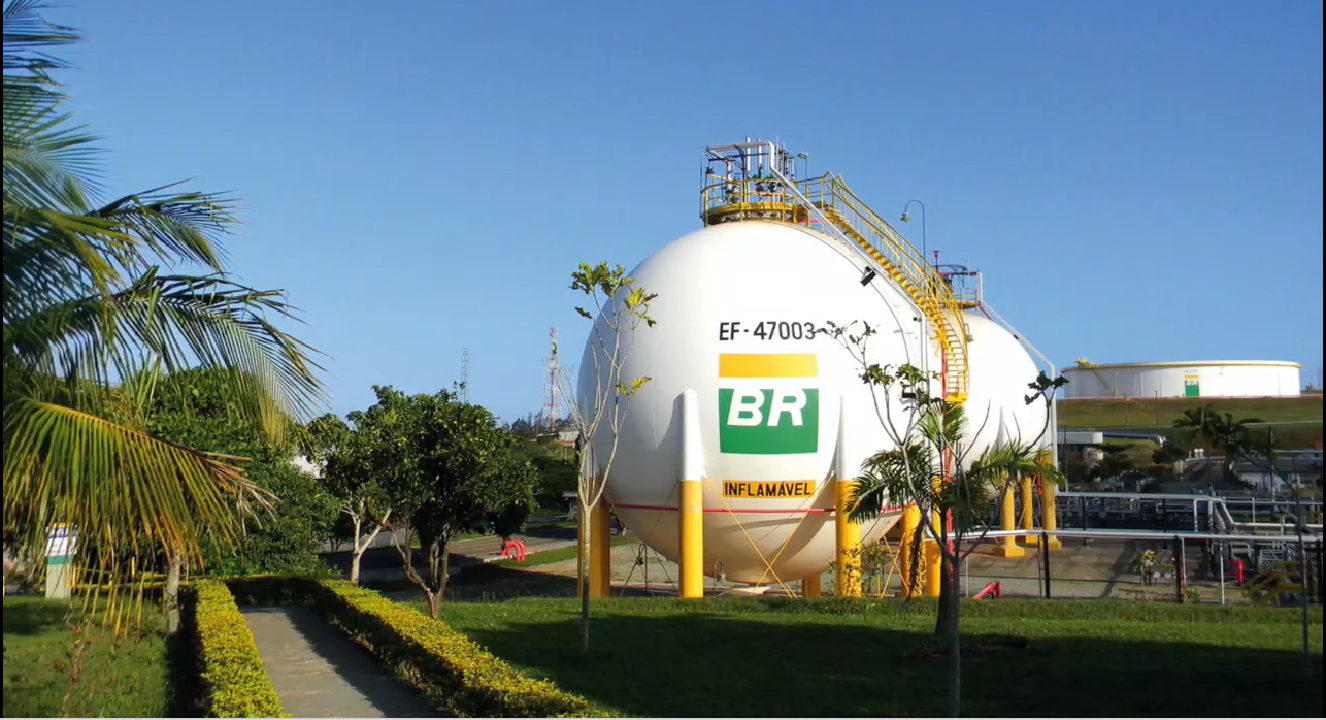
Beyond Generating Products Such as Natural Gas, LPG, and C5+, Nationwide, Cabiúnas Enables Almost 40% of Oil Production and Is Responsible for Meeting 30% of Gas Demand
Largest in Brazil, the Cabiúnas Gas Treatment Unit (UTGCAB) enables the processing of 1.102 million bbl/day (barrels of oil production – daily average), corresponding to 37% of national production in the first half of 2022.

Of all the gas processed by Petrobras in the first half of this year, UTGCAB, located in Macaé, Rio de Janeiro, holds almost 50% of that total and meets 30% of national demand (daily average production). Additionally, Cabiúnas launched the Integrated Processing System (SIP) on August 1, 2022, marking the opening of the natural gas market in Brazil.
The total gas processing capacity of UTGCAB is 24.6 million m³/day (cubic meters/day), being the Petrobras unit that processes the majority of the natural gas produced in the pre-salt currently — with daily averages of 17.48 million m³/day, corresponding to 30% of national demand.
-
Offshore industrial demand in Macaé skyrockets with the recovery of oil and gas and could grow by up to 396% by 2026 in the Campos Basin.
-
Offshore industrial demand in Macaé surges with the recovery of oil and gas and could grow by up to 396% by 2026 in the Campos Basin.
-
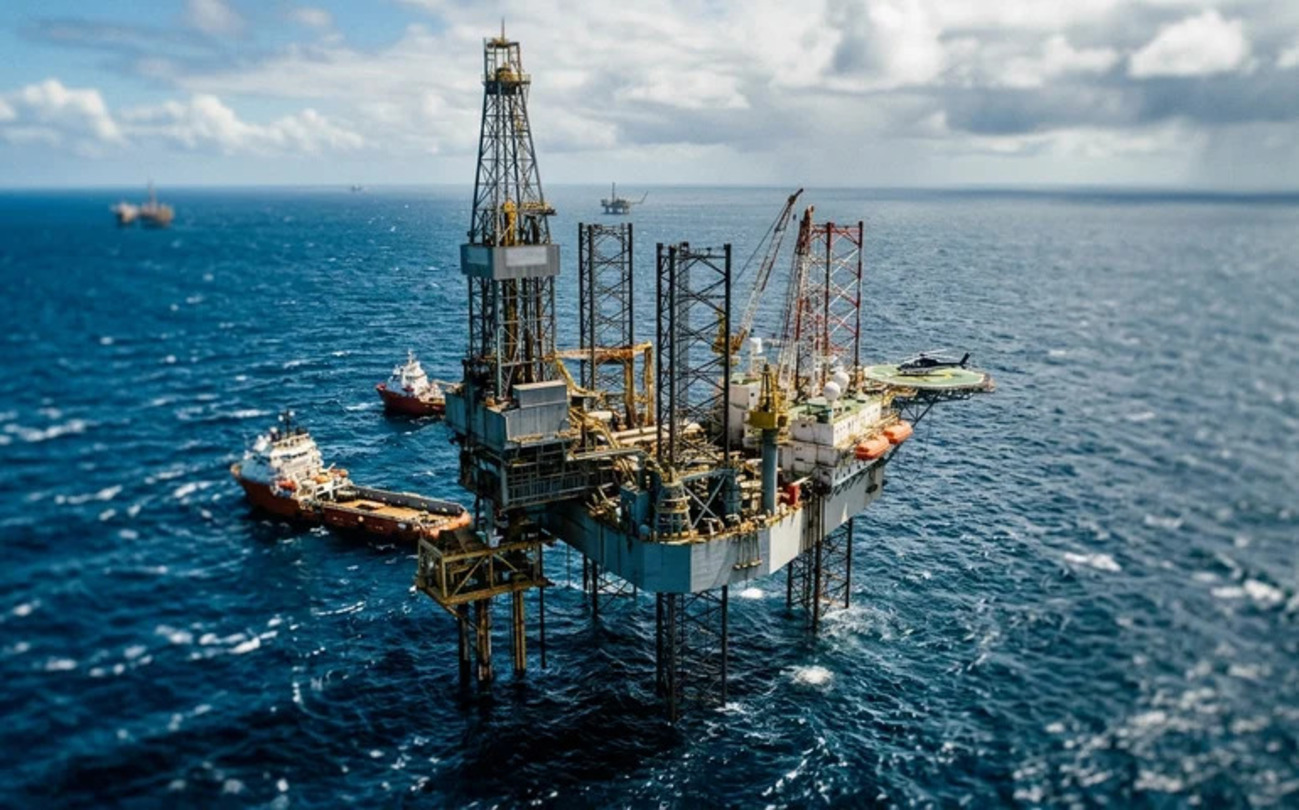
Brazilian giant expands borders in the Southeast: Petrobras confirms new oil discovery in ultra-deep waters in the pre-salt of the Campos Basin.
-
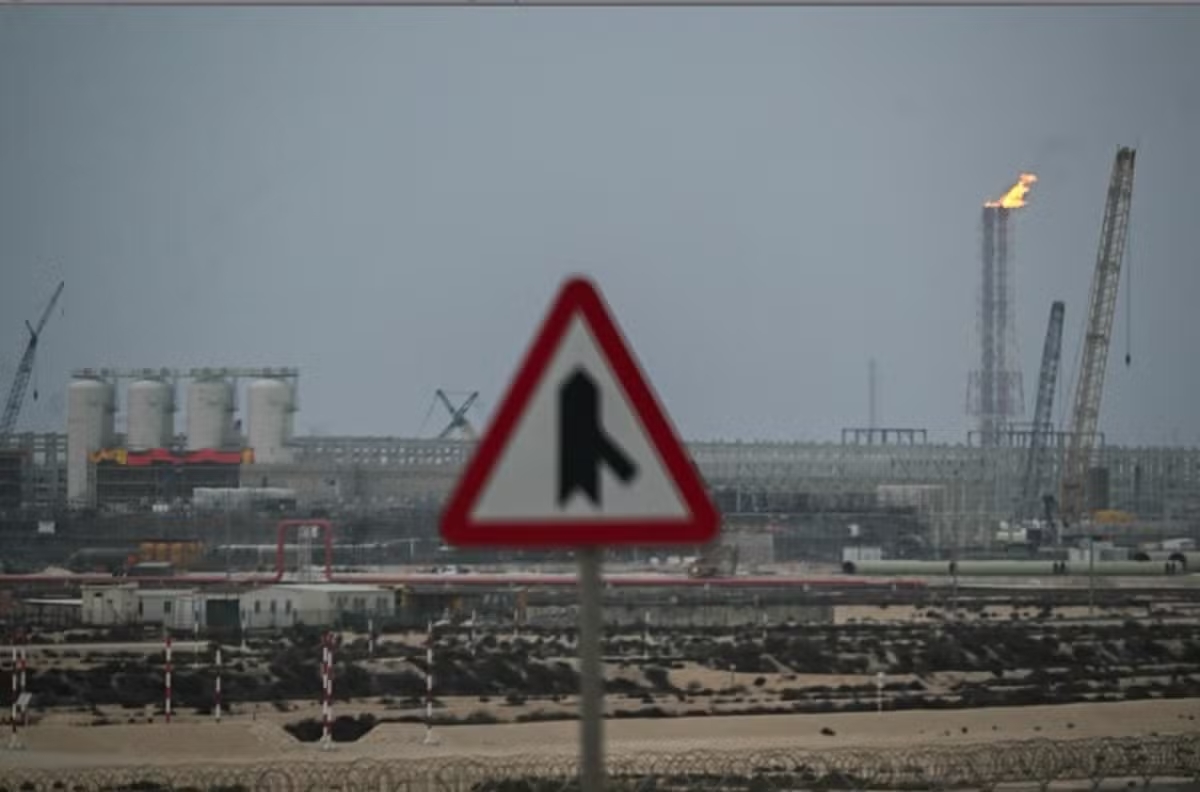
Alert in the global energy market: Severe tropical cyclone hits the coast and disrupts gas production at major plants in Australia, threatening global supply.

To give an idea of its capacity, in the first half of 2022, 740 tons/day of LPG were produced (corresponding to 57 thousand 13 kg cylinders per day of the derivative known as cooking gas).
Operations at Cabiúnas result in four products: liquefied petroleum gas (LPG), natural gas (NG), C5+ (natural gas condensate), and LGN (liquid natural gas). The so-called cooking gas, LPG — as it is usually packaged in cylinders — is one of them.
NG is used in industrial, residential, and vehicular applications, and can be used as fuel in transportation and thermoelectric plants, as well as an energy source in homes, factories, and commercial establishments. Meanwhile, C5+ (condensate) and LGN (liquid natural gas), which represent the other liquid portion after NG processing, are used as raw materials in the petrochemical industry and in the production of fuels such as gasoline and aviation kerosene.
In its Strategic Plan 2022-2026, Petrobras allocated US$ 78 million to the Revitalization Program of Cabiúnas to execute a well-defined project portfolio focused on the needs of the asset, aiming to face the lifecycle of the unit, which has just completed 40 years. The completion of this program is scheduled for 2025.
Another ongoing initiative is the start of operations of the Integrated Processing System (SIP), which enabled the processing of third-party gas, marking the opening of the natural gas market in Brazil. To this end, technical and administrative adjustments were made, involving agencies such as the National Agency of Petroleum, Natural Gas and Biofuels (ANP); National Institute of Metrology, Quality and Technology (Inmetro); and the Administrative Council for Economic Defense (Cade). There are more than US$ 10 million in investments from the company.
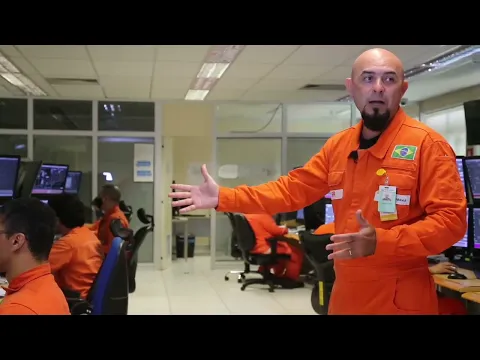
According to Alisson Cardoso, manager of UTGCAB, it is natural that the role of this unit becomes increasingly relevant for Petrobras and for Brazil. “Cabiúnas is intertwined with the very history of the oil and gas industry in the country. Over these 40 years, the unit has been present in several of the main growth cycles of this segment, enabling the realization of many projects linked to the production of the Campos and Santos Basins,” he recalls.
Source: Press / Petrobras Communication








Seja o primeiro a reagir!