





 Portuguese
  English
  Spanish
  3 min of reading
  1 comment


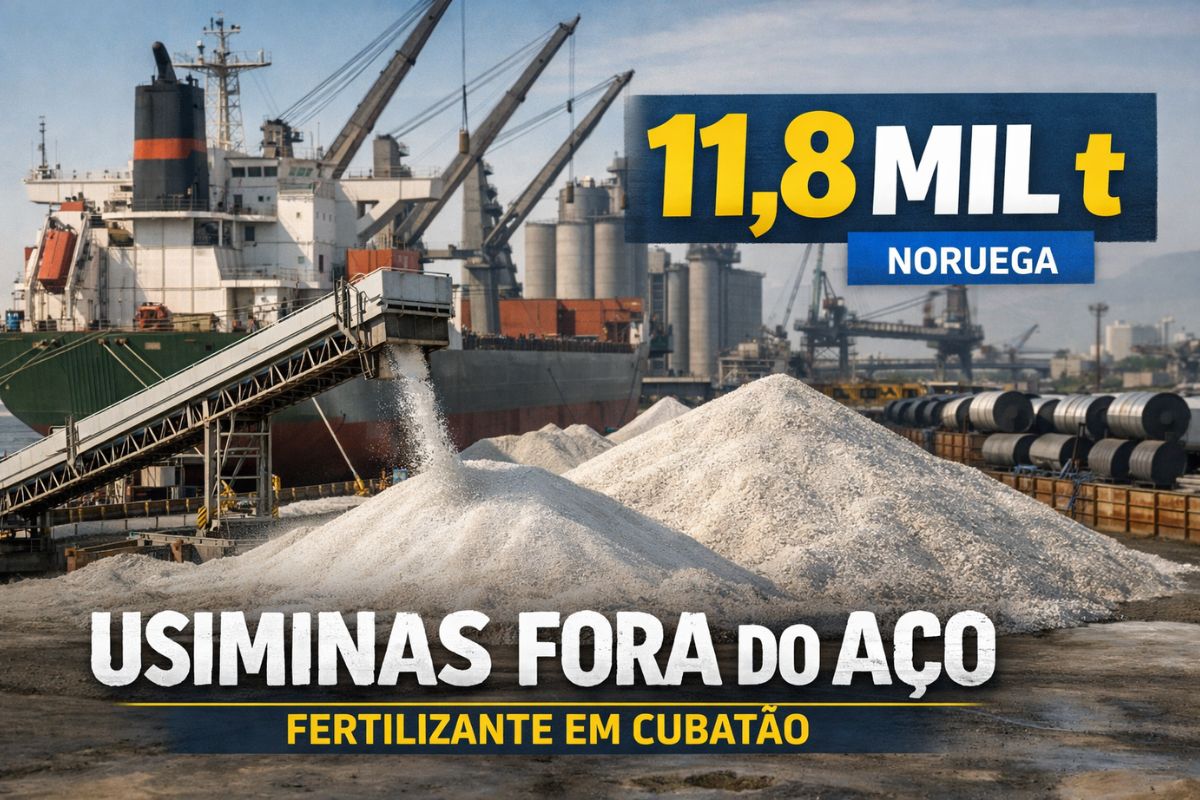


Usiminas Debuts in Fertilizer Discharging at Its Maritime Terminal in Cubatão, with Operation of 11.8 Thousand Tons for Yara, Opening Space for New Cargo Outside Steel While the Brazilian Steel Industry Suffers from Increasing Imports and Awaits Antidumping Measures from the Government to Relieve Competitive Pressure in the Country.
Usiminas carried out, at its maritime terminal in Cubatão (SP), the first fertilizer discharge in its history, in an operation completed last month and announced on December 26, 2025, handling 11.8 thousand tons of the product brought from Norway for the multinational Yara.
The terminal, integrated with the rail and road networks of the industrial region of Cubatão, traditionally discharges plates, coils, and pipes for the oil and gas sector. The new cargo of fertilizers opens space to test other products and diversify revenues amid a strong pressure from imports on the Brazilian steel industry, which awaits antidumping measures.
First Fertilizer Discharge Changes Terminal Routine
The historic operation of Usiminas in Cubatão was carried out for the multinational Yara and handled 11.8 thousand tons of fertilizers from Norway, unloaded at the company’s own maritime terminal.
-
They said no to 26 million dollars and would do it all over again: mother and daughter from Kentucky reject a million-dollar offer from a mysterious company that wants to build the largest data center in the state on more than 2,000 acres of rural land.

-
While corn requires rain and is expensive, sorghum produces almost the same volume per hectare at a cost up to 80% lower and uses less water, and it is revolutionizing dairy farming in the Triângulo Mineiro, where producers save hundreds of reais per hectare.

-
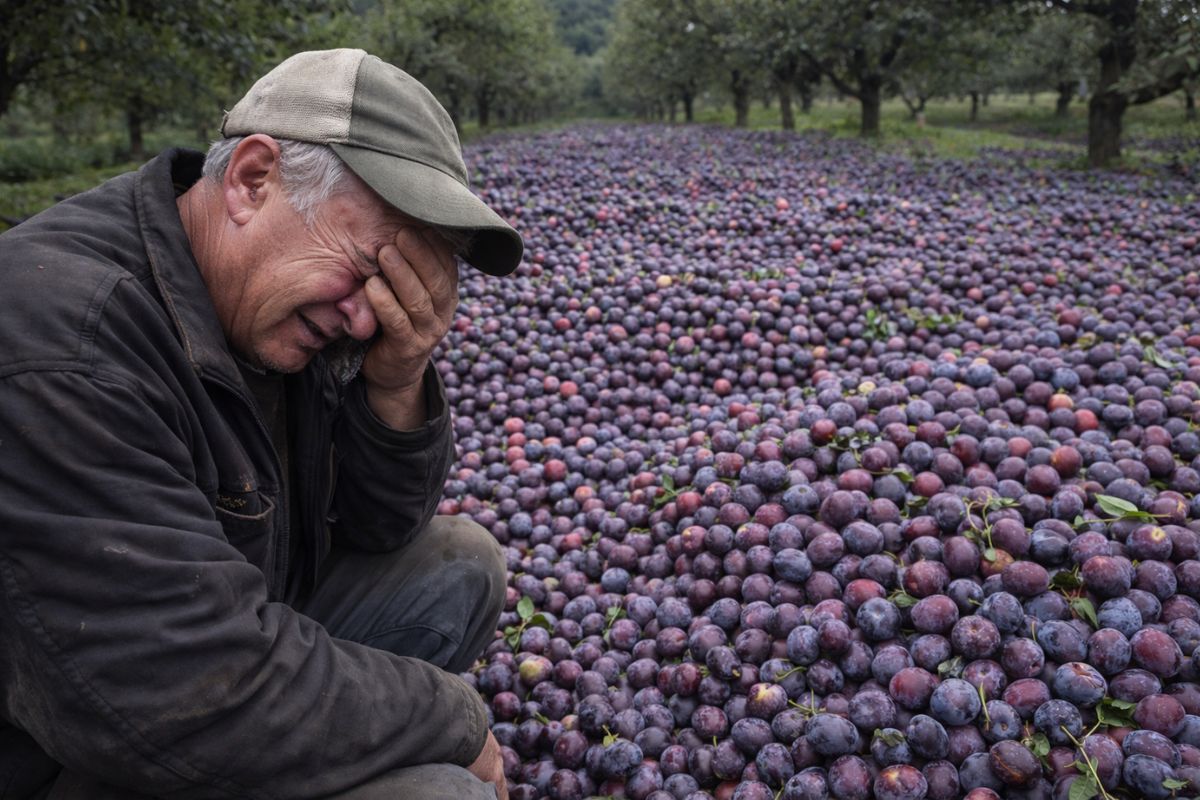
A rural producer from Urubici cries as he shows 50 tons of plums thrown on the ground because no one wanted to buy them, and in desperation, he records a video asking anyone to come to the property to pick the fruits before they rot.
-
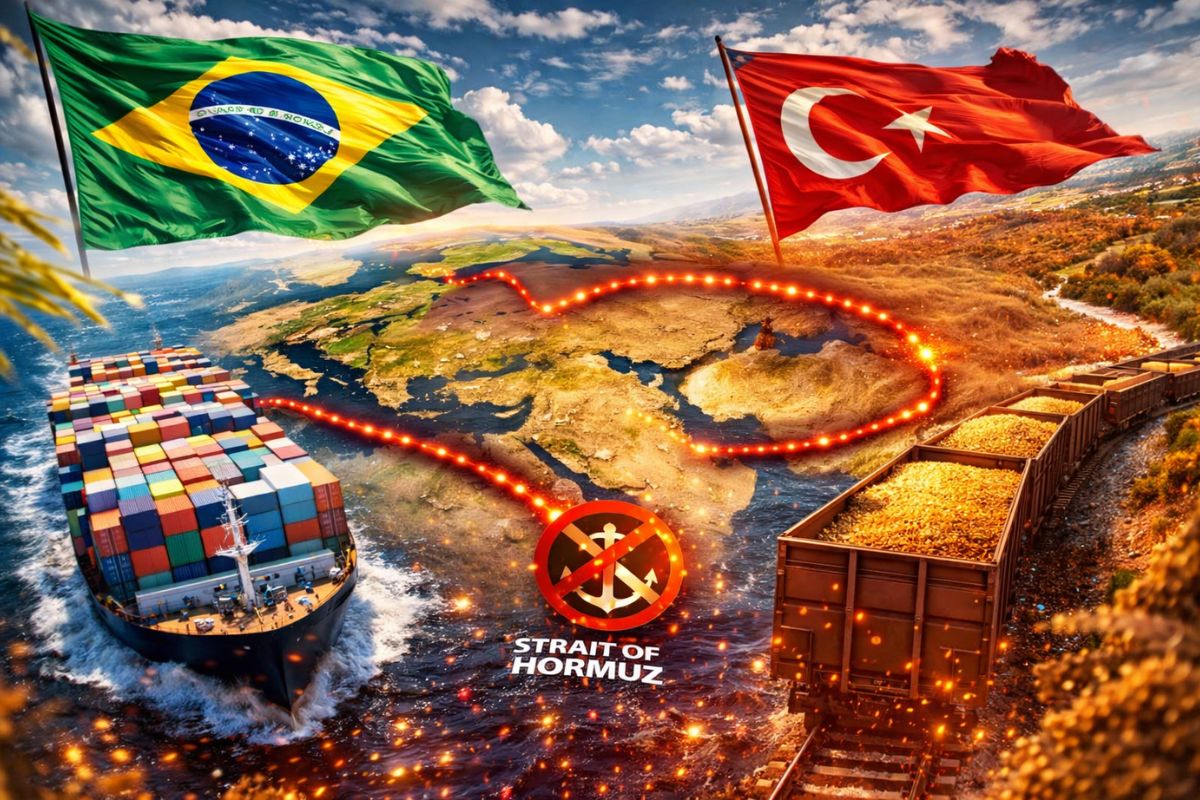
Unable to pass through Hormuz, Brazil activated a plan B that uses Turkey as a gateway to the Middle East: the route through Gibraltar and the Mediterranean is longer and more expensive but ensures that chicken, beef, and corn continue to reach Arab markets.

The cargo represents a high volume, although still lower than usual for discharges of products directly linked to the steelmaking process.
According to the company, the terminal has a strategic position in the industrial region of Cubatão (SP) and is integrated with the rail and road networks, which facilitates rapid cargo outflow to different consumer hubs.
With the handling of fertilizers, Usiminas’ port area is now being tested with a type of product that requires specific logistical planning, from storage to final transport.
Terminal in Cubatão Tests New Niche Outside Steel
So far, Usiminas’ focus at the maritime terminal was the unloading of plates, coils, and pipes primarily intended for the oil and gas sector, traditional products of the steel chain.
The debut with fertilizers opens space to evaluate new cargoes that can share the same infrastructure, expanding the use of the area and generating potential efficiency gains for the entire logistical operation.
The company sees this first discharge as an opportunity to strengthen its role as a partner to other companies located in the industrial hub of Cubatão.
By offering the terminal for other types of goods, Usiminas seeks to demonstrate that its port structure can extend beyond steel and meet various demands, in a move aligned with the need for business diversification.
Steel Industry Feels Impact of Imports
While testing this new niche, Usiminas is part of a scenario where the entire Brazilian steel industry has been suffering from the advance of imports, especially over the past year.
The increase in the entry of foreign steel products pressures prices, margins, and the utilization of the installed capacity of national mills.
In light of this situation, companies in the sector have been seeking alternatives to help reduce exclusive dependence on steel, whether by expanding logistical services or seeking new revenues in related segments.
The operation with fertilizers in Cubatão is an example of this strategy, which aims to add value to the existing infrastructure and dilute fixed costs.
Expectation for Antidumping Measures
In addition to the effort to diversify operations, Usiminas and other steelmakers are counting on the possible adoption of antidumping measures to try to rebalance the domestic market.
The expectation is that regulatory initiatives against unfair trade practices may contain some of the competitive pressure exerted by imported steel.
Even with the prospect of trade defense measures, the movement of fertilizers reveals that the company does not intend to remain idle waiting for external decisions.
And you, do you believe that Usiminas’ bet on new types of cargo, like fertilizers, is the best way to face the pressure of imports on Brazilian steel?









A Usiminas tinha que ser menos exigente a respeito do ano de caminhão o resto seria uma boa