





 Portuguese
  English
  Spanish
  4 min of reading
  1 comment


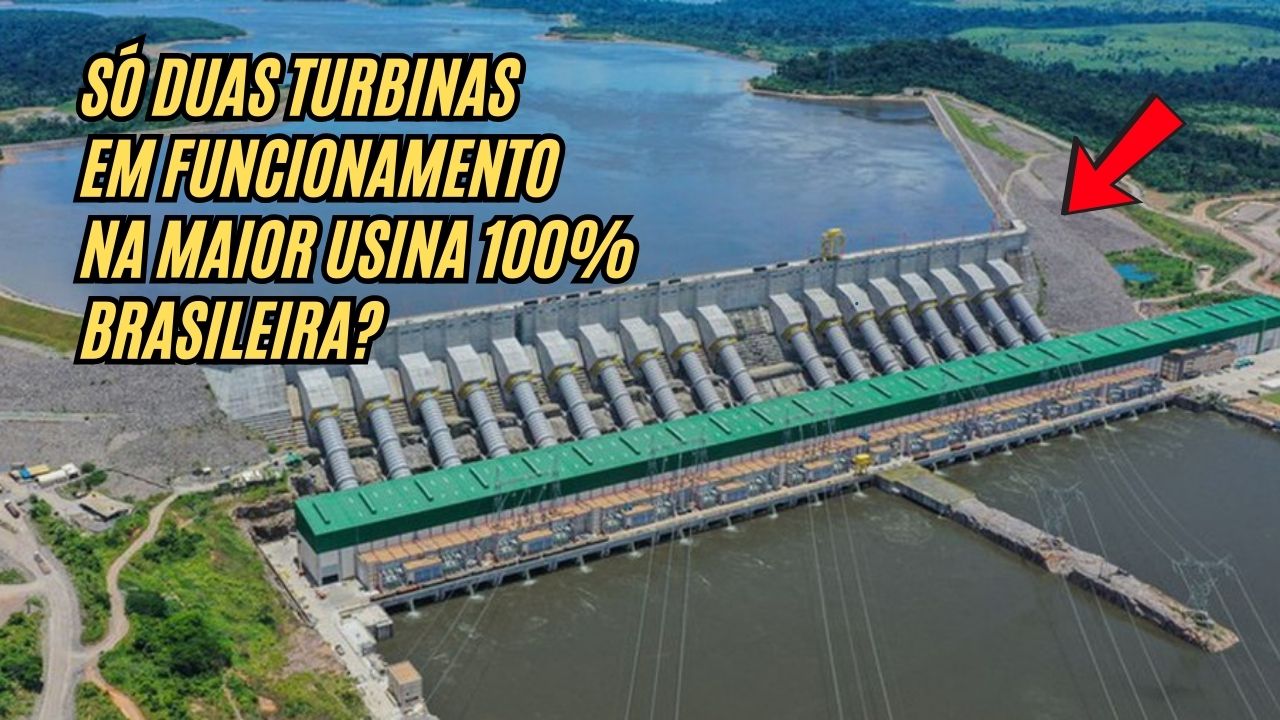

The Belo Monte Dam, the Largest 100% Brazilian Dam, Carries a Trajectory Full of Controversies, Environmental Challenges, and Social Impacts.
The Belo Monte Dam, located on the Xingu River in the state of Pará, is one of the most imposing engineering works in Brazil and the largest 100% Brazilian dam. With a generation capacity of 11,233 MW, enough to supply 60 million consumers in 17 states, Belo Monte represents a technological achievement and a milestone in energy production in the country.
However, the dam has also become synonymous with controversy, involving conflicts with local communities, environmental concerns, and questions about its efficiency.
Belo Monte is now the fourth largest hydroelectric power plant in the world, behind only projects like the Three Gorges in China and the Itaipu Dam, which is shared with Paraguay.
-
Made from recycled plastic, plastic wood is gaining space in the construction industry because it does not rot, resists moisture, and reduces maintenance costs over the years.

-
Florianópolis will receive a million-dollar BRT that will begin construction in 2026 with nearly 400 million in funding from the federal government and the Inter-American Development Bank, and the map already shows the routes for the exclusive bus corridors.

-
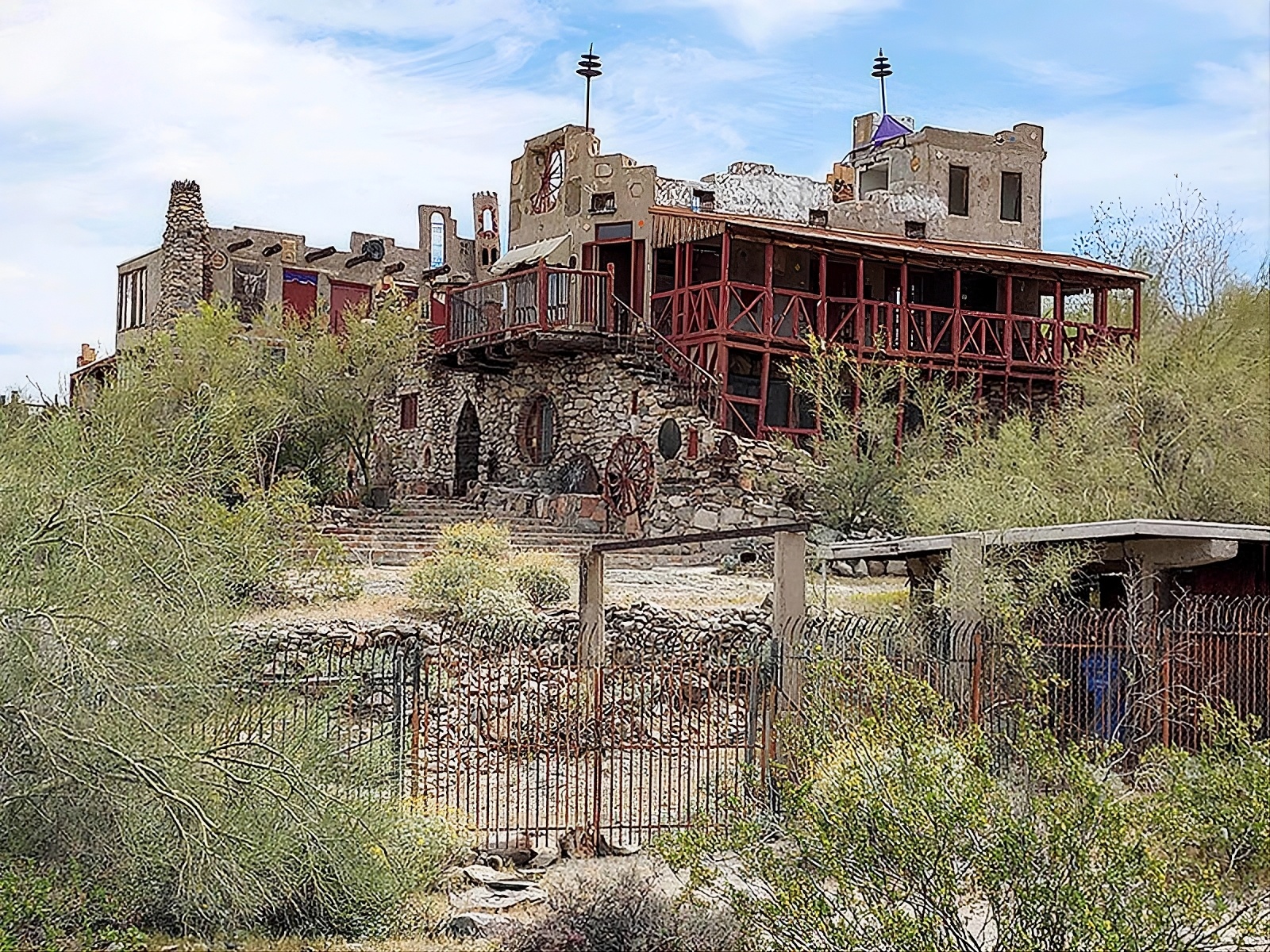
Without a blueprint, without an engineer, and using scrap from the dump, a father spends 15 years building an 18-room castle for his daughter, featuring tram tracks, 13 fireplaces, and over 700 m², which may now be demolished.
-
A megaproject worth R$ 89 billion is advancing in Iraq and promises to change the game in global trade by creating a new corridor between Asia and Europe, reducing traditional routes and repositioning the country as a logistics powerhouse.

Since its inception, the Belo Monte Dam project has sparked intense discussions, dividing opinions between the need to expand the national energy matrix and the impacts on Indigenous populations and the environment.
A Controversial Project from the Start at the Belo Monte Dam
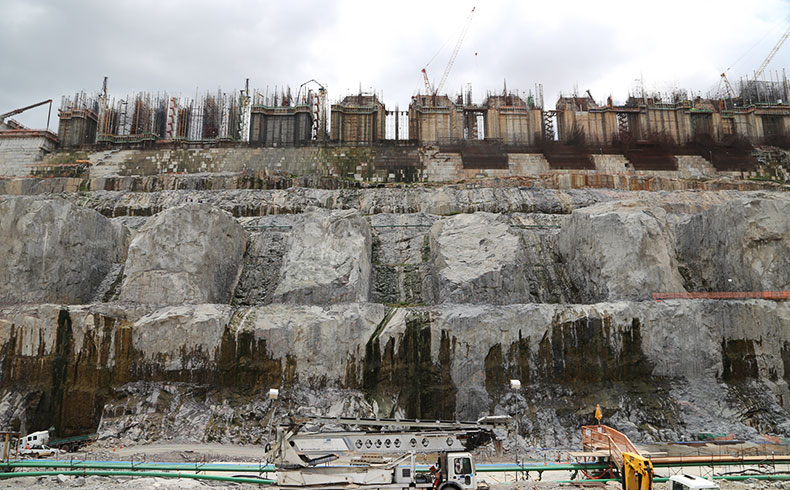
The history of the Belo Monte Dam dates back to 1975, when hydropower studies in the Xingu River basin began, highlighting the region’s energy potential.
In 1989, the project attracted national and international attention due to the strong protest by Indigenous leader Tuíra Kayapó, who marked the meeting of Indigenous peoples in Altamira by raising a machete against a representative from Eletronorte. Since then, the Belo Monte Dam has been a symbol of resistance for Indigenous communities and environmentalists.
To build the Belo Monte Dam, it was necessary to construct a reservoir of 478 km², accompanied by a diversion channel and a main spillway to control water flow.
The dam’s location in a remote region of the Amazon brought enormous logistical challenges and required the creation of access roads and camps for thousands of workers.
However, the construction resulted in drastic changes to the Xingu River ecosystem, affecting the fauna, flora, and the livelihoods of local communities.
The largest 100% Brazilian dam also faced criticism for the low efficiency of the turbines, which operate at only 20% of their capacity during dry periods.
Compensations and Social Programs
Aware of the impacts caused, the government and the companies involved invested in a broad environmental and social compensation program. Over nine years, more than 5,000 actions were carried out, including the recovery of degraded areas and the replanting of native species.
These efforts extended to building basic infrastructure, such as schools, hospitals, and roads, benefiting the affected communities.
Still, criticisms continue regarding the uncontrolled population growth in areas around Altamira and the increased pressure on local public services.
Who Was Involved?
The construction of the Belo Monte Dam involved various actors, from the federal government to the largest contractors in the country. The project gained traction in the 2000s, especially during President Luiz Inácio Lula da Silva’s government, which included Belo Monte in the Growth Acceleration Program (PAC), reinforcing the idea that the dam was essential for expanding the Brazilian energy matrix.
The work continued under Dilma Rousseff’s government, which also defended Belo Monte as a landmark for Brazil’s development, despite the controversies and protests surrounding it.
The Norte Energia S.A. consortium, created for the construction and operation of the dam, was responsible for the project. It brought together various companies and agencies, including Chesf (São Francisco Hydroelectric Company) and state-owned Eletrobras and Eletronorte.
Additionally, some of the largest Brazilian construction companies, such as Andrade Gutierrez, Odebrecht, and Camargo Corrêa, were also part of the consortium and handled the main civil engineering works. The construction was supported by a billion-dollar investment from BNDES (National Bank for Economic and Social Development), which ensured the project’s financial viability.
Over the years, Belo Monte faced a wave of protests and resistance, mainly from organizations like Greenpeace and the Socio-Environmental Institute (ISA), which warned about the environmental and social impacts.
The construction of the dam drastically transformed the region, affecting Indigenous and riverine communities that depended on the Xingu River for their livelihoods.
The project is still seen today as a symbol of the clash between progress and environmental preservation, continuing to divide opinions between those who believe in Belo Monte’s energy potential and those who denounce the irreversible damage caused to the ecosystem and local populations.
The Water Crisis and the Future of Belo Monte
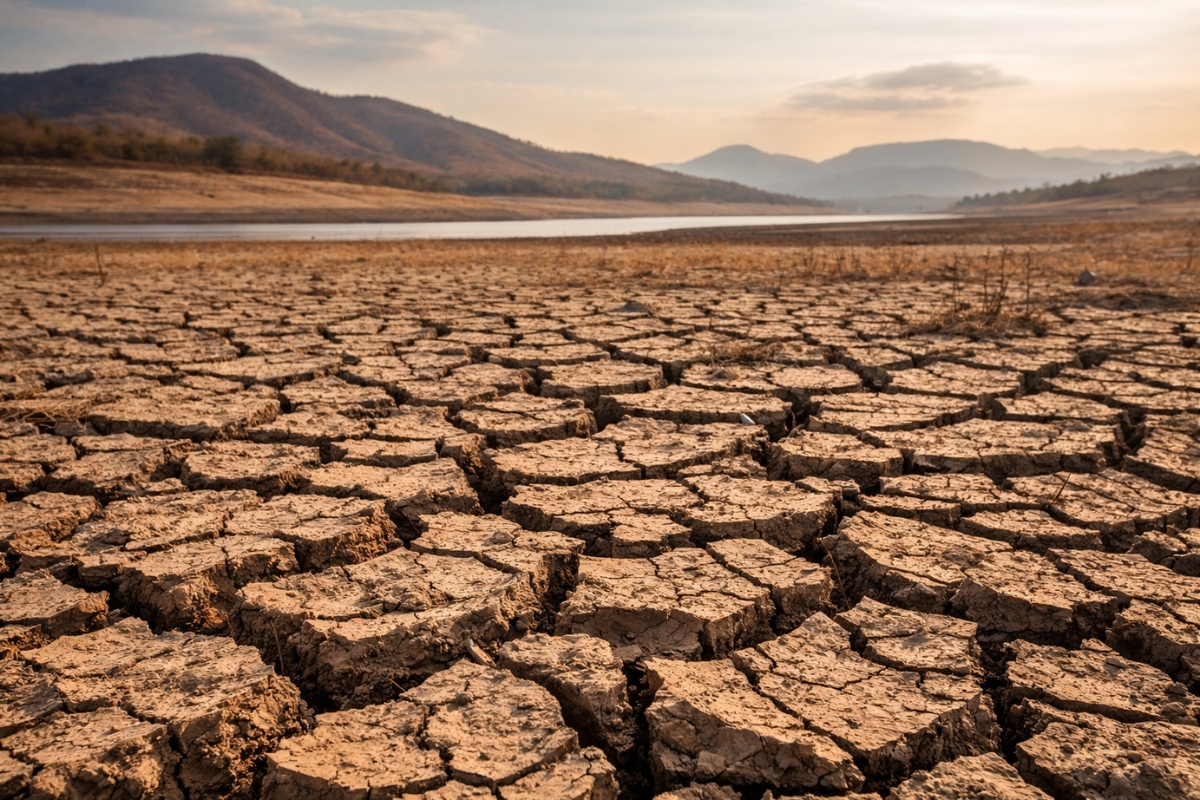
In recent years, the Belo Monte Dam has faced one of its greatest challenges: the lack of rain. In September 2024, during the longest drought ever recorded in the region, Belo Monte generated only 323 MW, less than 3% of its total capacity.
The dam’s dependence on rainfall jeopardizes its economic viability, questioning whether the billion-dollar investment in the largest 100% Brazilian dam has truly delivered the promised benefits.
With all the controversy and challenges faced, the Belo Monte Dam remains an example of how large projects can impact both development and the environment and communities.
The history of the Belo Monte Dam is far from a conclusion, and its future still depends on many factors, from environmental balance to the energy needs of the country.








Belo Monte por causa das pressões, é fio d’água, ou seja, sem um grande reservatório, por causa do ambientalismo **** nesse caso, agora terão de fazer barragens acima da usina para manter água em período de estiagem, se não fizer isto, com o tempo e as secas será cada vez menos utilizada.