





 English
  Francês
  Alemão
  Italiano
  Japonês
  Norueguês
  Portuguese
  Spanish
 6 min of reading
  0 comments


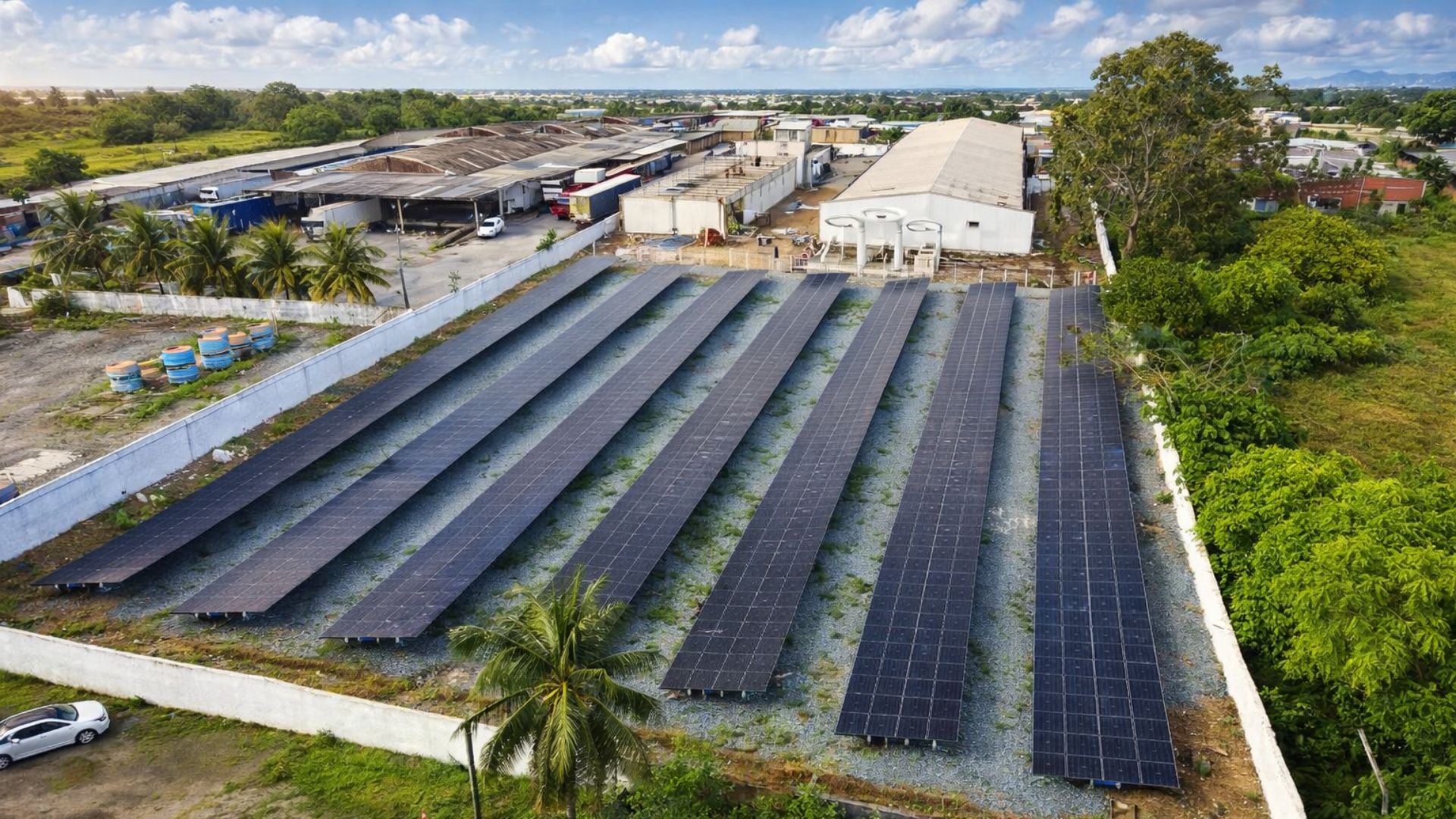
Solar Plant Inaugurated by TRE-PB Begins Generating Electricity and Should Reduce Energy Costs in Electoral Justice. Ground Photovoltaic Plant Project Reinforces Sustainability and Shows How Solar Energy Can Lower Public Costs.
The new ground photovoltaic plant of TRE-PB officially began operations after the inauguration held at the court’s annex, located in the Industrial District of João Pessoa. The system started functioning after the activation of the inverters responsible for converting the solar energy captured by the panels into usable electricity. The project represents a milestone for the institution, both for financial savings and for advancing sustainability policies.
According to a publication from TRE-PB on March 5, with an investment exceeding R$ 1 million, the structure was designed to generate enough energy to supply almost all Electoral Justice buildings in Paraíba, except for the court’s headquarters. The expectation is that the own solar energy generation will directly contribute to reducing public costs, while strengthening the adoption of environmentally responsible practices in public administration.
Ceremony Marks Start of Operation of the Ground Photovoltaic Plant of TRE-PB
The inauguration of the ground photovoltaic plant of TRE-PB was conducted in a simple ceremony, yet symbolic for the institution. During the event, three inverters were activated, initiating the process of converting the solar energy captured by the photovoltaic modules into electrical energy.
-
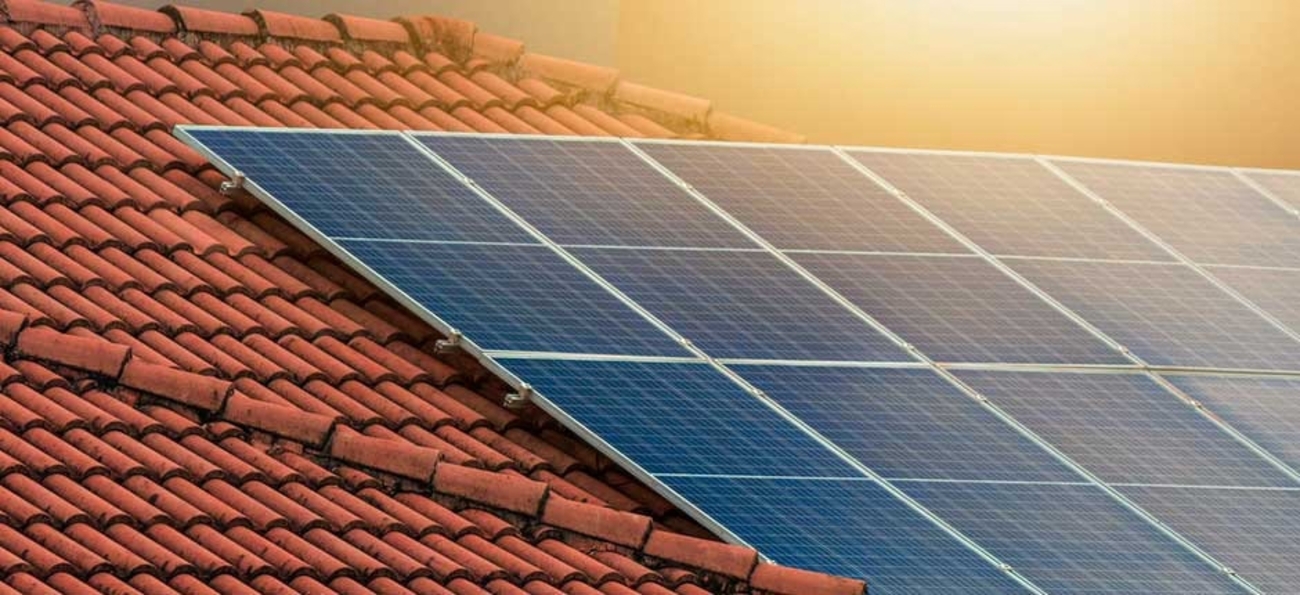
Roraima bets on the sun to escape high tariffs: Amid the energy crisis and price hikes, solar energy is growing in Roraima and transforming consumption in the North region.
-
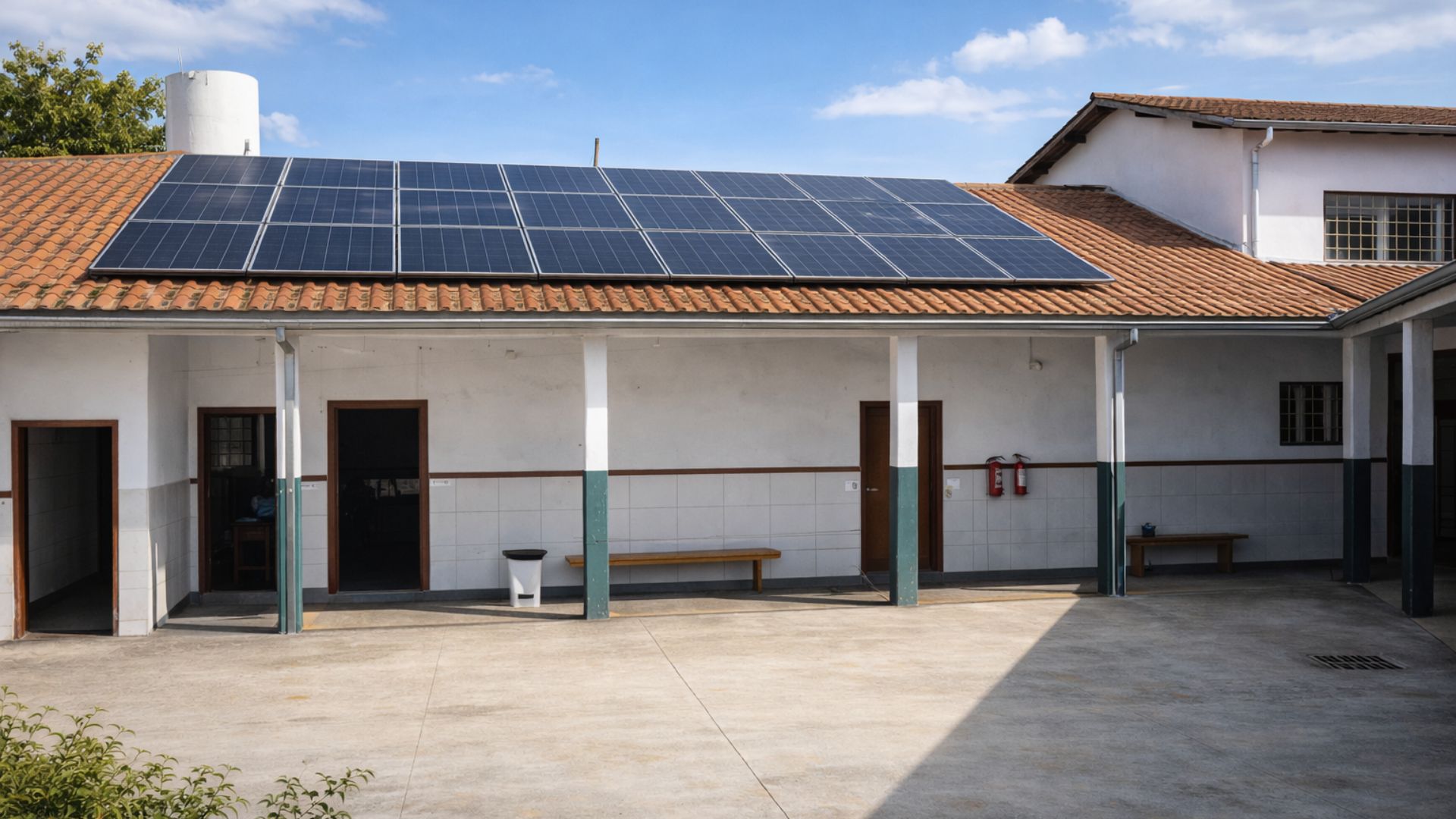
Copel boosts solar energy in Paraná and brings innovation to public schools, promoting savings on electricity bills, energy efficiency, and a direct impact on the quality of education.
-
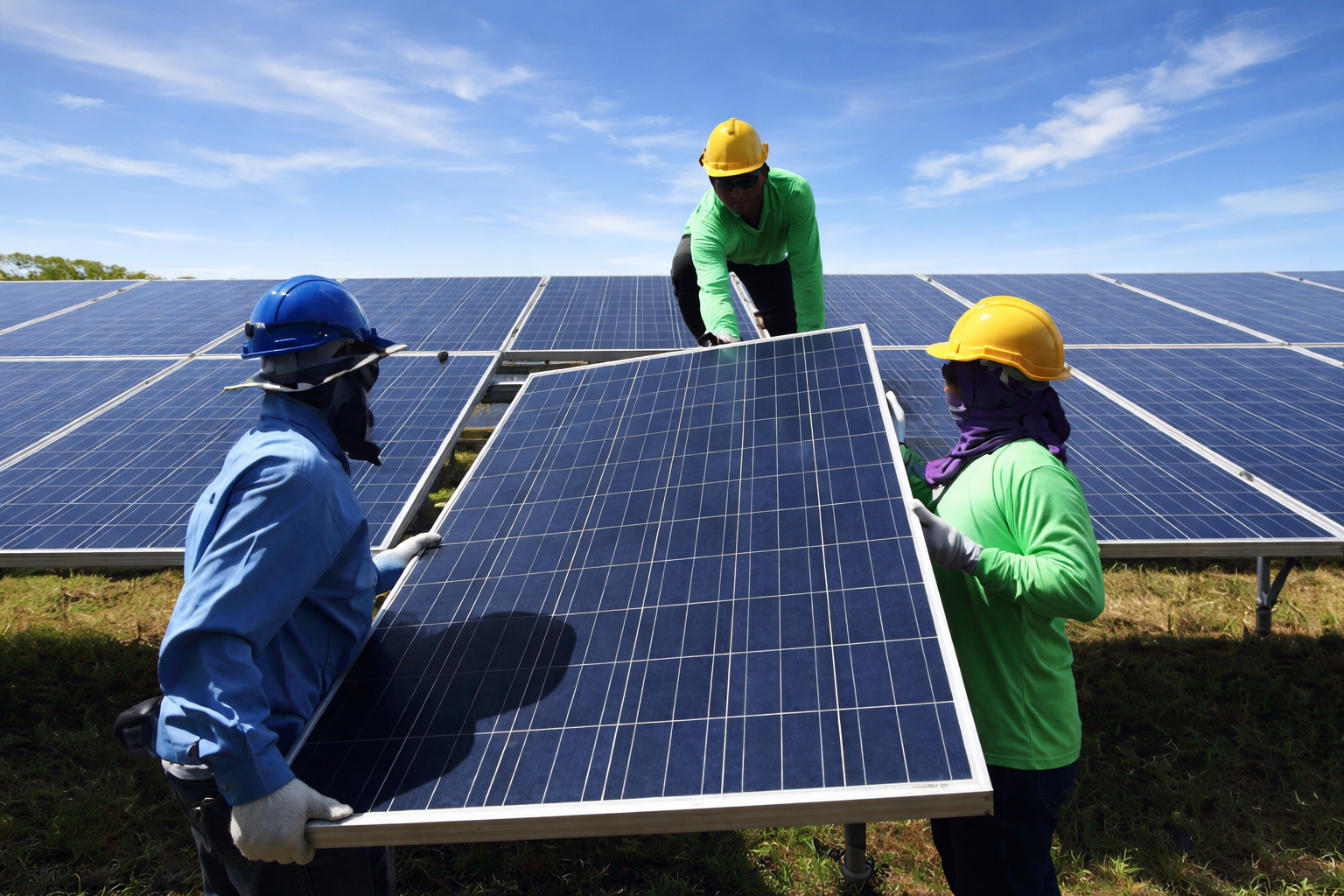
Brazil reaches historic milestone in solar energy: Sector surpasses 2 million accumulated green jobs and generates billions in the national economy even under market pressure.
-
Minas Gerais takes the lead in renewable energy: State surpasses historic mark of 14 GW in solar energy generation in MG and consolidates dominance in the Brazilian electric sector.

The first inverter was activated by server Diógenes Paiva, project manager. In his speech, he highlighted the challenges faced from the early stages of the initiative, including the bidding process and the monitoring of the project execution.
According to the manager, the project was made possible thanks to the joint work of court employees and institutional partners. He also emphasized the institution’s commitment to sustainability, stressing that projects like this demonstrate how the adoption of solar energy can bring concrete benefits to public management and reduce public costs.
The initiative also follows a growing trend in the Brazilian public sector, which has expanded the use of renewable sources to reduce operational expenses and improve sustainability indicators. In the case of TRE-PB, the new ground photovoltaic plant represents a concrete strategy to make energy management more efficient and aligned with contemporary environmental demands.
Technical Structure of the Ground Photovoltaic Plant Installed in the Court’s Annex
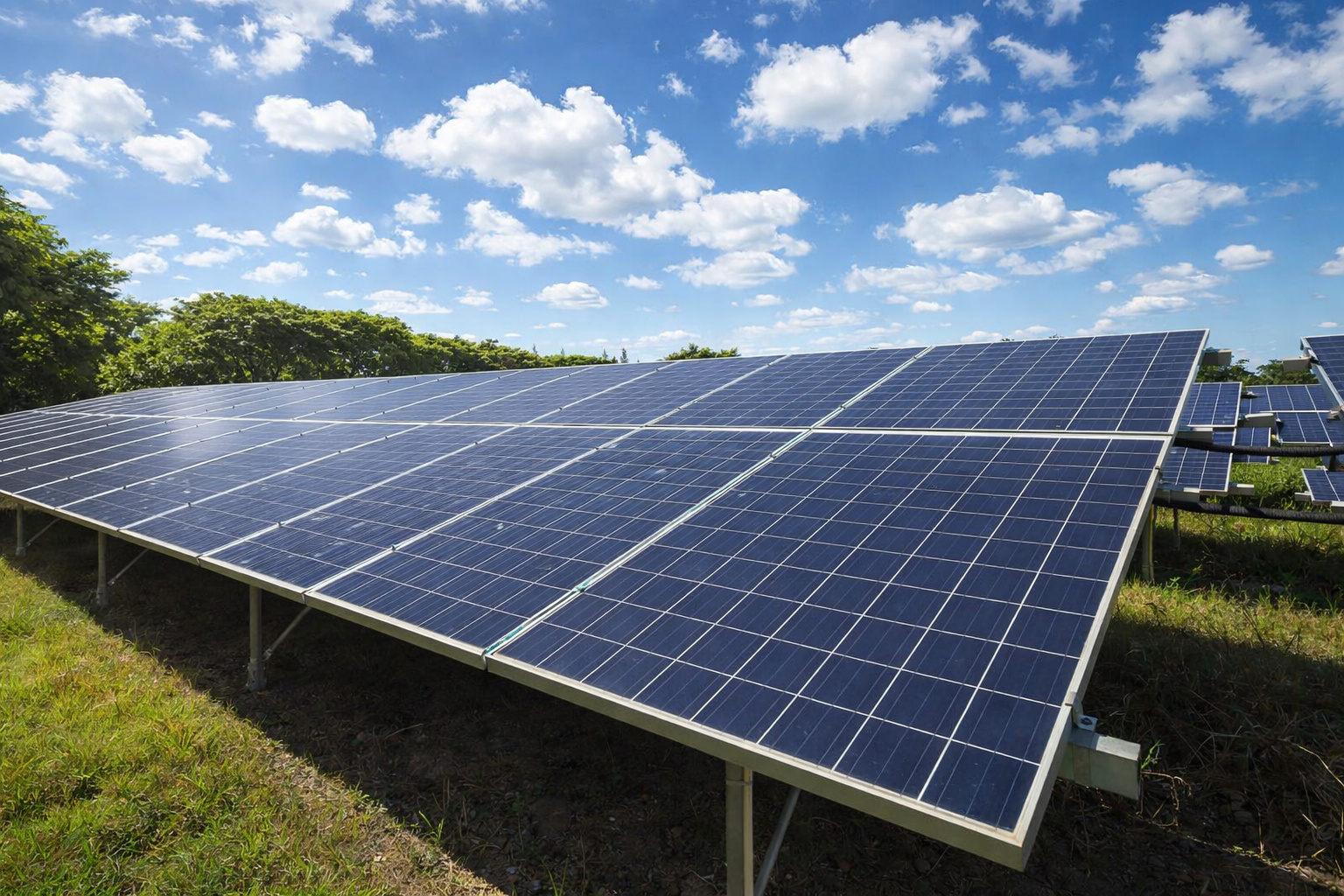
The ground photovoltaic plant installed by TRE-PB was designed to take advantage of the high potential for solar energy generation in the Northeast region of Brazil. The system consists of seven sets of tables, each containing 84 photovoltaic modules.
Each module has a power of 565 watts, resulting in a total installed capacity of 444.26 kilowatt-peak (kWp). The plant operates with three inverters, which together ensure a nominal power of 300 kilowatts.
This structure allows the generated energy to be used to supply various Electoral Justice units in the state. The adoption of this technology reinforces the institution’s energy modernization strategy and demonstrates how investments in solar energy can contribute to administrative efficiency and sustainability.
Moreover, the implementation of the ground photovoltaic plant highlights the potential of distributed generation as a tool for reducing public costs in the governmental sector.


Solar Energy as a Strategic Tool to Reduce Public Costs
The implementation of the ground photovoltaic plant represents an important strategy to decrease operational expenses of TRE-PB. The institution’s own solar energy production will allow it to significantly reduce electricity costs in various administrative units.
According to estimates from the court, the energy generated by the plant will be sufficient to eliminate the electricity bill for all Electoral Justice buildings in the state, except for the court’s headquarters.
This result demonstrates how the adoption of renewable sources can help reduce recurring public costs. In a scenario of limited budgets, initiatives that lower structural expenses are becoming increasingly relevant for public administration.
The savings generated by the production of solar energy can be directed toward other institutional investments, expanding the agency’s capacity to act and benefiting both employees and citizens served by Electoral Justice.
Sustainability as a Strategic Axis in the Energy Management of TRE-PB
In addition to financial savings, the implementation of the ground photovoltaic plant also strengthens sustainability policy at TRE-PB. The generation of solar energy is considered one of the cleanest forms of energy production since it does not generate greenhouse gas emissions during operation.
By investing in renewable generation, the court demonstrates commitment to environmentally responsible practices aligned with global discussions on energy transition.
The court’s director-general, Alexandra Cordeiro, highlighted during the inauguration that the idea of implementing a solar energy system initially seemed like a project distant from the institutional reality. According to her, the achieved result shows that initiatives focused on sustainability can become reality when there is planning and cooperation among technical teams.
This type of project also contributes to improving the performance of public institutions in environmental management indicators, which are increasingly considered in institutional evaluations and governance policies.
Second Plant Will Expand Solar Energy Generation and Public Cost Savings
The energy strategy of TRE-PB is not limited to the ground photovoltaic plant installed in the institution’s annex. The court is also preparing to inaugurate a second solar energy generation structure, which will be installed on the roof of the headquarters building.
When in operation, this new system will produce part of the energy consumed by the court’s administrative headquarters. The combination of the two structures will allow for increased solar energy production and reinforce the institutional commitment to sustainability.
The expectation is that together, the two plants will generate an annual savings of approximately R$ 1 million for the institution. This amount represents a significant reduction in public costs, demonstrating how investments in renewable energy can provide financial returns in the medium and long term.
In addition to direct savings, the institution’s own energy generation contributes to greater budget predictability, as it reduces dependence on energy tariffs subject to fluctuations.
Advancement of Solar Energy in Brazil Reinforces the Relevance of Institutional Projects
The investment by TRE-PB in a ground photovoltaic plant aligns with a national trend of expanding solar energy. In recent years, Brazil has rapidly increased its photovoltaic generation capacity, driven by a decrease in equipment costs and the country’s large solar potential.
Projects implemented by public institutions play an important role in this process, as they demonstrate in practice how renewable generation can reduce public costs and improve energy efficiency of governmental agencies. Furthermore, such initiatives help strengthen sustainability policies, encouraging other institutions to adopt similar solutions.
In the case of TRE-PB, the implementation of the ground photovoltaic plant shows that the public sector can take on a relevant role in the energy transition, using solar energy as a tool to reduce expenses and promote responsible environmental practices.
An Important Step for Energy Efficiency and Sustainability in Public Administration
The operation of the ground photovoltaic plant represents an important milestone in the energy strategy of TRE-PB. With an investment exceeding R$ 1 million, the project demonstrates how the adoption of solar energy can generate financial and environmental benefits for public institutions.
The expected annual savings of around R$ 1 million, when both planned plants are combined, highlights the positive impact of the initiative on reducing public costs. This result shows that renewable generation projects can contribute to making public administration more efficient and sustainable.
In addition to financial savings, the investment reinforces the court’s commitment to sustainability practices, aligning the institution with global trends in energy transition and responsible environmental management.
The experience of TRE-PB shows that implementing a ground photovoltaic plant can serve as a reference for other public agencies interested in leveraging the potential of solar energy to modernize their energy infrastructure, reduce expenses, and strengthen environmental policies in the public sector.








Seja o primeiro a reagir!