





 Portuguese
  English
  Spanish
  4 min of reading
  1 comment


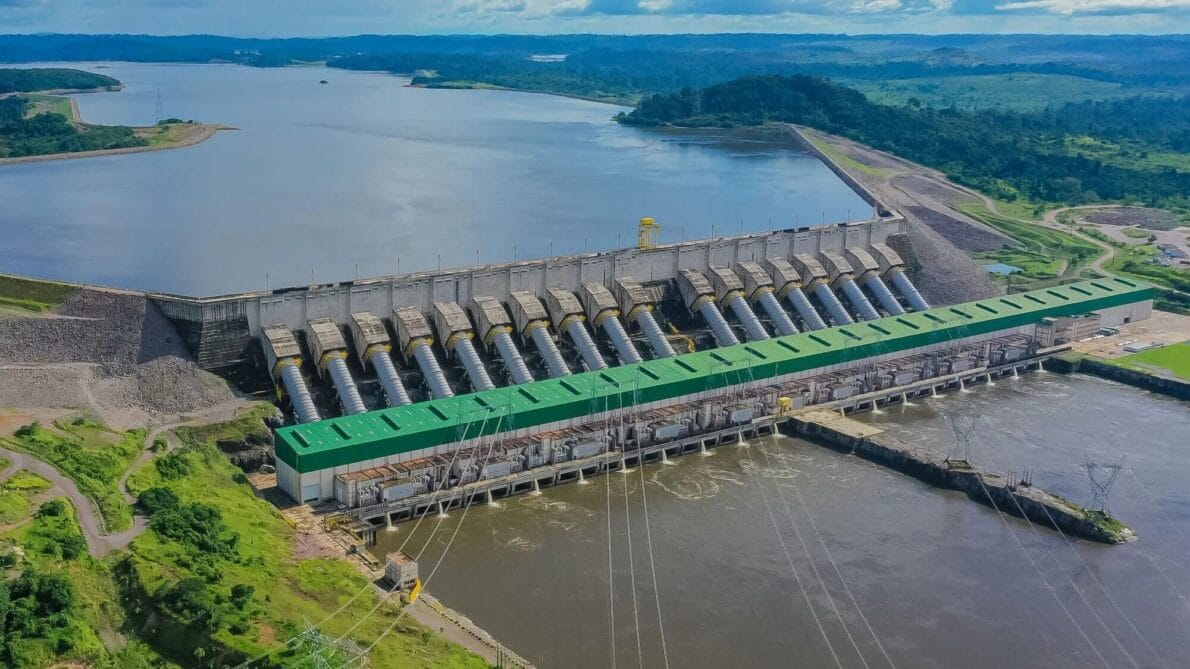


The Construction Of The Belo Monte Hydroelectric Plant Has Been Widely Criticized, Especially For Its Environmental And Social Impacts, Such As Deforestation. Greenpeace, For Example, An Environmental Organization, Once Claimed That The Belo Monte Hydroelectric Plant “Resulted In A Heap Of Social, Environmental And Economic Problems”.
However, to the CPG portal, Norte Energia, the concessionaire responsible for the plant, revealed a series of benefits and measures taken that may change the perception of this monumental project.
According to the concessionaire, Belo Monte, which cost R$ 40 billion as per updated figures in 2024, has brought significant improvements to the region, including the construction of a hospital, basic sanitation, and a penitentiary complex.
According to the company, these improvements aim not only to meet the demands of the local population but also to compensate for the environmental and social impacts of the plant.
-
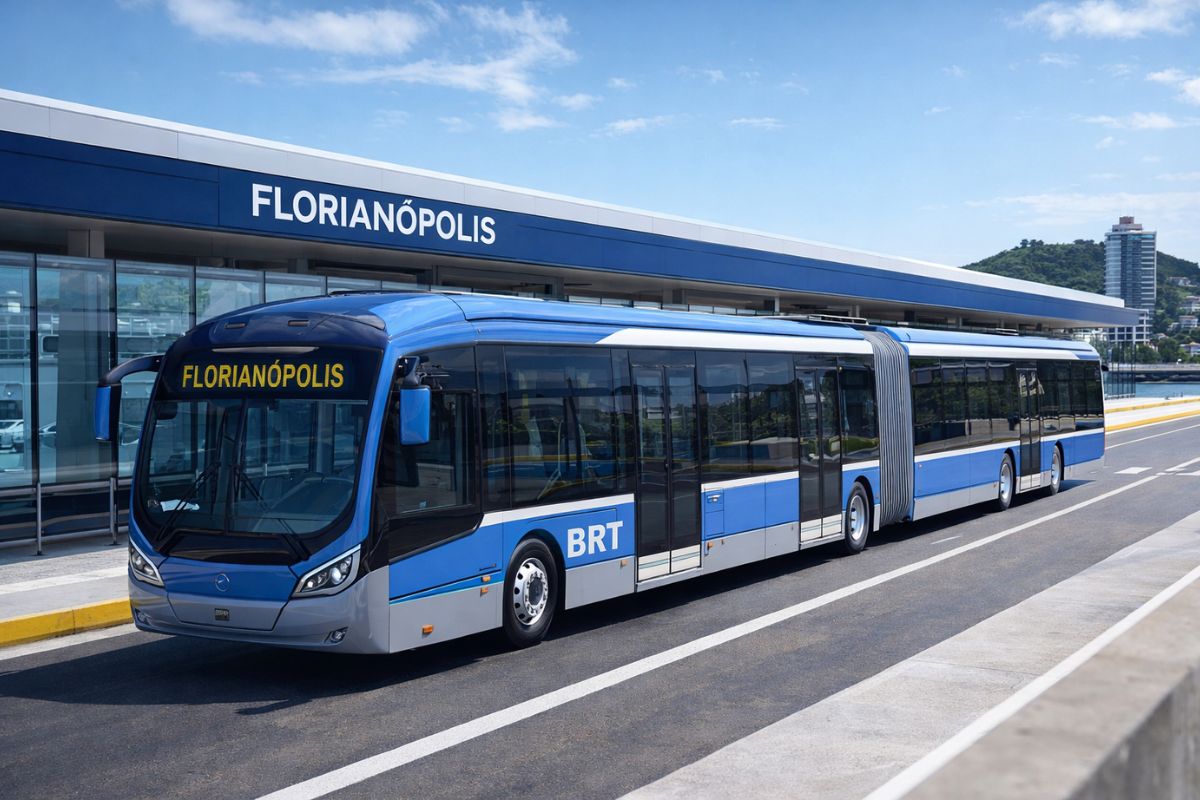
Florianópolis will receive a million-dollar BRT that will begin construction in 2026 with nearly 400 million in funding from the federal government and the Inter-American Development Bank, and the map already shows the routes for the exclusive bus corridors.
-
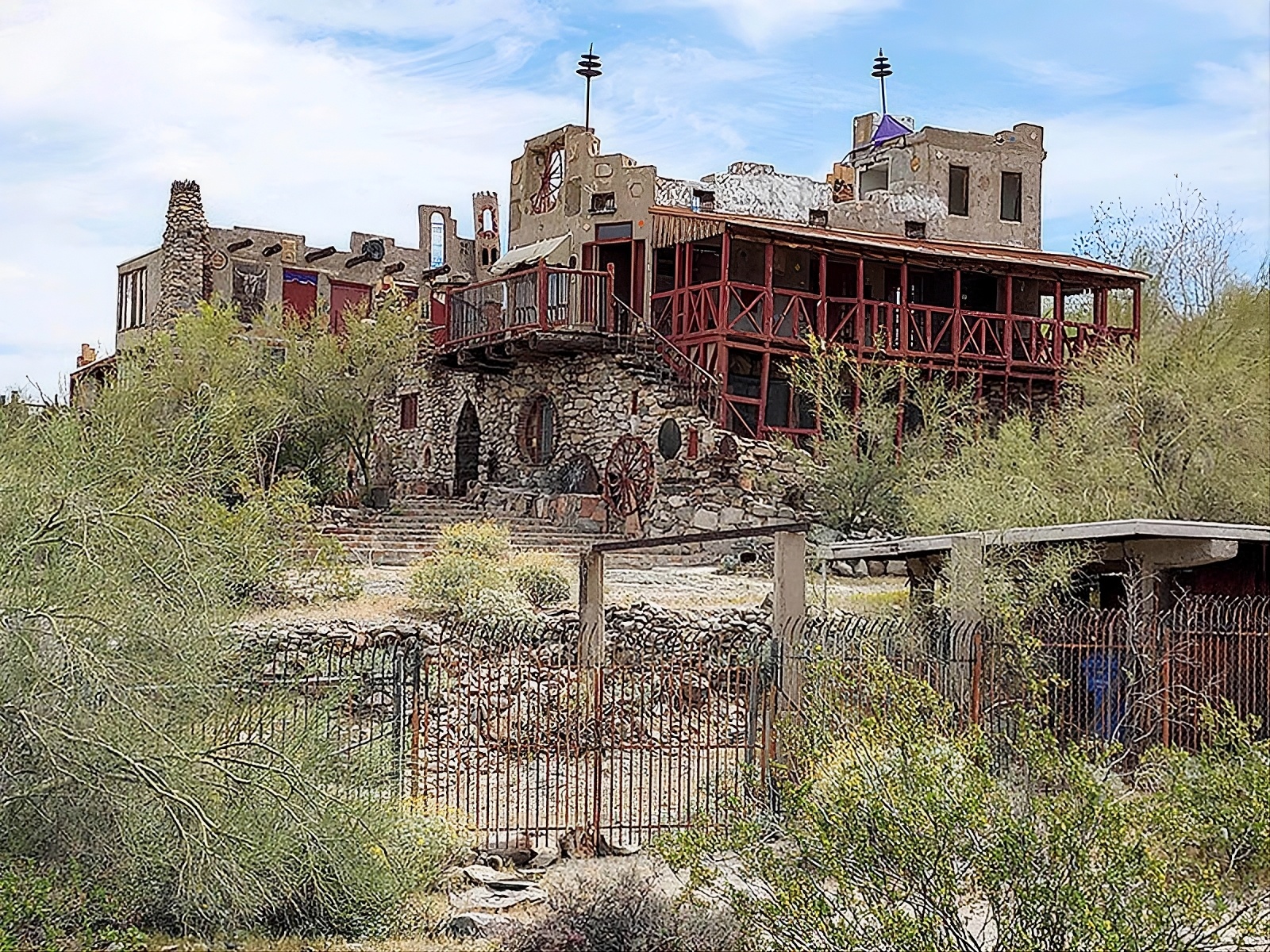
Without a blueprint, without an engineer, and using scrap from the dump, a father spends 15 years building an 18-room castle for his daughter, featuring tram tracks, 13 fireplaces, and over 700 m², which may now be demolished.
-
Larger than entire cities in Brazil: BYD is building a 4.6 km² complex in Bahia with a capacity for 600,000 vehicles per year, but the discovery of 163 workers in conditions analogous to slavery has shaken the entire project.

-
With an investment of R$ 612 million, a capacity to process 1.2 million liters of milk per day, Piracanjuba inaugurates a mega cheese factory that increases national production, reduces dependence on imports, and repositions Brazil on the global dairy map.


Environmental Licenses
Norte Energia explained that during the construction of Belo Monte, Ibama issued authorizations with the delineation of polygons for the work sites. The area of vegetation suppression corresponds to only 0.04% of the total area of the Xingu river basin and 0.0045% of the Legal Amazon.
In addition, the company conducted rescue efforts for groups of plants and animals, preventing the flooded vegetation from generating greenhouse gases, since submerged plants emit carbon dioxide during decomposition.
According to Norte Energia, reforestation projects in the Médio Xingu have recovered, as of June 2024, an area equivalent to 3,000 soccer fields. 1.7 million native seedlings from 159 species have been planted, some of which are endangered, such as acapu, mahogany, chestnut, and pau-cravo. The company’s goal is to recover 7,600 hectares by 2045, which will amount to 5.5 million native seedlings planted in the Amazon region.
According to the company, no Indigenous Land has been flooded by the project, and no indigenous community has had to leave its place of origin. Before Belo Monte, the indigenous population in the region was 2,000 across 26 villages. Currently, there are 8,675 – 5,203 indigenous in villages and 3,472 in urban/riverside contexts – from nine different ethnic groups in the Médio Xingu.
Belo Monte And The Investments In Social Programs
Since the plant was implemented, Norte Energia has invested about R$ 1.2 billion in 42 programs and projects approved by Funai in 2012, focusing on education, health, preservation of cultural heritage, productive activities, and territorial and environmental protection.
The company also explained that it has structured and maintained since 2015 the Remote Monitoring Center (CMR) of Funai, which oversees 98% of the Indigenous Lands in the country, home to 867.9 thousand indigenous people. “This tool monitors and analyzes images and data to combat deforestation, degradation, forest fires, and criminal occupation and use in about 600 Indigenous Lands in the Legal Amazon,” explains Norte Energia.
Relationship With Indigenous Communities
Regarding the relationship with indigenous communities, the company states that it maintains a permanent dialogue with the peoples of the Médio Xingu. “Daily interactions and tripartite meetings involve indigenous representatives and the indigenous agency to discuss and analyze actions in progress,” it affirms.
Norte Energia also emphasized the direct and indirect benefits for the region, such as job creation, royalties, and energy security. Furthermore, the construction of Belo Monte brought other positive factors:
- In health, the General Hospital of Altamira was built, with a capacity of 100 beds for treating high and medium complexity cases. Norte Energia also equipped the hospital and built 32 Basic Health Units in the five municipalities surrounding the plant and another 32 Indigenous Basic Health Units in Indigenous Lands.
- There was a 97% decrease in malaria cases in the five municipalities in the area influenced by the hydroelectric plant, a result of a program conducted by the company to combat the disease, which is endemic in the region.
- Norte Energia built 609 km of water and sewage networks and implemented 92% of the sanitation network in Altamira, connecting 19,000 properties.
- In education, the company reinforced the infrastructure of the five municipalities neighboring the project with 78 works, representing about 492 classrooms built and/or renovated, directly benefiting 23,200 students. Educational spaces, such as computer and reading rooms, were also constructed.
- In security, Norte Energia built the Penitentiary Complex of Vitória do Xingu, renovated police units, and donated 80 vehicles and a helicopter to the Altamira Public Security Secretariat.
With this, we note that Norte Energia highlights the numerous benefits that the construction of Belo Monte has brought to the region, contrasting with the criticisms about environmental impacts. The Question Remains, Reader: Do These Measures Compensate For The Damages Caused? What Do You Think?

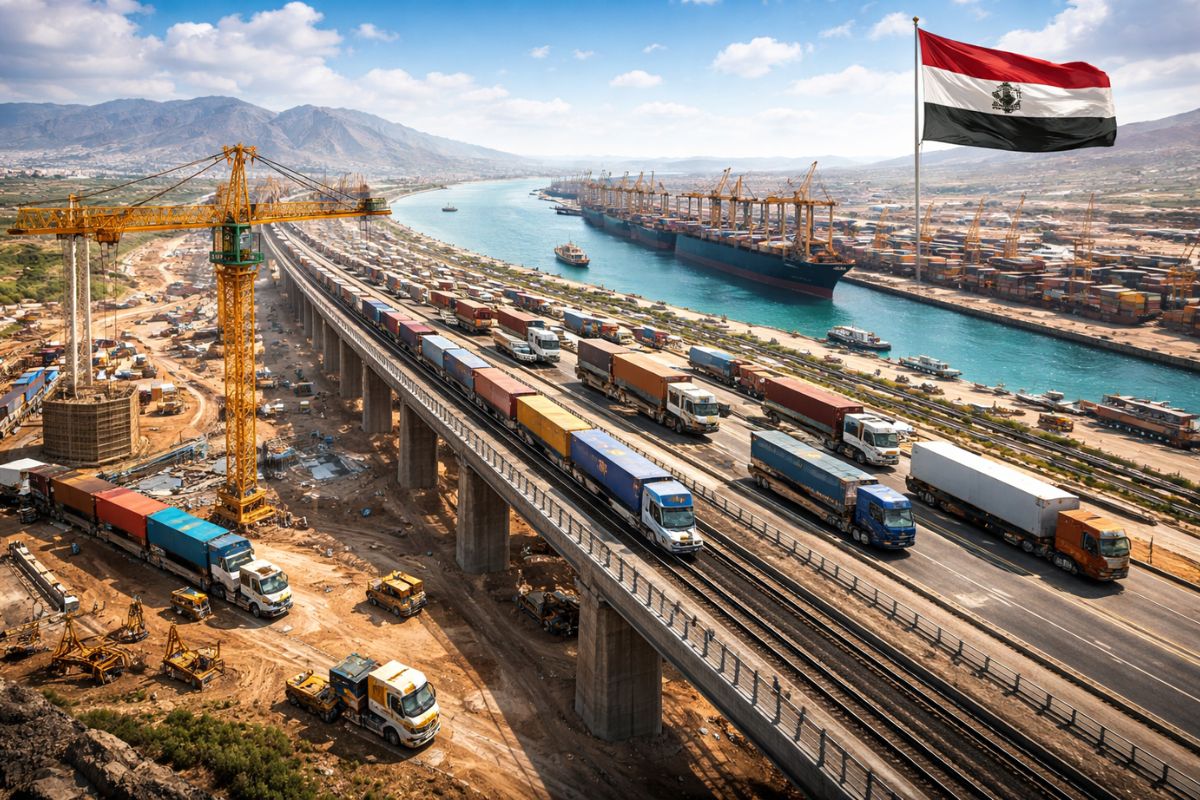




A empresa deveria construir uma rodovia de Belo Monte até a cidade de Andrelândia, MG, paralela a rede de transmissão, esta rodovia serviria tanto para a manutenção da rede, como também transportaria toda produção do agro das regiões Norte, Centro-Oeste e sudeste, implantaria um Porto Seco na cidade de Andrelândia, onde se encontram duas grandes ferrovias, MRS e VLi, formando assim o maior corredor de exportação de grãos do planeta, com acesso rápido e seguro aos portos de Sepetiba e Rio de Janeiro, desafogando assim o porto de Santos.