





 English
  Francês
  Alemão
  Italiano
  Japonês
  Norueguês
  Portuguese
  Spanish
  3 min of reading


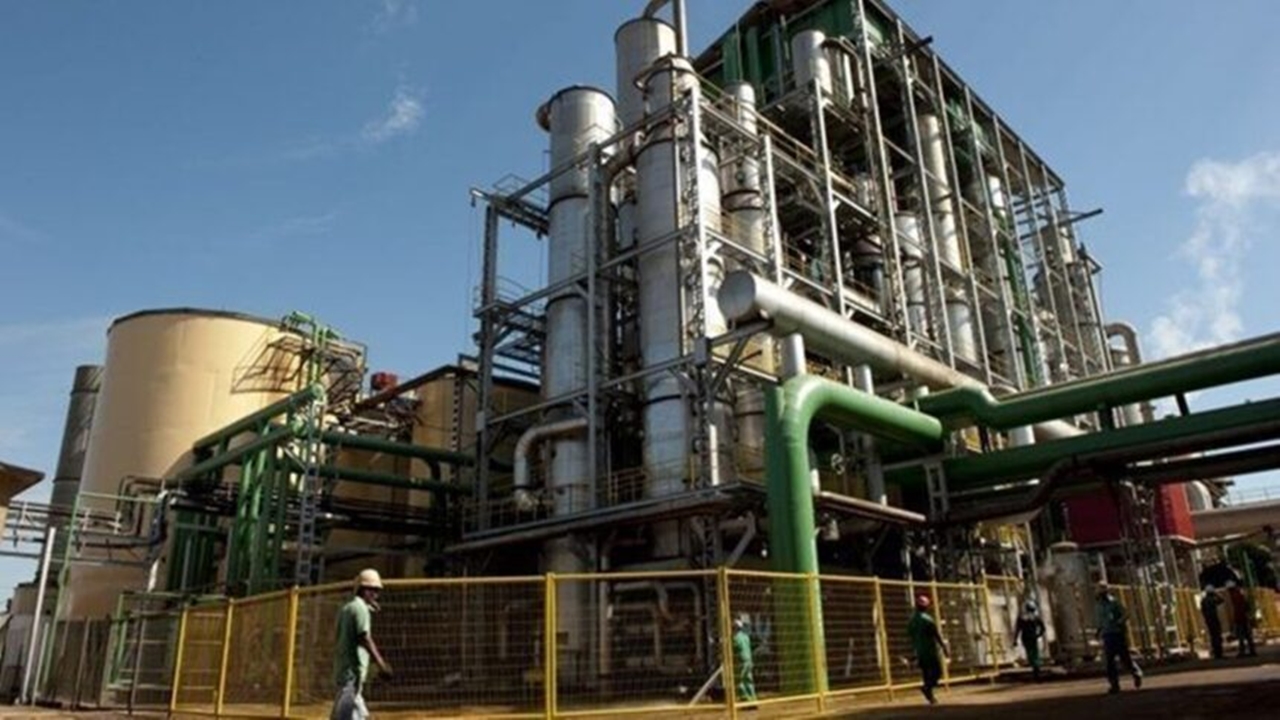
Ethanol Plants And Sugarcane Suppliers Duel For Carbon Credits As There Is No Consensus On Revenue Sharing Of CBios
Ethanol plants and sugarcane suppliers are dueling over the revenue sharing of carbon credits from the federal RenovaBio program, the Carbon Credit Certificates (CBios). Despite the program being in effect for a year, requiring distributors to purchase CBios from biofuel producers, the rules for dividing this revenue are left to private agents, who cannot reach a consensus.
Read Also
- Raízen, the Giant Ethanol Producer in Brazil, Invests R$ 345 Million in Agricultural Fleet to Increase Production and Reduce Costs
- Direct Sale of Ethanol from Plants Will Stimulate Competition and Curb the Increase in Gasoline Prices at Fuel Stations
- Ethanol Prices Plummet at Plants
- Ethanol Prices Evaporate at Plants and Distributors Burn Stocks
Independent producers in the Center-South supply one-third of the sugarcane processed in industries, which is about 200 million tons from a harvest of 600 million in the last season (2020/21). Last year, CBios sales amounted to R$ 650 million. Each CBio is equivalent to 1 ton of carbon emissions avoided by replacing fossil fuels with biofuels.
Farmers Threaten To Exit RenovaBio
Due to the collegiate that arbitrates the private relationships in the chain, Consecana, not reaching an agreement on the CBios in negotiations that started in 2019, since the beginning of the year, ethanol plants have begun proposing agreements with producers and regional associations to finalize payments for the 2020/21 cycle, which ended on March 31. Farmers are dissatisfied, and some threaten to exit RenovaBio.
-
While Russia dominates the global wheat market, Brazil emerges as an unexpected competitor in the Cerrado, offering grain available in July and August when stocks in the Northern Hemisphere are at their lowest point of the year.

-
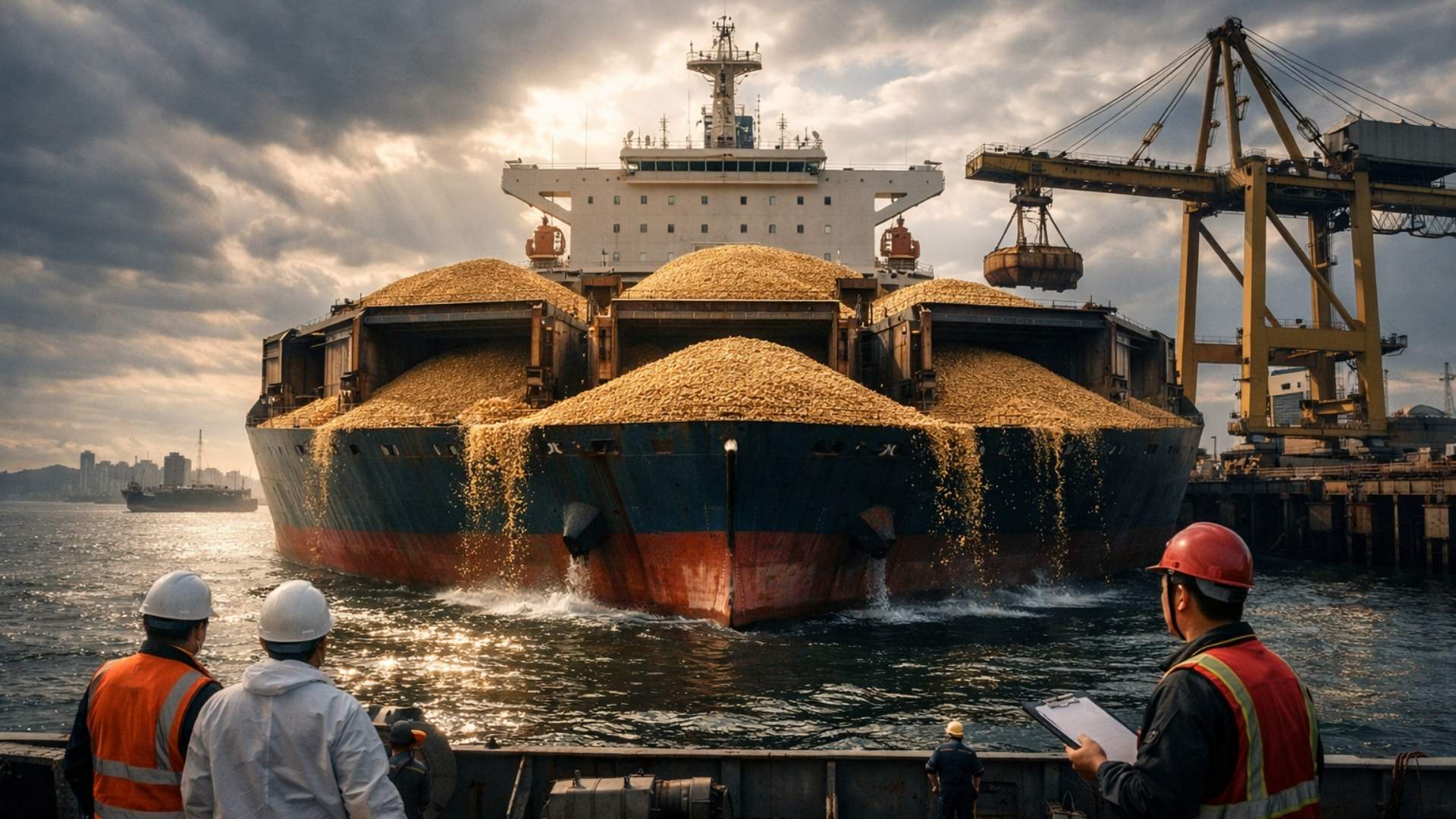
China returned almost 20 Brazilian ships with soybeans, but now everything could change: the country that buys 80% of the grain is considering relaxing regulations after impurities held up shipments of thousands of tons and caused million-dollar losses.
-
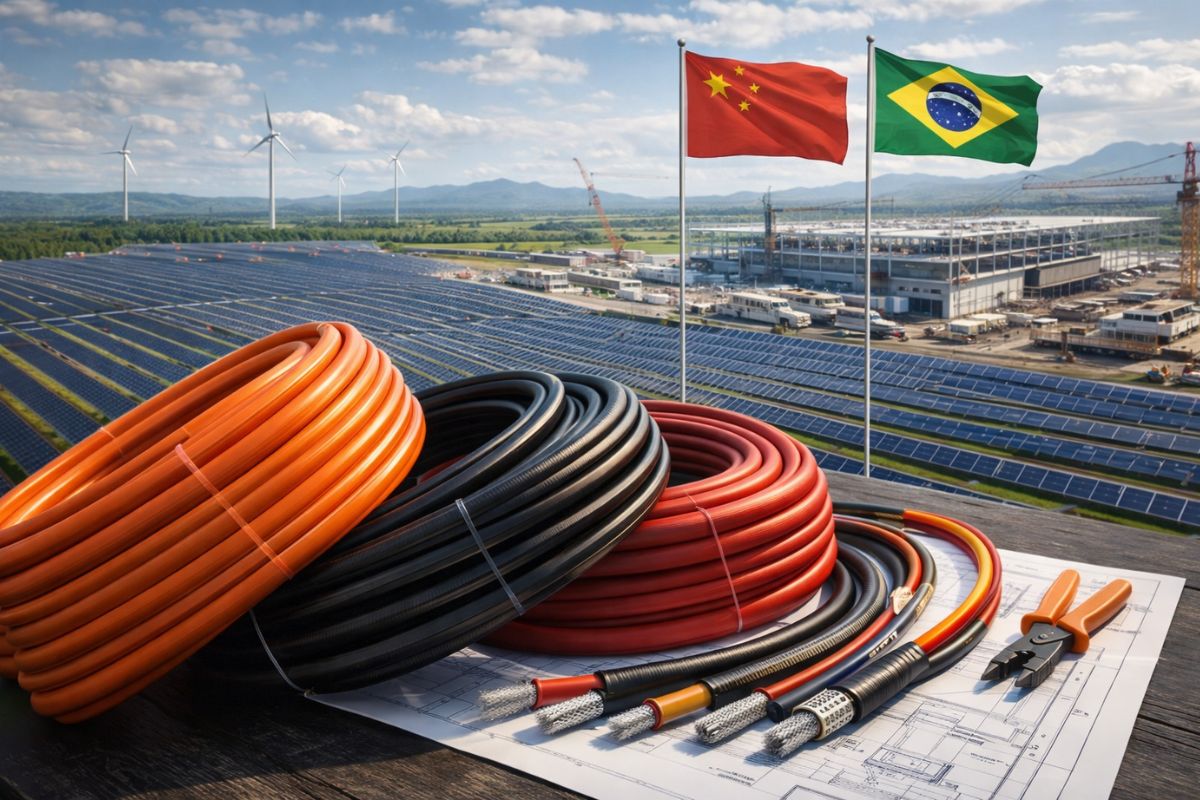
Chinese giant worth nearly R$ 4 billion that manufactures cables for electric cars, solar energy, and robotics wants to open a factory in SC.
-
Many employers do not know, but the law guarantees domestic workers a 25% increase in salary during trips, 50% for overtime, 20% for night shifts, and 17 additional benefits that can lead to labor lawsuits if not paid.


It was proposed by Unica that the division of CBios revenues follow the same proportion as payment for sugarcane, considering them another product sold by the plant from the supplied raw material, such as sugar and ethanol. By this logic, producers whose personal data were used to calculate the potential emission of CBios by the plants would receive 60% of the credits related to the ethanol produced from their raw materials. In the case of ethanol plants that used a “standard” database for producers to carry out the certification in RenovaBio, the share would be 50%.
Orplana Demands That 100% Of CBios Generated From Ethanol Made From Cane Be Paid To Farmers
However, the Organization of Sugarcane Producers Associations of Brazil (Orplana) demands that 100% of the CBios generated from ethanol made from cane be paid to farmers, considering that if the plants stop processing the cane from the supplier, the eligible ethanol production from the program also decreases, which proportionally reduces the plants’ capacity to emit CBios.
Under RenovaBio, CBios are issued after proof of sale of ethanol batches, based on two elements: the volume sold and the efficiency note, which corresponds to how much the biofuel avoids emissions compared to the equivalent fossil.
Unica informed Valor, in a note, that negotiations are now individual but defended “joint efforts in search of consensus.” The entity, however, rejected the proposal for full appropriation of CBios by producers and argued that “the emission reductions promoted by biofuels do not result from the cultivation of the raw material,” but rather when it “is converted into biofuel” and replaces the fossil competitor.
Raízen Of The Shell Group Wants To Build Three Ethanol Plants Made From Bagasse And Cane Leaves
Raízen, the global giant ethanol producer together with Shell, plans to build three more cellulosic ethanol plants — or second-generation plants. The good news was announced by businessman Rubens Ometto from Cosan last Monday (03/15)
The technology for producing cellulosic ethanol emerged from a partnership between Shell and the Canadian company Logen, specialized in biotechnology. In the last harvest (2019/20), the Piracicaba unit produced 226 liters of ethanol for each ton of dry biomass.







Seja o primeiro a reagir!