





 English
  Francês
  Alemão
  Italiano
  Japonês
  Norueguês
  Portuguese
  Spanish
  4 min of reading


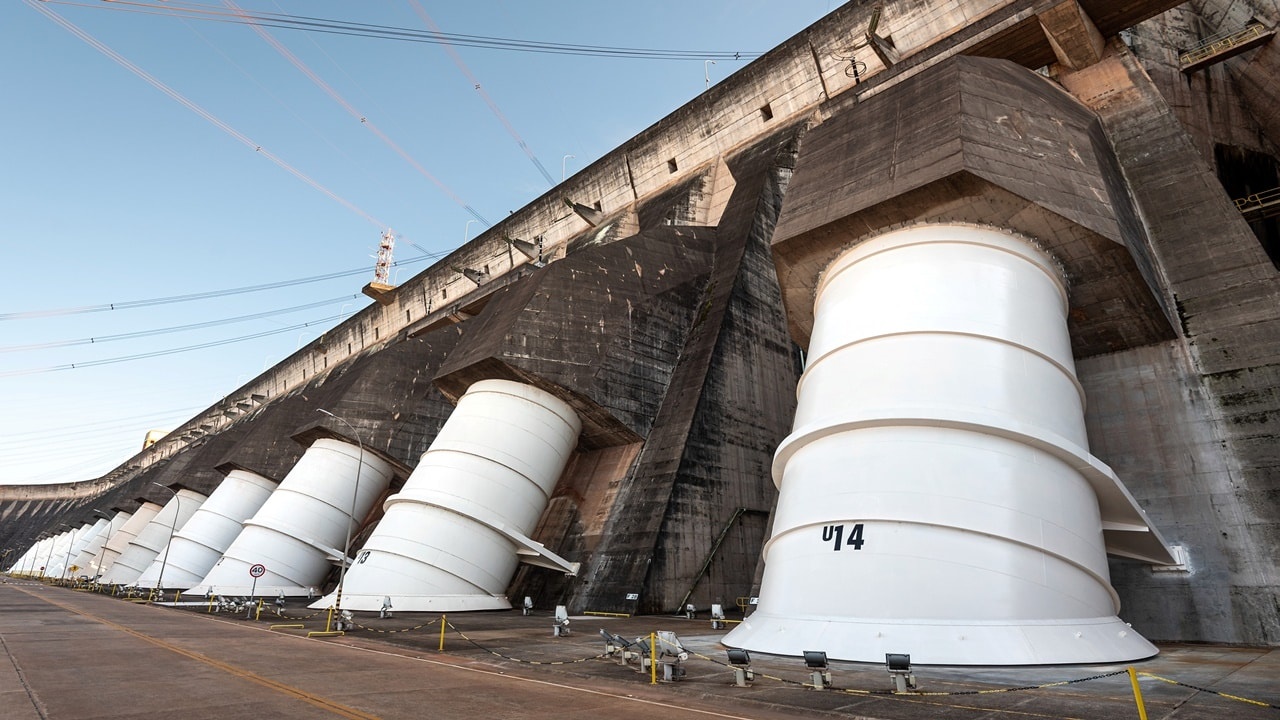
Hydropower, Solar and Wind Sources Are Essential in Combating Climate Change. About 550 GW of New Hydropower Projects Are Ready to Be Implemented Worldwide.
Hydropower plants are essential to achieving global climate change mitigation goals outlined in the Paris Agreement, which aims to limit global temperature rise to 2º C this century, but preferably to 1.5º C. This issue became evident in the discussions involving Itaipu Binacional during COP 26 in Glasgow.
Read Also
- The GLP Distributor Ultragaz Opened Job Vacancies for Operator, Technician, Analyst, and Others for SP, GO, PR, AL, and More
- Senac Offers 25 Free Online Courses (EAD) for Professional Qualification with Certification
- The World’s Fastest Portable Graphene Charger Is Now for Sale, Promising to Recharge Your Phone in 7 Minutes, Enduring Over 2,500 Charging Cycles, or About Seven Years of Daily Use
- With 60 Projects, Chile, the World’s Largest Lithium and Copper Producer, Aims to Export and Produce the Cheapest Green Hydrogen in the World
- Another Record from the Brazilian Oil Giant: With 104 Operations in November, Petrobras’ LNG Regasification Terminals Break the Annual Transshipment Record
The topic was central to the event “Hydropower Development: Providing Renewable and Environmentally-Friendly Energy, Ensuring Long-Term Water Availability and Preventing Water-Related Natural Disasters,” organized by the government of Tajikistan and attended by experts from the International Hydropower Association (IHA), International Energy Agency (IEA), International Renewable Energy Agency (IRENA), Itaipu Binacional, International Water Management Institute, and High-Level Panel of Experts and Leaders on Water and Disasters.
Hydropower, Solar and Wind Sources Will Be Protagonists in Combating Climate Change
Overall, the panelists’ view is that hydropower can play a more significant role in addressing climate change.
-
A study reveals the expansion of renewable energy procurement in Brazil and shows how companies are taking advantage of opportunities to reduce expenses, ensure energy efficiency, and strengthen strategic environmental commitments.

-
Mato Grosso do Sul excels in the sugar-energy sector: the state reaches a milestone of 22 operating mills and accelerates the production of clean energy in MS with a focus on sustainability.

-
National energy dilemma: Brazilians support clean energy but reject increases in tariff costs to finance the sustainable transition.
-
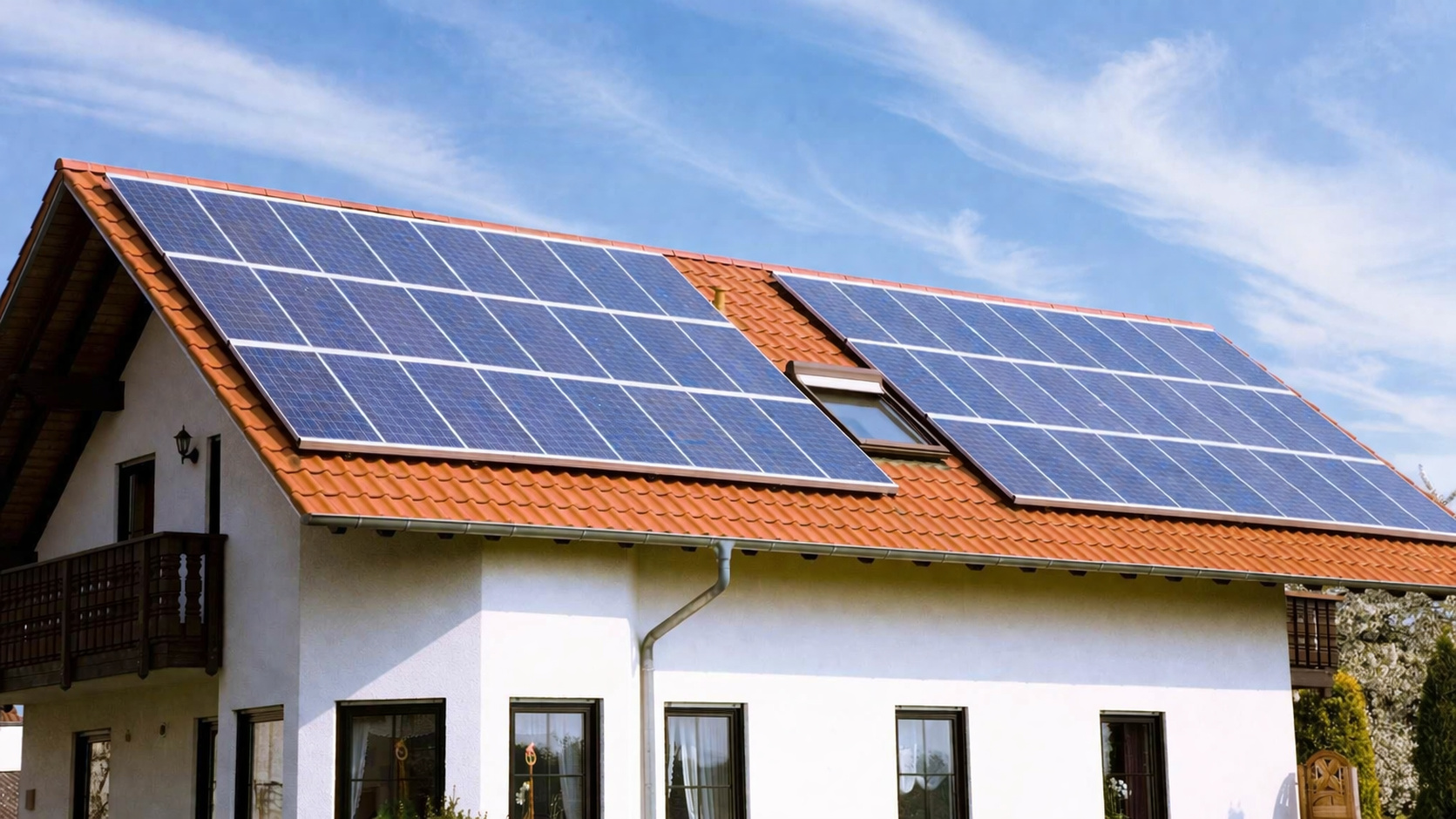
Research indicates that Brazilians support clean energy and wish to advance in the energy transition, but reject paying more on their electricity bill, showing a direct conflict between cost and sustainability.


Solar and wind sources have gained much attention on this topic – and should continue to expand their installed capacity in the future – but being intermittent, they cannot provide the energy security needed by the system.
And this is where hydropower presents itself as ideal, with the flexibility and capacity to supply electricity in situations where sunlight and winds cannot meet the demand for firm energy.
Hydropower Plants Remain the Dominant Source Among Renewables
Despite the growth of solar and wind sources in recent years, hydropower remains the dominant source among renewables in the global scenario. In 2020, 17% of global electricity was generated by hydropower (approximately 4,370 TWh), more than all other renewables combined. Also in 2020, 21 GW of installed capacity were added, representing an increase of only 1.6% over the previous year. The recent growth of this source has been largely driven by China, which added nearly 50 GW over the past five years.
However, recent studies by the IEA and IRENA indicate that to achieve the 2º C target of the Paris Agreement, 850 GW of new hydropower capacity will be required. To meet the 1.5º target, more than 1,300 GW should be added to global installed capacity. Furthermore, these studies suggest that if these 850 GW were supplied by coal or gas, it would result in annual carbon emissions equivalent to half of India’s and Japan’s national emissions, respectively.
About 550 GW of New Hydropower Projects Ready to Be Implemented Worldwide
According to an analysis by the IHA, there are about 550 GW of new hydropower projects ready to be implemented worldwide, but of those, only 156 GW are under construction, far from the 850 GW needed to meet the 2º C target. “We cannot afford not to build more hydropower plants. We have no option. They are essential for generating low-carbon energy, and also for regulating rivers and contributing to addressing the consequences of climate change, such as droughts and floods,” stated IHA President Eddie Rich.
The conclusion is that hydropower is experiencing very modest growth to meet the global need for generating energy without emitting greenhouse gases. To change this necessary trajectory, greater presence of hydropower on the political agenda is needed; strengthening the adoption of rigorous sustainability standards in new projects; recognizing the important role of this source in energy security; mobilizing financial resources for building sustainable hydropower plants in developing countries; and also ensuring that the public sector continues to be essential for the expansion of hydropower.
Itaipu Participated in the Event as a Success Case in Hydroelectric Power Production with Respect to Rigorous Sustainability Standards
Itaipu participated in the event as a success case in hydropower production with respect to rigorous sustainability standards. The company was represented at the event by counselor María Antonia Gwynn Ramírez from Paraguay, who presented the main characteristics of the binational plant, and by Ariel Scheffer da Silva, Environmental Management Superintendent from Brazil, who spoke about the importance of sustainability actions in the territory, such as ecosystem conservation and other initiatives occurring in approximately 200 municipalities on both banks, aiming to ensure water availability and long-term energy generation, as well as contributing to addressing climate change.
Throughout COP, Itaipu also participated in side events promoted by the UN Department of Economic and Social Affairs (UNDESA) and Brazil’s Ministry of the Environment (MMA). It also participated in a prominent exhibition space at COP, the booth of the UN Framework Convention on Climate Change (UNFCCC), demonstrating its climate strategy that aligns ecosystem conservation with water and energy security.









Seja o primeiro a reagir!