





 English
  Francês
  Alemão
  Italiano
  Japonês
  Norueguês
  Portuguese
  Spanish
 6 min of reading
  0 comments


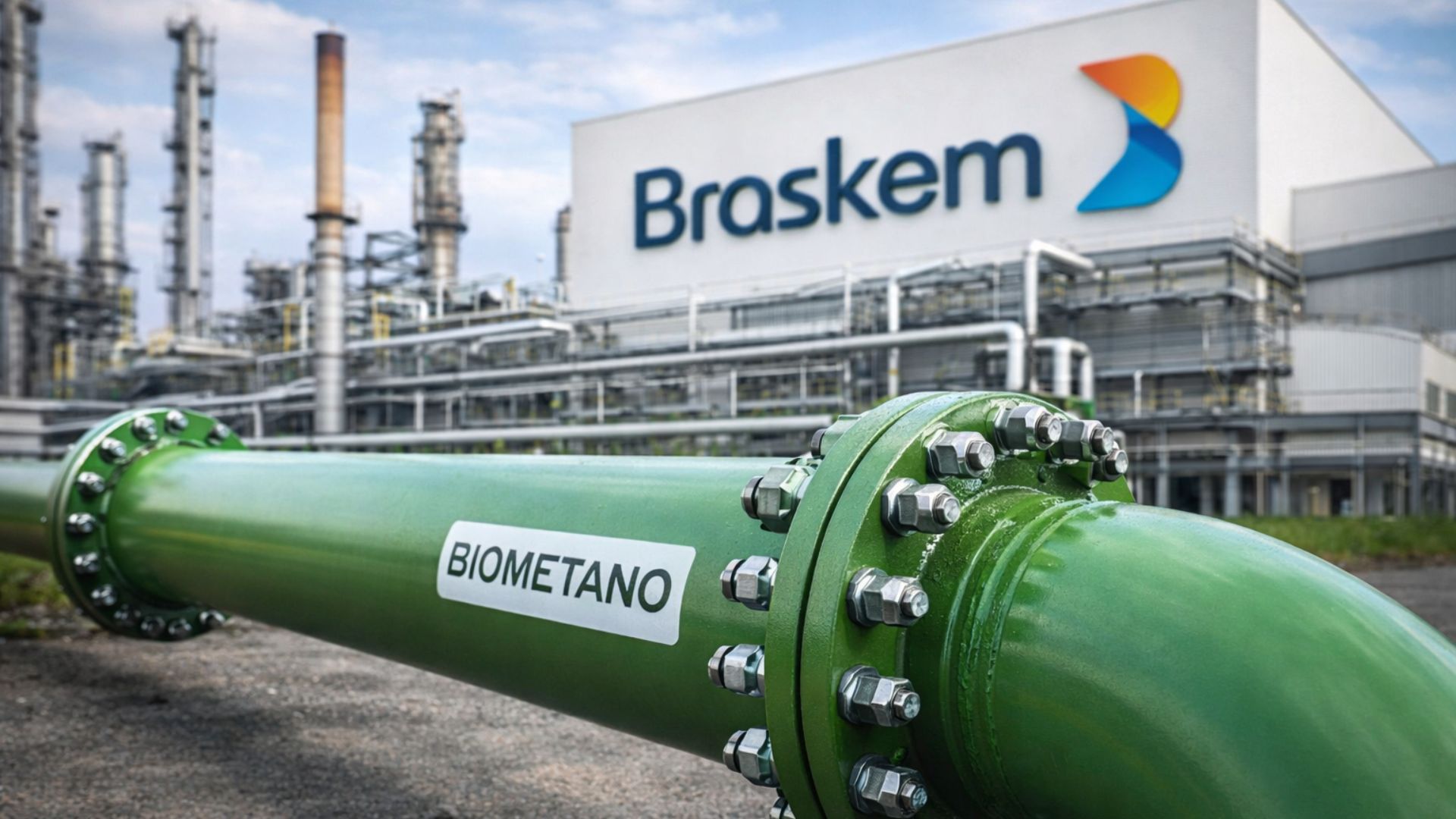
The Adoption of Biomethane by Braskem at the Triunfo Petrochemical Complex Shows How the Brazilian Industry Advances in the Energy Transition, Reducing CO₂ Emissions and Increasing the Use of Renewable Fuels in Strategic Industrial Processes.
Braskem, a global petrochemical company that develops sustainable solutions in chemistry and plastics, has begun using biomethane as a partial substitute for natural gas at the Q2 plant of the Petrochemical Complex of Triunfo, in Rio Grande do Sul.According to an article published by Correio do Povo on March 5, this initiative represents an important advance in the company’s energy transition strategy and contributes to reducing carbon dioxide (CO₂) emissions associated with industrial operations.
Braskem’s Initiative Is Conducted in Partnership with Ultragaz
The renewable fuel used in the project is distributed by Ultragaz and originates from the landfill in Minas do Leão (RS). The facility has the capacity to supply up to 46,000 cubic meters per day, a volume that allows for the substitution of part of the natural gas used in the industrial processes of the unit.
The adoption of biomethane reinforces Braskem‘s movement to diversify its energy matrix and increase the use of low-carbon sources in its operations. The strategy is part of a broader set of initiatives aimed at decarbonizing the petrochemical industry and building a more sustainable energy matrix.
-
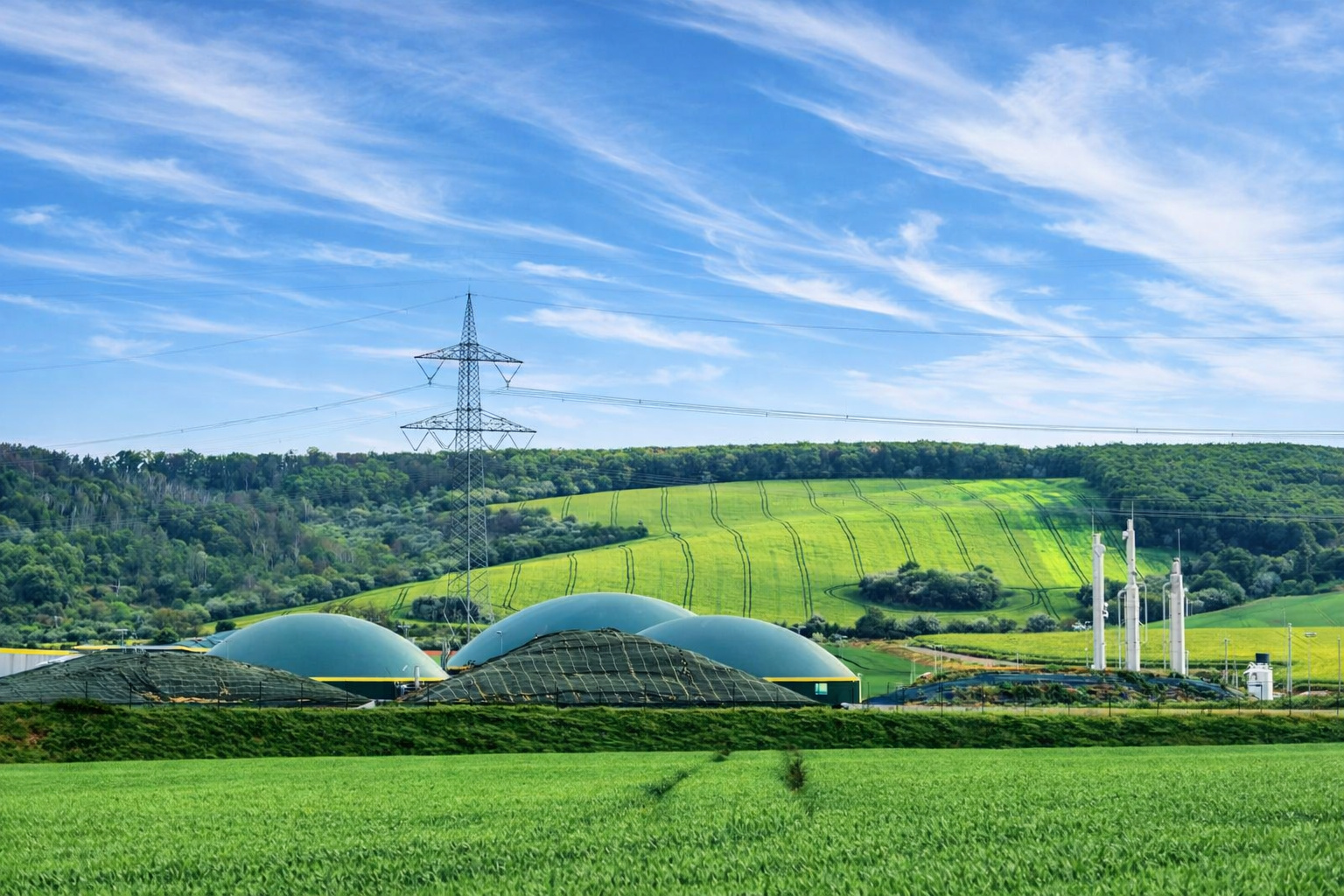
Brazil accelerates decarbonization in the South: International forum in Foz do Iguaçu gathers leaders to discuss the advancement of biomethane in the energy matrix and the potential of “caipira pre-salt.”
-
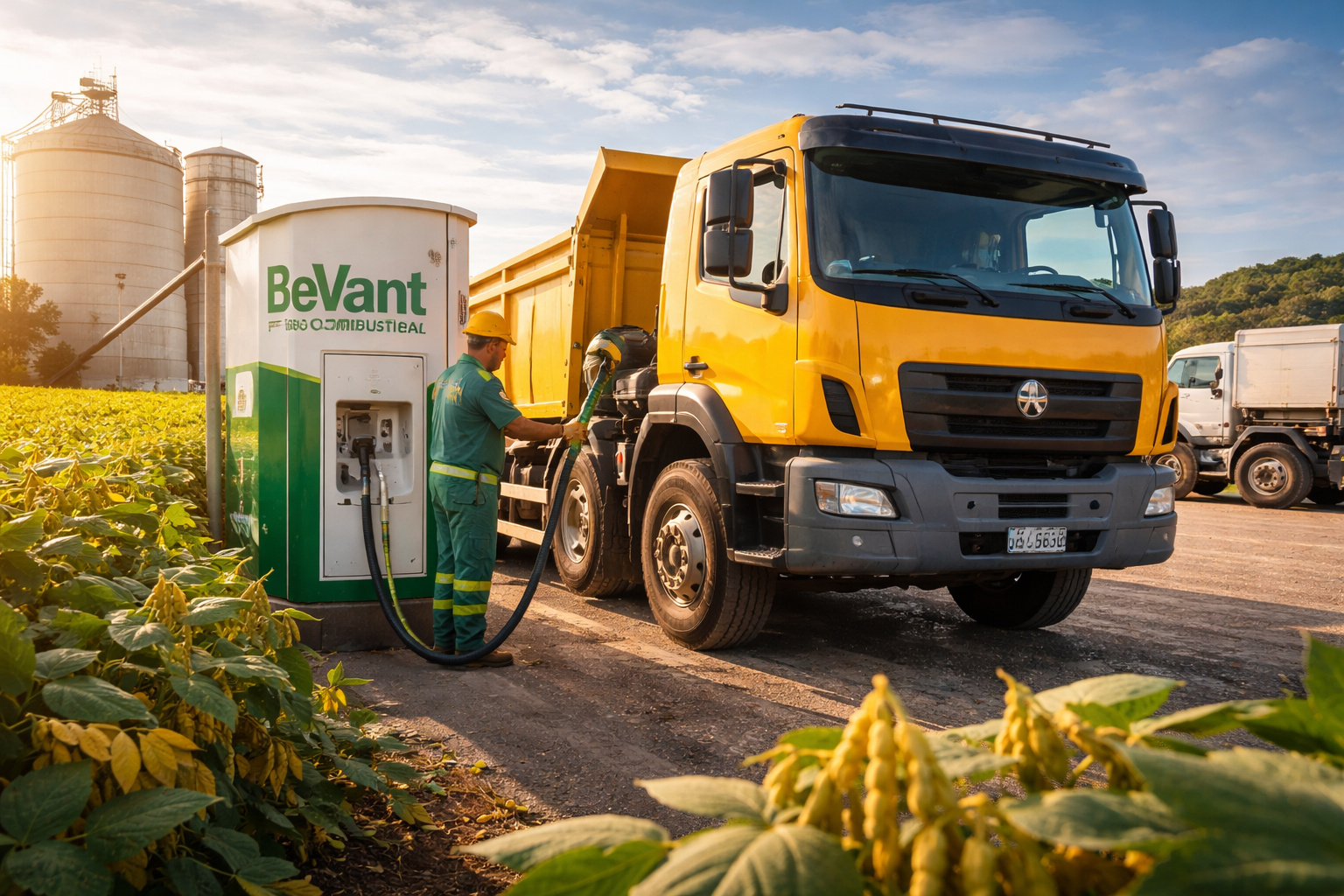
As diesel prices soar due to conflicts in the Middle East, a Brazilian city decides to test a little-known biofuel that promises to completely replace fossil fuel without adaptation and could change the future of energy in the country.
-
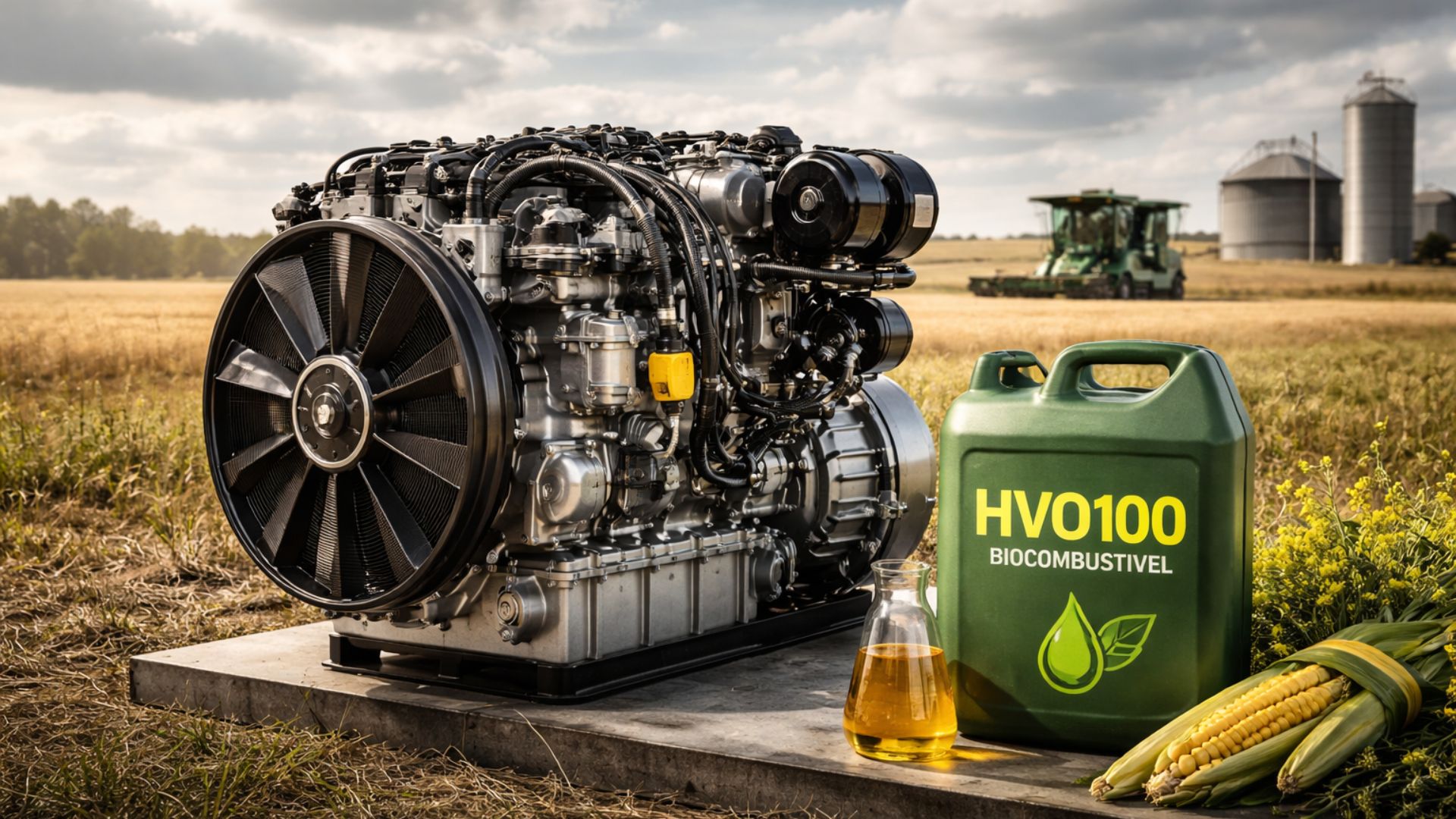
Innovation with biofuel engines transforms agribusiness by replacing diesel without the need for major adaptations, ensuring energy efficiency and helping to reduce dependence on oil.
-
Used Cooking Oil Transforms Into Kerosene: How 1 Million Tons of Used Fat Are at the Center of an Aviation Fuel Market That Could Attract Over $1 Trillion in Investments, Already Fuels Planes with Up to 80% Lower Emissions, and Triggered a Global Competition for This Waste

In addition to contributing to emission reductions, the use of this renewable fuel demonstrates how circular economy-based solutions can be incorporated on a large scale by the industry, connecting urban waste management to clean energy generation.
Biomethane as a Strategic Alternative for Braskem’s Energy Matrix
Biomethane is produced from the purification of biogas generated by the decomposition of organic waste. After the treatment process, the fuel has a composition similar to natural gas, allowing its use in industrial equipment without the need for significant modifications.
This characteristic makes biomethane a strategic alternative for companies seeking to reduce emissions without compromising energy efficiency or making large infrastructure adaptation investments.
According to Gustavo Checcucci, Director of Energy and Decarbonization at Braskem, the adoption of biomethane represents an important step to increase the use of renewable fuels in the petrochemical industry.
He stated that the fuel stands out for offering the same technical specifications as natural gas, allowing its use in industrial processes without the need for adjustments to existing assets. This compatibility facilitates the integration of biomethane into the company’s energy matrix.
The initiative reinforces the company’s strategy to invest in solutions capable of combining industrial competitiveness with emission reductions, a core pillar of the energy transition in the chemical sector.
The Triunfo Complex Takes on an Important Role in the Energy Transition of the Petrochemical Industry
The Triunfo Petrochemical Complex is one of Brazil’s most important industrial complexes and plays a central role in Braskem‘s operations. The introduction of biomethane in this industrial environment demonstrates how large production hubs can become protagonists in the energy transition.
Located in the metropolitan area of Porto Alegre, the complex brings together various companies from the chemical and petrochemical sectors and has a consolidated energy infrastructure. This scenario facilitates the implementation of projects focused on decarbonization and the use of renewable fuels.
By incorporating biomethane into its energy matrix, Braskem begins to use a fuel produced from urban waste. The project creates a link between waste management and industrial energy supply, strengthening circular economy practices.
This integration between different sectors of the economy is considered essential to increase the use of renewable energies and reduce emissions associated with industrial production.
Circular Economy Drives Biomethane Production from Waste
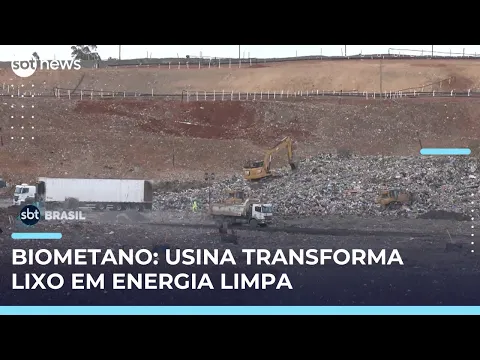
The biomethane used at Braskem‘s plant in Triunfo is generated at the landfill in Minas do Leão, in Rio Grande do Sul. The site receives urban waste that, as it decomposes, produces biogas rich in methane.
This biogas undergoes a purification process that removes impurities and concentrates the methane, transforming it into biomethane with quality similar to that of natural gas. This process allows for the conversion of waste that would normally be a source of greenhouse gas emissions into renewable fuel capable of powering industrial activities.
This model generates relevant environmental benefits. In addition to reducing emissions from landfills, it also replaces fossil fuels and increases the energy utilization of waste. By adopting this solution, Braskem helps strengthen the circular economy, a concept that seeks to reuse resources and reduce waste along production chains.
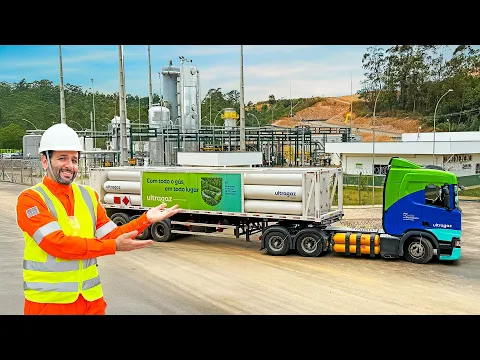

Ultragaz Enables Biomethane Distribution to the Industrial Plant
The logistics for distributing biomethane used by Braskem in Triunfo is handled by Ultragaz, responsible for transporting the renewable fuel from the Minas do Leão landfill to the petrochemical complex.
The supply structure allows for the delivery of up to 46,000 cubic meters of biomethane per day, a volume that helps to replace part of the natural gas used at the industrial unit.
According to Guilherme Darezzo, the company’s Vice President of Operations, the project represents an example of integration between logistical innovation and energy sustainability.
According to the executive, by transporting biomethane directly from the landfill to Braskem’s industrial process, it is possible to close a circular economy cycle that connects renewable energy generation and industrial consumption.
The initiative demonstrates how logistical solutions can play an important role in expanding the use of renewable fuels in Brazil, especially in energy-intensive industrial sectors.
Braskem’s Decarbonization Strategy Includes Expansion of Renewable Energies
The use of biomethane in Triunfo aligns with the pillars of Braskem’s Decarbonization Program, which sets goals to increase the use of electric energy and low-carbon fuels in the company’s energy matrix by 2030. Within this strategy, the company has sought to diversify its energy sources and gradually reduce dependence on fossil fuels in its industrial operations.
One of the measures adopted was the shift to the free natural gas market in several industrial units. This change occurred in plants located in the ABC region of São Paulo, Bahia, and Rio Grande do Sul. This movement allows for greater autonomy in energy contracting and creates conditions to expand the use of renewable fuels, such as biomethane.
The company is also investing in renewable energy self-production projects through equity participation in wind and solar plants. This strategy contributes to ensuring electricity supply with lower carbon intensity.
Energy Efficiency Projects Reinforce Braskem’s Energy Transition
In addition to using biomethane, Braskem has developed initiatives aimed at energy efficiency and modernization of its industrial systems. One example is the Vesta project, implemented at the company’s industrial complex in the ABC region of São Paulo. The initiative redesigned the thermoelectric system of the unit, replacing steam turbines with high-speed electric motors.
The project also included the installation of a co-generation plant powered by hydrogen-rich residual gas. This technology allows for better utilization of energy generated in industrial processes and reduces the consumption of additional fuels.
Another important initiative was the biomass project developed in Alagoas. This action involved large-scale electrification and the installation of new boilers powered by eucalyptus biomass from the region.
These projects demonstrate how the company has adopted multiple strategies to advance in the energy transition, combining energy efficiency, electrification, and the use of renewable fuels.
Advances in Triunfo Indicate Paths for Decarbonization of the Industry
The experience of Braskem in Triunfo shows that biomethane can play a relevant role in the energy transition of the Brazilian industry. By partially substituting natural gas with a renewable fuel produced from waste, the company reduces emissions and increases the use of sustainable energy sources in its matrix.
The project also demonstrates that decarbonization solutions can be implemented using existing infrastructure, which facilitates the adoption of new technologies in energy-intensive industrial sectors. Furthermore, the integration between waste management, biogas production, and industrial consumption creates opportunities to expand the use of biomethane in other regions of the country.
If similar initiatives are replicated in different industrial units, the impact on emission reductions could become even more significant in the coming years. In this context, projects like the one developed by Braskem in Triunfo indicate a concrete path for the petrochemical industry to consistently advance towards a more sustainable energy matrix aligned with global climate challenges.








Seja o primeiro a reagir!