





 English
  Francês
  Alemão
  Italiano
  Japonês
  Norueguês
  Portuguese
  Spanish
  4 min of reading



Gas-Powered Vehicle Market Grows in Brazil: Alternative Fuels Come to Save Consumer Wallets, Which Suffer from Constant Price Hikes in Gasoline and Diesel
The use of natural gas (CNG or Biomethane) as fuel in light and heavy vehicles is one of the solutions found as an alternative to gasoline and diesel in order to reduce pollution and also for those who want to ease the burden of constant rising fuel prices.
Also Read
- Oil prices could skyrocket to $150 per barrel and gasoline could become even more expensive if Russian crude oil exports are affected by tensions with Ukraine
- Arab Sovereign Fund Mubadala, of the Crown Prince of Abu Dhabi, which purchased the RLAM Refinery from Petrobras in Bahia, raises gasoline and diesel prices more than state-owned companies
- Gasoline and diesel prices could plummet and become up to R$ 3.00 cheaper if the Senate and Congress create a fund with profits obtained by the government from the rising dollar and oil prices to subsidize fuel adjustments
- Production at Toyota’s factory in SP is in full swing, will create 150 jobs, and export 45,600 2.0L engines to North America
In Rio de Janeiro, the use of CNG in passenger vehicles is common, being a solution based on the cost-benefit of the product and currently helping to combat GHG (greenhouse gases).
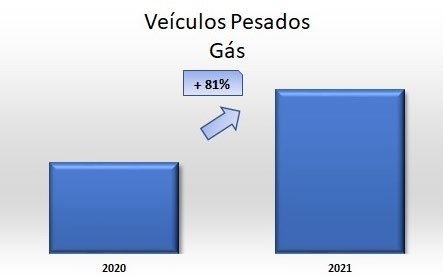
Through Environmental Governance (ESG), companies have been demanding an “environmentally correct” behavior from the market. With this in mind, as an alternative to diesel and gasoline, some trucks and agricultural machines powered by gas can be observed. This technology, which uses Otto cycle engines, allows the use of both CNG (fossil fuel, but less polluting) and Biomethane (gas obtained from the anaerobic fermentation of organic material). The graph below shows the evolution of heavy vehicles powered by gas in 2021.
-
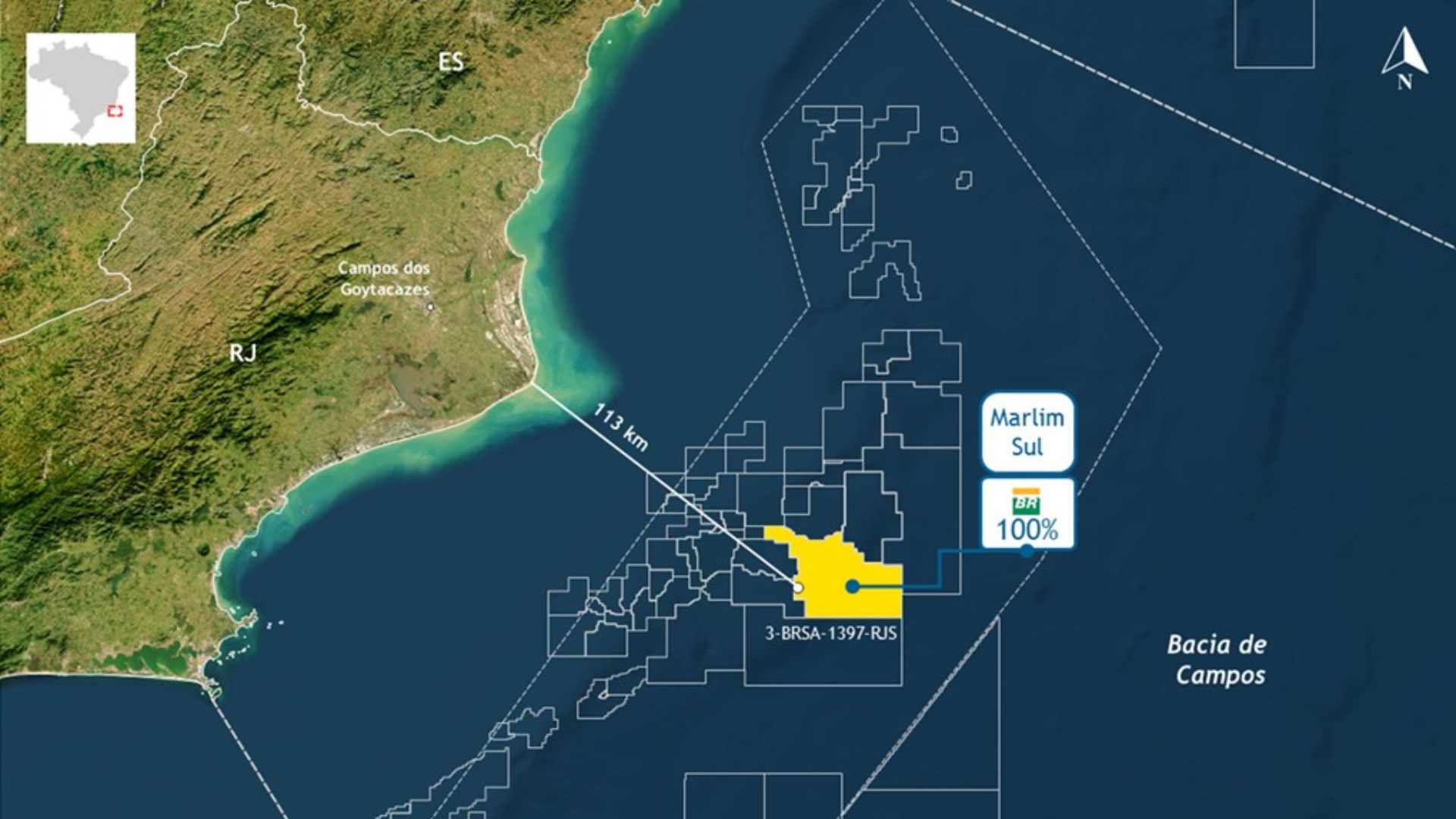
Petrobras finds high-quality oil in the pre-salt at 113 km from RJ and reignites expectations about strategic reserves in the Campos Basin.

-
Ocyan opens registrations for startups focused on innovation in the oil and gas sector and will select projects for Innovation Day with the support of Nexio.

-
Petrobras announces new oil discovery in the pre-salt of the Campos Basin and reinforces Brazil’s prominence with high-quality reserves that can increase production and energy revenues.
-
Alert in the fuel market: Analysts and a former director of ANP warn that oil prices may worsen in the coming months due to global instability.


Companies That Chose This Market Niche Are Betting That:
- Gas will be a transitional element until electrification;
- The substitution of CNG by Biomethane in specific locations could be a niche market for, for example, sugarcane mills that use sugarcane bagasse and vinasse for Biomethane production, and then fuel their fleets;
- Anticipating the process of reducing pollutant emissions by associating with “Green” Companies that care about the environment.
It is worth noting that the heavy vehicles we see operating with this technology have already been developed in Europe and meet the EURO VI standard (which will come into effect in Brazil in 2023). According to experts, vehicles with factory-installed gas engine technology are 100% reliable concerning emission regulations. However, vehicles that are modified must have their adaptations made by specialized companies to ensure that the modifications comply with emission standards.
To Foster the Use of This Fuel in Brazil, Some Actions Are Necessary, Among Which We Highlight the Two That Generate the Most Debate:
- Infrastructure for gas pipelines,
- Tax incentives for gas prices.
The potential of Biomethane in Brazil is very large and still little explored, but the mapping of possibilities has already been raised by sector associations.
Today, the country wastes 100 million m³ of renewable methane per day, which corresponds to 35% of the electricity consumed in Brazil and 70% of diesel. The sugar-energy sector accounts for 50% of the biogas potential, which reaches 57.6 million m³/day (source: Abiogás).
Carcon Automotive closely monitors the evolution of alternative fuels and offers a range of studies for those interested in entering this market.
Oil Prices Could Skyrocket to $150 Per Barrel and Gasoline Could Become Even More Expensive If Russian Crude Oil Exports Are Affected by Tensions with Ukraine
According to projections from JPMorgan, oil prices could skyrocket to $150 per barrel if Russian crude oil exports are affected by tensions with Ukraine. An energy expert also asserts that if a war were to break out between Russia and Ukraine, the prices of gas and oil would soar. The price of oil would exceed $100 and, in the United States, the price of gasoline could reach $4 per gallon.
JPMorgan emphasizes how a potential invasion of Ukraine would cause widespread ripple effects that would be felt by consumers weary of inflation around the world. “Any disruptions in Russian oil flows, in a context of low unused capacity in other regions, could easily send oil prices to $120,” wrote Natasha Kaneva, head of JPMorgan’s global commodities strategy, in a report published at the end of last Tuesday.
A peak of $91 in the price of oil, which reached a new seven-year high last Wednesday, would further increase prices at the pump.
JPMorgan warned that if Russian oil exports are cut in half, Brent oil prices could likely soar to $150 per barrel. The all-time high for oil prices was set in July 2008, when Brent rose to a record $147.50 per barrel. Read the full article HERE.










Seja o primeiro a reagir!