





 Portuguese
  English
  Spanish
  3 min of reading
  0 comments


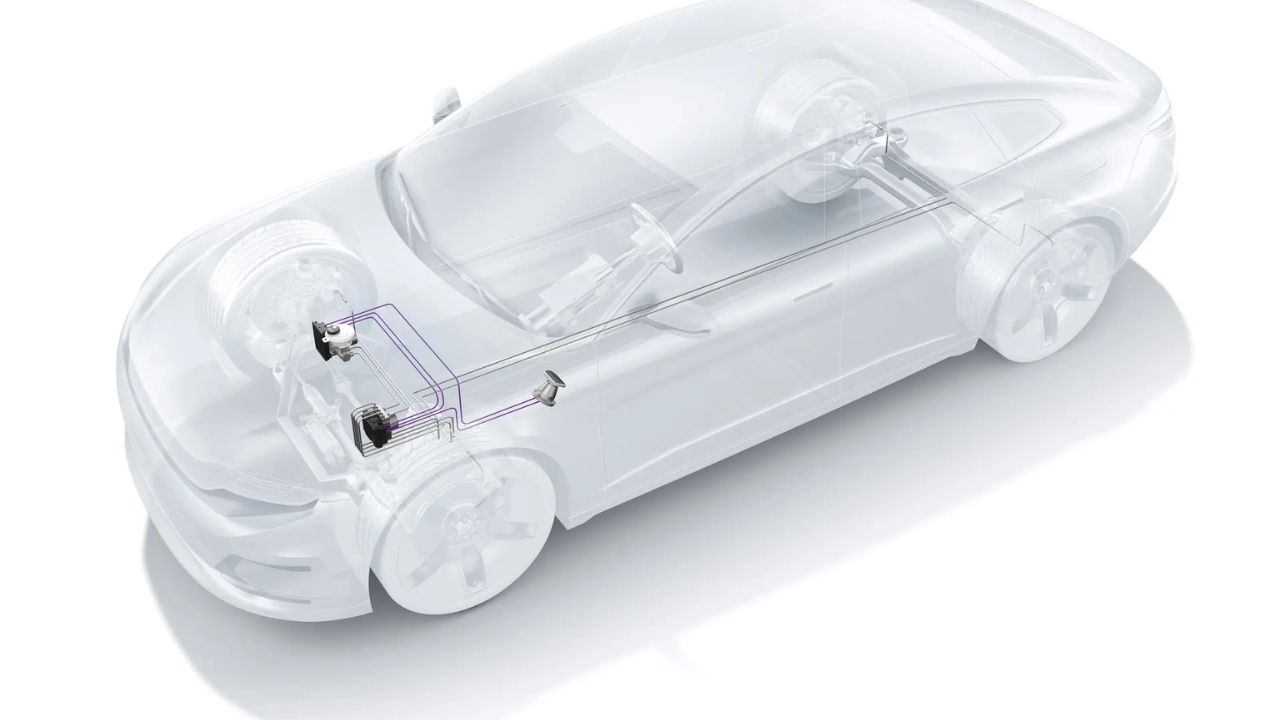
Bosch Tests Wire Brake System on a Journey of 3,300 km to the Arctic Circle and Anticipates 5.5 Million Equipped Vehicles by 2030! The Technology Eliminates Hydraulic Components, Reduces Weight, and Promises Faster and Safer Braking. Bosch’s Wire Could Be the Next Major Leap in Automotive Technology
Bosch is about to change the automotive industry game with its latest innovation: the wire brake system. Recently tested on public roads, this system promises to revolutionize how vehicles brake, completely eliminating the mechanical connection between the pedal and the brakes. But is this technology really ready to take a prominent role in modern cars? Let’s explore how this innovation works and its potential impacts.
What Is Bosch’s Wire Brake System?
The brake-by-wire, or wire brake, is a concept that replaces the traditional hydraulic connection between the pedal and the brakes with an electronic system. Instead of activating a master cylinder and pushing fluid to the brake calipers, the driver simply sends an electrical signal to a remote actuator that then applies the pads against the brake disc.
As a result, there is no longer a need for hoses, reservoirs, and hydraulic cylinders, leading to a lighter and more compact system. The technology allows for quicker and more efficient responses, ensuring precise and reliable braking.
-
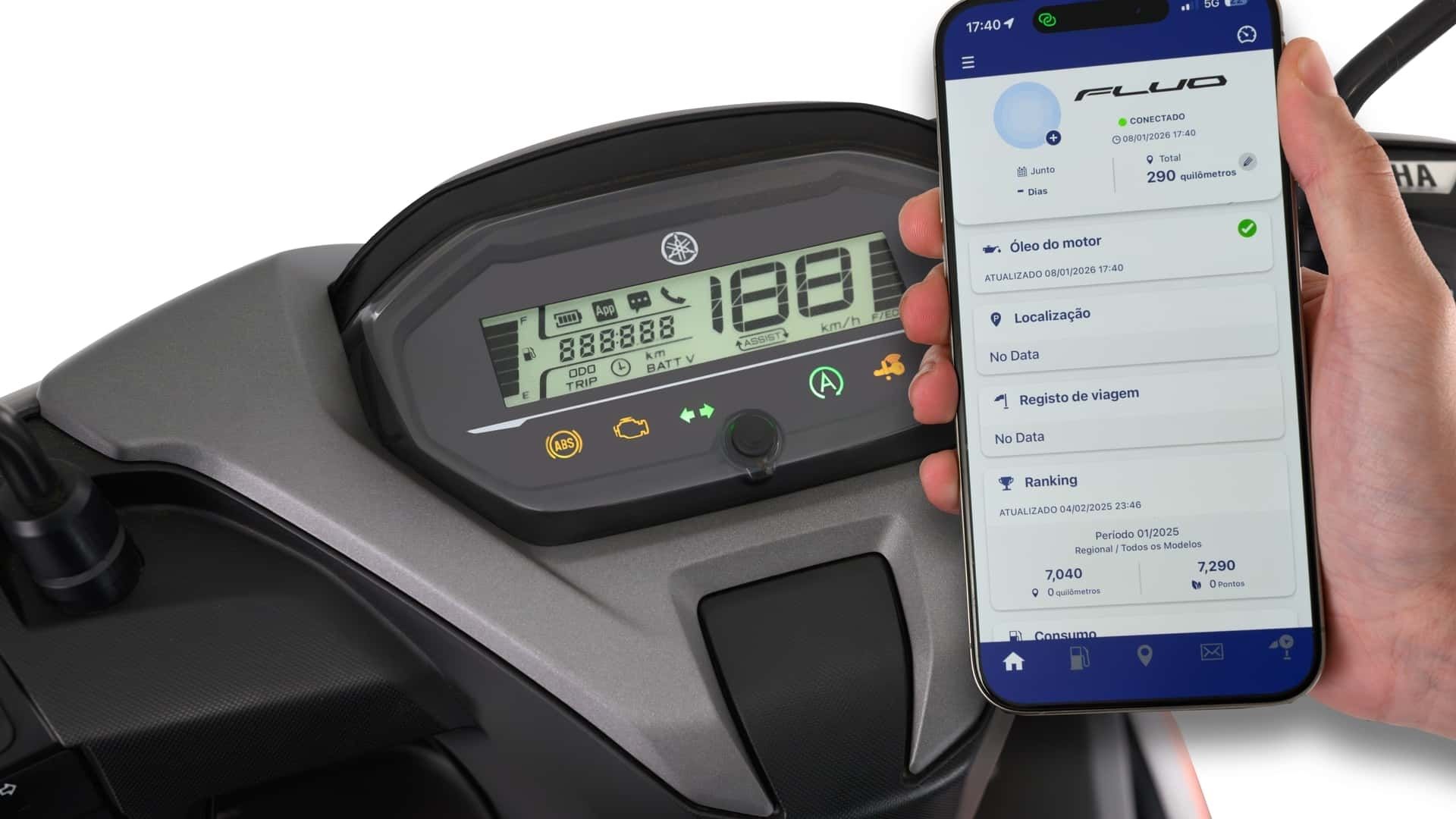
Costing R$ 16,000, the new Yamaha features a 125 cc hybrid engine with electric assistance, delivers 8.3 hp, includes ABS, optimized fuel consumption, Y-Connect connectivity, 25 liters of storage space, and a surprising 4-year warranty in the urban segment.
-
OMODA & JAECOO grows in Europe in 2026 with an integrated strategy of sales, innovation, local production, and technological advancement in the United Kingdom, Italy, and Spain.
-
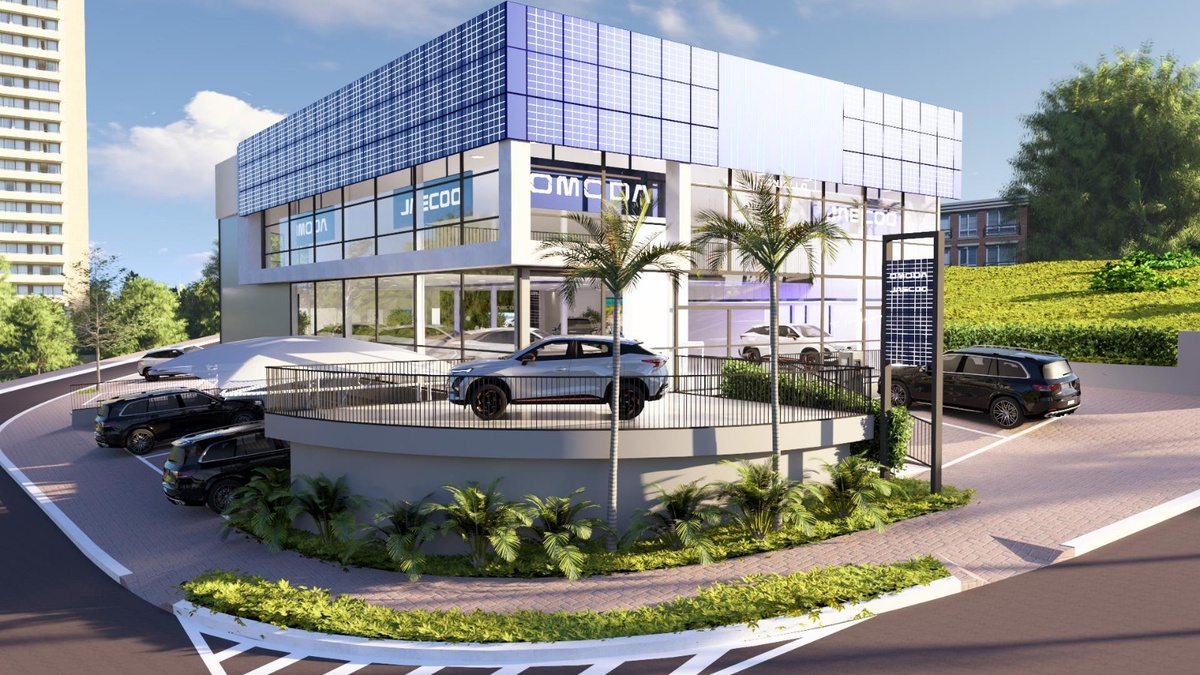
OMODA & JAECOO expands after-sales service in Brazil with competitive maintenance, a 7-year warranty, and high availability of parts for technological SUVs.
-
OMODA & JAECOO appoints Alessandra Souza as executive marketing director in Brazil and accelerates brand expansion with a focus on innovation, networking, and hybrid portfolio.


Bosch’s Tests and Implementation in the Nissan Ariya

To prove the effectiveness of the wire brake, Bosch took the system to an extreme test. A development team traveled more than 3,300 km to the Arctic Circle aboard a Nissan Ariya, facing different weather conditions to assess the technology’s performance.
This trip was crucial for verifying the system’s strength and reliability in extreme temperatures and varied terrain. The result? The system demonstrated excellent performance, reinforcing its viability for the automotive market.
Main Advantages of the Wire Brake System
The adoption of Bosch’s wire brake can bring a range of benefits for both manufacturers and drivers. Among the main advantages, we can highlight:
1. Weight Reduction and Increased Efficiency for Electric Vehicles
Electric cars rely on a lightweight design to increase their range. As the wire brake eliminates heavy hydraulic components, vehicles can become more efficient and consume less energy.
2. Flexibility in Automotive Design
With the elimination of mechanical connections, manufacturers gain more freedom to position brake actuators in strategic locations. This facilitates the production of models with right- or left-hand drive, as well as making room for innovative designs in the interior of cars.
3. Greater Safety and Electronic Redundancy
Bosch’s system uses two independent actuators: a by-wire actuator and an ESP (Electronic Stability Program). This redundancy allows for brake pressure to be adjusted on all wheels, increasing safety even in case of failure.
Challenges and Limitations of the Wire Brake
Despite the advantages, the technology still faces some challenges. One of the main issues is the reliability of the electronic system. Since braking depends on electrical signals, failures can compromise safety. To prevent this, Bosch has incorporated redundancies, but public acceptance may still be an obstacle.
The idea of applying the wire brake to motorcycles was also discussed, but it presents complications. Unlike cars, bikes require an extremely reliable system, as any failure can be fatal for the rider. Therefore, there is still no forecast for this technology to be adopted in two-wheeled vehicles.
When Will This Technology Hit the Market?
Bosch has already received orders from manufacturers interested in the system and estimates that by 2030, more than 5.5 million vehicles will be equipped with wire brakes. The expectation is that the technology will be available for sale later this year, bringing a new standard of efficiency and safety to the automotive industry.








-

Uma pessoa reagiu a isso.