





 Portuguese
  English
  Spanish
  8 min of reading
  0 comments


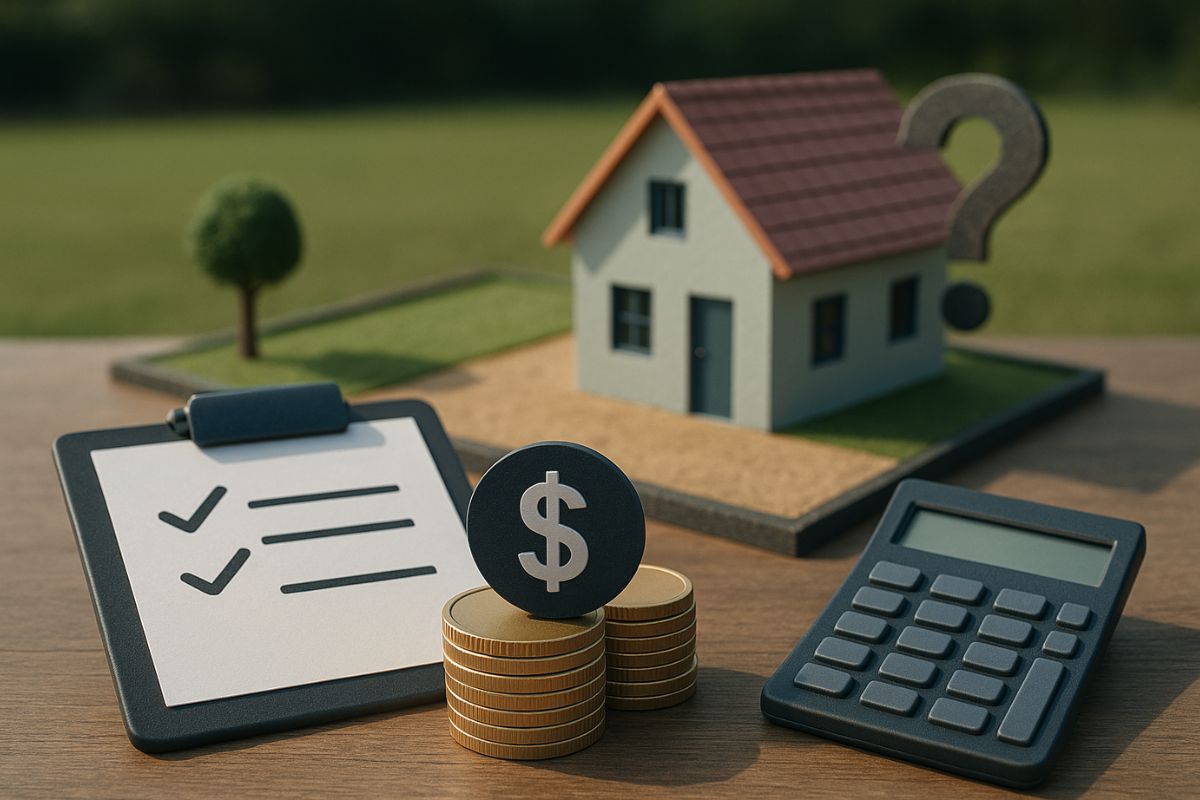
Complete Analysis of Financing Land and Construction: Advantages, Disadvantages, Costs, Documents, and Tips to Execute Your Project Securely.
Financing the land and construction of your own home can be the realization of a dream for many people. However, this decision involves careful planning, cost analysis, and risk assessment that can significantly impact your budget and the success of the venture.
Throughout this article, you will discover whether it is worth it to finance land and construction, what the main advantages and challenges of this modality are, and learn strategies to obtain the best financing conditions and execute your project securely.
Is It Worth Financing Land and Construction?
Financing land and construction allows you to acquire a plot of land and, later on, build the house exactly as you envisioned. This modality allows you to spread the investment over time: first, you buy the land, and then you start the work according to the planned project.
-
A megaproject worth R$ 89 billion is advancing in Iraq and promises to change the game in global trade by creating a new corridor between Asia and Europe, reducing traditional routes and repositioning the country as a logistics powerhouse.

-
Goodbye bedside table: floating shelves become a trend in 2026 by freeing up space in the bedroom, improving circulation, bringing visual lightness, and integrating technology without taking up floor space.

-
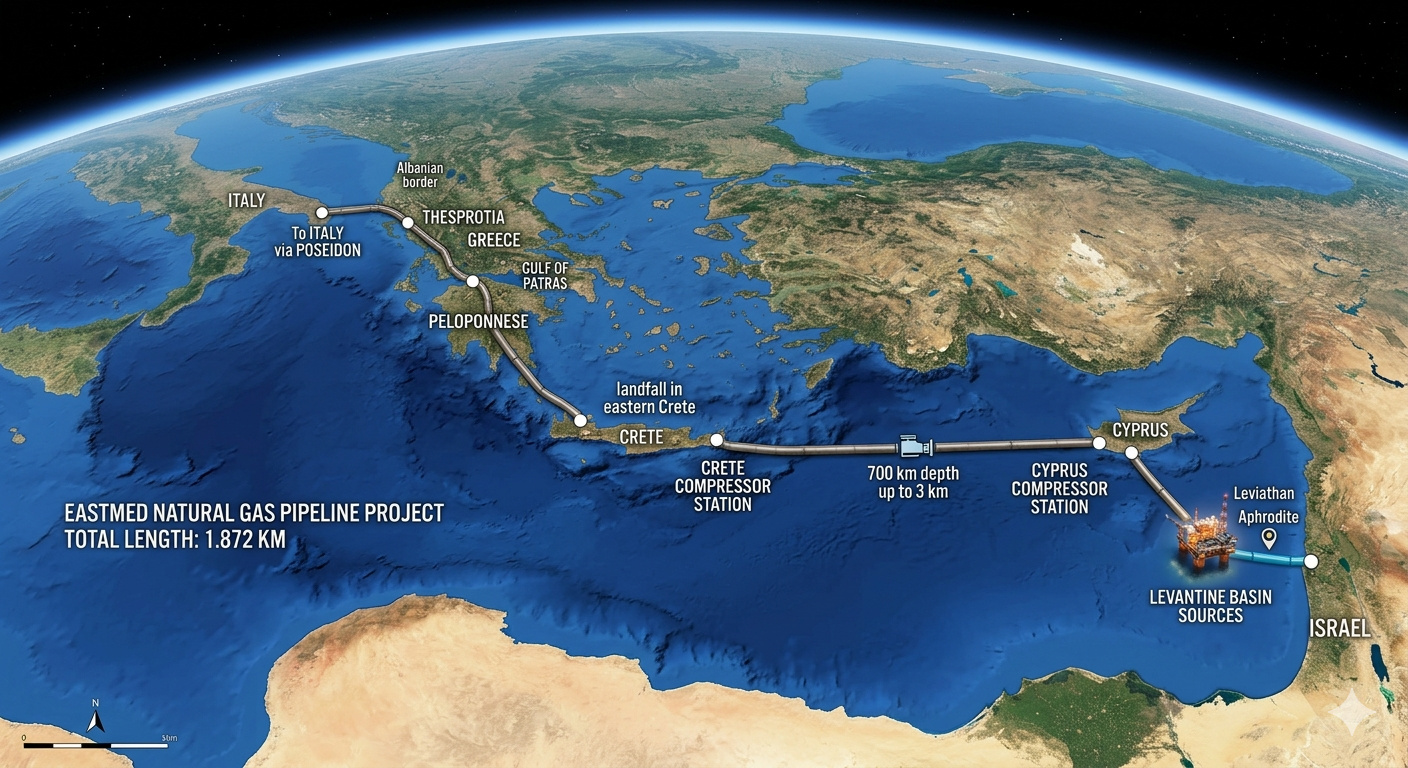
Israel, Greece, and Cyprus signed an agreement in 2020 to transport gas from the Mediterranean to Europe via a 1,872 km pipeline, but Turkey claimed sovereignty over part of the maritime route, and the project never materialized.
-
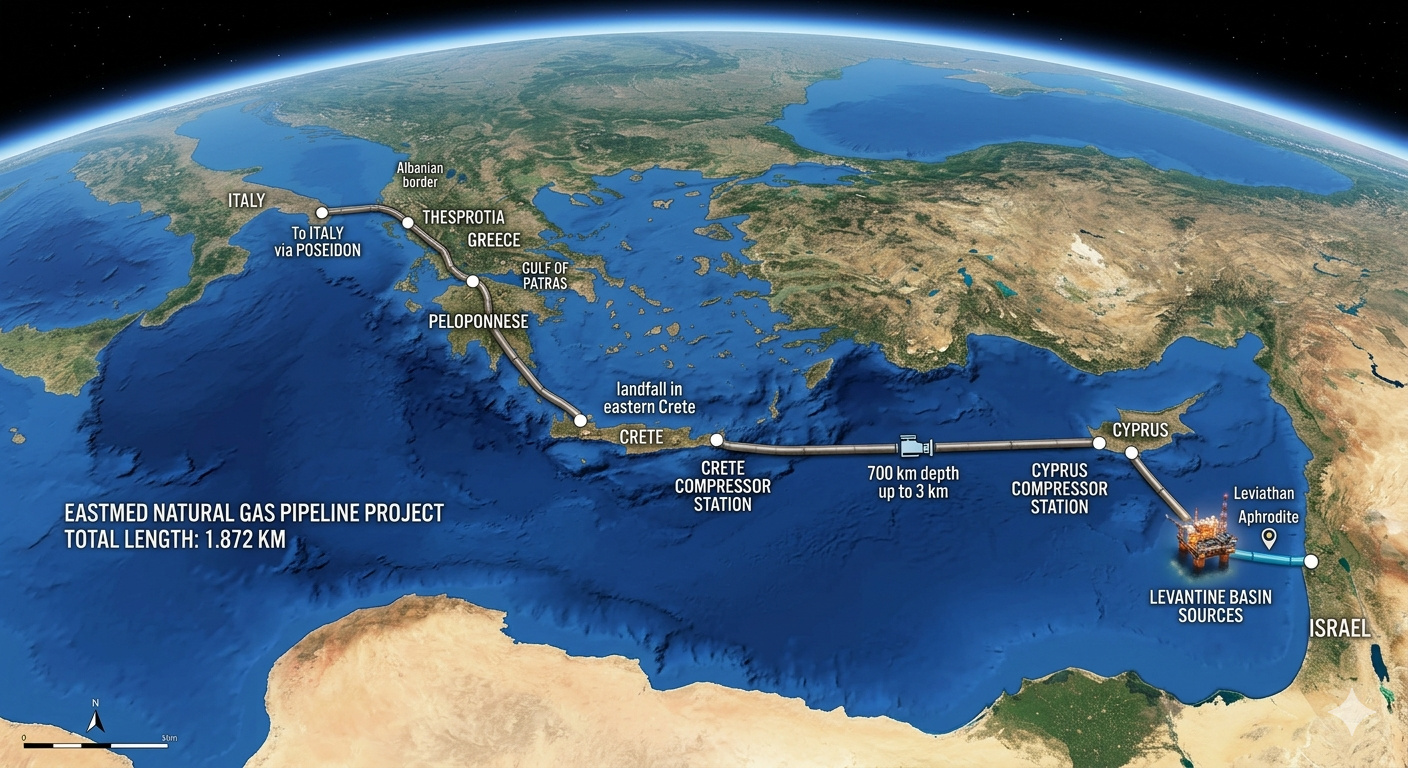
Israel, Greece, and Cyprus signed an agreement in 2020 to transport gas from the Mediterranean to Europe via a 1,872 km pipeline, but Turkey claimed sovereignty over part of the maritime route, and the project never materialized.

A financing for construction on owned land can offer advantageous conditions, providing the flexibility to customize every detail of your future home.
Naturally, it is important to consider interest rates, deadlines, and the bureaucracy involved, which can impact the final cost of the project. It is also essential to analyze the financial viability and the legal security of the contract, understanding that part of the payments is allocated to interest, especially in the first few months.
This way, if the goal is to build the home of your dreams with the freedom of choice, this alternative can be quite interesting, as long as the risks and costs are carefully managed.
Advantages and Disadvantages of Financing

To make a conscious decision, it is important to know the advantages and disadvantages of financing land and construction. Below, we present the main aspects to be considered.
Advantages of Financing
The customization of the property is one of the greatest advantages of this type of financing. By building your own house, you have the freedom to choose the project, materials, and finishes, ensuring that the final result meets your expectations exactly. This flexibility is ideal for those who want a home that reflects their style and needs.
Another significant advantage is the installment payment of the investment. Spreading the costs over several years makes the dream of owning a home more accessible, avoiding the need to pay a large sum at once.
In addition, this modality allows you to adjust the construction schedule according to your financial availability, carrying out the construction in stages and keeping control over expenses.
The appreciation of the property is also a positive point to highlight. A well-planned project and executed can result in a property that appreciates over time, turning financing into an investment with potential future returns.
This perspective is especially interesting for those who consider their own home not just as a living space, but also as a financial asset.
Disadvantages of Financing
However, there are disadvantages that need to be evaluated. Interest rates can be high and represent a significant additional cost over time.
This factor is especially critical in long-term financing, where the charges can substantially increase the final debt amount.
Bureaucracy and approval timelines for financing can also be a hurdle. Administrative processes and the need to meet various documentary requirements can be time-consuming and generate stress, especially if unforeseen events occur during the execution of the work.
Another challenge is the risk of delays in construction. Problems with suppliers, labor, or technical issues can compromise the timeline and increase costs. These risks require strict management and the availability to face potential setbacks without compromising the project’s viability.
Financial Aspects and Necessary Documentation
Before closing the financing, it is essential to conduct a detailed analysis of the costs involved and organize all necessary documentation. This step is crucial to avoid surprises and ensure the legal security of the venture.
Analysis of the Costs Involved
The price of the land is the first factor to be considered. It is important to evaluate the location, regional infrastructure, and the potential appreciation of the property. In addition to the value of the land, you should also consider the costs related to the architectural project, approval from the competent authorities, and the necessary licenses for construction.
The costs of the work include expenses with materials, labor, and equipment. It is essential to have a detailed budget to avoid surprises in the middle of the process. Another important aspect is to consider the administrative fees and charges that will be added to the financing, such as insurance and taxes, which can impact the final amount to be paid.
Essential Documentation for Financing
Having the documentation in order is essential for the financing process to proceed smoothly. You need to gather documents that prove ownership and the regularity of the land. Essential documents include the deed and the property registration, as well as negative certificates of debts that attest to compliance with the relevant authorities.
Regarding construction, the approval of the architectural project by municipal authorities is an indispensable requirement.
You must also present a detailed budget for the work and contracts with builders or engineering firms. Documentation regularity not only speeds up the credit release process but also offers legal security and avoids future conflicts.
Strategies to Obtain Better Financing Conditions
Searching for the best financing conditions is a fundamental step to reducing costs and ensuring that the investment is viable. Learn about the main strategies to optimize this process.
Research and Comparison of Offers
Before closing any contract, it is advisable to research and compare the conditions offered by different financial institutions. Check the interest rates, payment terms, and amortization conditions of the contracts. This research allows you to identify the option that best fits your profile and needs, ensuring financing with more advantageous conditions.
Negotiation with the Financial Institution
Negotiation is a powerful tool to improve the conditions of your financing. Contact banks and discuss the possibility of reducing interest rates or obtaining grace periods for the start of installment payments.
Speaking directly with financial consultants can reveal alternatives that were not initially clear and adjust the terms of the contract favorably for both parties.
Use of Online Simulators
Simulation tools are useful for understanding how different conditions impact the final amount of financing. By entering the parameters of your project, such as land value, construction cost, interest rate, and payment term, you can visualize the payment schedule and the distribution of charges.
These simulators help plan the budget and make a more informed decision, allowing you to compare offers and choose the best alternative.
Comparison with Other Financing Modalities
To understand whether it is worth financing land and construction, it is important to compare this modality with other alternatives available in the market. Each option has its peculiarities and may better serve different profiles of investors.
Financing for Ready Properties
Opting for financing a ready property eliminates the need to manage a construction project and reduces the bureaucracy related to construction. However, this choice may limit the customization of the property and, in some cases, result in a more expensive investment, since ready properties usually have high market values due to their location and state of conservation.
Use of Own Resources
Using personal resources to acquire the land and finance the construction can be an alternative to avoid the costs of interest and bank charges. However, this option requires that you have a substantial financial reserve, which can compromise liquidity for other investments or emergencies. The use of personal resources can be advantageous in reducing the total cost of the project, but it is not always feasible for all profiles.
Hybrid Financing
Hybrid financing is a modality that combines different lines of credit to offer more flexible conditions. This option may allow you to start construction with some of the resources and finance the remainder in a way that better fits your budget. Choosing this alternative can result in shorter repayment periods or reduced financial burdens, making the investment more attractive.
Planning and Execution of the Construction Project
A detailed plan and well-coordinated execution are essential for the project to develop without unforeseen events and within the expected budget. At this stage, the focus is on transforming the project into reality, monitoring each phase of the work.
Development of the Architectural Project
Creating an appropriate architectural project is the first step in turning your vision into a concrete home. A good project should consider efficient space distribution, solar orientation, and the specific needs of the family. Choosing an experienced architect can ensure that the project is viable both aesthetically and functionally, meeting the requirements of regulatory bodies and optimizing construction costs.
Timeline for Construction Execution
Establishing a realistic timeline is fundamental to avoid delays and additional expenses. Each stage of the construction, from the foundation to the finishes, needs to be planned with defined deadlines, considering the availability of resources and the possibility of unforeseen events.
Strictly monitoring the timeline allows for quick adjustments, ensuring that the work follows the plan and avoiding surprises that could compromise the project.
Cost Management and Budget
Maintaining detailed financial control is crucial throughout the construction. Cost management involves negotiating with suppliers, hiring qualified professionals, and reserving a margin for unforeseen events.
Periodic reviews of the budget and adopting cost-saving practices can help keep financing within the expected parameters, avoiding unpleasant surprises at the end of the work.
Legal Aspects and Involved Risks
In addition to financial challenges and planning, it is essential to consider the legal aspects involved in financing land and construction. Documentation regularity and compliance with legal requirements ensure that the venture occurs safely and without future setbacks.
Documentation Regularity
Verifying the documentation of the land and construction projects is a fundamental step to avoid legal problems. It is necessary to ensure that the land has a deed, registration, and negative certificates of debts. Similarly, documents related to the architectural project, construction permits, and contracts with builders must be in perfect order for financing to be approved without obstacles.
Contracts and Specific Clauses
The contracts signed with financial institutions and construction companies must be carefully analyzed. Clauses addressing penalties, sanctions, and conditions for resource release need to be well understood before signing any document.
Legal assistance can help identify critical points and suggest adjustments that protect the investor’s interests.
Risks of the Real Estate Market
The real estate market is subject to fluctuations that can affect both the value of the land and the construction costs. It is important to keep track of trends and, when necessary, adjust the project to minimize risks. Consulting industry experts can be an effective strategy to stay informed and make informed decisions.
Is Financing Land and Construction Still Worth It?
Deciding whether it is worth financing land and construction depends on a careful analysis of various factors. By understanding the advantages, such as property customization, installment payments, and appreciation potential, you can take advantage of the opportunities that this modality offers.
On the other hand, it is essential to be aware of the challenges, such as high interest rates, bureaucracy, and the risks of construction delays, which can significantly impact the final cost of the project.
The organization of financial aspects, strict management of costs, and detailed verification of documentation are essential steps to ensure that financing is advantageous and secure. Additionally, comparing it with other modalities, such as financing for ready properties or using personal resources, allows for a broader and more informed evaluation of the best strategy for your profile.










Seja o primeiro a reagir!