





 Português
  Inglês
  Espanhol
  3 min de leitura
  0 comentários


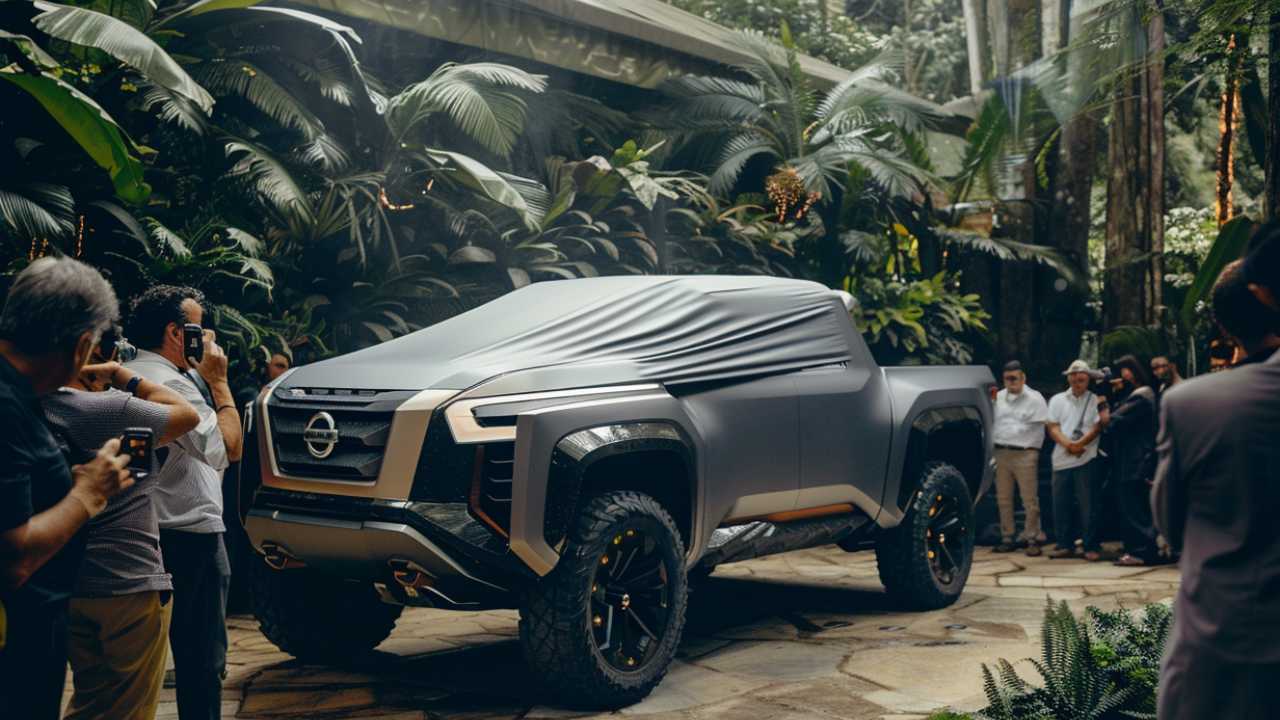
Nissan, In Close Collaboration With Renault, Announced Its Planning For A New Compact Pickup Truck Designed To Outperform The Popular Toro With Significant Advances In Sophistication And Mechanical Technology. The Model, Which Will Be Produced In Argentina, Is Expected To Hit The Market By The End Of 2025, Promising A Powerful Combination Of Performance And Efficiency.
As Mercosur prepares for a significant innovation in the automotive sector, Nissan and Renault are finalizing details for the introduction of two new compact pickups, which promise to compete in the same segment as leaders like Fiat Toro and Ford Maverick. With the announcement of Nissan’s new fiscal year for 2024 during the “Kick Off FY24” event in Argentina, expectations are rising regarding the investments the two giants will make to set up production.
This move includes adapting assembly lines, estimating new jobs, and defining launch dates. In addition to the new pickup, which follows the Niagara prototype, Nissan also plans to expand its lineup with an entirely new crossover to be produced in Resende, Rio de Janeiro. These developments signal a promising and dynamic future for the automotive industry in the economic bloc.
What Will Be The Engine Of Nissan And Renault’s New Pickup?
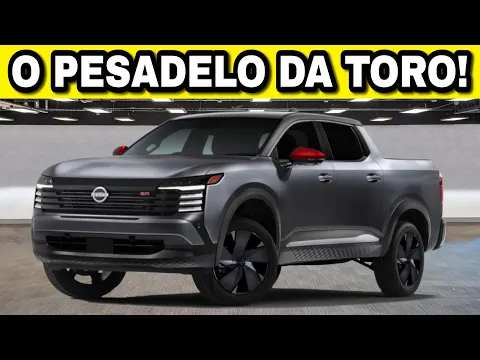

The future pickups from Renault and Nissan are still under study when it comes to the engine, but we already have an idea of what might come. The Renault pickup, for example, is expected to be hybrid, using a 1.3 turbo engine already used in the Duster and Oroch. This engine would be combined with electric motors, including one at the rear of the vehicle to provide all-wheel drive. Additionally, there are plans to start producing this engine here in Brazil, according to the Quatro Rodas portal.
-
OMODA & JAECOO grows in Europe in 2026 with an integrated strategy of sales, innovation, local production, and technological advancement in the United Kingdom, Italy, and Spain.
-
OMODA & JAECOO expands after-sales service in Brazil with competitive maintenance, a 7-year warranty, and high availability of parts for technological SUVs.
-
OMODA & JAECOO appoints Alessandra Souza as executive marketing director in Brazil and accelerates brand expansion with a focus on innovation, networking, and hybrid portfolio.

-
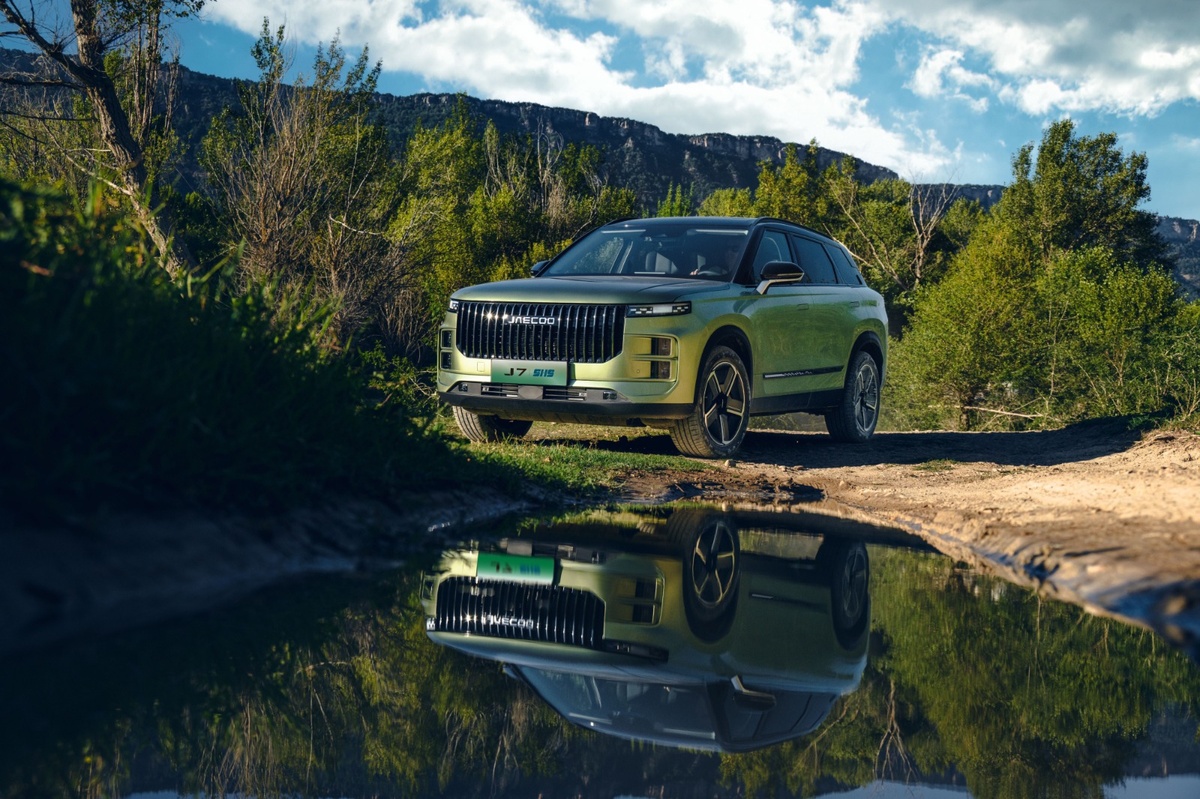
Jaecoo 7 with super hybrid SHS system exceeds 1,200 km of combined range with a 1.5 turbo engine, high-density battery, and intelligent energy management.

Nissan, on the other hand, is considering something a bit different. They may use the e-Power system, which allows the pickup to be powered by electricity but the energy is generated by a combustion engine. This system is a novelty compared to what other brands are doing, showing that Nissan wants to innovate and bring something new to the market.
Understanding The Platform Of The New Pickups
The new pickup being developed will use a monocoque structure, which is a single, robust structure. The chosen platform may be the RGMP from the Renault Group, which is a version of the CMF-B platform. This same base is already used in the new Renault Kardian. The advantage of this platform is that it allows for a wheelbase of approximately 2.95 meters. This means the pickup can offer plenty of interior space, which is great for those needing comfort and cargo capacity.
In terms of safety, the vehicle is equipped with cutting-edge technologies, including collision alerts with emergency autonomous braking, lane-keeping assistance, and adaptive cruise control with stop-and-go function.
The new pickups from Nissan and Renault not only set a new benchmark for compact pickups but also reaffirm the strategic partnership between Nissan and Renault, with the latter preparing its own version, the Niagara, which also promises to shake up the segment.
Is It Worth Trying To Outperform Toro In Sales In Brazil?
Trying to surpass Fiat Toro sales in Brazil with the new pickups from Nissan and Renault might be a good idea. They will bring hybrid engines and other advanced technologies, attracting those looking for fuel efficiency and caring for the environment.
Typically, they promise to be spacious and comfortable due to the new platform they will use, which is great for families and for those using the vehicle for work. With production taking place in Argentina, the price can be competitive, which helps significantly. Nissan and Renault are already well-regarded here, and this can also assist in selling these new pickups. If all of this comes with a good price and quality, they have a chance of being successful and even outselling the Toro.









Seja o primeiro a reagir!