





 English
  Francês
  Alemão
  Italiano
  Japonês
  Norueguês
  Portuguese
  Spanish
  3 min of reading
  0 comments


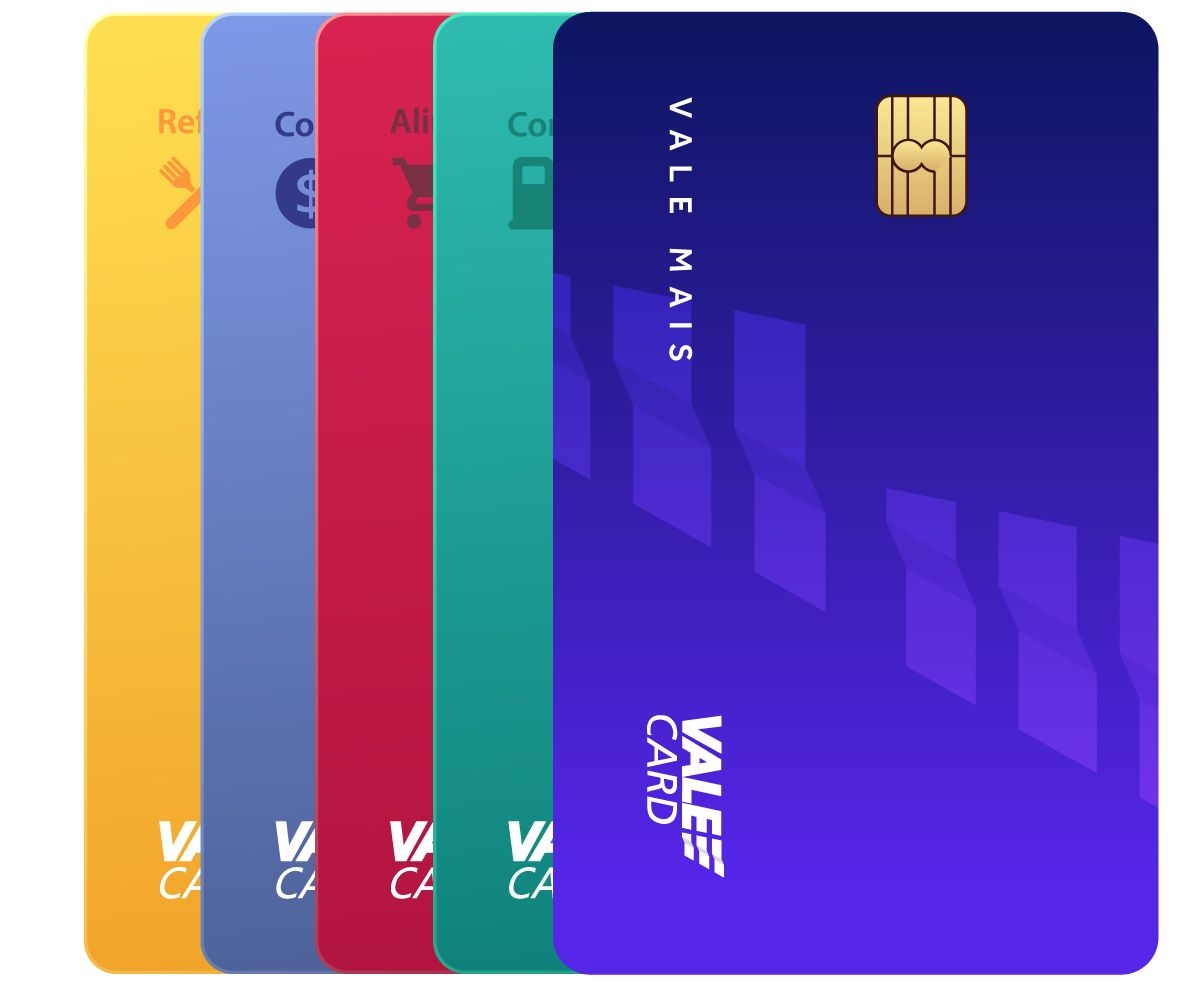
Company Turns Regulatory Reviews Into Growth Strategy With Management, New Products, And Artificial Intelligence
Firstly, the corporate benefits and fleet management market has undergone structural changes in recent years.
Above all, revisions to the Worker’s Food Program (PAT), in addition to price differentiation through payment and fee limitations, have made the sector more technical and competitive.
As the Ministry of Labor and Employment highlighted in 2024, the PAT underwent relevant updates.
-
Technology, Data, and Logistics Drive Competitiveness in the Oil and Gas Sector in 2026 with Operational Efficiency, Digitalization, and Smart Management

-
GoodWe Launches SEMS+ and Solidifies Digital Energy Management with Intelligent Monitoring, Artificial Intelligence, and Data Analysis in the Brazilian Electric Sector

-
Digital Transformation in Industry by 2026: Prescriptive Maintenance, Massified IoT, Integrated Asset Management 4.0, and All-in-One Solutions Accelerate Operational Efficiency

-
Nomus Start Industrial Expands Access to Industrial ERP for Companies under Simples Nacional with Free Implementation, Low Operating Costs, and Video Training

Additionally, new rules impacted margins and required strategic adaptation.
In light of this scenario, ValeCard decided to act in a structured manner throughout 2025.
Internal Reorganization And Commercial Consolidation Initially, the company reviewed critical flows and strengthened key areas.
At the same time, it stabilized the sales team and reduced turnover.
Then, goals were recalibrated, and the leadership got closer to the sales team.
Moreover, three commercial channels were consolidated: inside sales, field, and representatives.
According to Alan Ávila, CEO of ValeCard, 2025 was a year of conscious decisions.
Still, Diego Rodrigues, CSO, stated that the priority was to “get the house in order” before accelerating.
As a result, the company gained predictability and scale.
Expanded Portfolio And Strategic Integration
Meanwhile, ValeCard integrated mobility, corporate benefits, and acquiring.
This way, it expanded its positioning in a more regulated sector.
As Rodrigues stated, the strategy reinforces competitiveness where the company can lead.
Therefore, the company began to meet specific demands as well as complex operations.
Zero Premium And Diesel Negotiation Desk
In this context, the Zero Premium Product emerged.
In other words, ValeCard approved a network of gas stations that guarantees pump price without surcharges.
Additionally, it created reimbursement mechanisms for incorrect charges.
According to the company, the goal is to neutralize the differential applied to the fuel card.
Thus, operational predictability was preserved.
In parallel, the Diesel Negotiation Desk was created.
This way, negotiations became centralized.
Consequently, clients access more competitive prices with greater transparency.
New Products And International Expansion
Furthermore, in 2025, the Flexible Card, the Business Product, and new partnerships were launched.
Among them, management of fines and transportation vouchers stand out.
Subsequently, the ValeCard International Card was launched.
According to Rodrigues, the product serves transporters operating outside Brazil.
Therefore, it integrates fuel control and international expenses.
Artificial Intelligence At The Center Of The Strategy
In the technological axis, the company created a structure dedicated to artificial intelligence.
According to Alan Ávila, the decision was strategic.
In 2025, the company invested over R$ 50 million in technology.
Of that total, about half was directed to AI.
Currently, approximately 30% of the technology team works on these initiatives.
Among the applications, highlights include receivables anticipation, tender document reading, and financial analyses.
Indeed, the first anticipation fully executed by AI took place in 2025.
Focus On The Human Factor And Validated Growth
Despite technological advancements, the company emphasized Customer Success and premium service.
As Rodrigues stated, technology supports, but relationships resolve.
Nonetheless, the focus remained on operational maturity.
As a result, the company recorded a 49% growth in new sales compared to 2024.
Additionally, there was an advancement of about 35% in revenue.
According to the executives, the numbers validated strategic decisions.
2026 Agenda: Scale With Efficiency
Finally, for 2026, ValeCard plans to expand the sales team by about 20%.
Moreover, it aims to launch three to four new products.
Consequently, it seeks growth close to 25%, focusing on large accounts.
According to Alan Ávila, the base is more mature and prepared to scale.
Thus, the company ends 2025 with a consolidated structure.
And, therefore, it starts 2026 with a defined strategy and a focus on sustainable efficiency.









-

Uma pessoa reagiu a isso.