





 Portuguese
  English
  Spanish
 5 min of reading
  0 comments


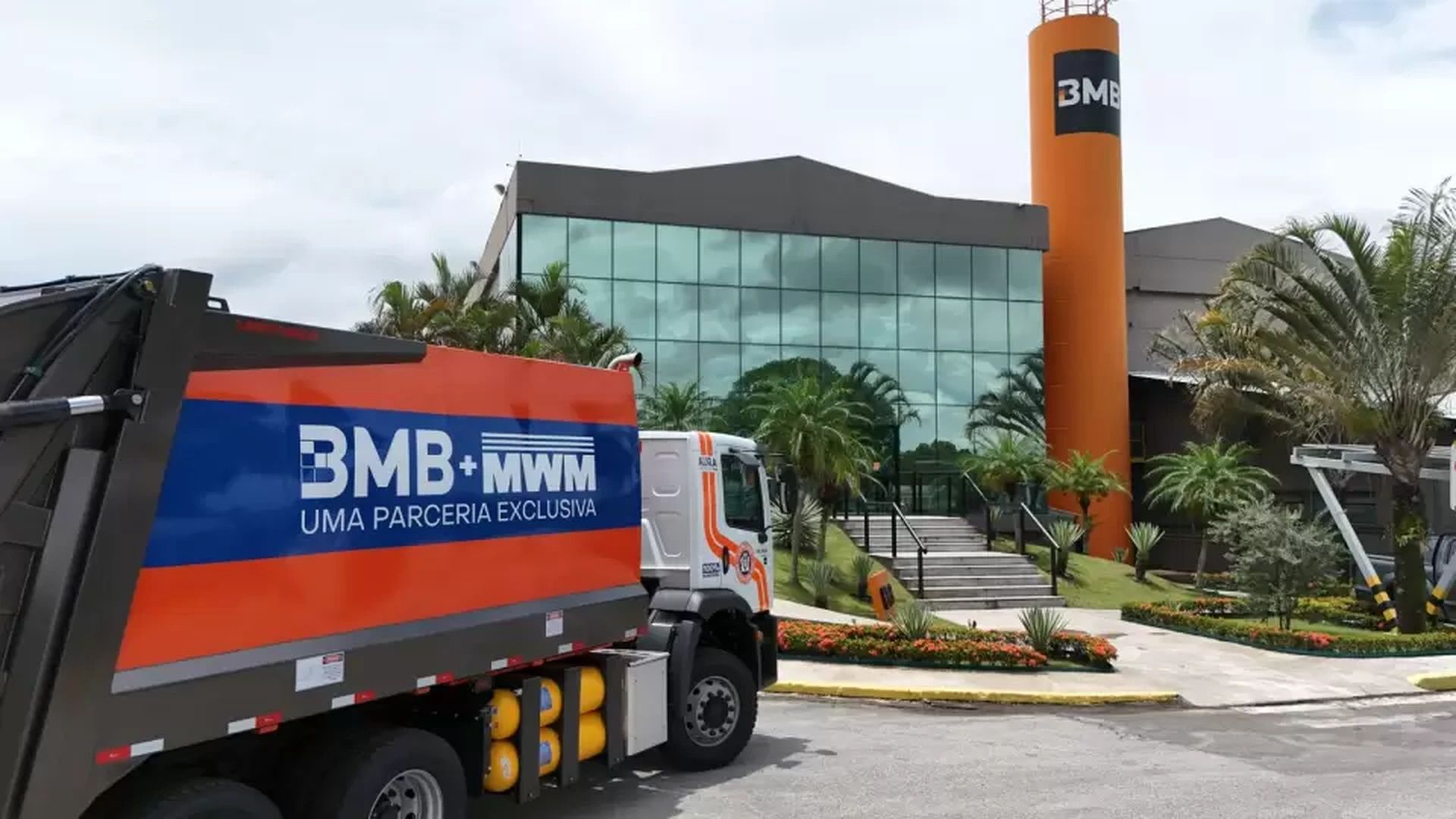
VAMOS Expands Its Sustainable Fleet With Million-Dollar Investment in Trucks Powered by Biomethane and Natural Gas in RJ, An Initiative That Accelerates Emission Reductions, Modernizes Urban Cleaning and Reinforces Logistic Efficiency.
VAMOS announced a US$ 150 million investment for the implementation of a fleet of 100 trucks powered by biomethane and natural gas in RJ, a project aimed at reducing emissions and increasing efficiency in urban solid waste collection. According to a report published by the website Tecnologística and other outlets this Tuesday (3), the initiative positions the company as a highlight in the energy transition of heavy transport in Brazil. Right from the first deliveries, some of the vehicles have already begun operations in the state capital, showcasing practical application on a commercial scale and direct impact on urban logistics.
VAMOS Announces Investment in Trucks Powered by Biomethane and Natural Gas in RJ
The announcement was made by specialized media in the transport and logistics sector, highlighting the involvement of companies responsible for the engineering and technical adaptation of the vehicles. The project combines environmental sustainability, technological innovation, and economic viability, factors that have been increasingly required in public contracts and large-scale operations. At the same time, it demonstrates that the gradual replacement of diesel can occur without loss of operational performance.
VAMOS structured the investment with a direct focus on transforming trucks originally powered by diesel to operate with biomethane and natural gas in RJ, prioritizing emission reduction and maintaining logistic performance.
-
The Economist states that Brazil has a “secret weapon” against expensive oil and highlights how the country can reduce economic impacts even in international scenarios of high volatility.

-
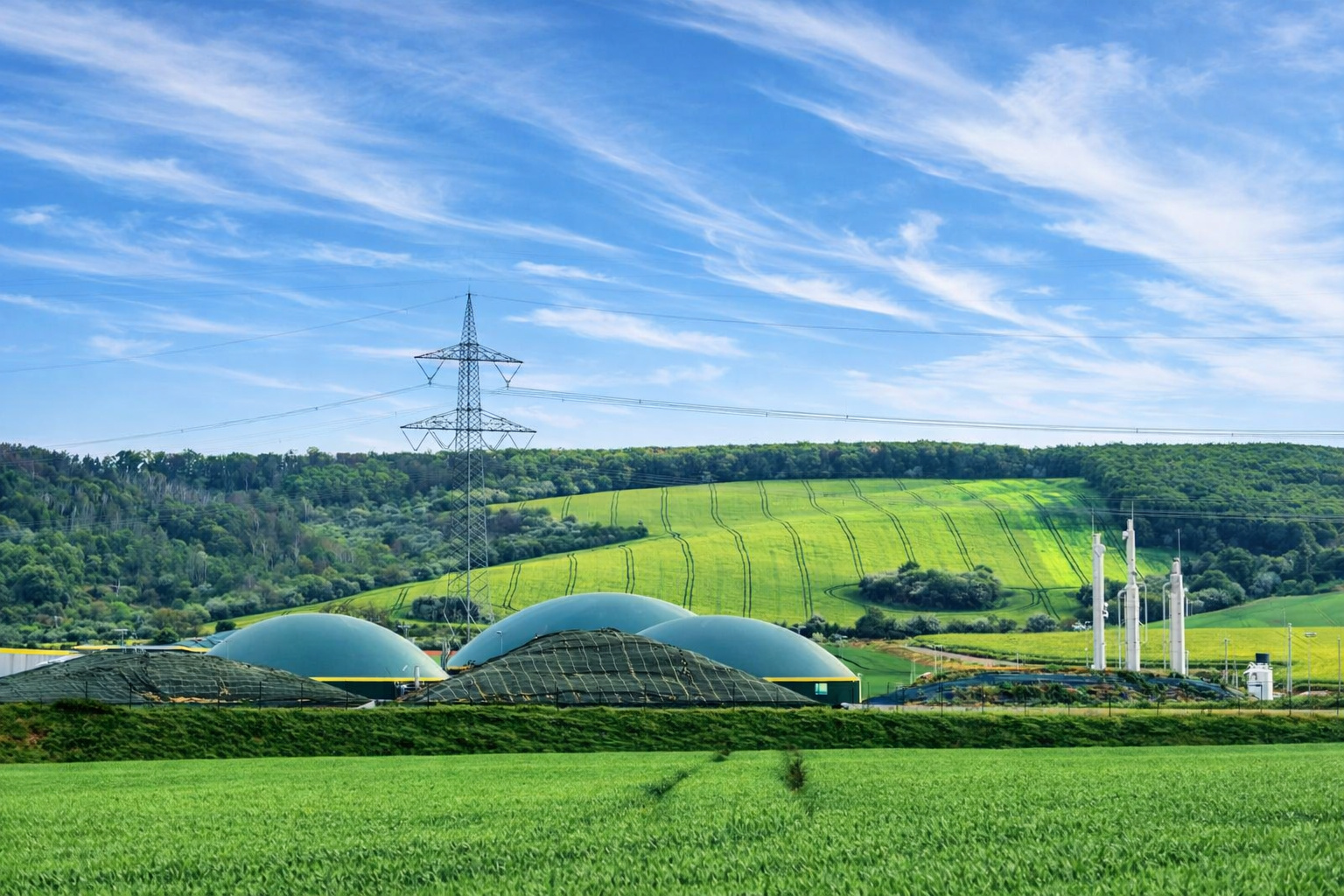
Brazil accelerates decarbonization in the South: International forum in Foz do Iguaçu gathers leaders to discuss the advancement of biomethane in the energy matrix and the potential of “caipira pre-salt.”
-
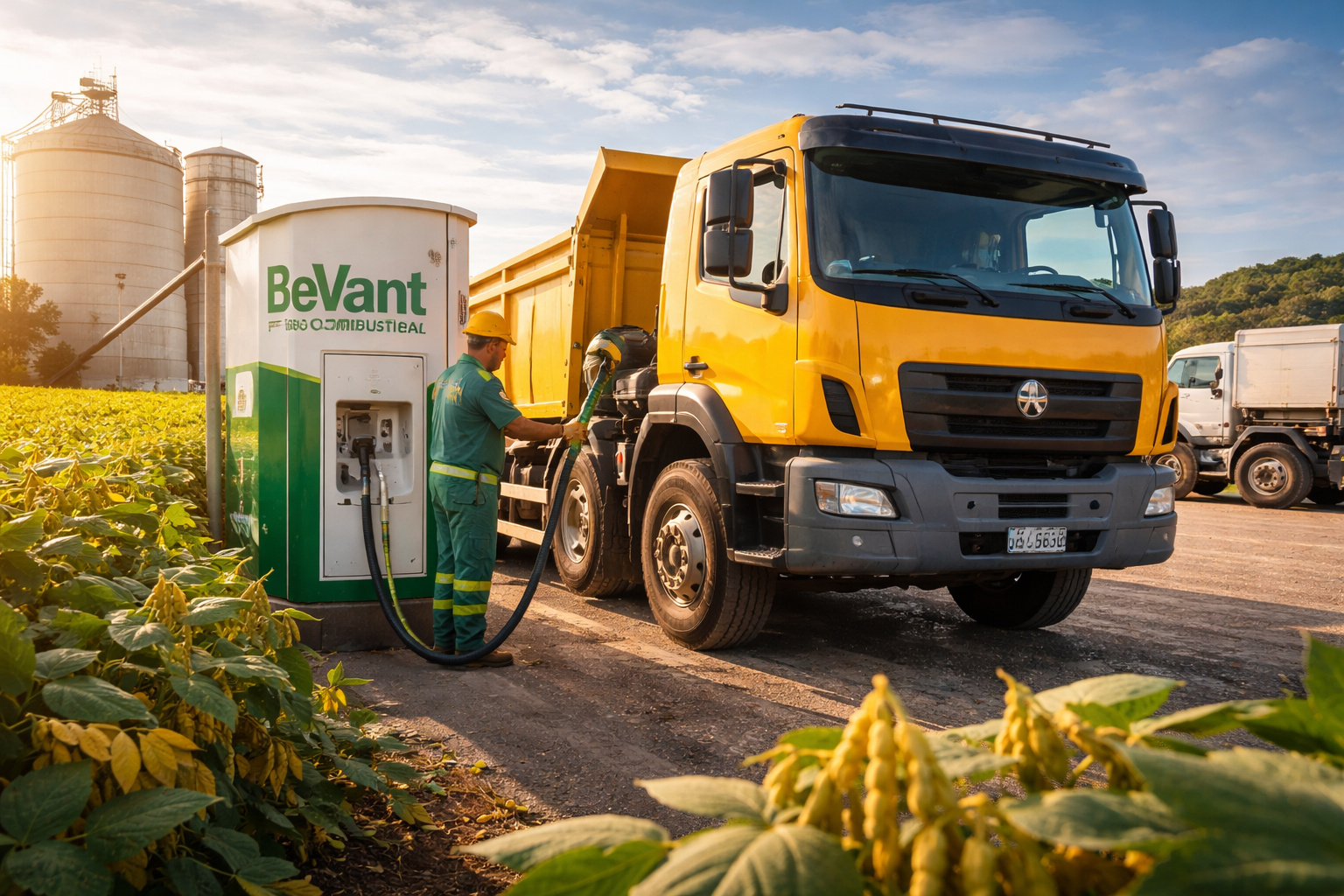
As diesel prices soar due to conflicts in the Middle East, a Brazilian city decides to test a little-known biofuel that promises to completely replace fossil fuel without adaptation and could change the future of energy in the country.
-
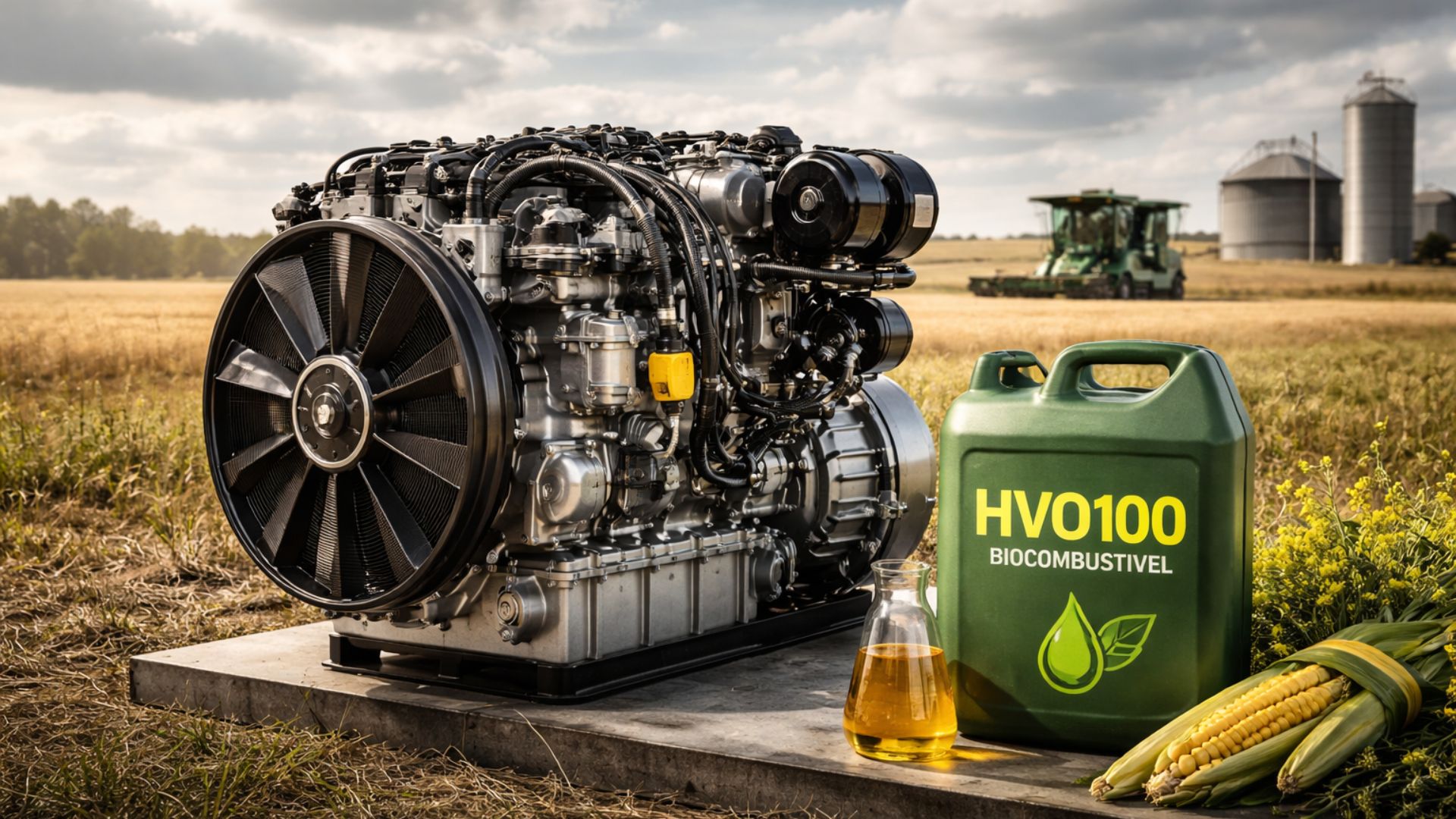
Innovation with biofuel engines transforms agribusiness by replacing diesel without the need for major adaptations, ensuring energy efficiency and helping to reduce dependence on oil.

This is a strategic move that aligns with global trends in decarbonizing heavy transport. In large urban centers, where atmospheric and noise pollution directly affects quality of life, the adoption of alternative fuels gains immediate relevance.
Moreover, the choice of Rio de Janeiro as the project’s initial hub is not random. The city has a high volume of waste collection and established routes on a daily basis, which facilitates planning for fueling and performance monitoring. This scenario creates a favorable environment for testing solutions on a real scale, reducing implementation risks and accelerating operational learning.
Investment Structure and Transformation of Trucks
The investment made by VAMOS involves advanced engineering, industrial customization, and rigorous testing on trucks converted for biomethane and natural gas in RJ, always focusing on emission reduction. The technical process includes the removal of the diesel engine, installation of a new powertrain compatible with gas fuels, structural reinforcements in the chassis, and integration of electronic control modules.
The transformation is not limited to engine replacement. High-strength gas storage cylinders, safety valves, structural supports, and fuel delivery systems are also installed. Subsequently, the vehicles undergo road testing under real-use conditions, simulating urban routes and intensive stop-and-go cycles. This way, reliability is validated before final operations commence.
This set of adaptations demonstrates that conversion is a complex yet feasible industrial process. The goal is to ensure that the trucks maintain power, torque, and autonomy compatible with daily service, avoiding negative impacts on waste collection productivity. At the same time, the applied engineering allows specific adjustments for each operation profile.
Biomethane and Natural Gas Technology in Urban Transport
The adoption of biomethane and natural gas in trucks within VAMOS‘s investment in RJ represents a significant advance in reducing emissions in urban transport. Biomethane, obtained from the decomposition of organic waste, has characteristics similar to fossil natural gas, but with a significantly lower carbon footprint. This makes the fuel a high-potential renewable alternative.
Engines developed for this application receive specific calibrations based on routes, transported loads, and frequency of use. Additionally, electronic monitoring systems track consumption, pressure, and performance in real-time. This level of control allows for continuous adjustments and increases predictability of operational costs.
Another relevant factor is noise reduction. Gas-powered vehicles tend to operate with less vibration and lower noise intensity compared to diesel. In dense urban areas, this benefit contributes to improving the urban environment and reduces complaints related to noise pollution. Therefore, the positive impact goes beyond atmospheric emissions and reaches the comfort of the population.
Environmental Impact and Emission Reduction in RJ
The central axis of VAMOS‘ investment in trucks powered by biomethane and natural gas in RJ is the reduction of emissions of pollutants and greenhouse gases. Technical information released by the companies involved indicates a potential reduction of up to 99% in particulate matter emissions compared to diesel models. This figure is significant for air quality in urban centers.
When biomethane is used, carbon dioxide reduction can reach approximately 90%, considering the fuel’s lifecycle. Additionally, there is a reported decrease of around 20% in operational noise levels. These indicators reinforce the environmental relevance of the project, especially in cities facing mobility, pollution, and high population density challenges.
From a regulatory standpoint, initiatives of this scale align with public policies aimed at sustainability and carbon neutrality targets. Consequently, the project is likely to serve as a reference for other municipalities interested in modernizing their urban cleaning fleets and transportation of essential services.
Urban Logistics, Efficiency, and Economic Viability
In the context of RJ, VAMOS‘ investment in trucks powered by biomethane and natural gas broadens the discussion about logistic efficiency and emission reduction in public operations. The predictability of waste collection routes favors planning for fueling and defining strategic points for fuel supply. This factor reduces operational uncertainties and increases project security.
Economic viability also stands out. Although the initial conversion cost is high, savings on fuel and maintenance over time tend to balance the investment. Additionally, long-term contracts and environmental incentives can make the model even more attractive. The result is an equation that combines sustainability and financial return.
Another important point is the possibility of replication in other capitals. Cities with high population density and substantial waste volume share similar characteristics with Rio de Janeiro, which enhances the project’s expansion potential. Thus, the impact is no longer regional and becomes nationally relevant in the heavy transport sector.
Prospects for Sustainable Transport in Brazil
The movement led by VAMOS with investment in trucks powered by biomethane and natural gas in RJ points to a new phase in urban service mobility and large-scale emission reduction. The initiative demonstrates that it is possible to align technology, environment, and economic efficiency, creating a replicable model for different regions of the country.
As public policies and environmental demands intensify, projects like these are likely to gain traction and stimulate new partnerships between industry, governments, and logistics operators. The advancement of biomethane as a renewable fuel also strengthens productive chains linked to the repurposing of organic waste, expanding indirect environmental benefits.
The scenario indicates a progressive transformation of Brazilian heavy transport. The combination of innovation, engineering, and environmental responsibility places the sector on a path of continuous modernization, reinforcing that sustainability and productivity are not opposing concepts, but complementary within contemporary urban logistics.











-

Uma pessoa reagiu a isso.