





 English
  Francês
  Alemão
  Italiano
  Japonês
  Norueguês
  Portuguese
  Spanish
  3 min of reading



Prices Elevate The Global Energy Crisis And Flirt With Double-Digit Inflations.
According to data revealed by Investing on Thursday, June 9th, the fluctuation of coal has exceeded that of oil over the last 52 weeks, with the mineral already having risen more than 103%. In other words, it has doubled in price in just one year, while Brent oil has accumulated a 65% increase, directly impacting the price of diesel and gasoline. According to research conducted by the International Monetary Fund, the IMF, it is estimated that the end of coal use for energy generation could lead the global scale out of the energy crisis and generate an economy of over US$ 70 billion by the end of this century.
However, many countries are reluctant regarding the energy transition, even with high coal and oil prices. Evidence of this is the Colombian government: the extraction of these two raw materials accounts for more than 8% of the Gross Domestic Product (GDP). However, the presidential candidate in Colombia, who received 40% of all voting intentions over the last weekend, Petro, states he is against exports and advocates for the use of renewable sources to meet climate goals by 2030.
Economy: What Made Commodity Prices Surge, Especially Coal And Oil?


The war that broke out between Russia and Ukraine at the end of February inflated commodity prices. Numerous countries that opposed Putin’s decision declared they would cut ties with the Russians for going “against the democracy of allowing Ukrainians to be part of military groups like NATO.”
-
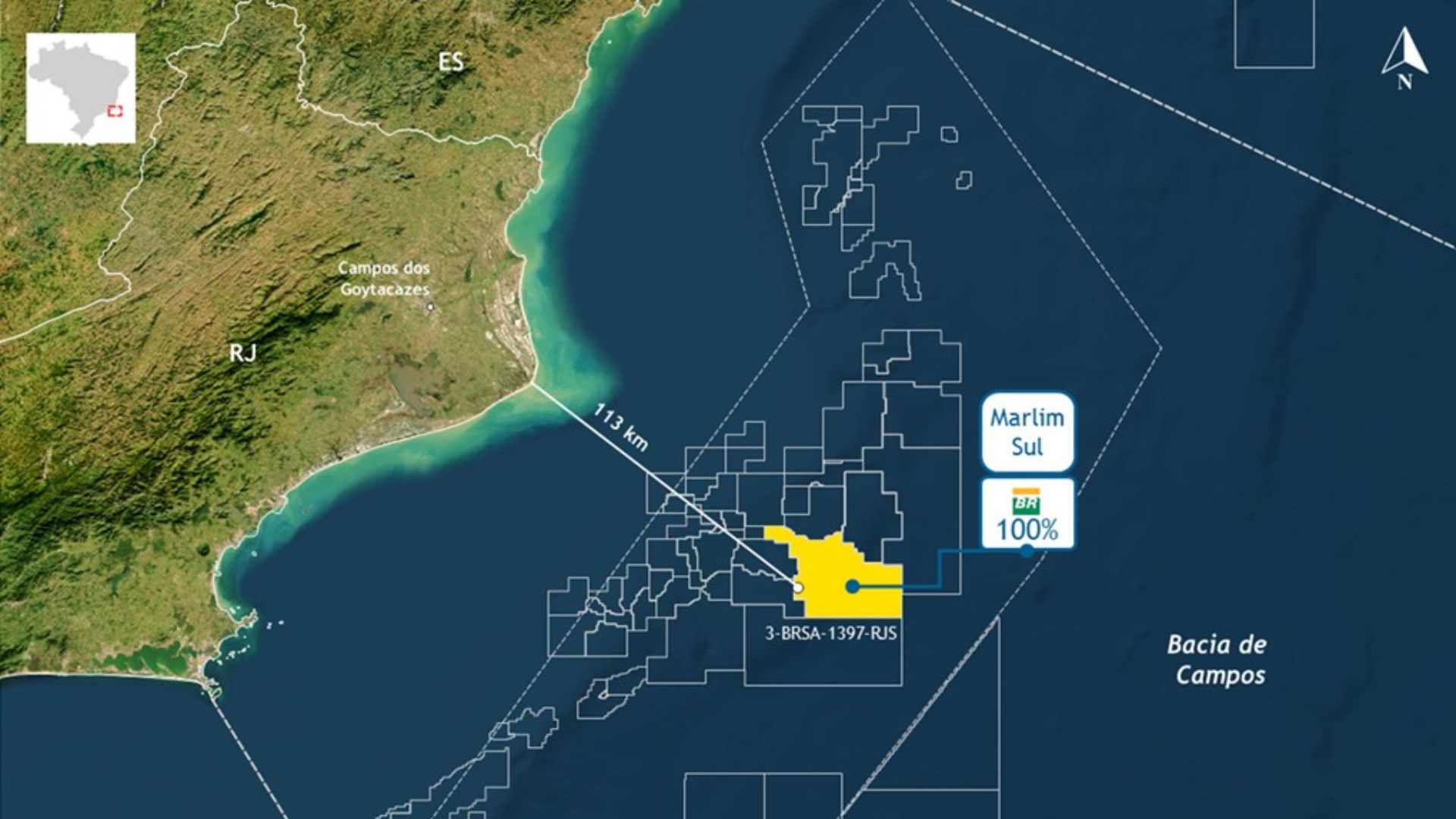
Petrobras finds high-quality oil in the pre-salt at 113 km from RJ and reignites expectations about strategic reserves in the Campos Basin.

-
Ocyan opens registrations for startups focused on innovation in the oil and gas sector and will select projects for Innovation Day with the support of Nexio.

-
Petrobras announces new oil discovery in the pre-salt of the Campos Basin and reinforces Brazil’s prominence with high-quality reserves that can increase production and energy revenues.
-
Alert in the fuel market: Analysts and a former director of ANP warn that oil prices may worsen in the coming months due to global instability.


With Brent oil priced at US$ 123 this week, many countries began to raise the possibility of breaking the blockade the United States imposed on Venezuela during Trump’s administration. Venezuela could serve as a way to control global market prices by increasing oil barrel stocks. According to a statement made by the European Union this week, Venezuelans may be able to sell barrels to the EU as a way to pay off the external debt created during ideological tensions.
Biden had already announced, indirectly, in March that he might remove the American blockade on Venezuela as a way to purchase part of the oil traded by the country.
It is already clear that exporting oil from Venezuela could lead to lower prices and control over global inflation. This occurs because the fewer stocks are available in the market, the higher the product’s value tends to be, given the high demand. However, increasing oil stocks, even with high demand, will allow for the price to be controlled.
Renewable Energy Has Been An Alternative To The Use Of Coal
In light of the 103% increase in just one year for coal, the use of renewable energy, such as wind and solar, can be an alternative for countries to maintain energy stability without using the mineral. However, investment is still expensive, and both commodities, the mineral and Brent, are part of the economy of developing countries like Brazil.










Seja o primeiro a reagir!