





 Português
  Inglês
  Espanhol
 3 min de leitura
  0 comentários



In Amapá, the Federal Government Unites Forces Against the Cassava Witch Broom, Ensuring Income, Food Security, and New Research from Embrapa to Strengthen Family Agriculture
The cassava witch broom worries farmers in Amapá and mobilizes the Federal Government for urgent measures to protect communities and crops, according to an article published.
The Ministry of Agriculture and Livestock (Mapa) and the Ministry of Integration and Regional Development (MDR) announced joint actions to contain the advancement of the disease caused by the fungus Ceratobasidium theobromae.
Ten municipalities are already affected, with a direct impact on the rural economy and food security of indigenous and non-indigenous populations.
-
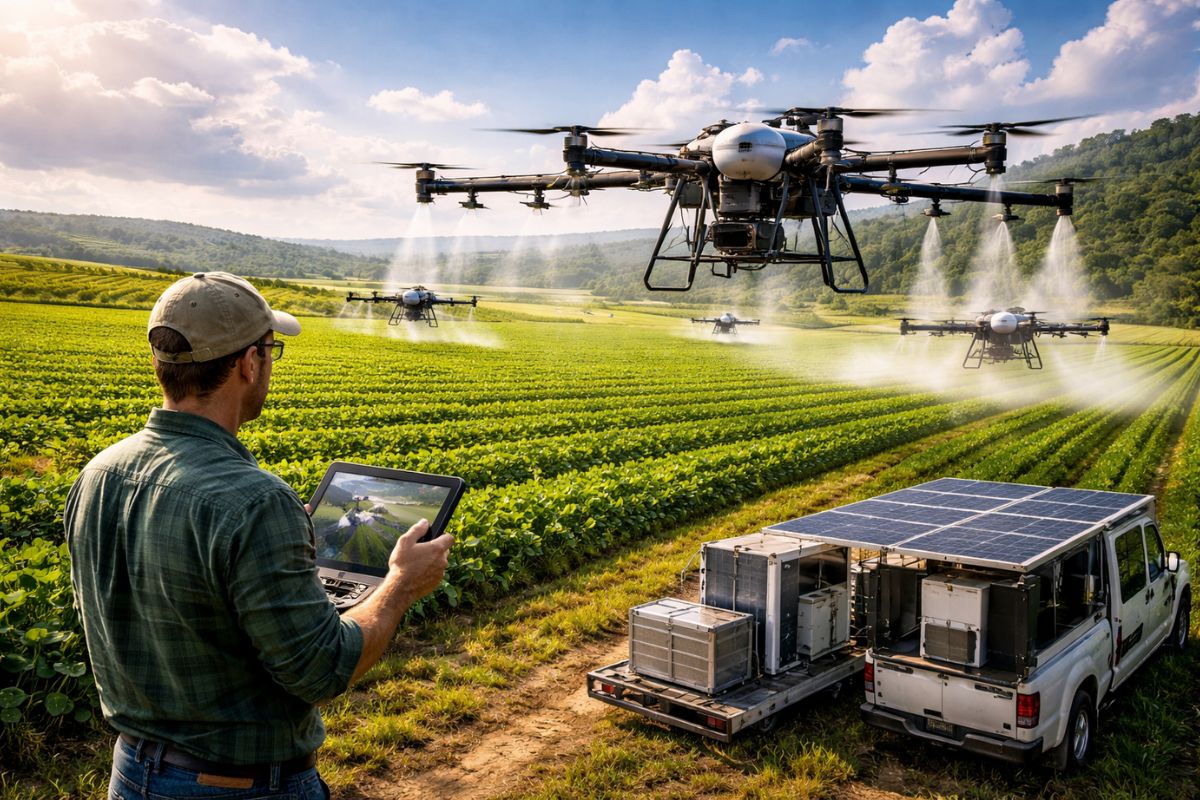
Alone, the producer applies 7,400 hectares with the T100 drone in an optimized structure, replaces the generator with a silent battery, and demonstrates how technology reduces costs, increases productivity, and even challenges the uniport in the field.
-
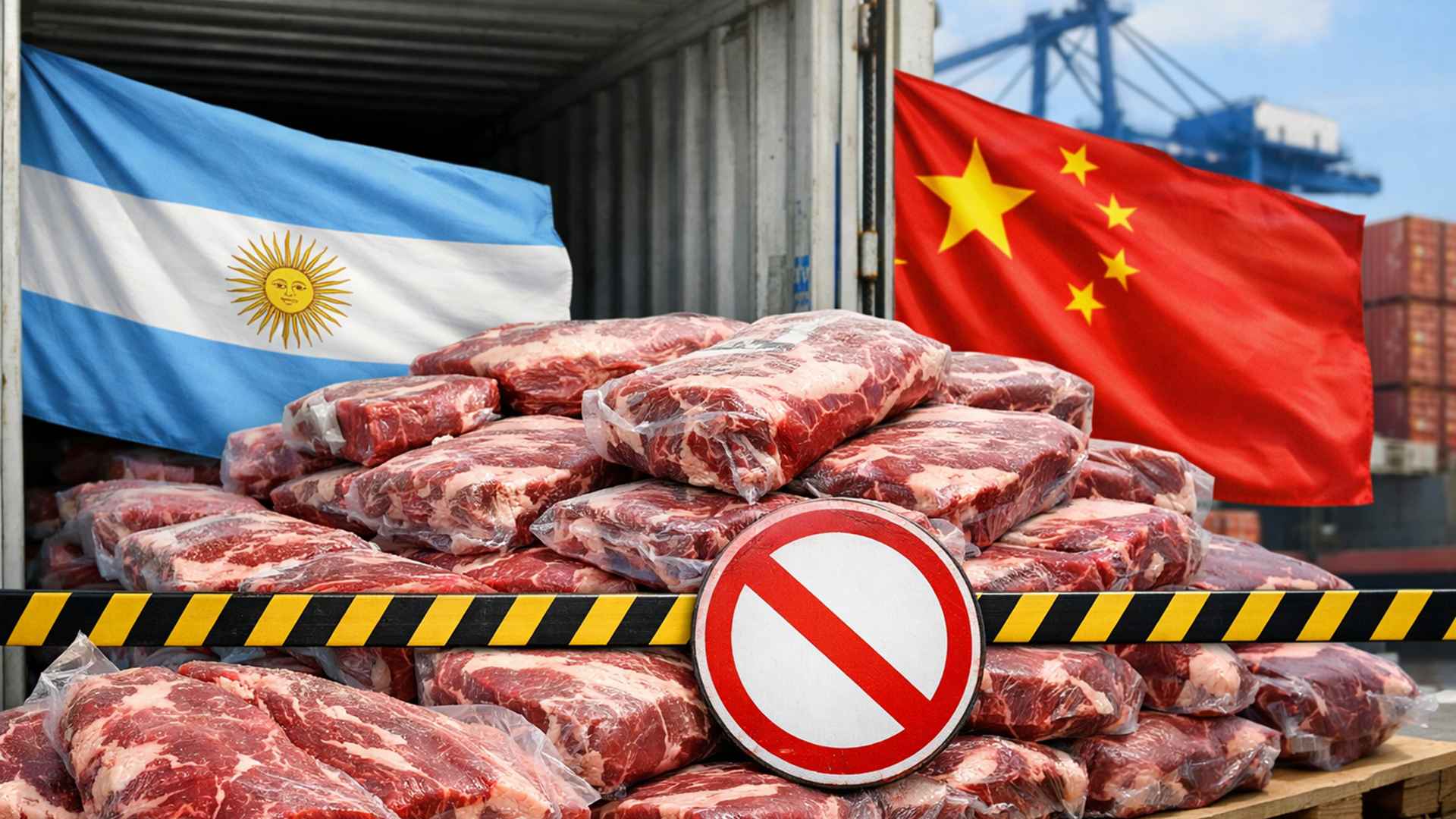
China banned the export of 22 tons of meat from Argentina.
-
JBS, founded by the Batista brothers, continues to conquer the world: entrepreneurs built a ‘factory in the desert’ creating 3,000 jobs.

-
With only 1% of Brazil’s territory, Santa Catarina has built one of the most competitive industrial parks in the country, with 64,000 companies, nearly 1 million jobs, and a growth rate of 5.3% while the national industry is practically stagnant.


Minister Carlos Fávaro emphasized that controlling the pest is a national priority. According to him, Mapa invested R$ 2.2 million in emergency agribusiness defense measures in Amapá.
If necessary, new resources will be allocated to expand technical support and ensure that no producing family is left without assistance.
This coordination between ministries aims for immediate results, reducing losses and preserving the region’s food supply.
Support for Rural Producers and Commercialization Flexibility
Among the emergency actions against the cassava witch broom, Mapa authorized the safe commercialization of bitter cassava and manioc, an essential measure to sustain producers’ income and supply to the population.
With the flexibility, the processing and packaging of manioc began to be carried out in the communities themselves, favoring local development and subsistence economy.
Bitter cassava, used in the production of flour, also received authorization to be processed in mobile flour houses, ensuring that the final product reaches consumers safely.
These initiatives preserve jobs, strengthen family income, and keep Amapá’s agricultural tradition alive.
The fight against cassava fungus, according to Minister Waldez Góes, depends not only on technical measures but also on productive inclusion and integration among federal entities.
Embrapa Research and Seedling Distribution Against the Cassava Witch Broom
Focusing on innovation, the federal government strengthened Embrapa’s budget to develop varieties resistant to the cassava witch broom.
The president of the institution, Silvia Massruhá, has been tasked with prioritizing this theme as a strategic project in 2025. The research aims to identify cassava genotypes that are tolerant to the fungus, ensuring productivity and sustainability.
While science advances, Mapa has started distributing healthy seedlings, allowing producers to maintain the production cycle.
Minister Góes highlighted that eight of the ten affected municipalities already have officially recognized sanitary situations, and the joint work between the federal government, the state, and municipalities has been mitigating social and economic impacts.
These measures reinforce Brazil’s commitment to sustainable agriculture and the well-being of farming families.
Confronting the cassava witch broom symbolizes the unity between research, technical support, and solidarity, ensuring food, income, and a future for Amapá.









Seja o primeiro a reagir!