





 English
  Francês
  Alemão
  Italiano
  Japonês
  Norueguês
  Portuguese
  Spanish
  8 min of reading


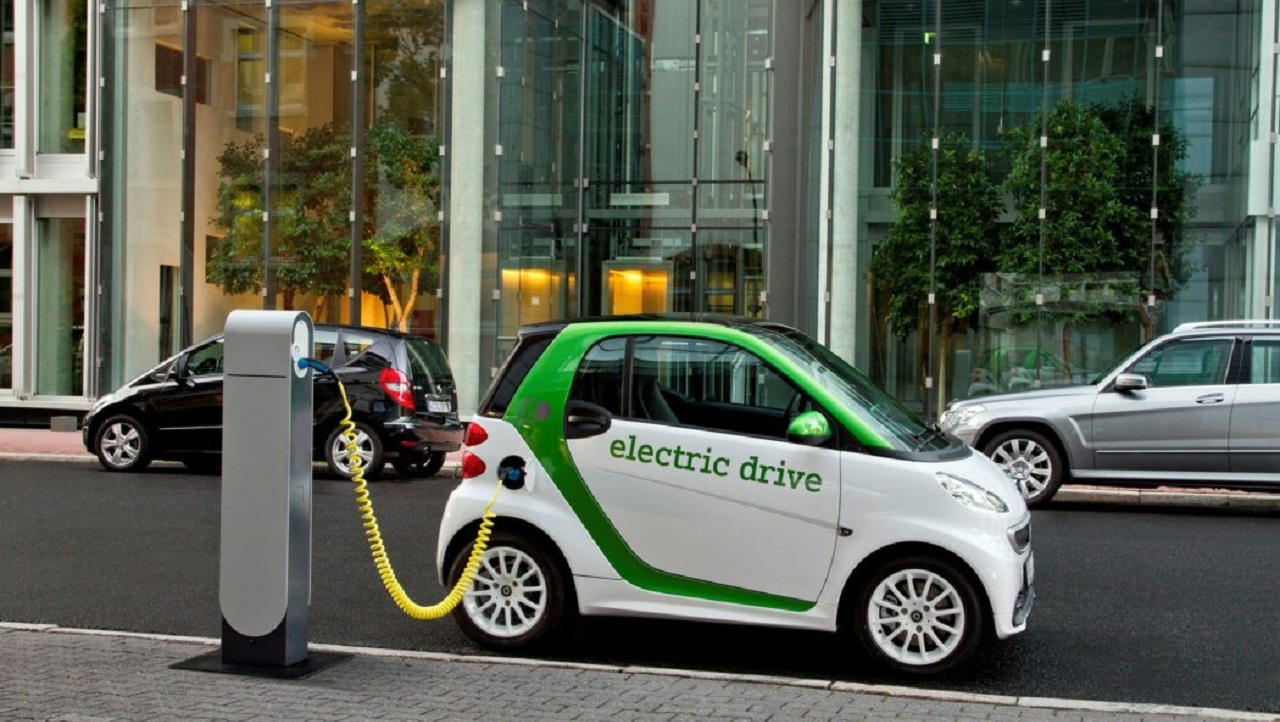
Until recently, for many drivers, electric vehicles seemed like a topic for the future: but now it is common to imagine that your next car will be electric, a true revolution. In a relatively short span of time, the transformation of the automotive industry has shifted from first to fifth gear. So, it’s not hard to imagine that for many drivers, their next car will be electric.
Electric vehicles (EVs) are those powered by at least one electric motor. They use a battery to store the electrical energy that powers the motor. The batteries of electric vehicles are charged by connecting the vehicle to a source of electrical energy.
Read Also
- The First Electric Vehicle from Peugeot in Brazil Will Be a Next-Generation Van with 330 km of Range and Space for 11 People
- WEG and Instituto Senai Transform Combustion Car into Electric Vehicle and Advance Brazilian Electric Mobility
- Apple Partners with Toyota, LG, and SK Group to Produce Innovative Electric Vehicle
- Aerospace Engineer Transformed a 2005 Chevrolet Celta into an Electric Vehicle
As there are tens of millions of conventional vehicles still in circulation in Brazil and around the world, electric vehicles can significantly reduce avoidable waste of fuels, especially fossil fuels.
-
Rio Grande do Sul accelerates energy transition: State invests in renewable technologies and consolidates decarbonization strategies and pathways to attract billions in new industrial investments.

-
With 160,000 m² of collectors, an area larger than 20 football fields, Silkeborg, in Denmark, hosts a solar thermal plant that heats 19,500 homes and could become the largest solar heating plant in the world.

-
A study reveals the expansion of renewable energy procurement in Brazil and shows how companies are taking advantage of opportunities to reduce expenses, ensure energy efficiency, and strengthen strategic environmental commitments.

-
Mato Grosso do Sul excels in the sugar-energy sector: the state reaches a milestone of 22 operating mills and accelerates the production of clean energy in MS with a focus on sustainability.


How an Electric Vehicle Is Manufactured
Fully electric vehicles (EVs), also known as battery electric vehicles, have an electric motor instead of an internal combustion engine.
The vehicle uses a large traction battery to power the electric motor and must be connected to an outlet or charging equipment, also known as Electric Vehicle Supply Equipment (EVSE).
The electric vehicle runs on electricity and emits no exhaust from a tailpipe, plus it does not contain typical liquid fuel components, such as a fuel pump, fuel line, or fuel tank. Learn more about electric vehicles.
Main Components of a Fully Electric Car
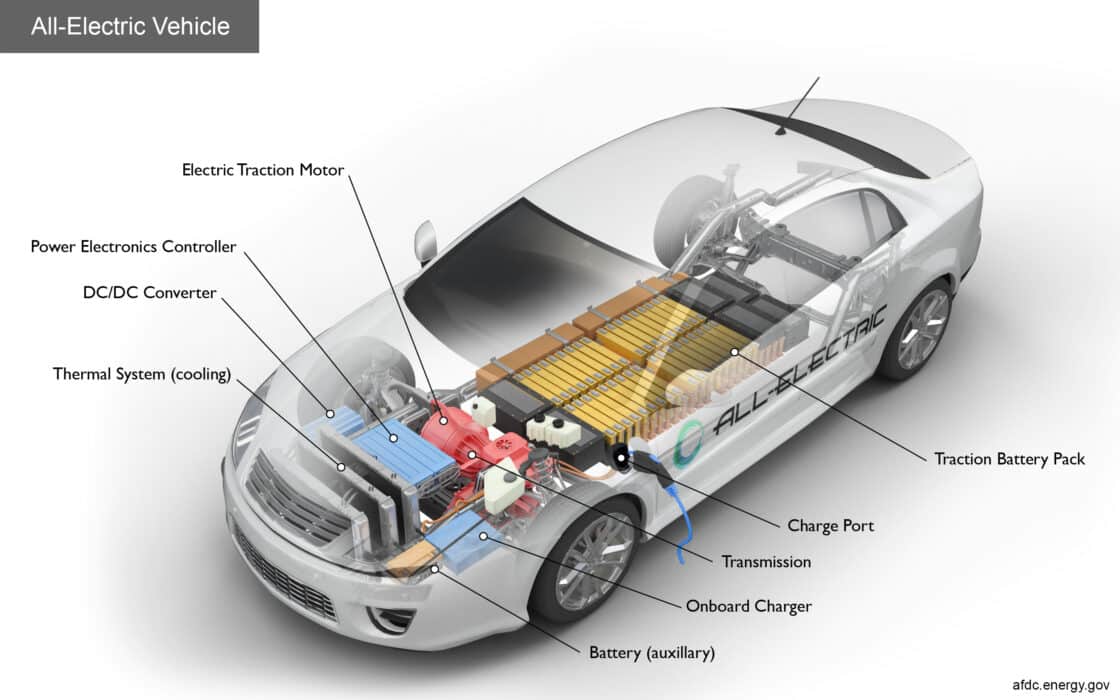
Fully Electric Auxiliary Battery: the auxiliary battery provides electricity to power the accessories of an electric drive vehicle.
Charging Port: the charging port allows the vehicle to connect to an external power source that serves to charge the traction battery.
DC / DC Converter: This device converts the high voltage DC energy from the traction battery to low voltage DC energy. This conversion is necessary to power the vehicle’s accessories and recharge the auxiliary battery.
Traction Electric Motor: using energy from the traction battery, this motor drives the wheels of the vehicle. Some vehicles use motorized generators that perform both drive and regenerative functions.
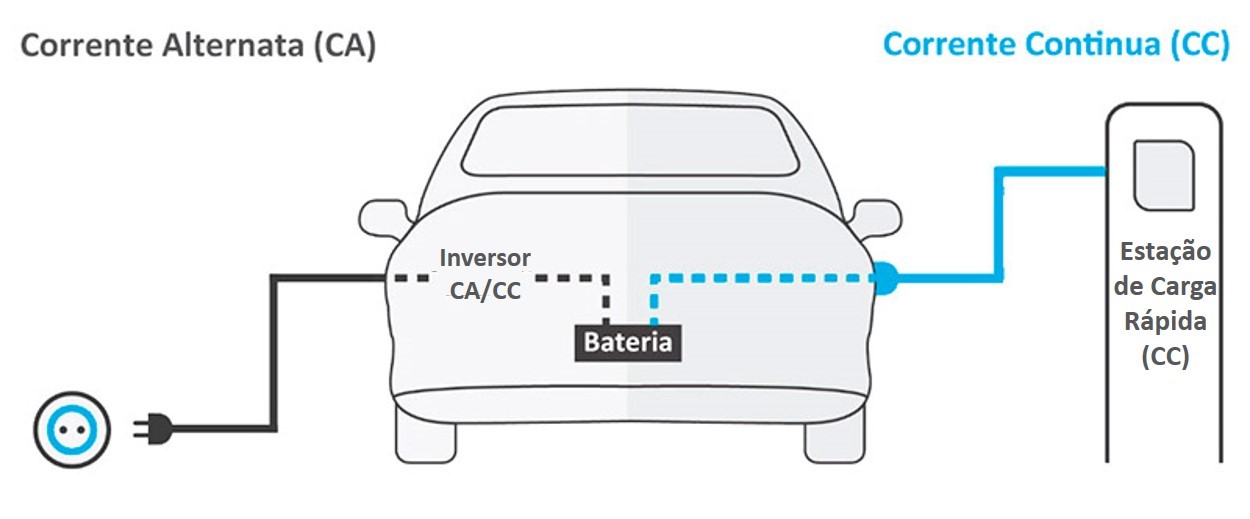
Integrated Charger: the integrated charger takes incoming alternating current (AC) electricity supplied through the charging port and converts it to direct current (DC) energy to charge the traction battery. It also communicates with the charging equipment and monitors battery characteristics such as voltage, current, temperature, and charge status during the battery pack charging process.
Power Electronics Controller: this unit manages the flow of electrical power supplied by the traction battery, controlling the speed of the traction electric motor and the torque it produces.
Thermal System (Cooling): the thermal system maintains an appropriate operating temperature range for the motor, electric motor, power electronics, and other components.
Traction Battery Pack: it stores electricity for use by the traction electric motor.
Transmission (Electric): the transmission transfers mechanical energy from the traction electric motor to move the wheels.
Get to Know the Types of Electric Cars
Just as there is a variety of technologies for combustion cars, electric vehicles are no different.
There are three basic types of electric vehicles: fully electric, hybrid, and plug-in hybrids.
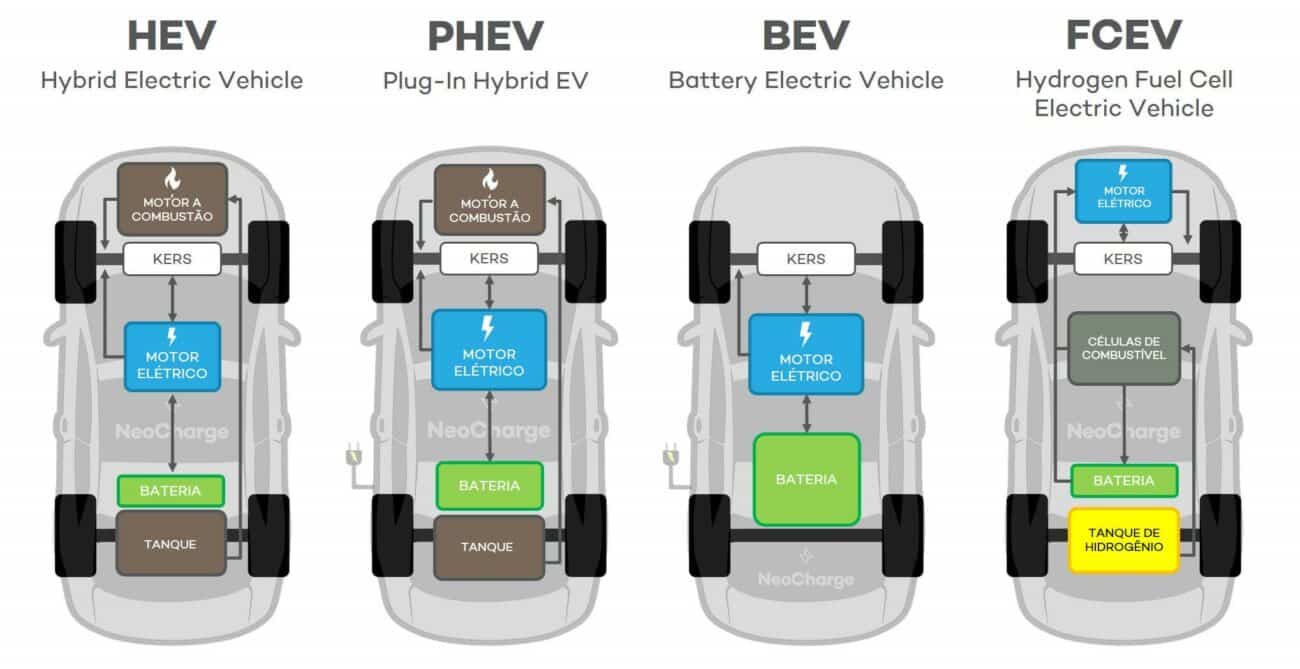
Among fully electric vehicles, you can find battery electric vehicles (BEV) and fuel cell electric vehicles (FCEV). They are charged by grid energy and can also have part of their battery recharged by regenerative braking, reclaiming some of the energy lost during vehicle braking.
Hybrid electric vehicles (HEV) power the internal combustion engine using gasoline/alcohol. In addition to the combustion engine like any other car, they also have an electric motor and a battery.
Finally, the plug-in hybrid electric vehicle (PHEV) combines the internal combustion engine with an electric motor and a rechargeable battery pack.
The difference between it and conventional hybrids lies in the way of charging, which can be done in two ways. The first converts part of the energy lost in braking into electricity. The second way is via a cable powered by an external source, such as through the power grid.
Advantages of an Electric Car
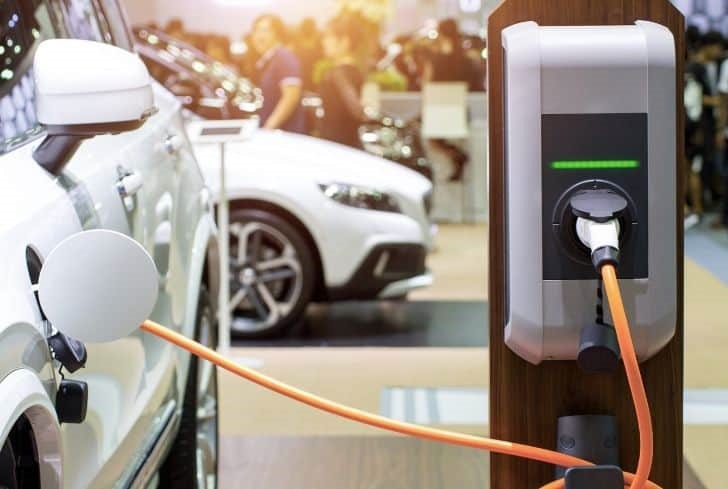
An electric car can be a great way for consumers to save a lot of money on gasoline. However, that is not the only reason. Check out the main advantages of an electric car in modern technology.
No Need for Gasoline
Electric cars are fully charged with electricity. This means you never have to buy gasoline again. Additionally, they are much more economical than gasoline-powered cars.
No Emissions of Greenhouse Pollutants
The biggest advantage of an electric vehicle is that it does not emit pollutants.
The first factor is that electric cars are eco-friendly as they operate with electric motors. They produce carbon dioxide only during their manufacture, which limits the affected area. Second, they do not emit toxic gases or smoke into the environment, as they run on a clean energy source. Finally, they are even better than hybrid cars, as hybrids powered by gas produce emissions.
They Are Very Quiet
Electric vehicles are practically silent. They are so quiet that, in some countries like the U.S., traffic legislators have proposed the installation of devices that make noise to alert pedestrians that electric vehicles are nearby.
Maintenance Is Less Frequent and Cheaper
Since electric cars are electric, they do not run on oil and therefore do not need oil changes (or any other maintenance related to internal combustion engines). In addition, another advantage is that the brakes of an electric vehicle typically do not wear out as quickly as those of a conventional car, meaning even more savings for the driver.
Energy Efficiency
The electric vehicle is highly efficient when in motion. It consumes about 90% of the available energy efficiency. This is a significant advantage over combustion-powered models, which lose much of that energy as heat, causing the engine to heat up.
Less Taxation
Some countries have already implemented policies to reduce the taxation of electric vehicles, as well as introduced favorable policies for this type of vehicle to reach consumers more quickly.
In Brazil, most models already have a reduction in the IPI tax, and some states like Rio de Janeiro and São Paulo offer a 50% discount on the Tax on Motor Vehicle Property (IPVA), while other states like Maranhão, Paraná, Pernambuco, Piauí, Sergipe, Rio Grande do Sul, and Rio Grande do Norte grant exemption from this tax.
Disadvantages of an Electric Car
Most Electric Vehicles Have Short Ranges
Although the electric vehicle sector is constantly evolving, the range of cars is still one of the disadvantages. Some electric models are limited to a range of 100 to 160 kilometers. However, models like the Mini Cooper Electric 2020 can achieve about 180 kilometers, and the Tesla Model S 2021 approximately 840 kilometers.
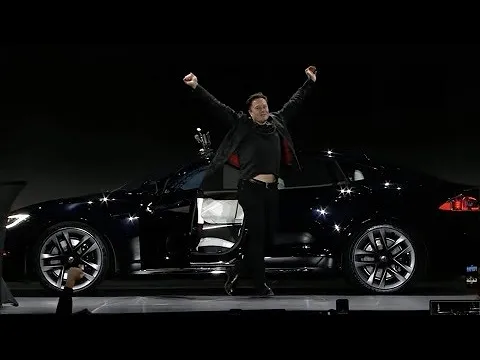

Charging May Take Some Time
Most electric car motors take about four hours to reach a full charge, which can be a problem for those who depend on the car daily. However, the Swiss technology company ABB recently announced the launch of the world’s fastest electric vehicle charger. The Terra 360 charger promises to deliver 100 km of range with less than three minutes of charging, in addition to being able to recharge four cars at the same time.
They Are a Significant Initial Investment
Even the cheapest electric car models can take a hefty toll on your wallet, as they are relatively more expensive than gasoline-powered models. However, the Tesla Model 3 already costs the same as premium gasoline vehicles.
The Availability of Charging Stations Is Inconsistent
The lack of available charging is another major complaint from consumers, compromising their range.
There Are Fewer Options
There is no denying that there is a wider variety of electric cars than ever, but there are still few electric vehicle manufacturers and options for consumers.
Understand Where the Raw Materials for Electric Vehicle Manufacturing Come From
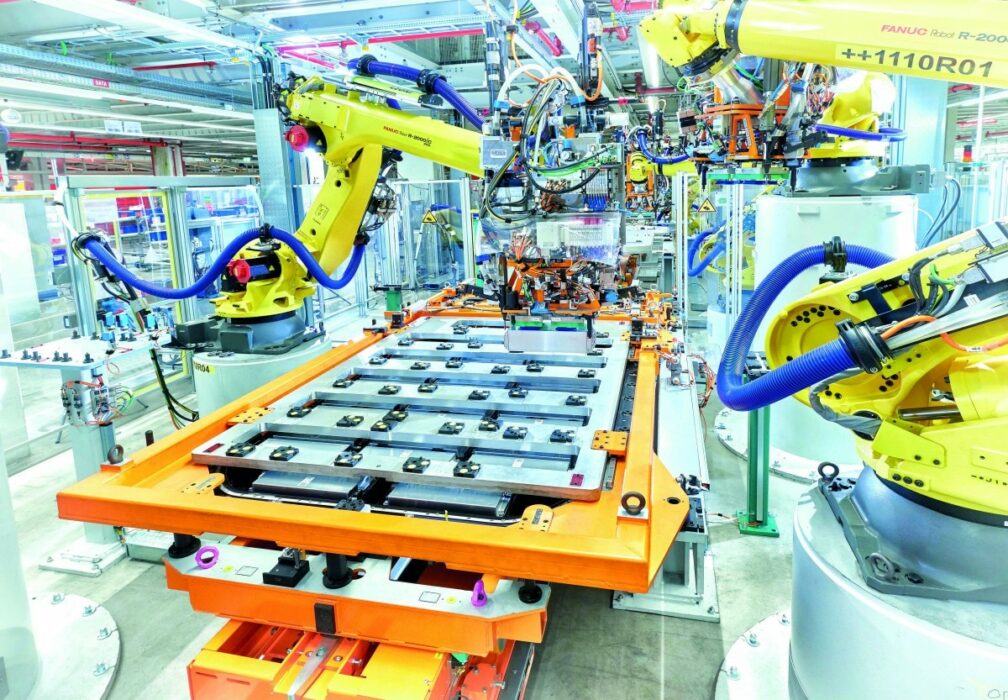
Electric car manufacturers are major consumers of minerals. They mainly use metals such as copper, nickel, and lithium, which are essential for use in electric vehicle batteries, as a source of energy, among other products.
Rechargeable batteries will play an important role in the energy transition towards a low-carbon economy and in helping to mitigate greenhouse gas emissions. However, the production of these commodities is limited to a few countries. For example, cobalt is predominantly produced in the Democratic Republic of Congo, while lithium is found in Australia and Chile.
Charging Points for Electric Vehicles in Brazil Have Grown in the Last 4 Months
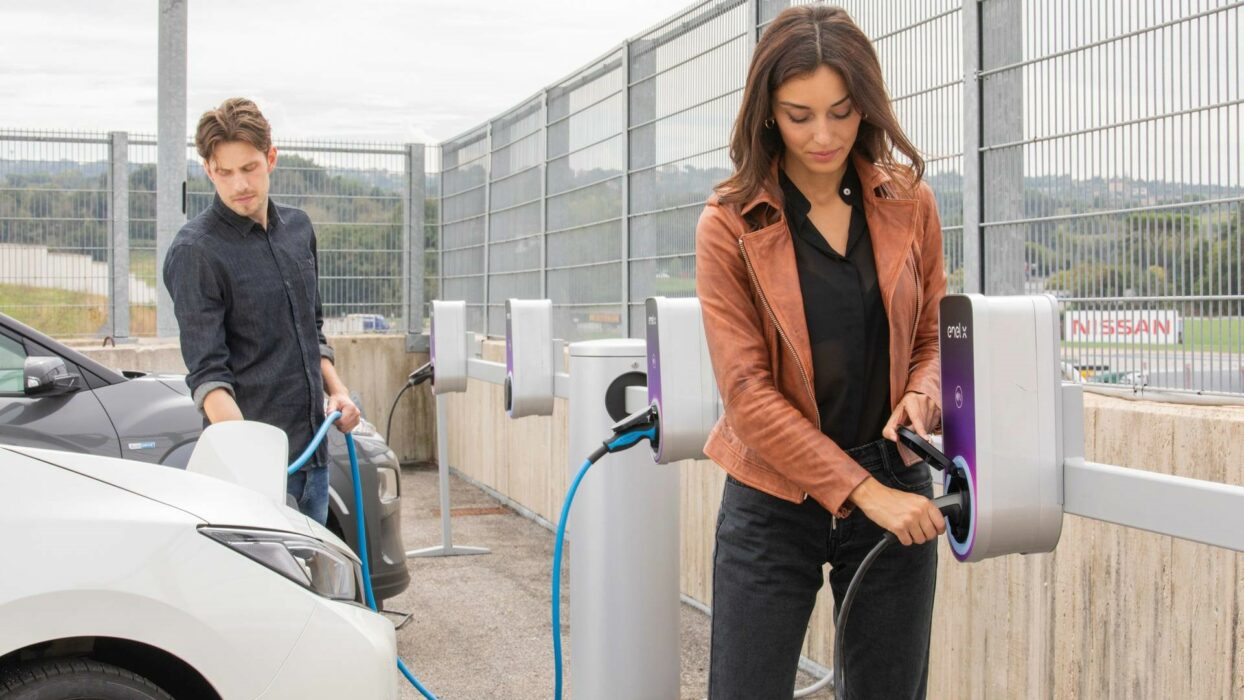
According to a survey released by ABVE (Brazilian Electric Vehicle Association), the total number of public and semi-public charging stations in Brazil grew by 254 new points, totaling 754 charging points as of July this year (2021).
According to the study, the availability of charging stations has evolved alongside the growth of the Brazilian electric mobility market. The sector for zero-emission models is quite vibrant.
From January to September 2021, 24,153 electric cars have already been licensed. This portion represented about 1.6% of the total automotive market share.
The most sold electric car model in the Brazilian market was the Porsche Taycan, which registered a total of 316 units.
In second place was the Audi e-Tron, totaling 197 units.
The third place went to the Mini Cooper, with 136 units sold, and the fourth place to the Chevrolet Bolt, which sold 132 units.
Finally, the BMW i3 ranks fifth with 116 units sold.

How Electric Vehicles Can Be Beneficial for Nature

The main benefit of electric cars is the contribution they can make to improving air quality in cities.
With no tailpipe, pure electric cars do not produce carbon dioxide emissions while driving. This significantly reduces air pollution. As a cleaner alternative, electric vehicles are an important step in sustainable transportation.
Furthermore, electric vehicles can also help with noise pollution, especially in cities where speeds are generally low.
Electric cars are much quieter than conventional vehicles, thus driving electric vehicles creates a more peaceful environment for all inhabitants. Electric cars provide us with cleaner streets, making our towns and cities a better place for pedestrians and cyclists.
In more than a year, just one electric car on the roads can save an average of 1.5 million grams of CO2. This is equivalent to four round-trip flights from London to Barcelona.
Norway, the largest producer of fuels in Western Europe, is also a pioneer in electric mobility thanks to favorable tax policies. The Nordic country, where electric energy is nearly entirely hydropower, aims for all cars to have “zero emissions” by 2025.
Researchers from the universities of Cambridge, Exeter, and Nijmegen in the Netherlands have discovered that in 95% of the world, driving an electric car is better for the environment than driving a gasoline-powered car.
Experts widely agree that electric vehicles create a smaller carbon footprint over their lifetime than conventional vehicles that use traditional internal combustion engines.









Seja o primeiro a reagir!