





 English
  Francês
  Alemão
  Italiano
  Japonês
  Norueguês
  Portuguese
  Spanish
  5 min of reading
  0 comments


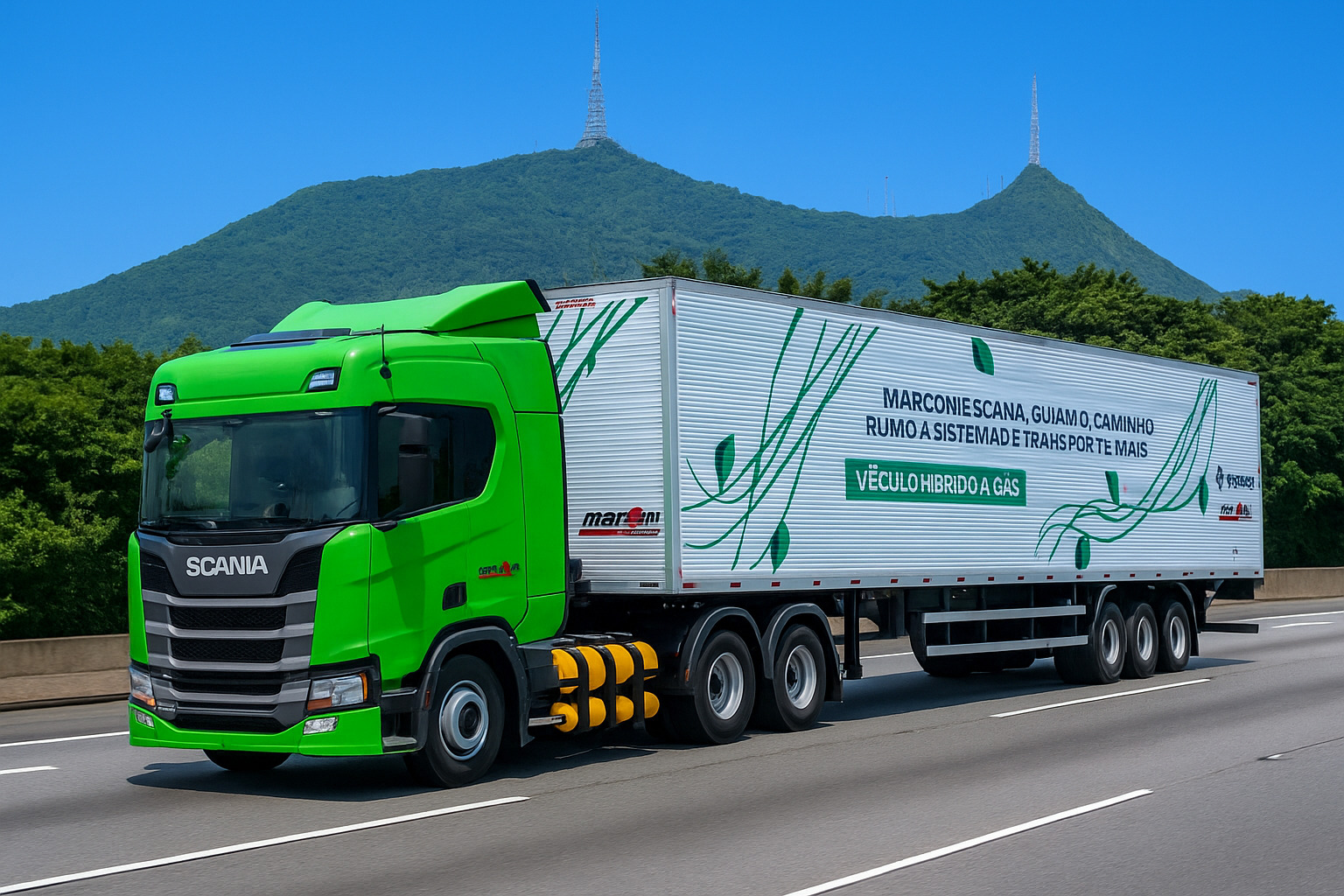
Learn How the Biomethane Industry Grows with Heavy-Duty Natural Gas Vehicles, Bringing Innovation and Sustainability to the Transportation Sector and the Energy Matrix.
The biomethane industry has gained prominence in recent years as a sustainable and renewable alternative to traditional fossil fuels, especially diesel.
Therefore, this growth occurs, largely, thanks to the advancement of heavy-duty natural gas vehicles, which use biomethane as fuel.
And, consequently, they drive an important transformation in the transportation sector and the global energy matrix.
-
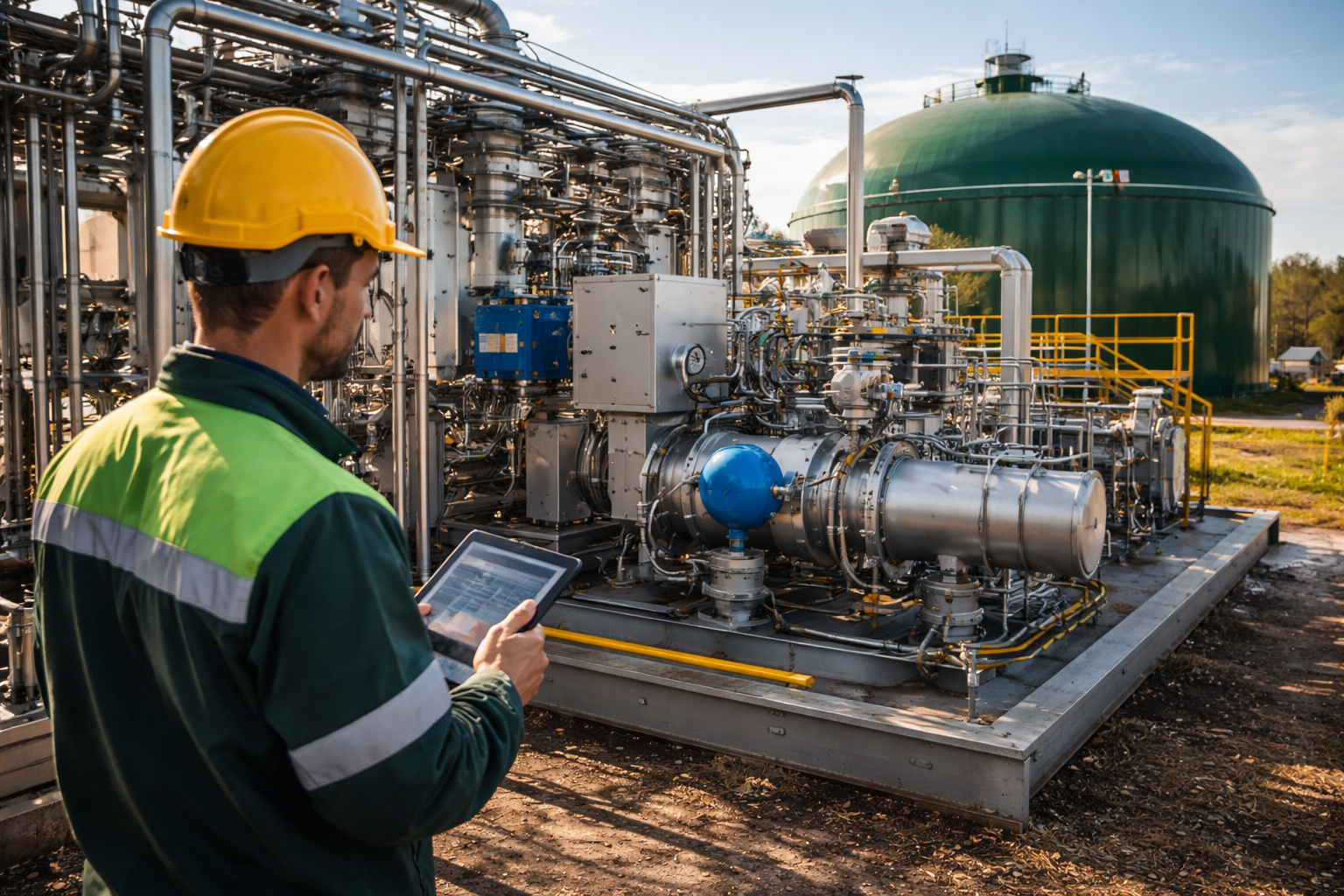
MAT Records Historic High in 2025 with Gas Compression System Installations Driven by the Advancement of Biogas in Brazil
-
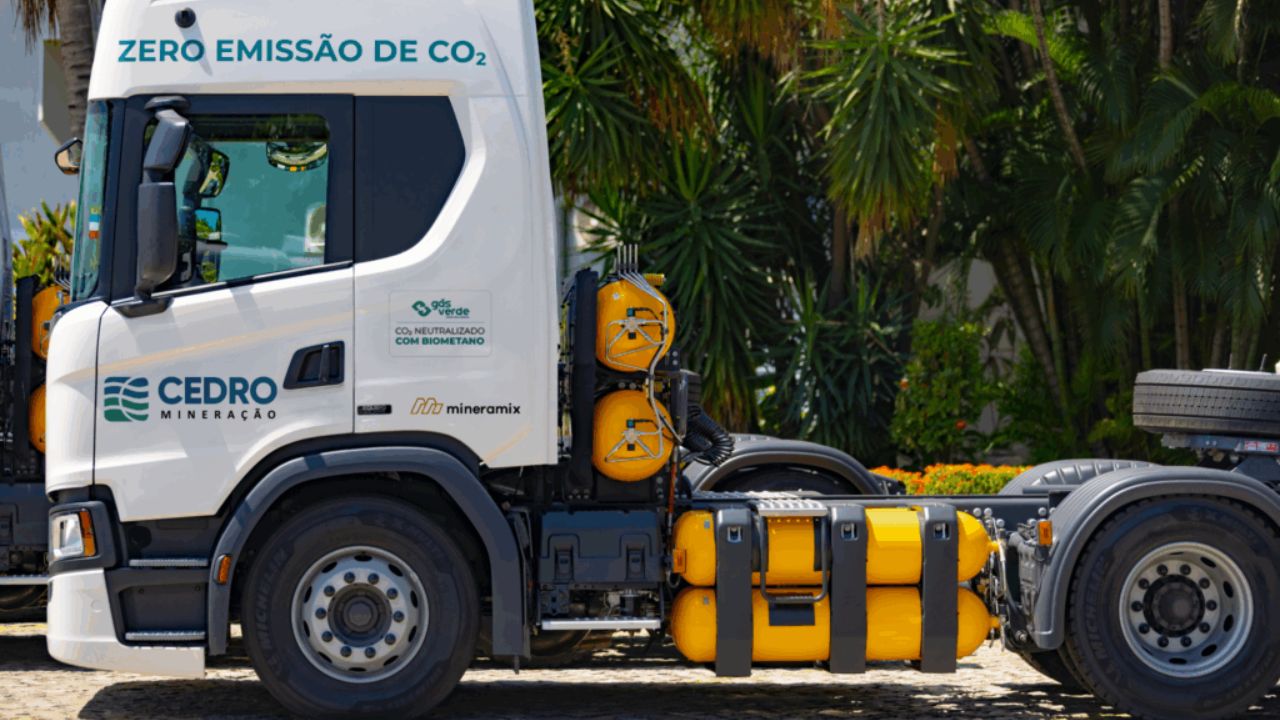
Cedro Mining and Green Gas Launch Decarbonization Pilot Project: Substituting Diesel with Natural Gas in Iron Ore Logistics in Minas Gerais
-
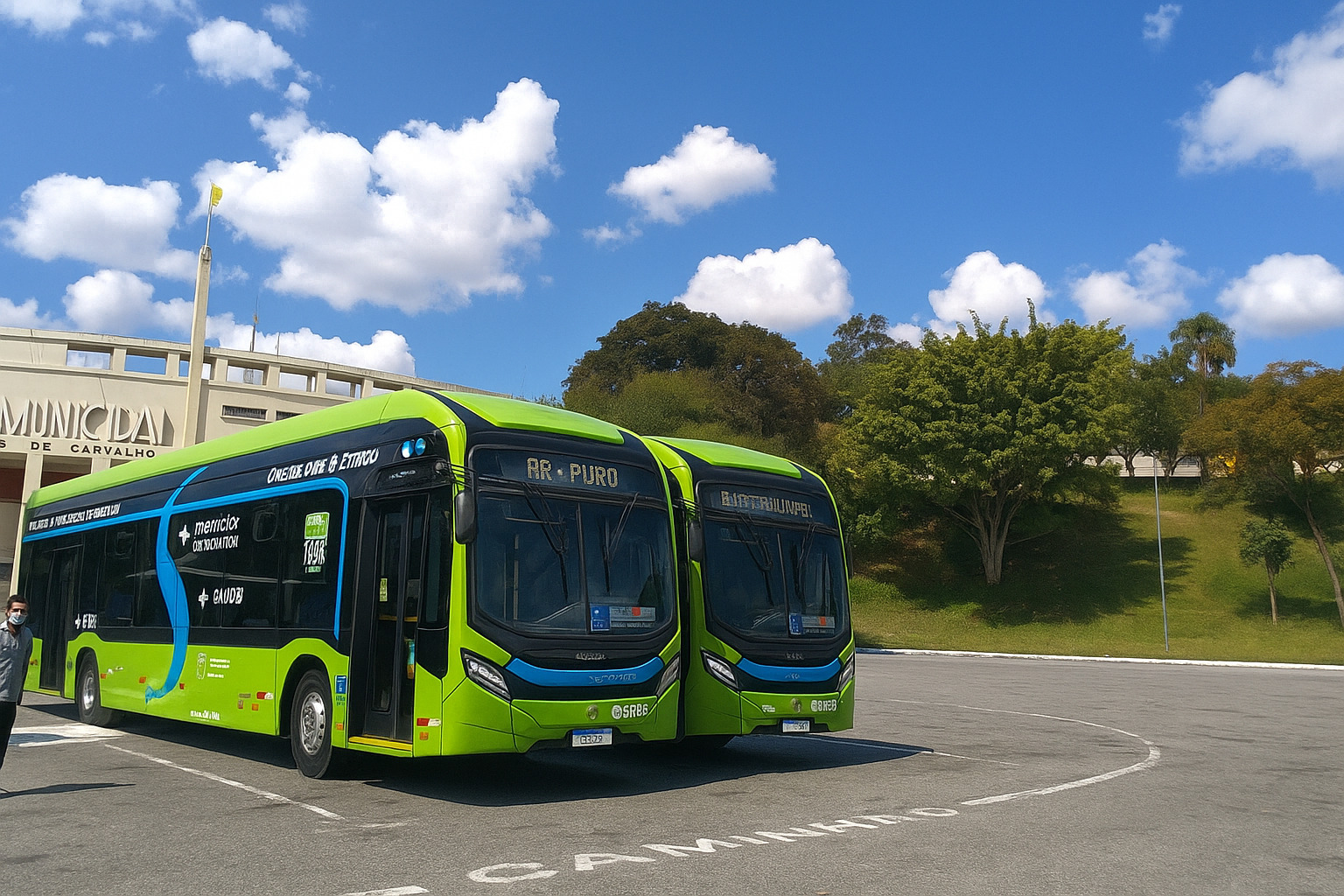
São Paulo City Hall Considers Using Biomethane After Blaming Electric Bus Delay on Enel
-
Reiter Log Group Invests In Biomethane Plant To Supply Fleet

What Is Biomethane and Its Environmental Importance
Biomethane is a renewable gas produced by purifying biogas, which naturally arises from the decomposition of organic waste in anaerobic environments.
Such as landfills, sewage treatment plants, and biodigesters on rural properties.
Thus, the use of this gas represents a significant step toward reducing greenhouse gas emissions.
It captures methane that, if released directly into the atmosphere, warms the planet much more than carbon dioxide.
Historically, natural gas began to be used as an energy source in the 19th century.
However, its primary use was tied to industry and residential supply.
Only in recent decades have people started exploring its potential as a vehicle fuel, mainly through compressed natural gas (CNG) and natural gas vehicles (NGV).
In this sense, biomethane emerges as a natural evolution of this trend, offering a renewable option that integrates the already-existing infrastructure for fossil natural gas.
Moreover, the environmental importance of biomethane goes beyond simply replacing fossil fuels.
By utilizing organic waste that would typically be discarded or released into the atmosphere, biomethane contributes to the sustainable management of urban and agricultural solid waste.
This way, this practice reduces soil, water, and air pollution.
In addition to preventing the waste of raw materials that can generate clean energy.
The Growth of Infrastructure and Production in Brazil
In Brazil, the development of the biomethane industry
is still in its early stages; however, it has shown remarkable advances.
According to data from the Brazilian Institute of Oil and Gas (IBP), the country has a pipeline network covering about 7% of the territory.
This is a modest figure compared to countries like the United States, where the network reaches almost 50% of the national territory.
Thus, this infrastructure facilitates the transport and distribution of biomethane, enabling its use in different regions and economic sectors.
The production of biomethane in Brazil mainly concentrates on biodigesters installed on rural properties and landfills.
These technologies allow for the generation of renewable energy and the sustainable management of organic waste.
This improves environmental quality and promotes sustainable rural development.
Thus, biomethane fuels vehicles designed to operate on natural gas, such as trucks, buses, and agricultural machinery.
Replacing diesel and significantly reducing pollutant emissions.
Additionally, the country has enormous potential to increase biomethane production due to its vast agricultural and agro-industrial output.
This generates a large volume of organic waste, such as food scraps, animal waste, and agricultural residues.
Therefore, developing public policies that encourage the installation of biodigesters and biomethane production is crucial to harnessing this potential and strengthening the national industry.
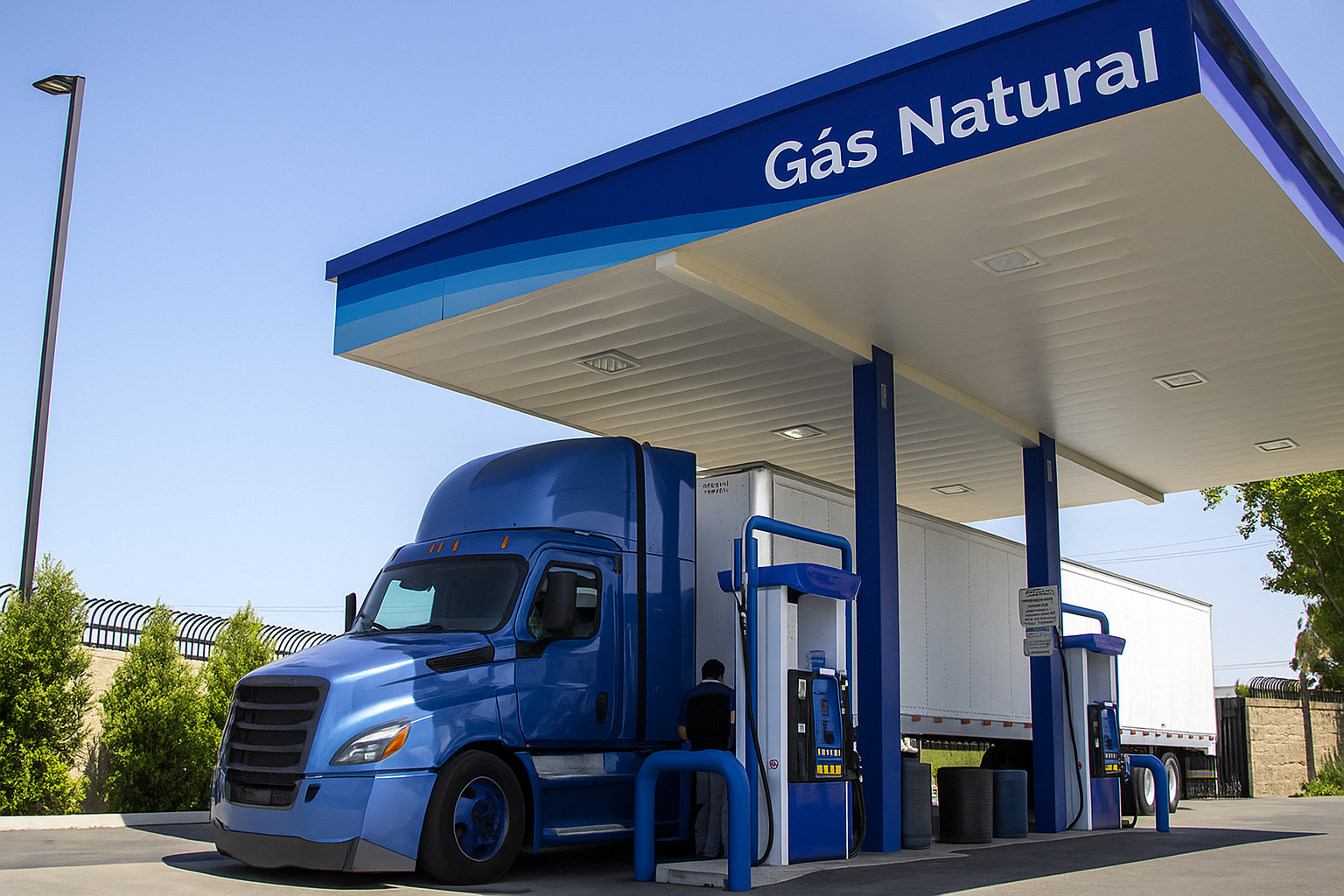
Another important challenge involves adapting and expanding the distribution infrastructure, with investments in pipelines and refueling points.
This way, integrating biomethane into the existing network will facilitate access and use by different segments of the economy.
Especially in road freight transport and agribusiness.
Heavy-Duty Vehicles: The Engine of Biomethane Industry Growth
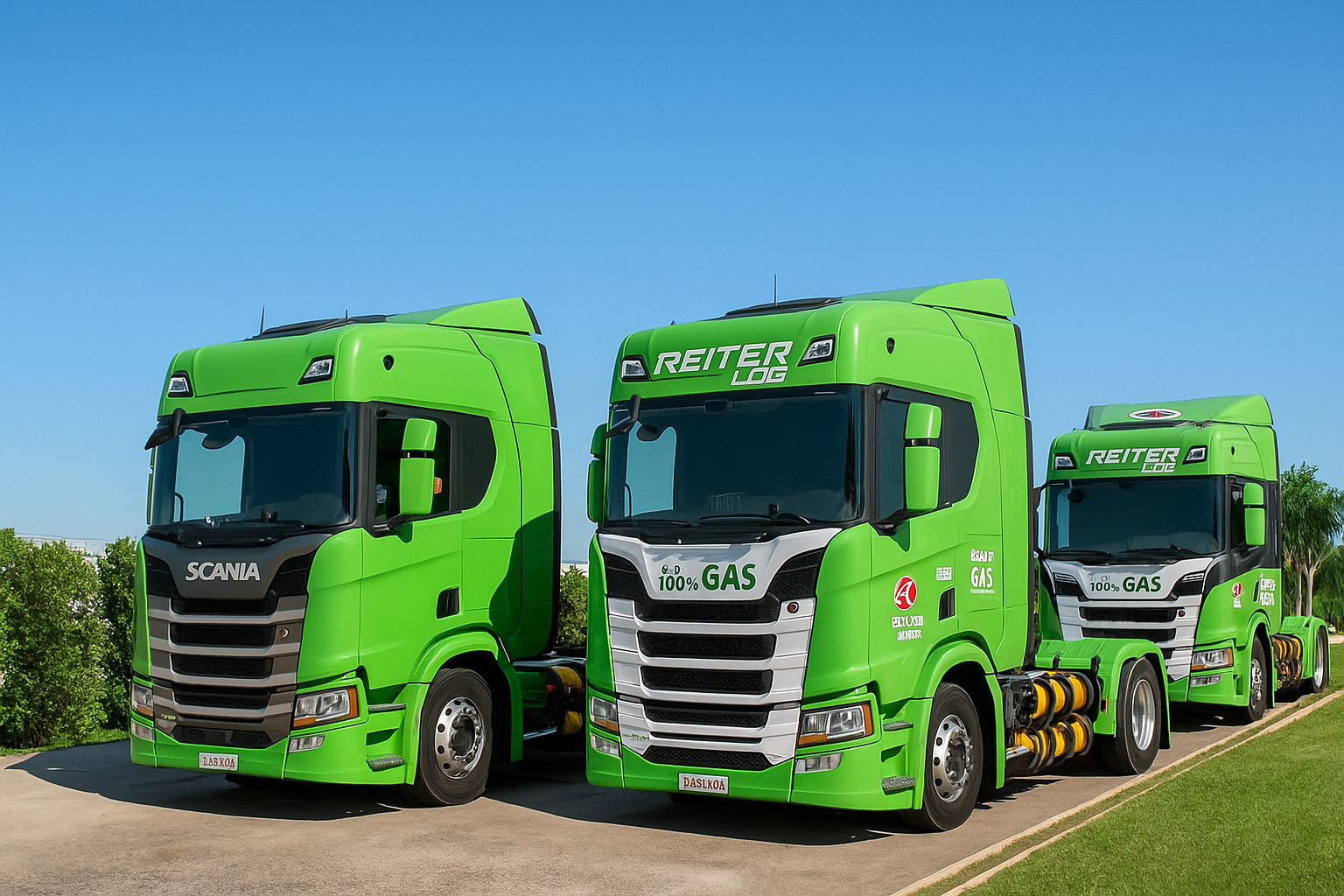
One of the main drivers of the biomethane industry is the manufacturers of heavy-duty vehicles investing in technologies for natural gas engines.
Scania, the Swedish manufacturer, is an important example, having recorded about 250% growth in sales of its trucks running on biomethane in the first four months of 2024 compared to the same period the previous year.
Therefore, this not only demonstrates market acceptance but also the expansion potential of this segment.
In addition to Scania, other companies are developing natural gas models, such as Volkswagen Buses and Trucks, which is set to launch the Constellation 26.280 powered by biomethane in 2025.
These vehicles offer performance comparable to diesel models, with similar power and torque.
This makes the transition to renewable fuels more appealing for transport sector entrepreneurs.
Thus, the popularization of these heavy-duty vehicles powered by natural gas not only helps reduce pollution in large cities and industrial regions.
But also improves air quality, a topic increasingly urgent for public health and urban sustainability.
Economic and Environmental Benefits of the Biomethane Industry
The biomethane industry benefits not only the transportation sector but also promotes the diversification of the energy matrix, contributing to the country’s energy security and the achievement of international environmental goals.
Thus, the use of biomethane reduces dependence on fossil fuels and helps mitigate the impacts of climate change by lowering harmful gas emissions.
Another important aspect is the economic impact of this industry.
The expansion of biomethane production and use creates new business and job opportunities at different stages of the production chain, from waste collection and biogas production to purification, storage, transport, and commercialization of biomethane.
Moreover, technological innovation and the adaptation of existing infrastructure also drive investments and scientific development.
The adoption of biomethane also generates positive effects on the local economy, especially in rural areas and small towns, where the installation of biodigesters transforms organic waste into a source of income, reduces energy costs, and promotes sustainable development.
Perspectives for the Future of the Biomethane Industry in Brazil
The integration of biomethane into the transportation industry represents a strategic opportunity for Brazil, which has great potential to produce this fuel due to its vast territorial extension, agricultural diversity, and significant amount of organic waste.
Therefore, promoting public policies that encourage biomethane production and use, such as credit lines and tax incentives, accelerates this process.
With the growth of the biomethane industry, Brazil can stand out globally as a country that bets on sustainable innovation to tackle energy and environmental challenges.
Thus, investing in research, technological development, and professional training is essential to ensure that this industry consolidates and offers competitive and accessible solutions for the market.
In summary, the biomethane industry is expanding, driven by the growth of heavy-duty natural gas vehicles and the search for renewable alternatives to diesel.
Therefore, the development of this industry brings environmental, economic, and social benefits, contributing to a cleaner energy matrix, reducing greenhouse gas emissions, and strengthening the green economy.
With appropriate investments and effective public policies, biomethane can become a key piece in the sustainable transformation of the transportation sector and the energy industry in Brazil and the world.










Seja o primeiro a reagir!