





 Português
  Inglês
  Espanhol
  3 min de leitura
  0 comentários


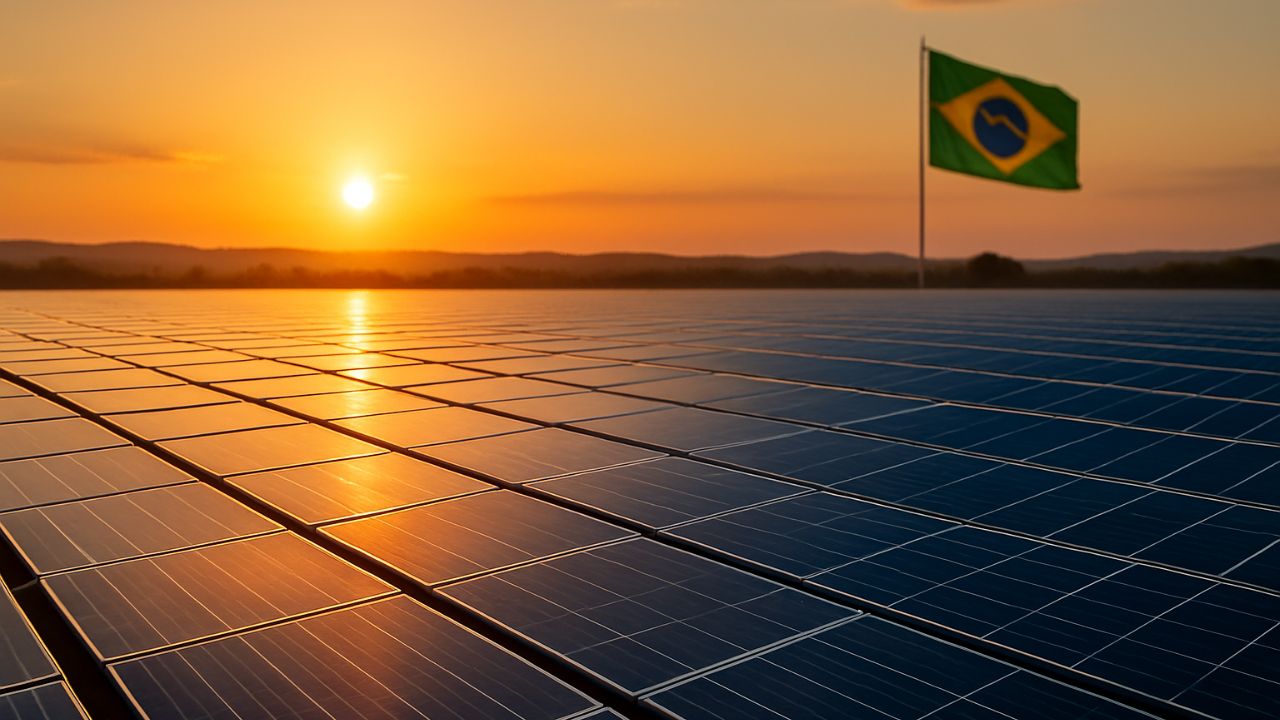
With Historic Progress in 2024, Country Surpassed Expectations and Positioned Itself Among the Four Largest in the World in Photovoltaic Generation
The performance of Brazil in the solar energy sector in 2024 attracted international attention: the country reached a new level of installed capacity and began to rank among the largest in the world in this strategic segment. This data, revealed in a report by SolarPower Europe, consolidates solar energy as a key component in the Brazilian electricity matrix and reinforces national leadership in the energy transition.
Brazil Takes on a Central Role in the Global Energy Transition
The solar energy sector in Brazil reached a historic milestone in 2024, adding 18.9 gigawatts (GW) to the country’s installed capacity, according to a report from the European association SolarPower Europe, published in May 2025. With this performance, Brazil moved up to fourth place in the global ranking of new solar energy markets, behind only China, the United States, and India. This progress demonstrates the national commitment to large-scale renewable sources, despite the logistical and regulatory challenges faced.
This expansion has elevated solar energy to the second position among the sources of the Brazilian electricity matrix, totaling 56 GW in operation and representing 22.5% of the total capacity of the national electric system, according to data released by Exame based on studies from ABSOLAR (Brazilian Association of Photovoltaic Solar Energy).
-
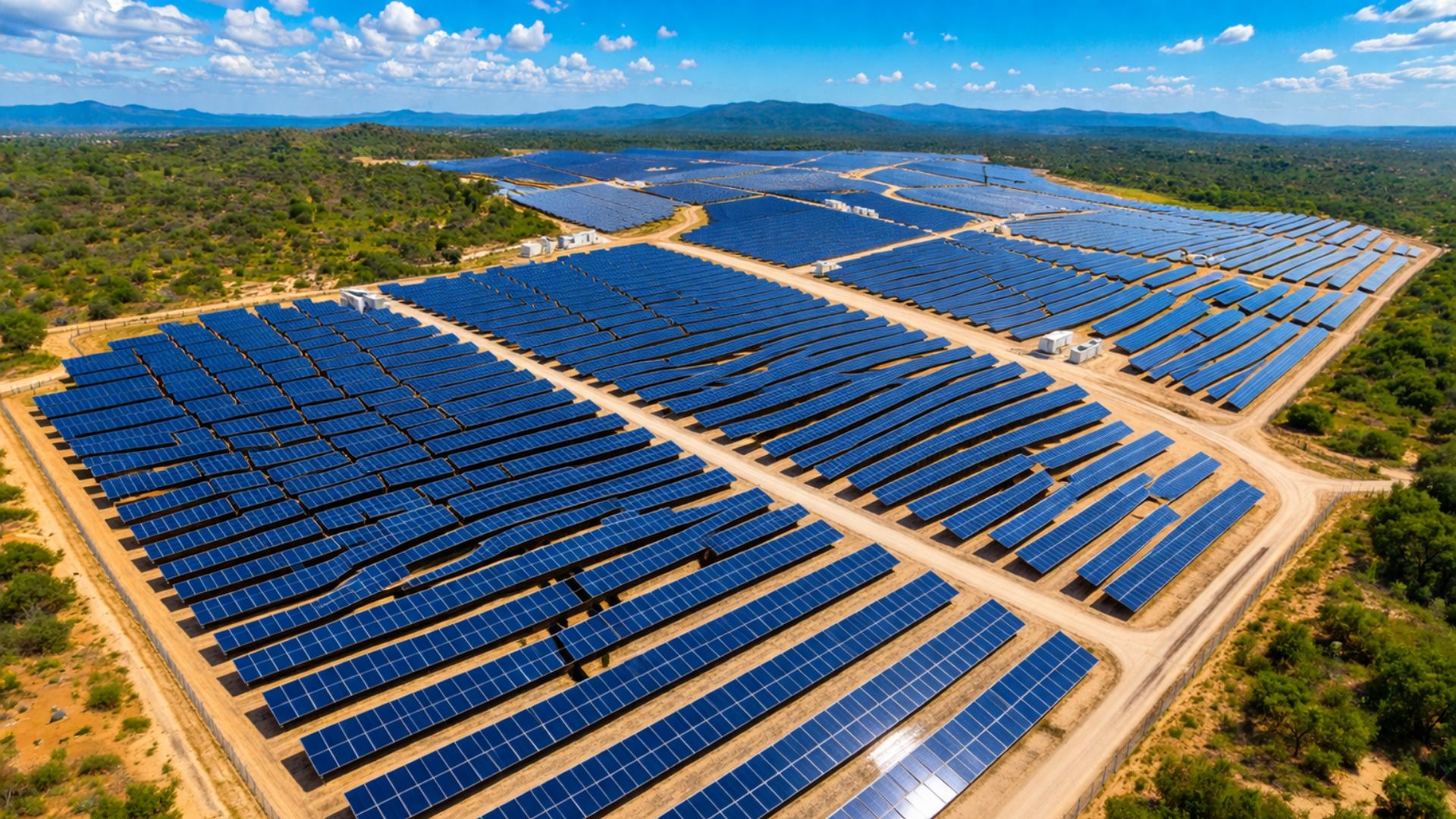
The Sol do Agreste Photovoltaic Complex begins operations in Pernambuco and accelerates the expansion of solar energy in Brazil, directly impacting the reduction of emissions and strengthening the sustainable energy matrix.
-
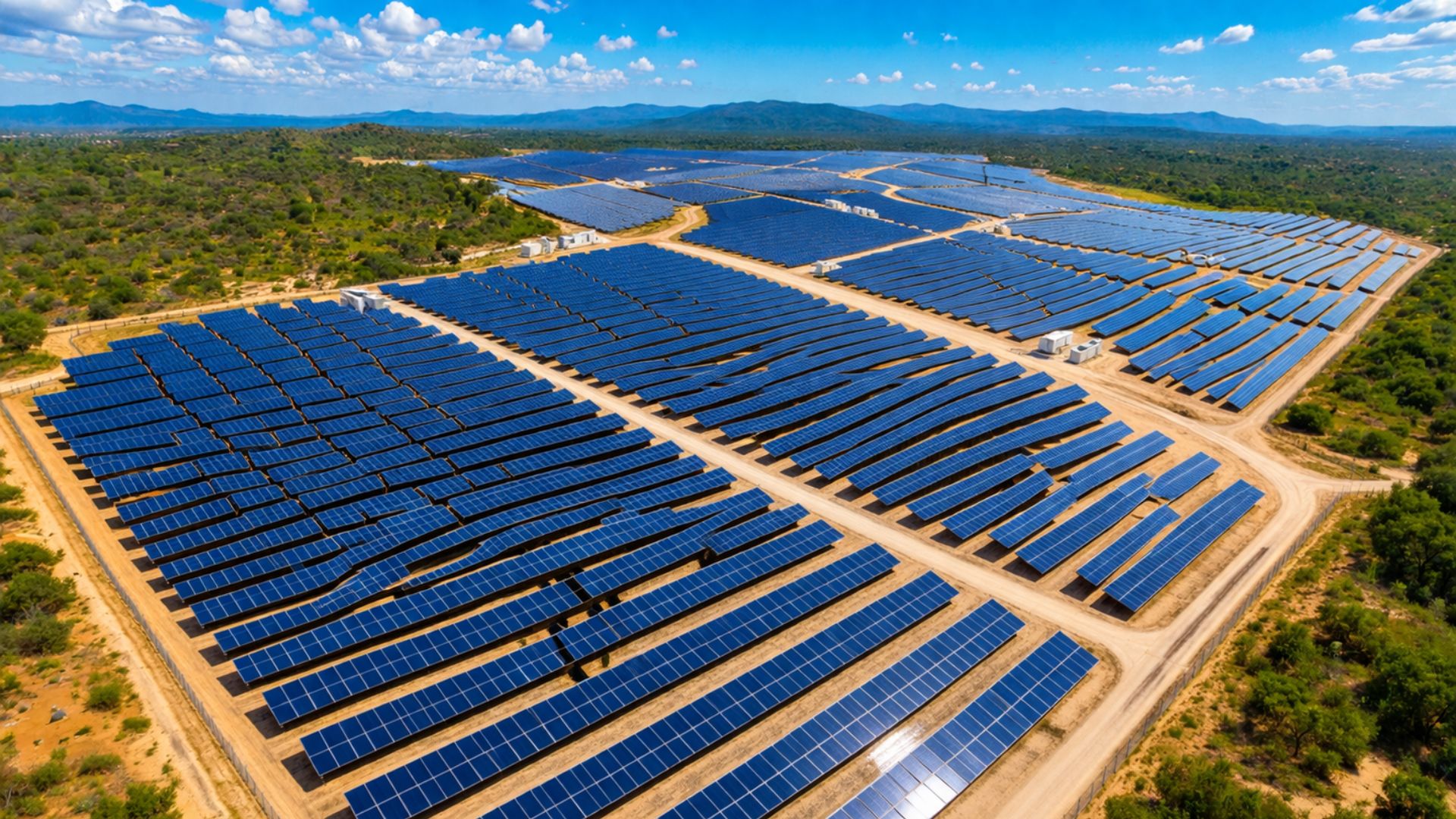
The Sol do Agreste Photovoltaic Complex begins operations in Pernambuco and accelerates the expansion of solar energy in Brazil, directly impacting the reduction of emissions and strengthening the sustainable energy matrix.
-
Roraima bets on the sun to escape high tariffs: Amid the energy crisis and price hikes, solar energy is growing in Roraima and transforming consumption in the North region.
-
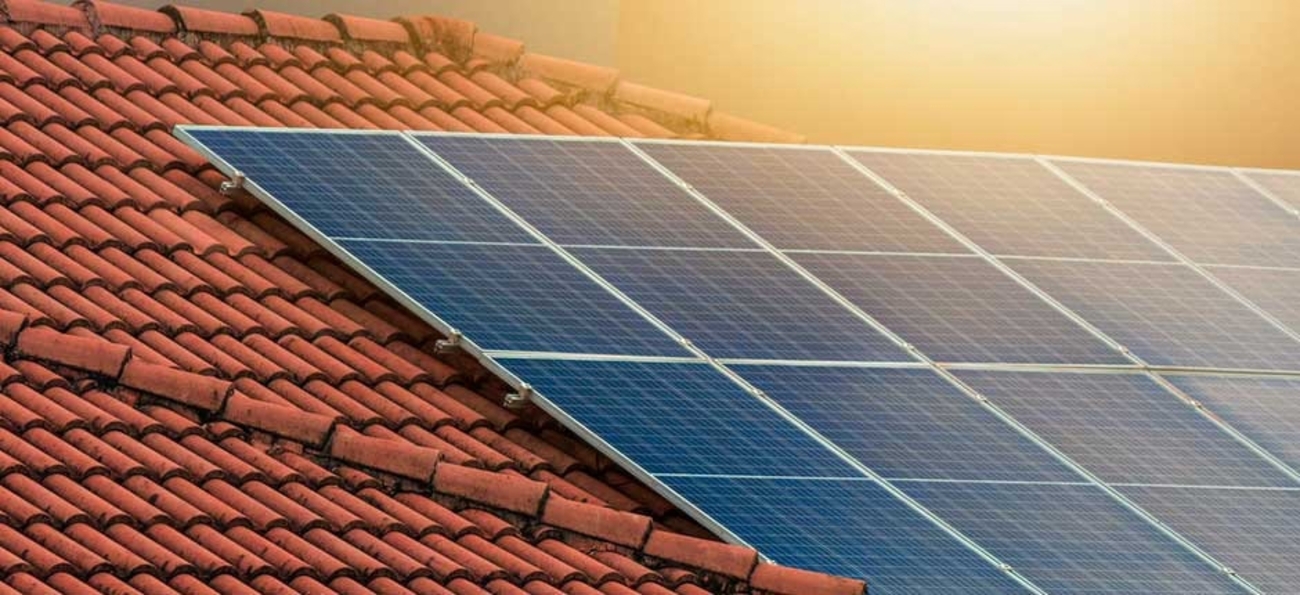
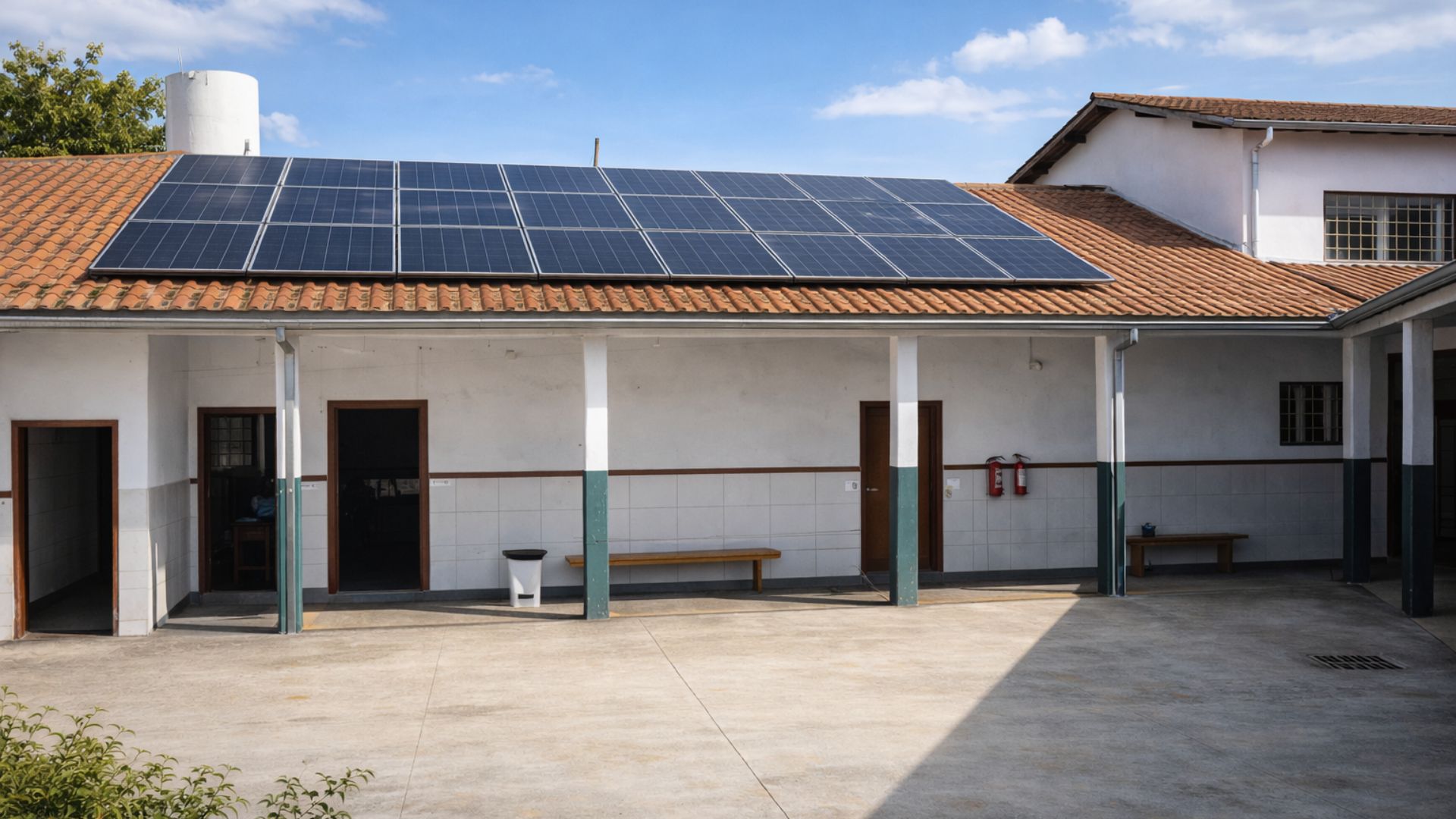
Copel boosts solar energy in Paraná and brings innovation to public schools, promoting savings on electricity bills, energy efficiency, and a direct impact on the quality of education.

Brazil Attracts Billions in Investments and Creates Thousands of Jobs in the Solar Sector
Even with technical setbacks, such as generation cuts without adequate compensation and limitations in the connection of small-scale systems, the Brazilian solar sector maintained strong traction in 2024. In this year alone, investments reached R$ 53.7 billion, resulting in the creation of 457,000 new jobs, according to data released by Exame.
Since 2012, the total volume of accumulated investments in the sector has exceeded R$ 254 billion, generating more than 1.7 million jobs. These numbers are from ABSOLAR and reflect the growing economic relevance of solar energy not only as an energy solution but also as a pillar of productive and social development in Brazil.
With Almost 90% of the Clean Matrix, Brazil Stands Out Among Green Nations
With 89.2% of the electric matrix based on renewable sources such as solar, wind, and hydro, Brazil ranks among the world leaders in the energy transition. While powers in the northern hemisphere still face strong dependence on fossil fuels, this South American country is advancing with a diversified, sustainable matrix that has a lower environmental impact.
The Ministry of Mines and Energy highlights that Brazil is in a privileged position to attract even more investments and take a reference role in meeting climate and energy goals, especially in light of the growing international pressure for decarbonization.
Solar Energy: A Long-Term Bet for Brazil
In addition to centralized generation, distributed generation, solar panels in homes, businesses, and small industries, has been one of the driving forces behind the growth of the sector. This decentralization increases access to clean energy, reduces costs, and offers a viable alternative for energy autonomy for thousands of Brazilians.
ABSOLAR emphasizes that the growth potential is still enormous and depends on consistent public policies, regulatory security, and incentives for national equipment production. The current scenario shows that, even amid challenges, Brazil is building a solid path toward a greener, more innovative, and socially inclusive energy model.








Seja o primeiro a reagir!